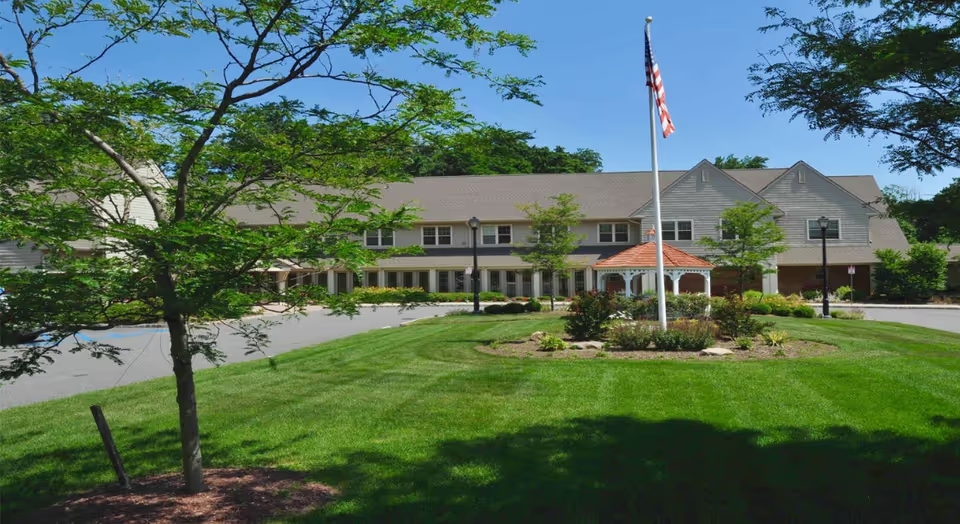
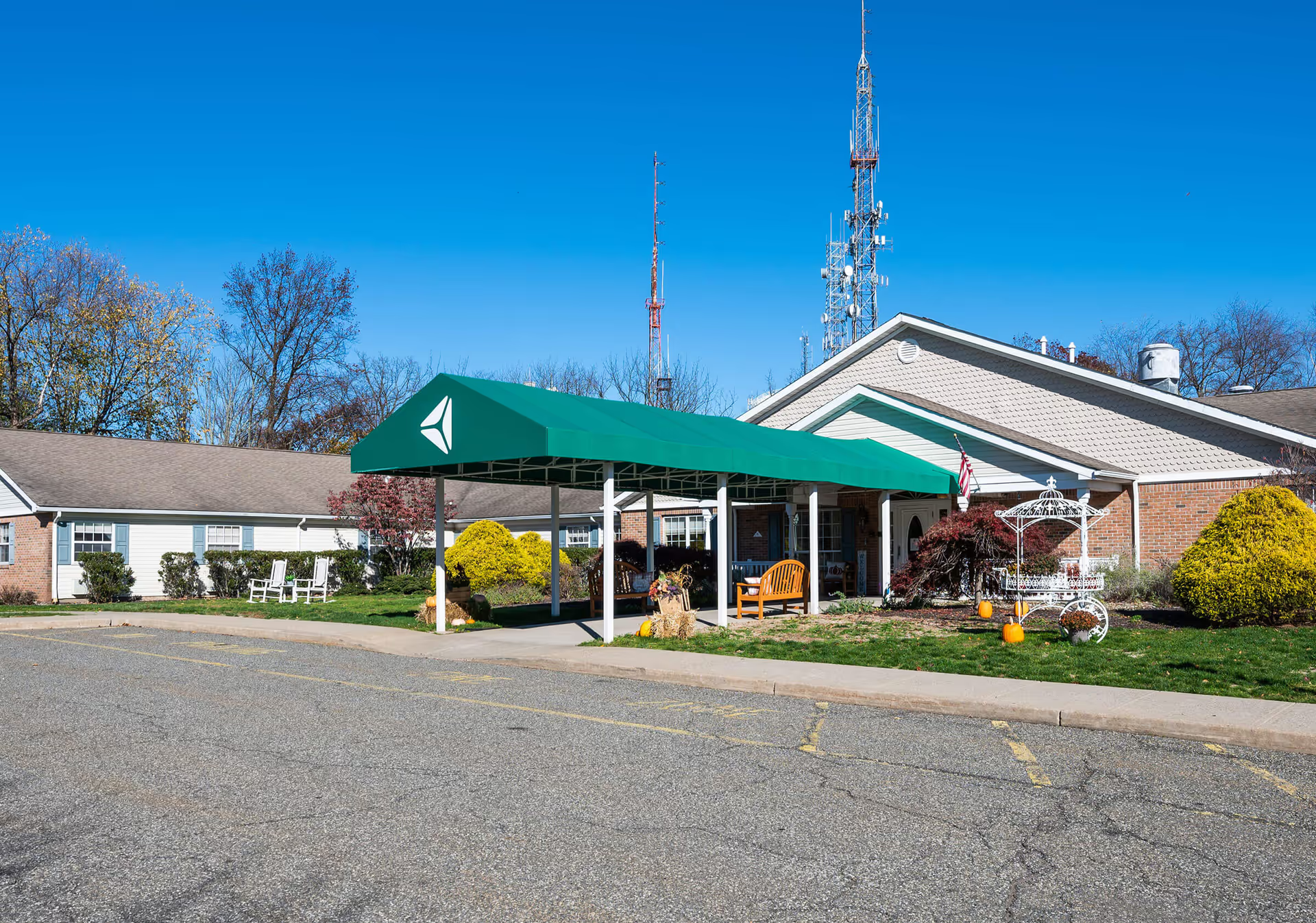
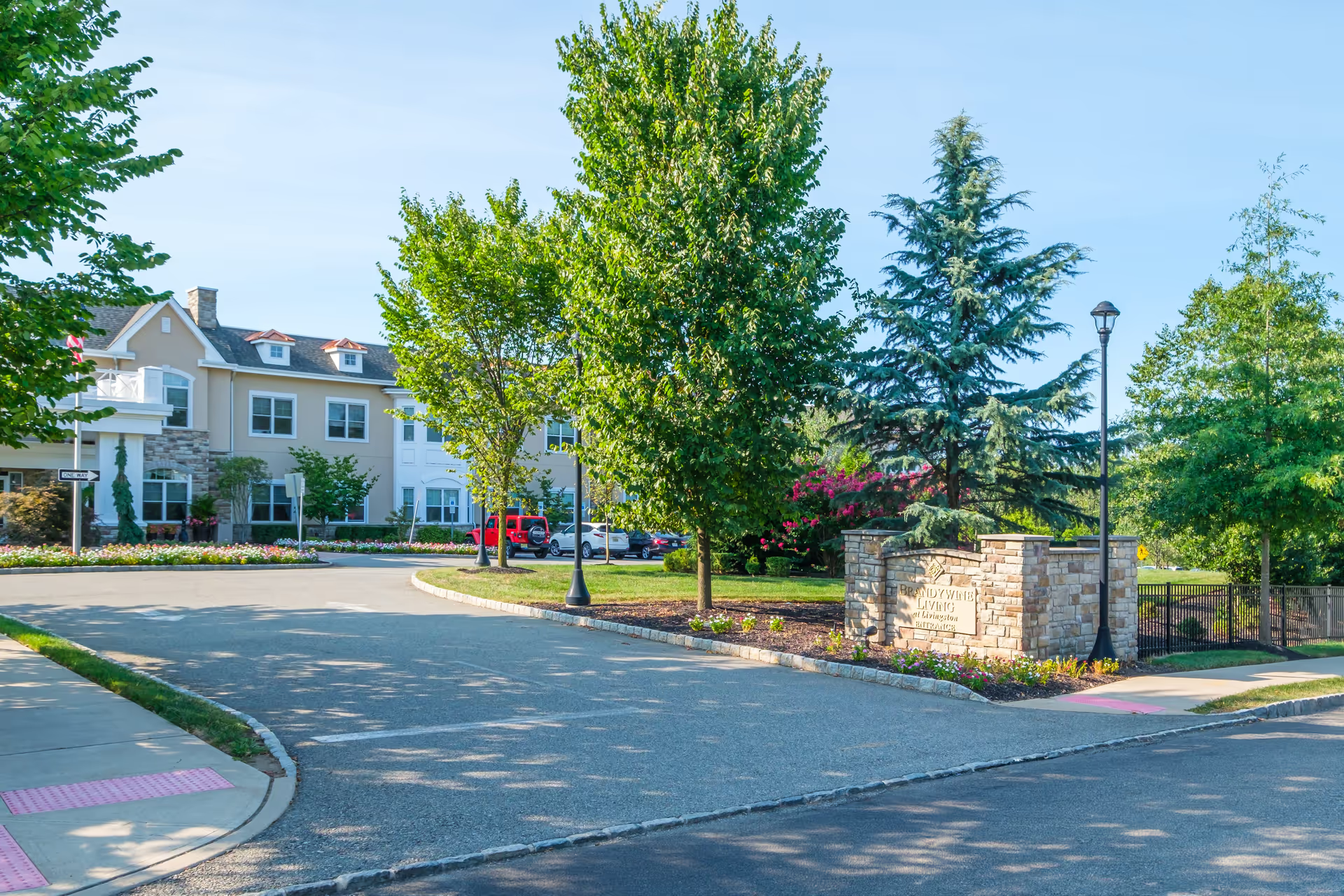
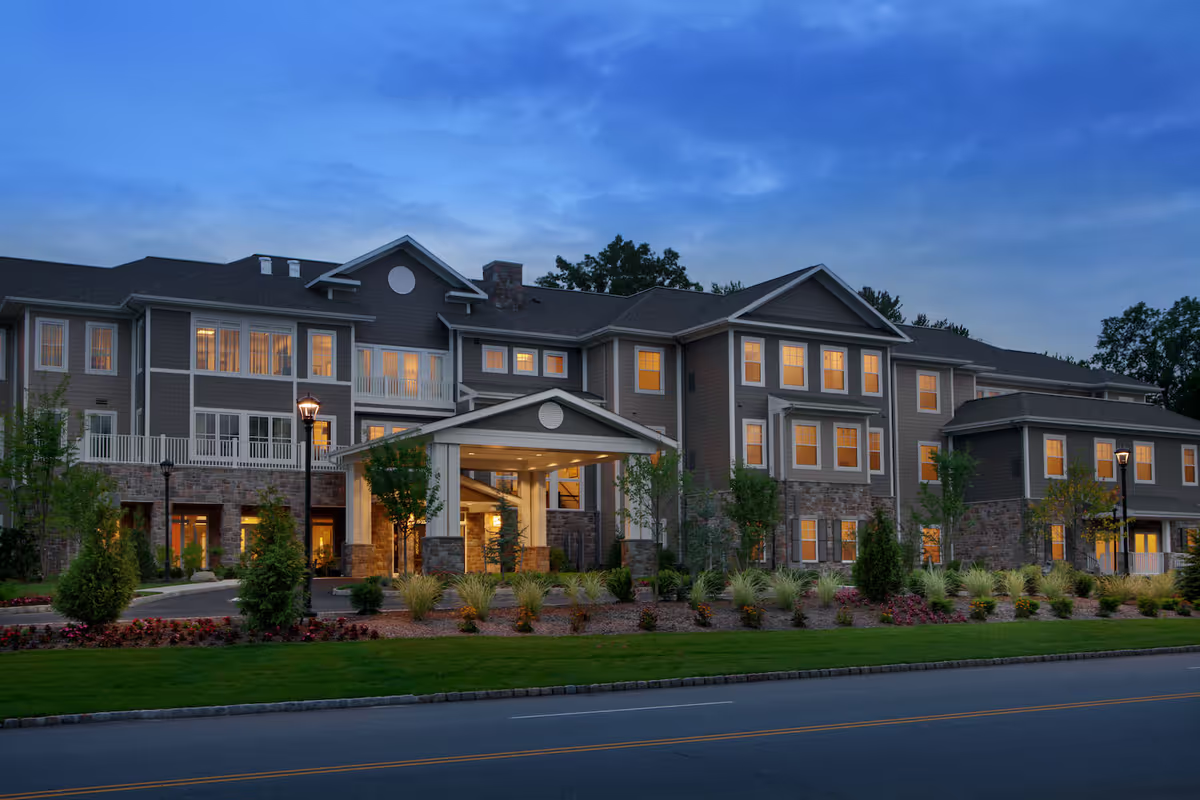
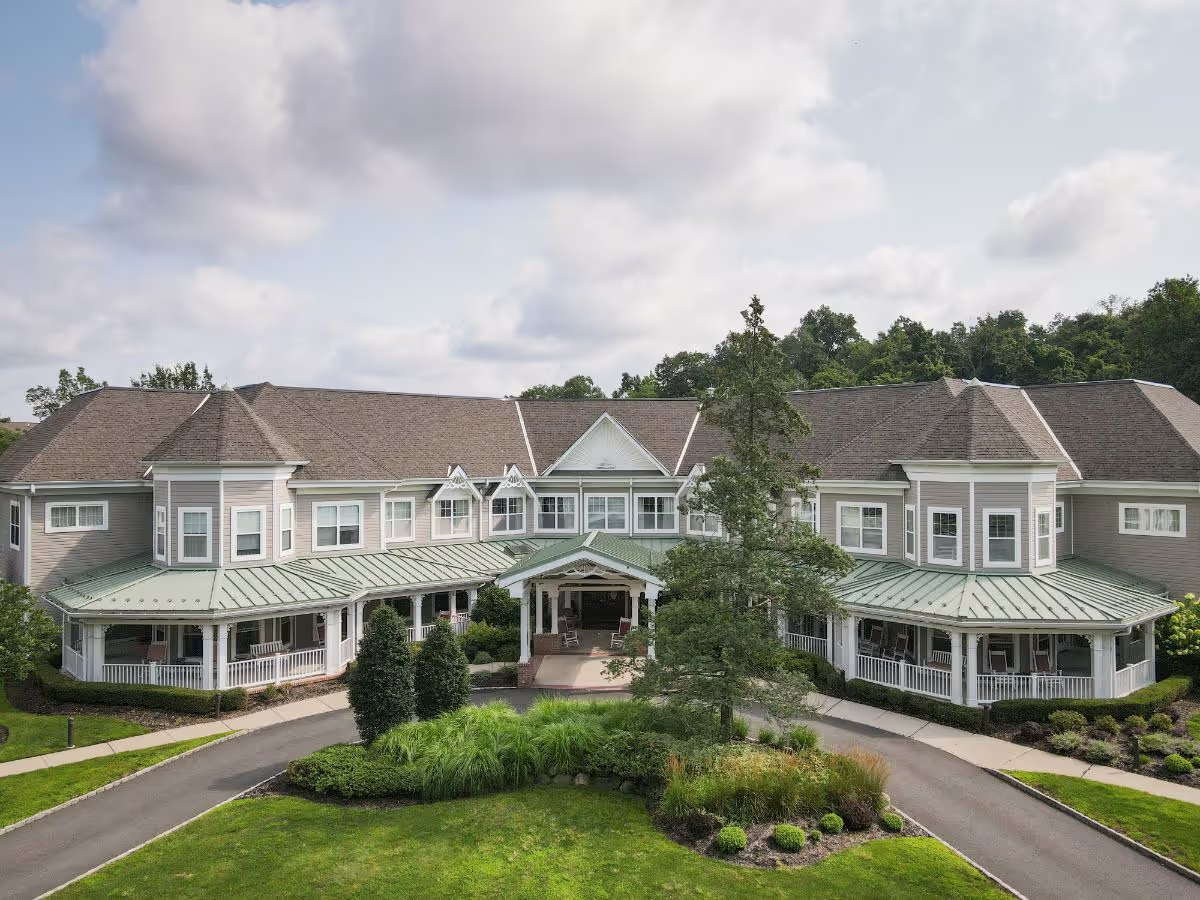
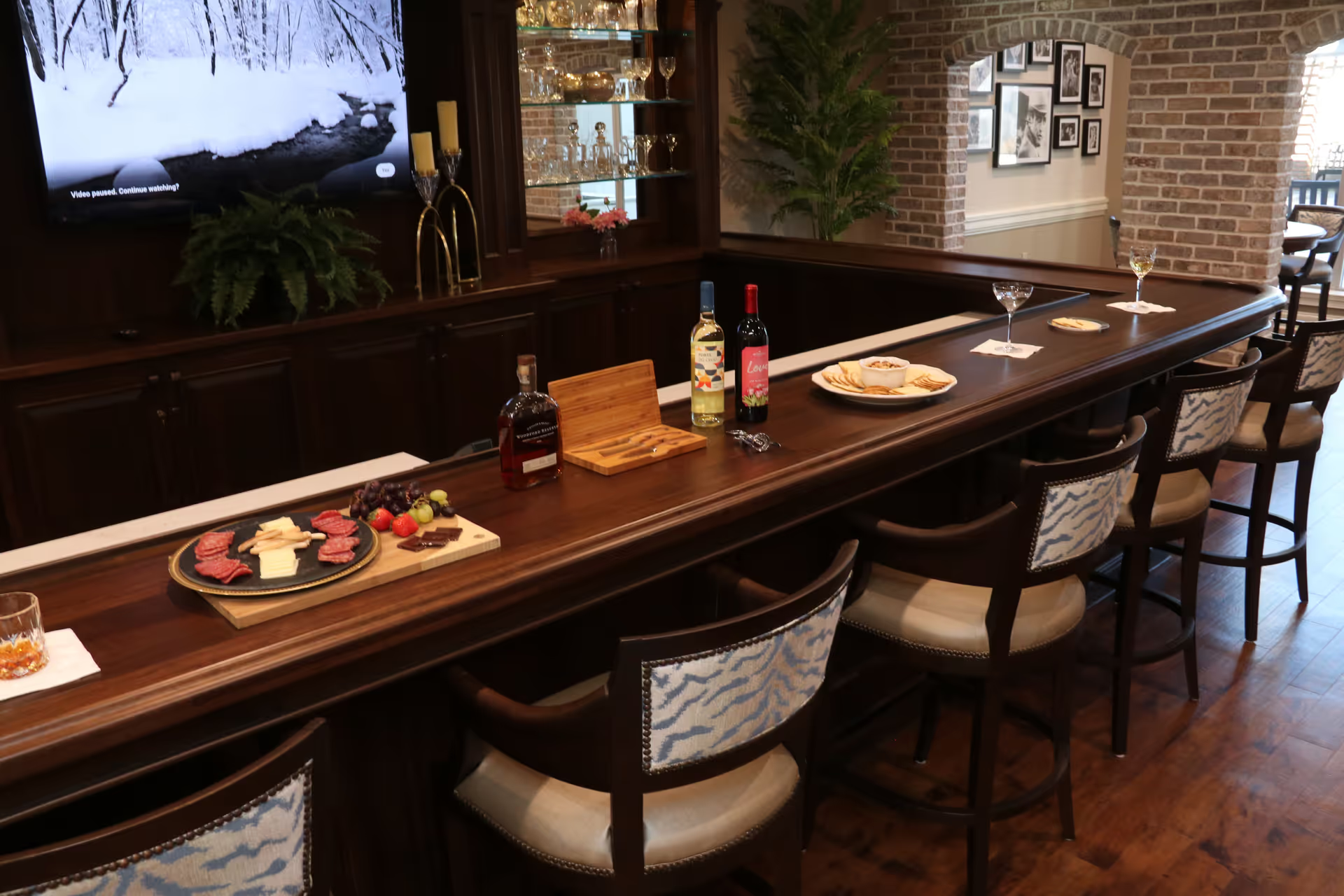
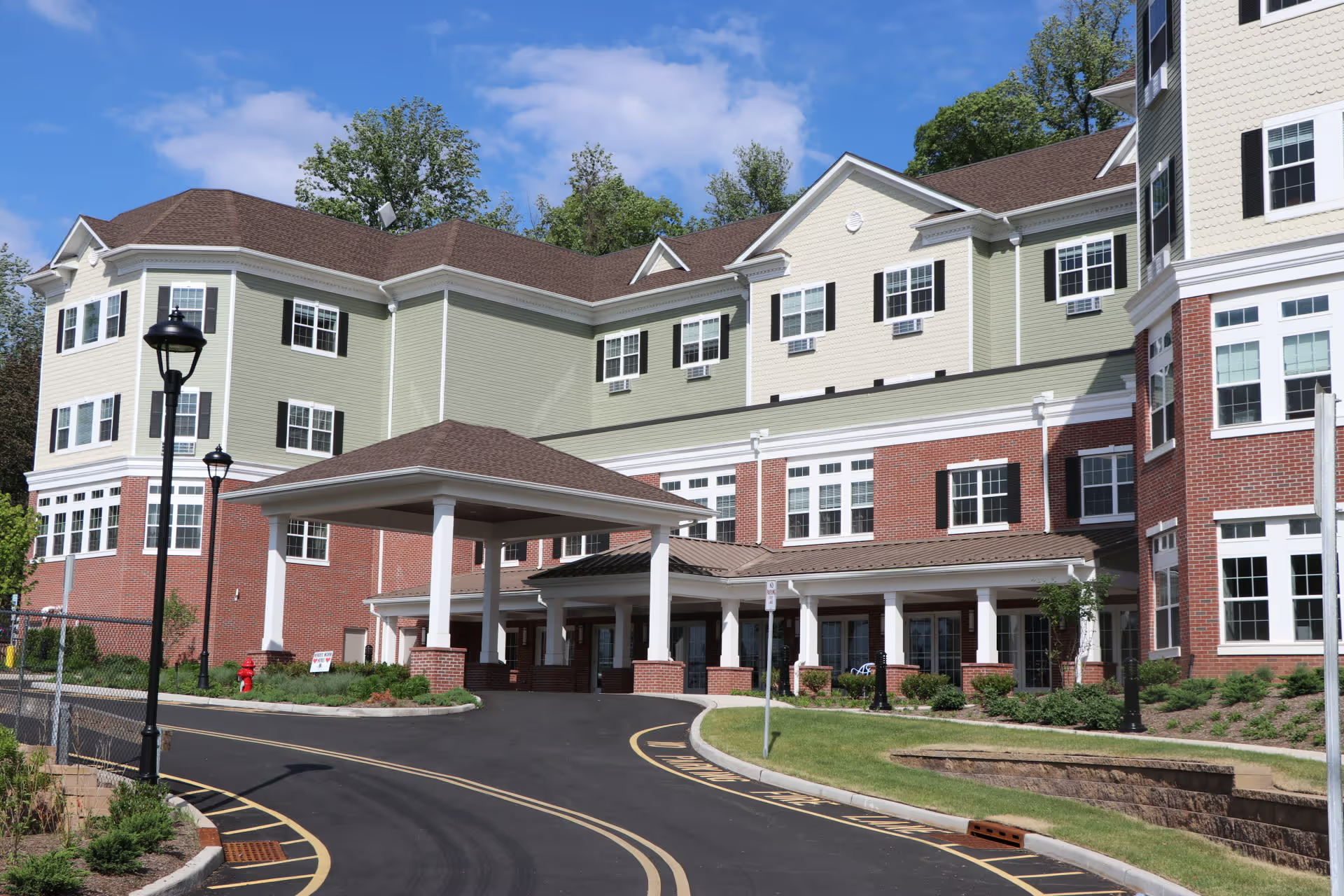
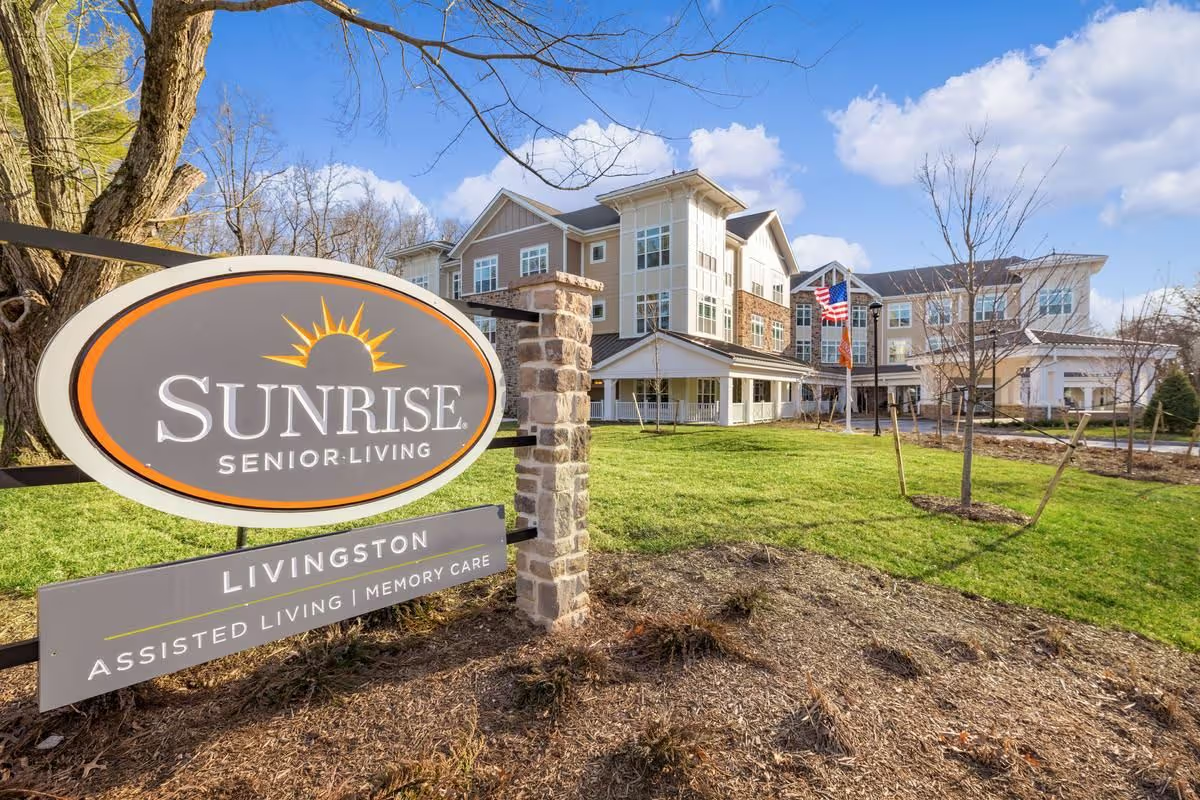
Overall impression: Brighton Gardens of West Orange elicits strongly mixed impressions. Many families and residents highlight a warm, home‑like environment in parts of the community, well‑kept grounds, attractive common areas and restaurant‑style dining spaces. The site offers multiple apartment options, accessible outdoor spaces, pet accommodations and an active calendar of social and therapeutic programming. For a number of residents the combination of long‑tenured, compassionate staff and available therapy/rehab services creates a sense of security and continuity.
Care and staff: Staff and leadership receive frequent praise for compassion, accessibility and continuity; reviewers repeatedly cite helpful directors, attentive aides and caregivers who learn residents’ names. At the same time, there is variability in clinical coverage and execution. Reviewers identified gaps in nursing scope for long‑term medical needs, inconsistent medication‑timing practices, and uneven performance among clinical and support staff. Communication with families is a mixed picture: many families report proactive updates and rapid responses, while others describe delayed or incomplete communication about medical events. There are also isolated but serious concerns about the facility’s response to emergent clinical events; these have been framed by reviewers as gaps in clinical‑incident response and family notification rather than uniform practice.
Dining and activities: Dining experiences are highly polarized. Positive comments emphasize attentive servers, pleasant dining rooms and some flavorful menu options, including accommodations for special diets. However, an equal number of comments cite inconsistent meal quality, overcooked or unpalatable entrées, and limited menu variety — problems that reviewers link to both kitchen execution and staffing shortages during mealtimes. Activity programming is broad on paper (music, tai chi, theater showings, arts/crafts, outings, exercise classes), and many residents find opportunities to engage; other residents describe repetition, limited winter offerings, and insufficient movement‑focused activities for more active residents.
Facilities and amenities: Physical spaces and landscaping are commonly praised: clean lobbies, attractive dining rooms, secured layouts and proximity to a hospital are recurring positives. Apartment sizes vary; several reviewers note smaller bedrooms and suites that may be tight for couples. Some parts of the building have an older feel and ongoing renovations. Operational concerns include access‑control frustrations (locked patios or doors creating resident inconvenience) and inconsistent housekeeping/laundry controls (lost clothing and missed cleaning tasks were mentioned).
Management, billing and notable patterns: Management and front‑desk staff are often described as accessible and responsive, but reviewers also report pressure during sales, frequent ancillary fees, price increases, and lack of Medicaid acceptance — all of which affect perceived value. Staffing levels and training emerge as a cross‑cutting theme: understaffing is tied to slower assistance, meal‑service interruptions and variability in care consistency. Memory‑care receives both positive and critical remarks; while there is a dedicated memory unit praised for programming, other comments indicate uneven dementia‑care practices elsewhere in the building.
Guidance for prospective families: The pattern in these summaries is one of strong strengths (grounds, caring staff, activity infrastructure, and a restaurant‑style environment) counterbalanced by operational inconsistencies (food quality, staffing reliability, clinical coverage and fee transparency). Visitors should observe mealtime service, ask for current staffing ratios for the specific unit, review medication‑administration policies, tour the memory‑care area if applicable, and request a clear, itemized explanation of monthly fees and ancillary charges before committing. Direct observation of communication flow between clinical staff and family/POA during a visit can also help assess whether the community’s strengths align with an individual resident’s needs.