Sunrise of Westfield is described consistently as a warm, residential-feeling community with many elements that families and residents find reassuring. Strengths most often highlighted include a compassionate and attentive direct-care team, visible leadership and care coordination, and a memory-care program structured around Reminiscence principles. Multiple accounts emphasize person-centered end-of-life support, on-site hospice availability, and medical oversight that contributed to improved alertness and wellbeing for some residents.
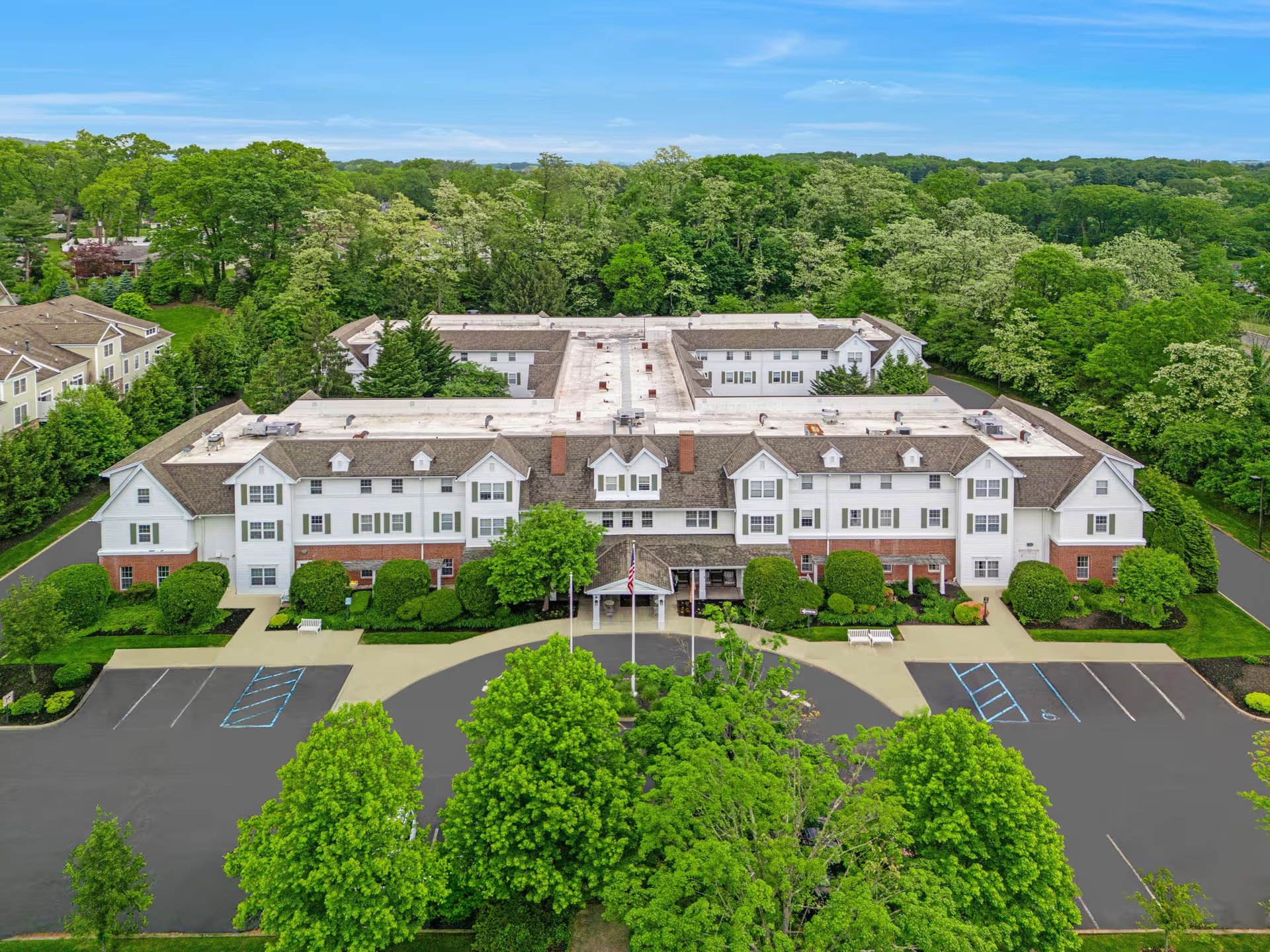
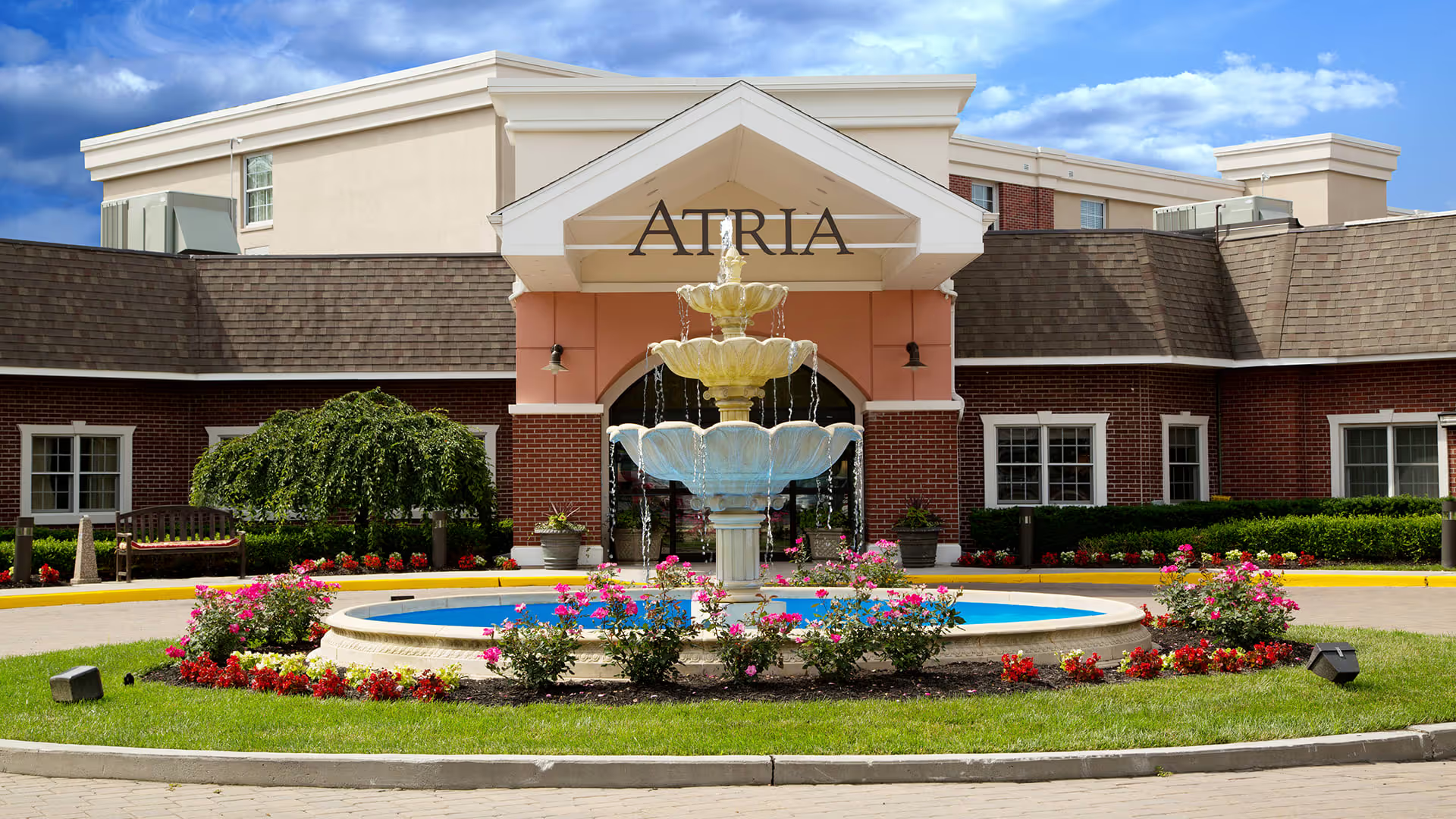
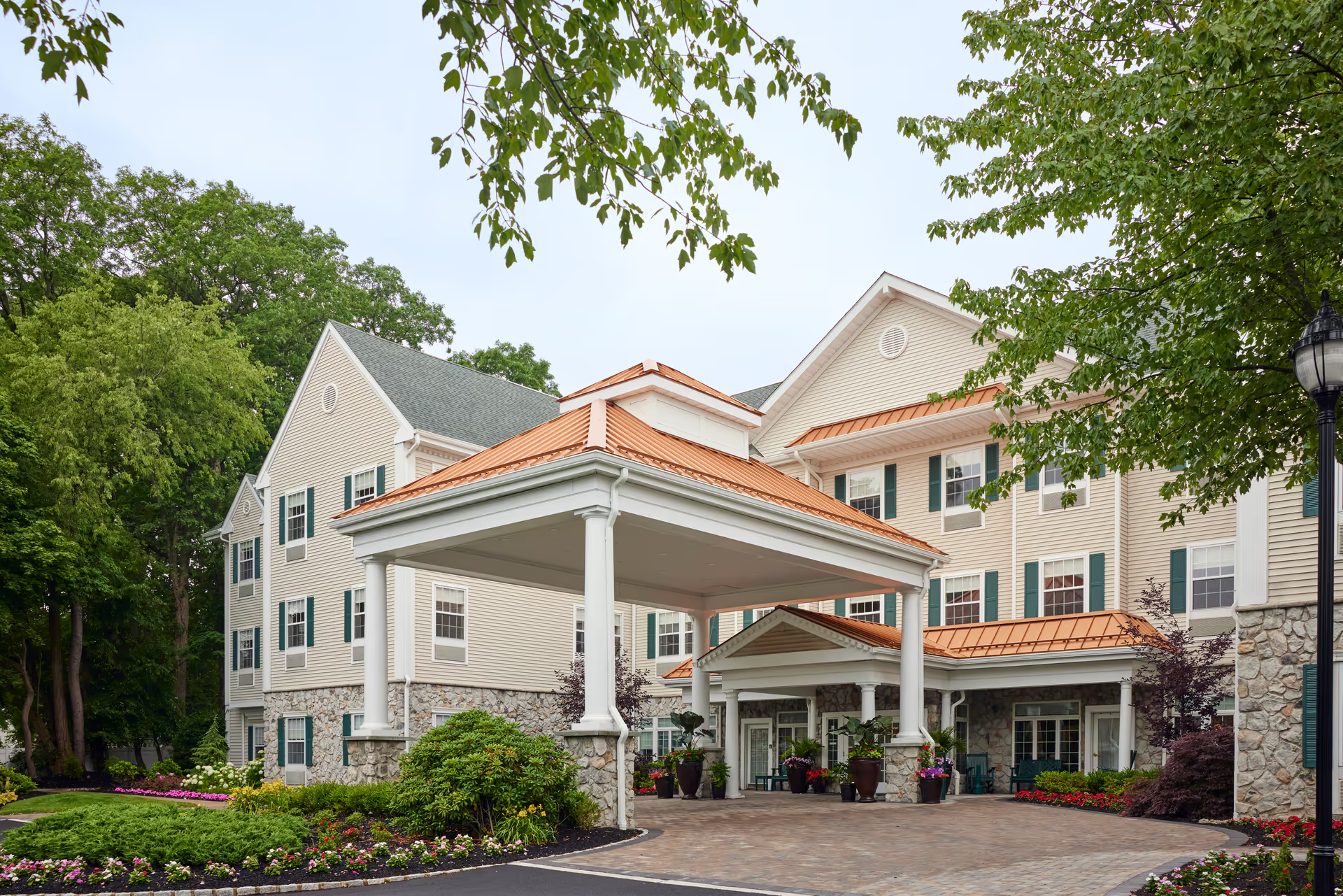
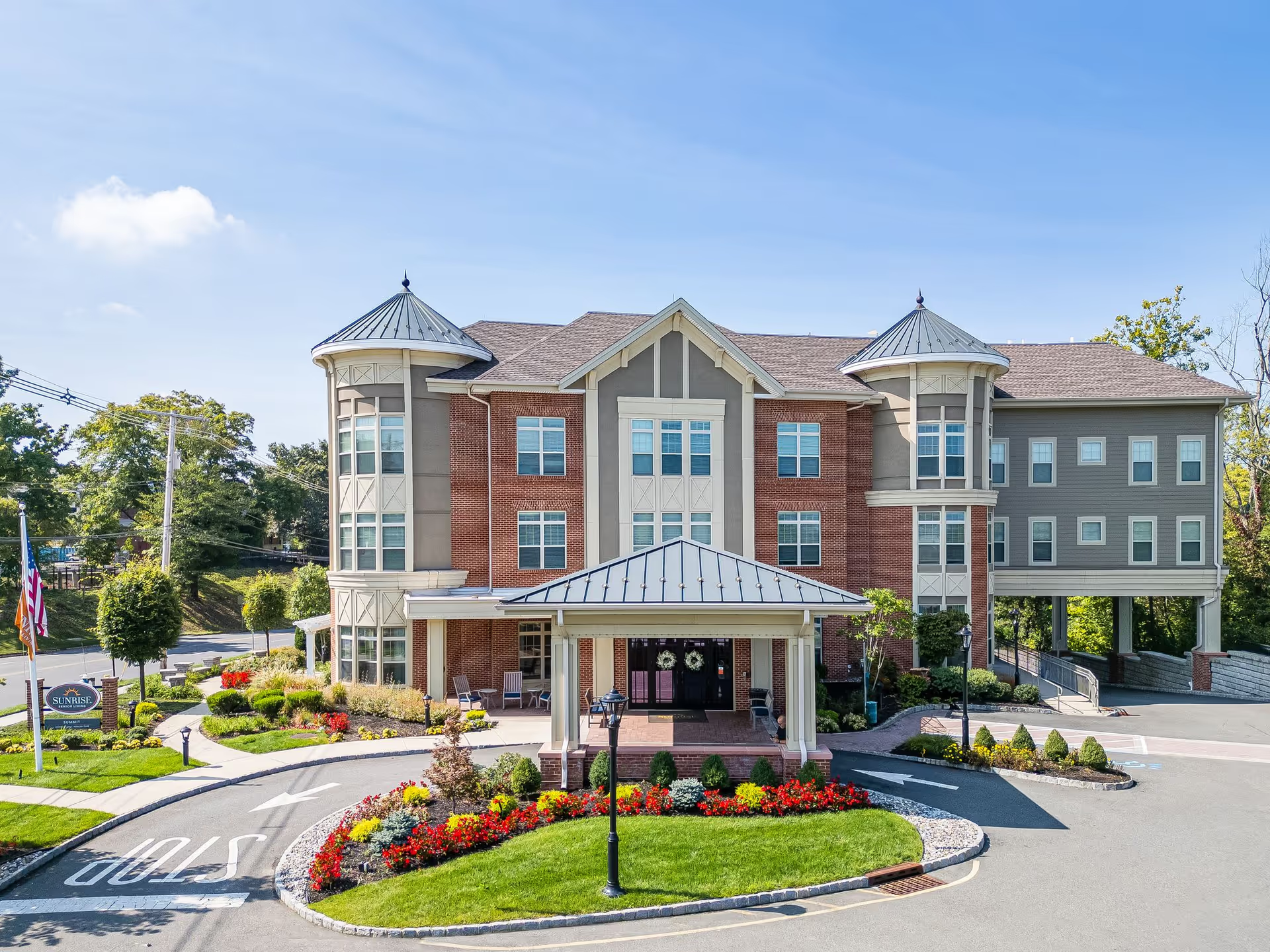
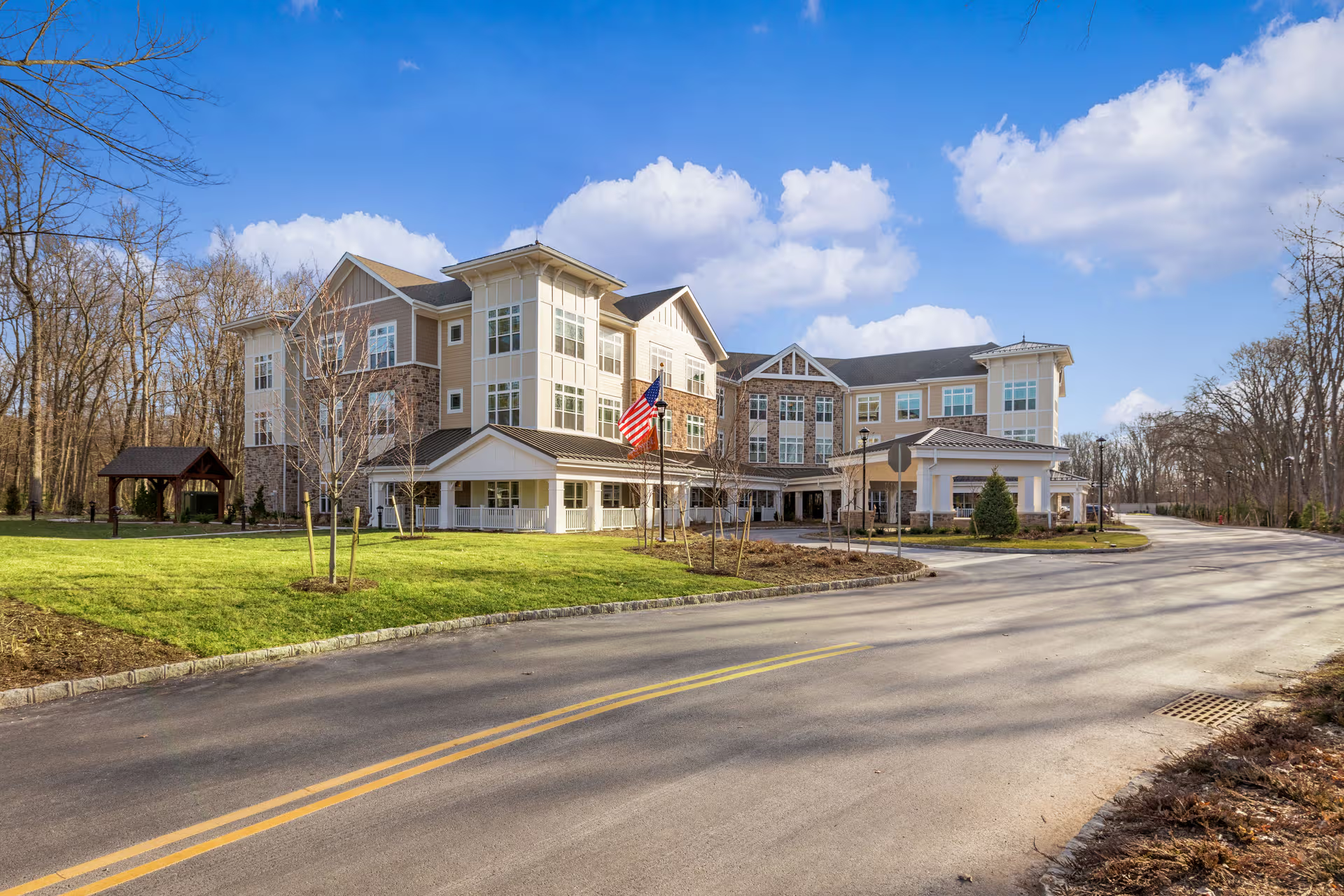
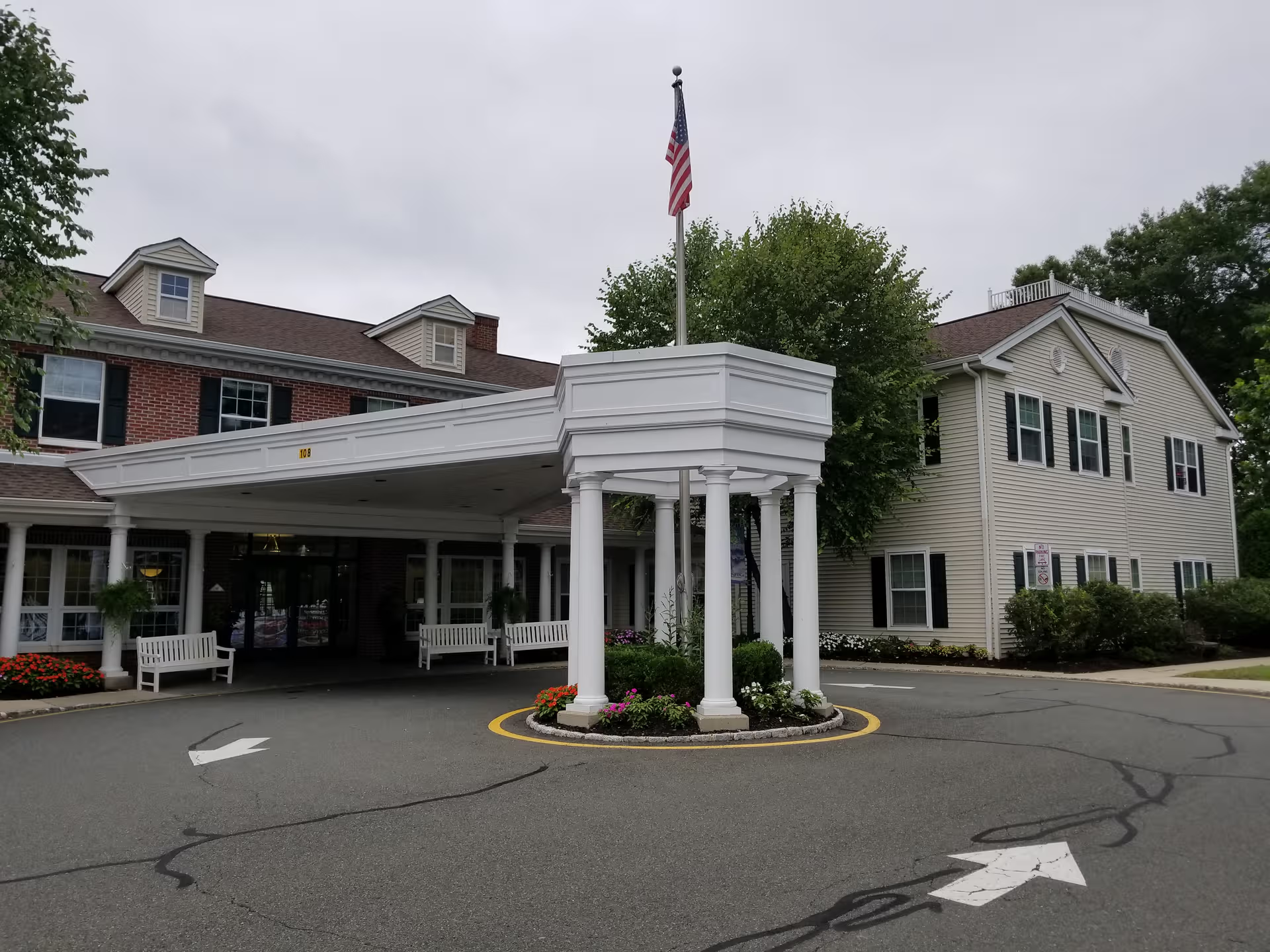
The facility's physical environment is frequently praised: interiors are described as clean, bright, sunlit, and decorated with a bed‑and‑breakfast aesthetic. Common areas, courtyards, and wrap-around porches are viewed favorably and support outdoor access and socialization. Amenities such as meeting rooms, a dining room with restaurant-style meals, shuttle service, and diverse activity offerings (including outside visitors and group outings) contribute to an active campus feel. Families also note strong relocation assistance and a supportive move-in process in many cases.
Operational patterns are mixed. Staffing and care quality are commonly cited as strengths, but reviewers also describe variability in staff presence and responsiveness at peak times. Communication with families is a recurrent theme: while many families find staff thoughtful and accessible, others report inconsistent channels (including time-zone or method mismatches) and gaps in follow-up. A subset of reviews raised concerns about placement and transfer processes — specifically, transfers to higher-intensity memory care and associated documentation — which suggests potential gaps in internal placement protocols and recordkeeping.
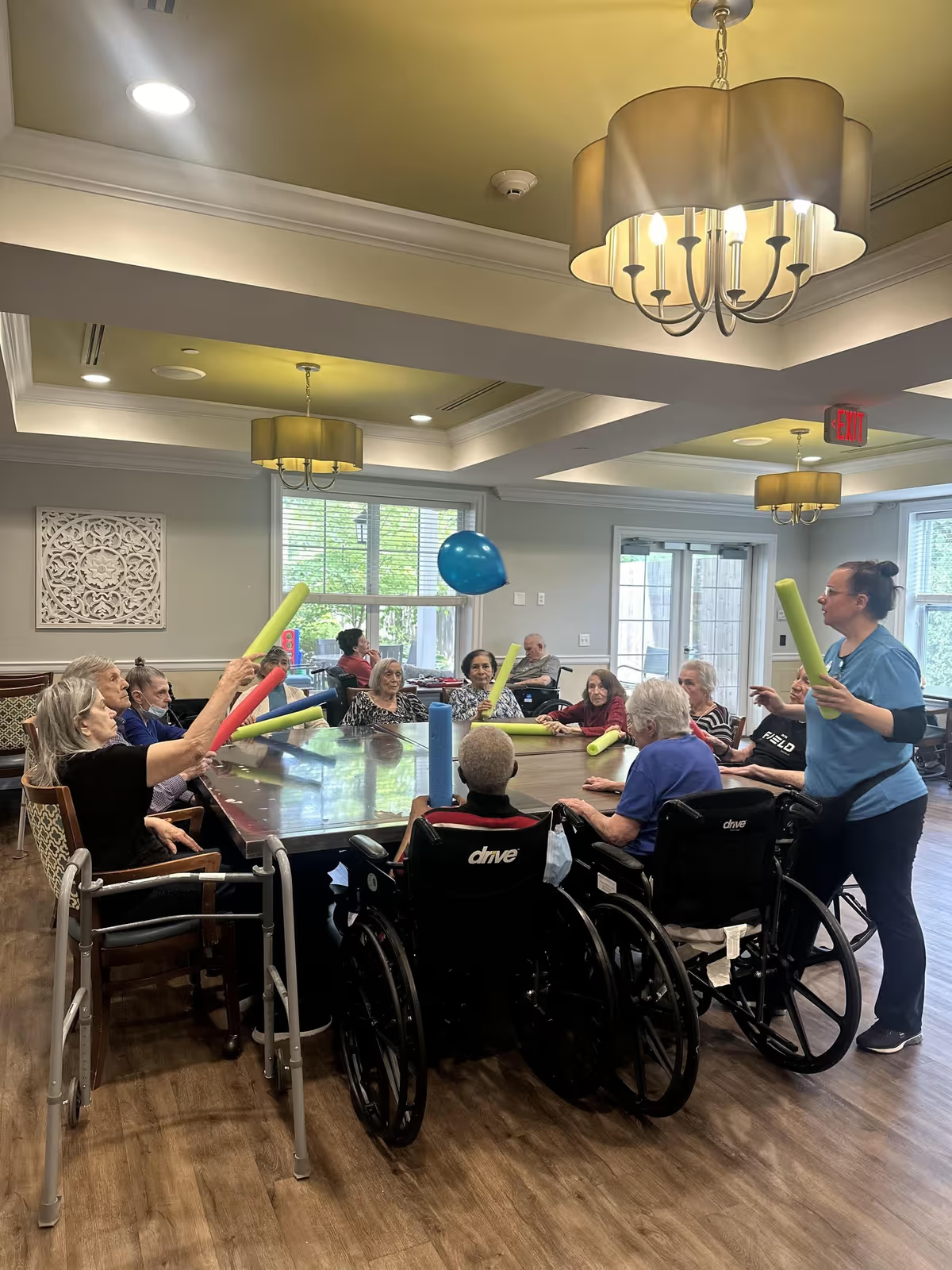
Dining and activities receive generally positive feedback; meals are frequently characterized as higher quality than institutional alternatives and activity calendars are broad. At the same time, engagement is variable — some residents participate enthusiastically while others do not, and a few accounts suggest activity rooms or programs can feel underused or become repetitive for long-term residents. The memory-care unit itself earns praise for dedicated staff and individualized attention, but its small, elongated layout and hospital-like entry are seen by some as less residential.
Families should consider two practical factors: cost and clinical scope. The community carries a premium price point that several families described as substantial, and the facility does not present as a high-acuity skilled nursing center; reviewers indicated limited on-site skilled nursing resources for residents who require more intensive medical care. Location is also relevant — the campus’s rural or remote setting is appealing for those seeking a nature-oriented, serene environment but may be inconvenient for families prioritizing proximity.
Overall, Sunrise of Westfield is characterized by strong interpersonal care, a welcoming physical environment, and robust activity and dining programs. Prospective residents and families would be well advised to tour the memory and assisted-living units in person, ask specific questions about placement and transfer protocols and documentation, confirm preferred communication methods with staff, and verify the availability of higher-acuity nursing services relative to anticipated care needs.