Overall sentiment across the reviews is mixed but leans positive on care and staff qualities while revealing consistent operational concerns primarily around dining, activities and certain aspects of day-to-day management. Many reviewers emphasize the small, home-like atmosphere and the strong, compassionate relationships between staff and residents. At the same time, multiple families reported important service and safety issues that would be relevant for prospective residents to probe further.
Care quality and staff behavior stand out as the strongest theme. Numerous reviews describe caregivers who "bend over backwards," provide 1:1 attention, and treat residents (and families) like family. Staff are repeatedly characterized as caring, compassionate, supportive, warm and informative. Several accounts highlight excellent end-of-life care and comfort, and multiple reviewers explicitly said the team made their loved one happy and comfortable. The Executive Director, Joann, received specific praise, and several reviewers recommended the community for dementia care due to staff experience and a dementia-friendly environment.
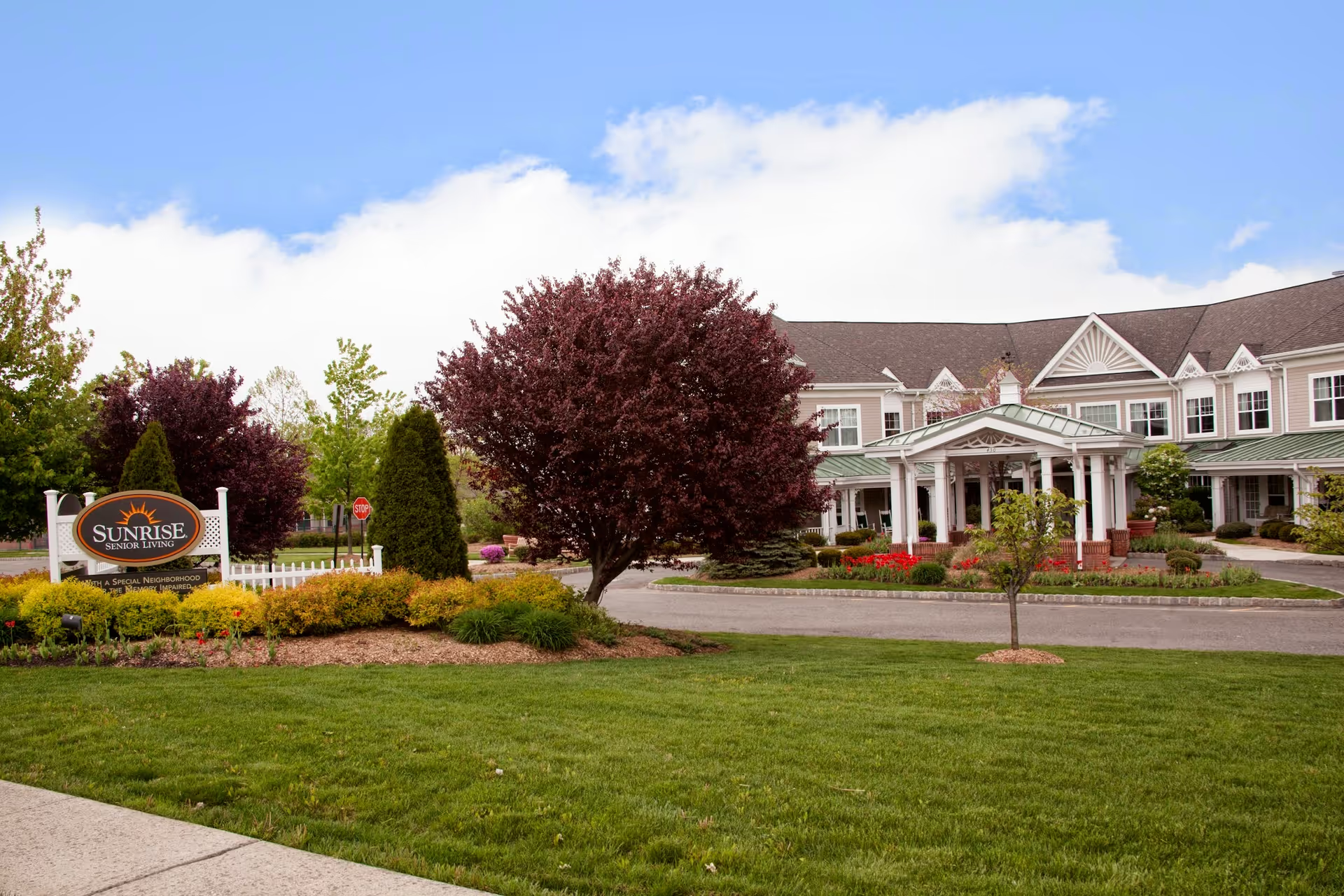
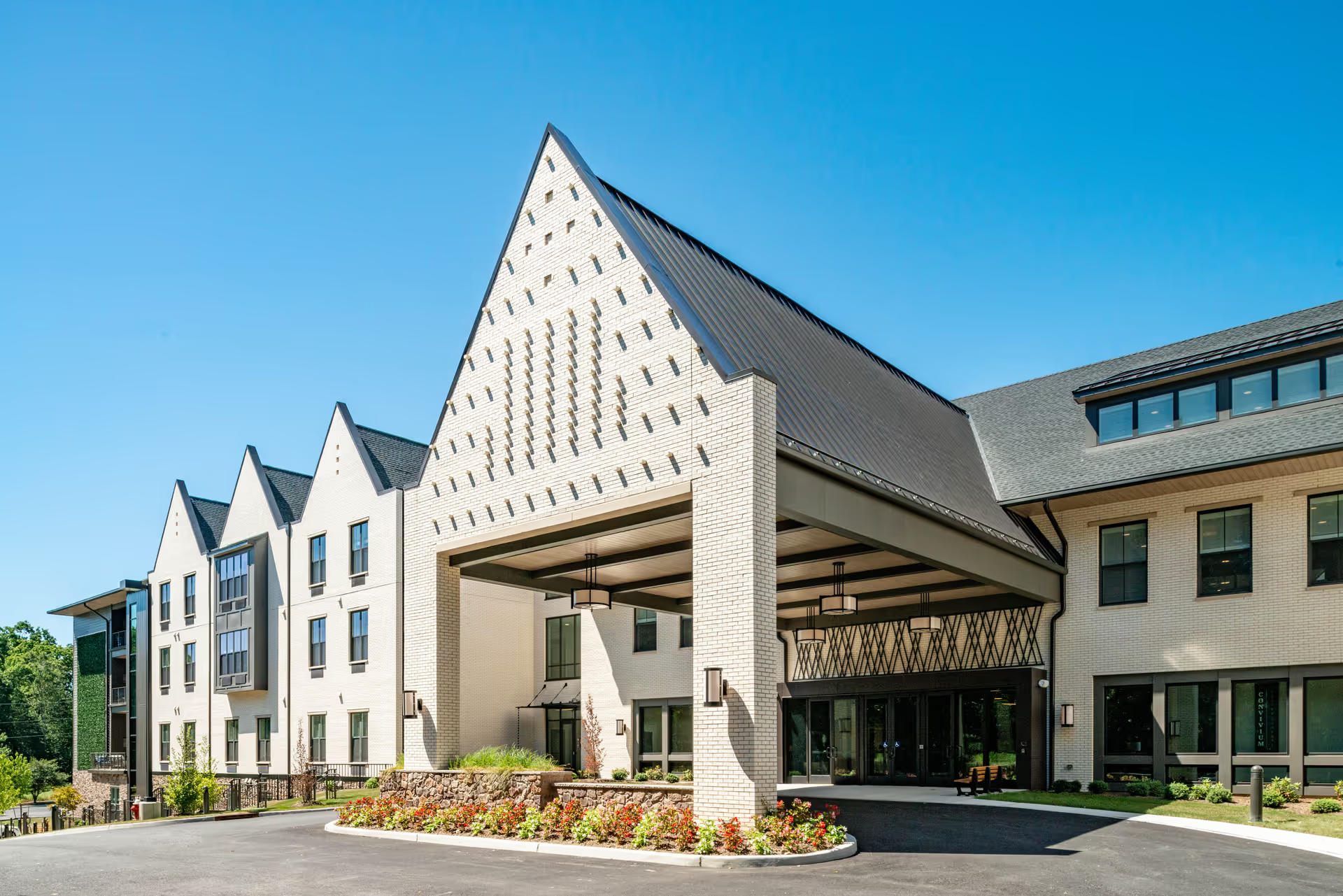
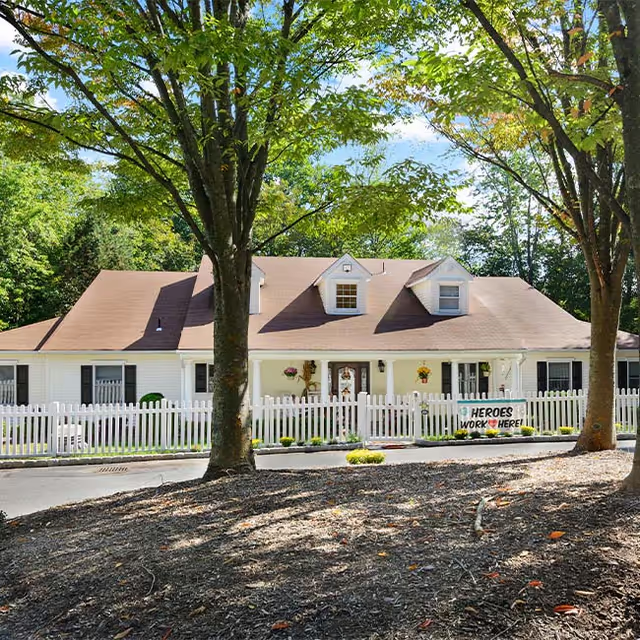
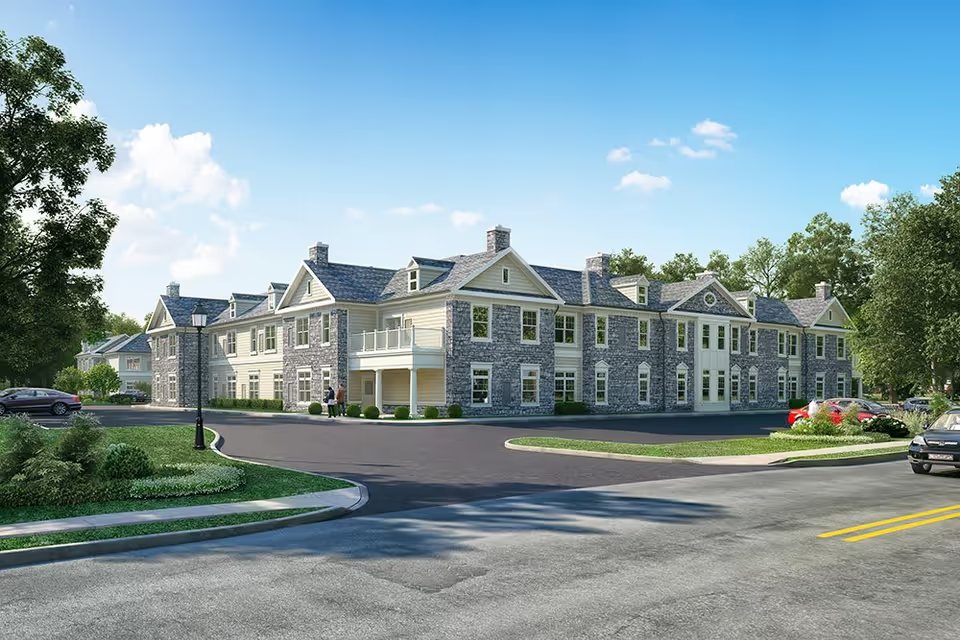
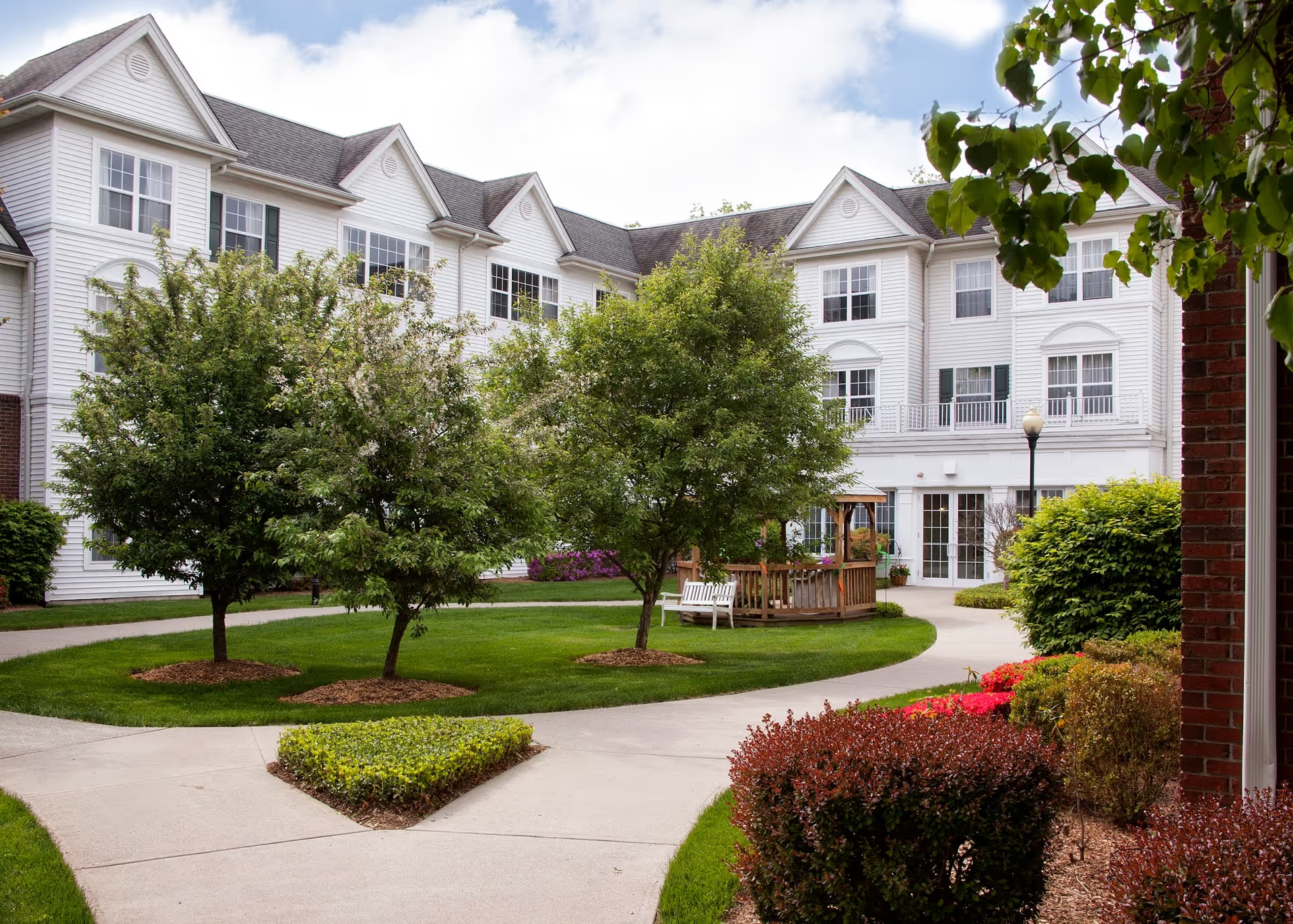
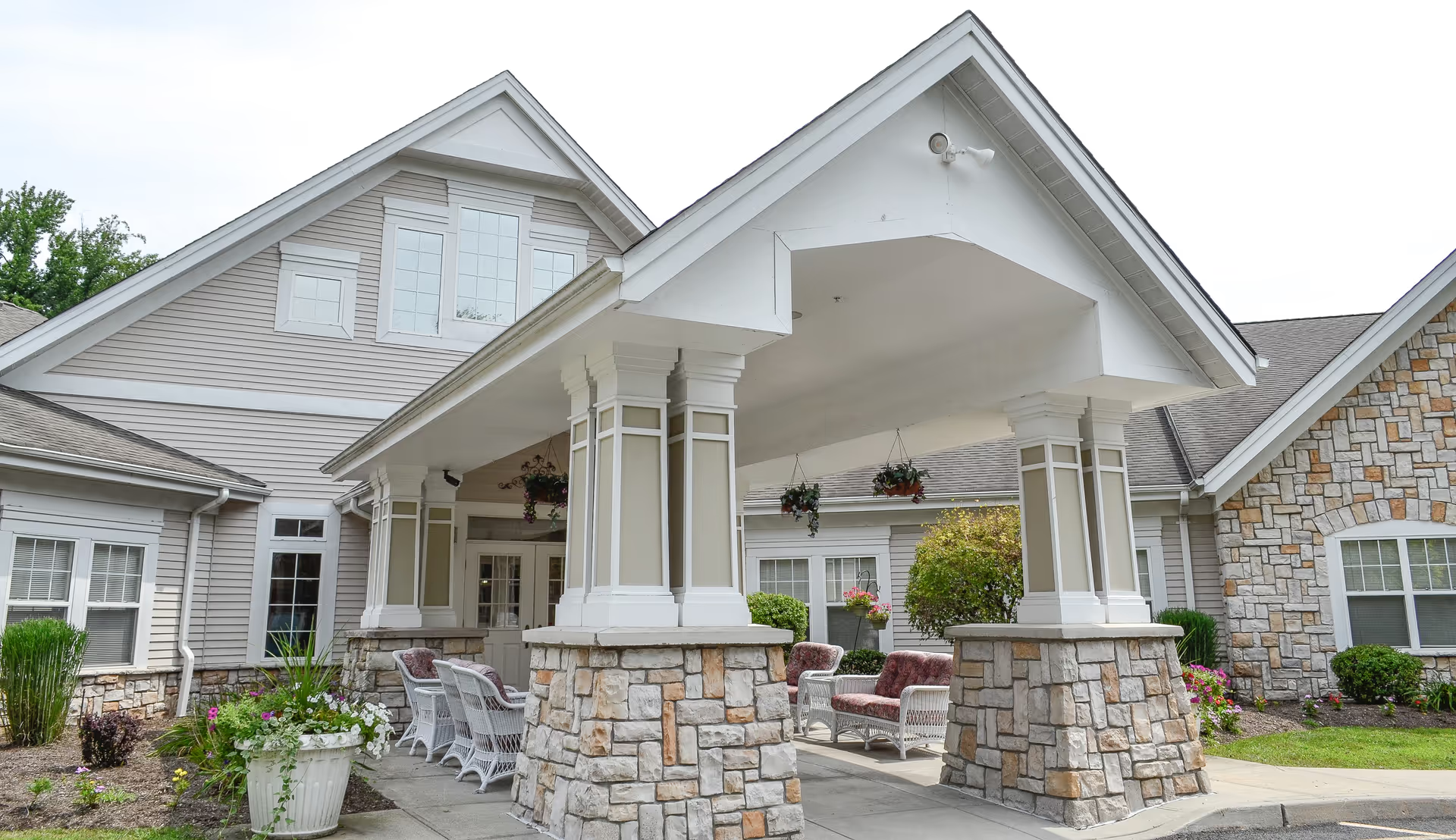
Facility-related impressions are also largely positive. The home is described as clean, attractive, and well-maintained; tours left a good impression for many visitors. The overall size and intimate setting are repeatedly noted as advantages — smaller community, home-like atmosphere, and a welcoming living situation that some families appreciated for memory-care needs.
Dining and activities generate the most consistent complaints. Multiple reviewers called out poor food quality — descriptions include "cheap bread" and reliance on canned foods — though one reviewer noted a recent improvement such as whole wheat bread being introduced. Mealtime environments can be noisy, with reports of loud residents during dinner. Activity programming appears limited in frequency or engagement for some residents; reviewers mentioned not many activities and variable staff involvement with lunch and activities. These issues contribute to dissatisfaction for families who expect more robust dining and engagement services.
Operational and safety concerns appear in several summaries and are non-trivial. There are reports of medication mix-ups, understaffing, not receiving promised services, missing clothing, and wheelchair mismanagement. These problems create trust and safety issues for some families and were tied to complaints about value (dissatisfaction with service relative to price). A few reviewers explicitly said the community was "not a good fit" for their family member, underscoring variability in resident needs and expectations.
A notable pattern is the inconsistency of experience: many families are very happy and strongly praise staff and care, while others report significant service shortcomings. This suggests that resident outcomes may depend on shifting operational factors like staffing levels, individual caregiver assignments, or specific needs of the resident. Prospective families should weigh the strong reports of compassionate, dementia-focused care and a small, home-like setting against recurrent and concrete concerns about food, activities, medication management, laundry/clothing handling, and occasional equipment handling.
In summary, Fox Trail Memory Care Living at Woodcliff Lake receives high marks for staff compassion, individualized attention, end-of-life care, and a clean, small, dementia-friendly setting. However, recurring negative reports about dining quality, limited activities, medication errors, understaffing, missing clothes, and wheelchair handling indicate operational inconsistency. Those considering this community should focus their tour and follow-up questions on staffing ratios, medication management protocols, laundry/clothing procedures, sample menus and meal routines, activity schedules, and how the community handles noise and mealtime supervision to determine fit for their specific needs.