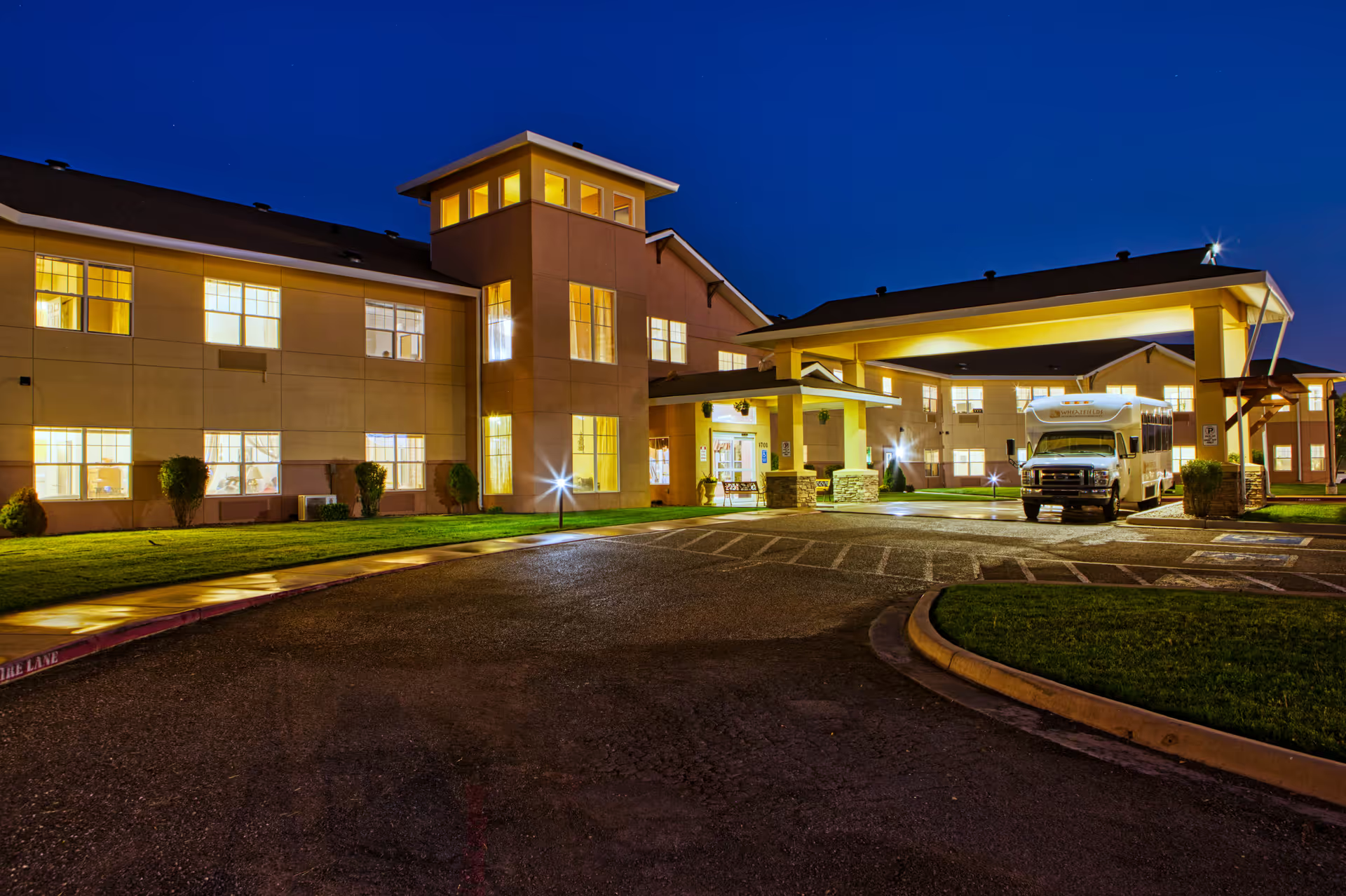
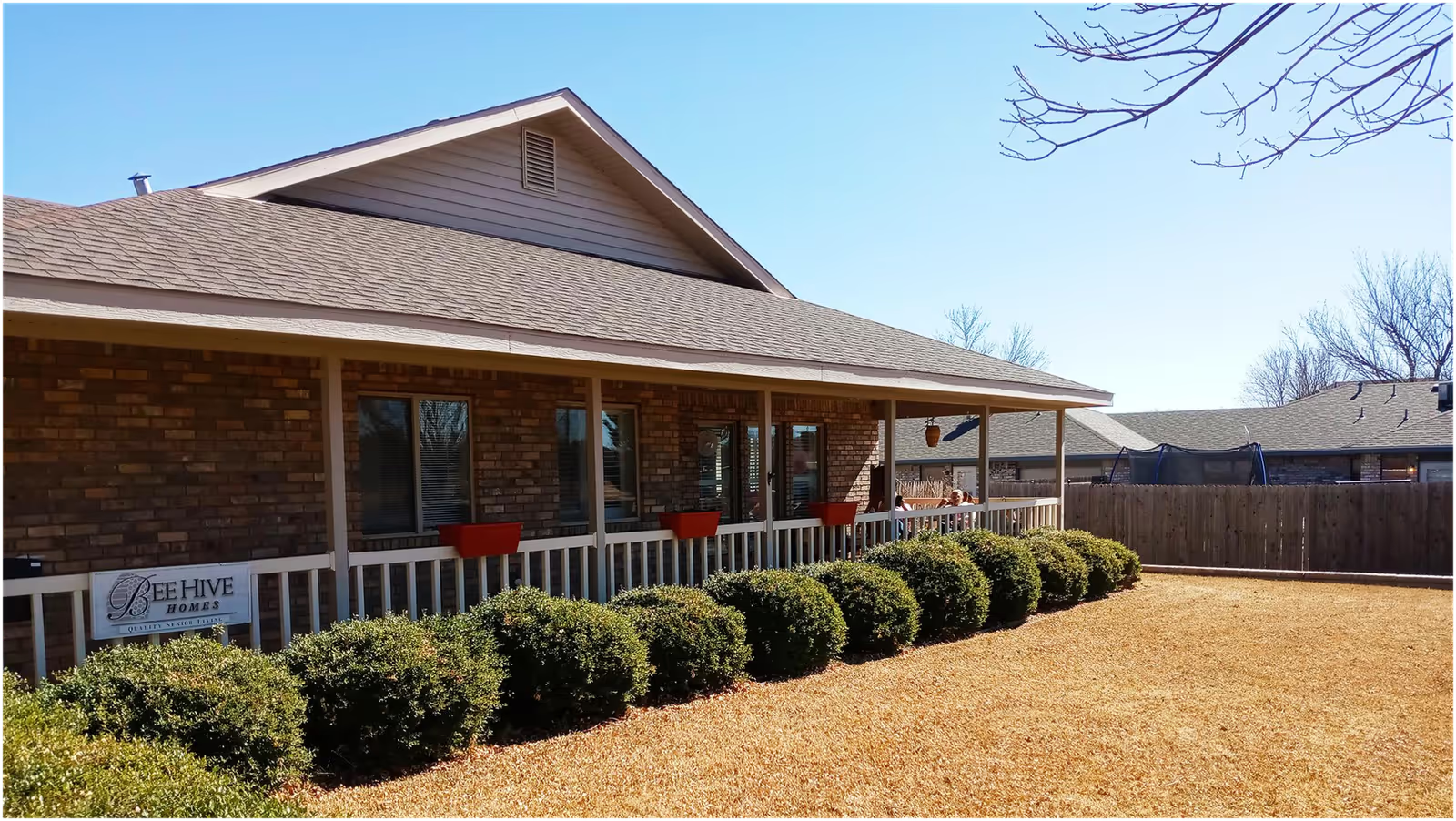
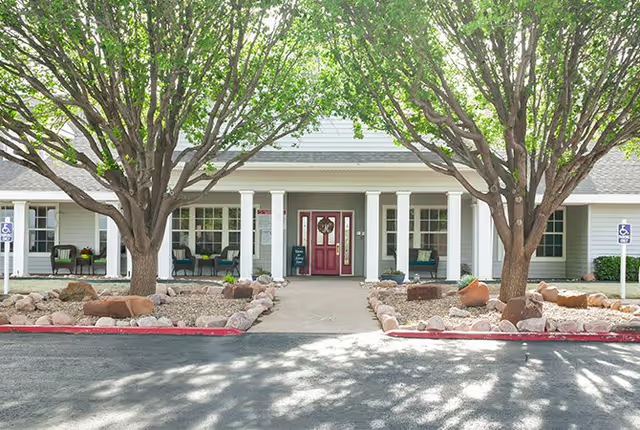
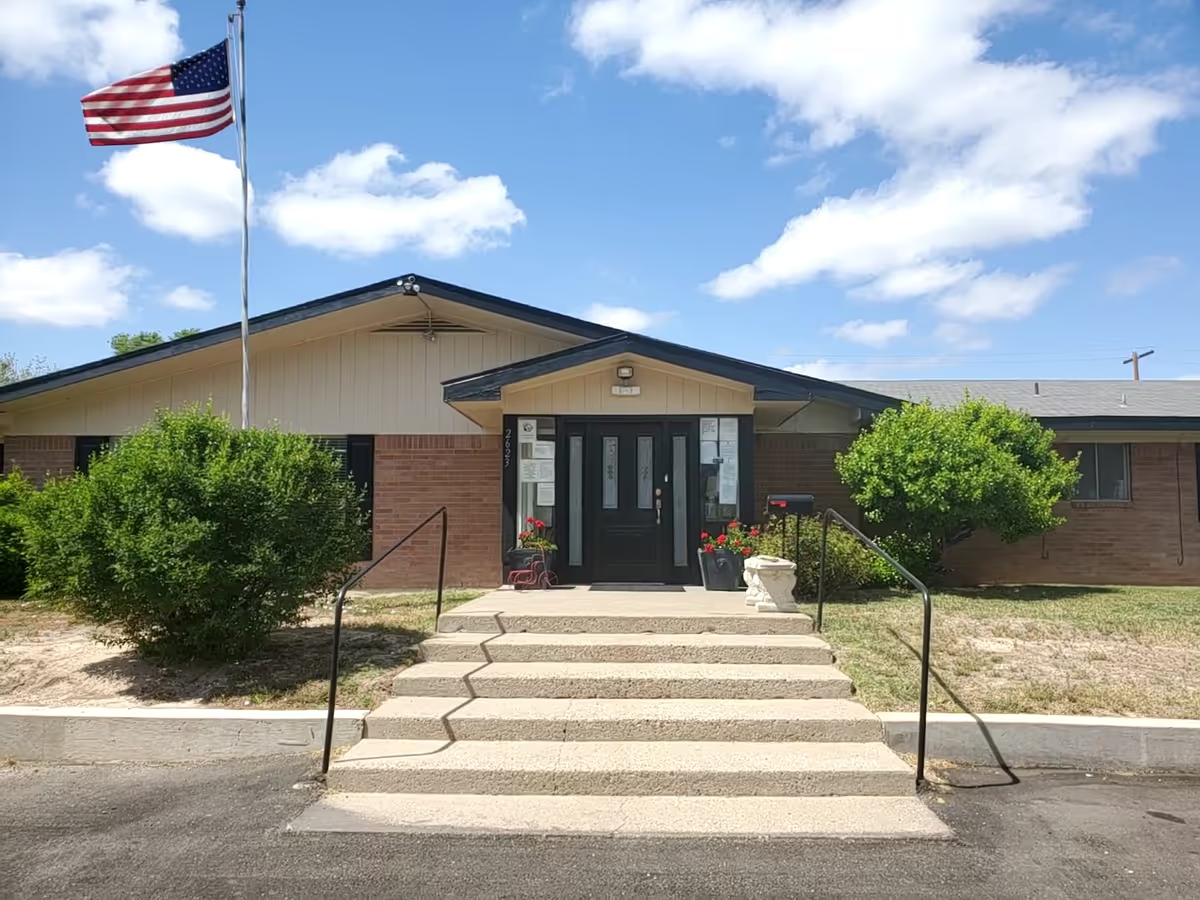
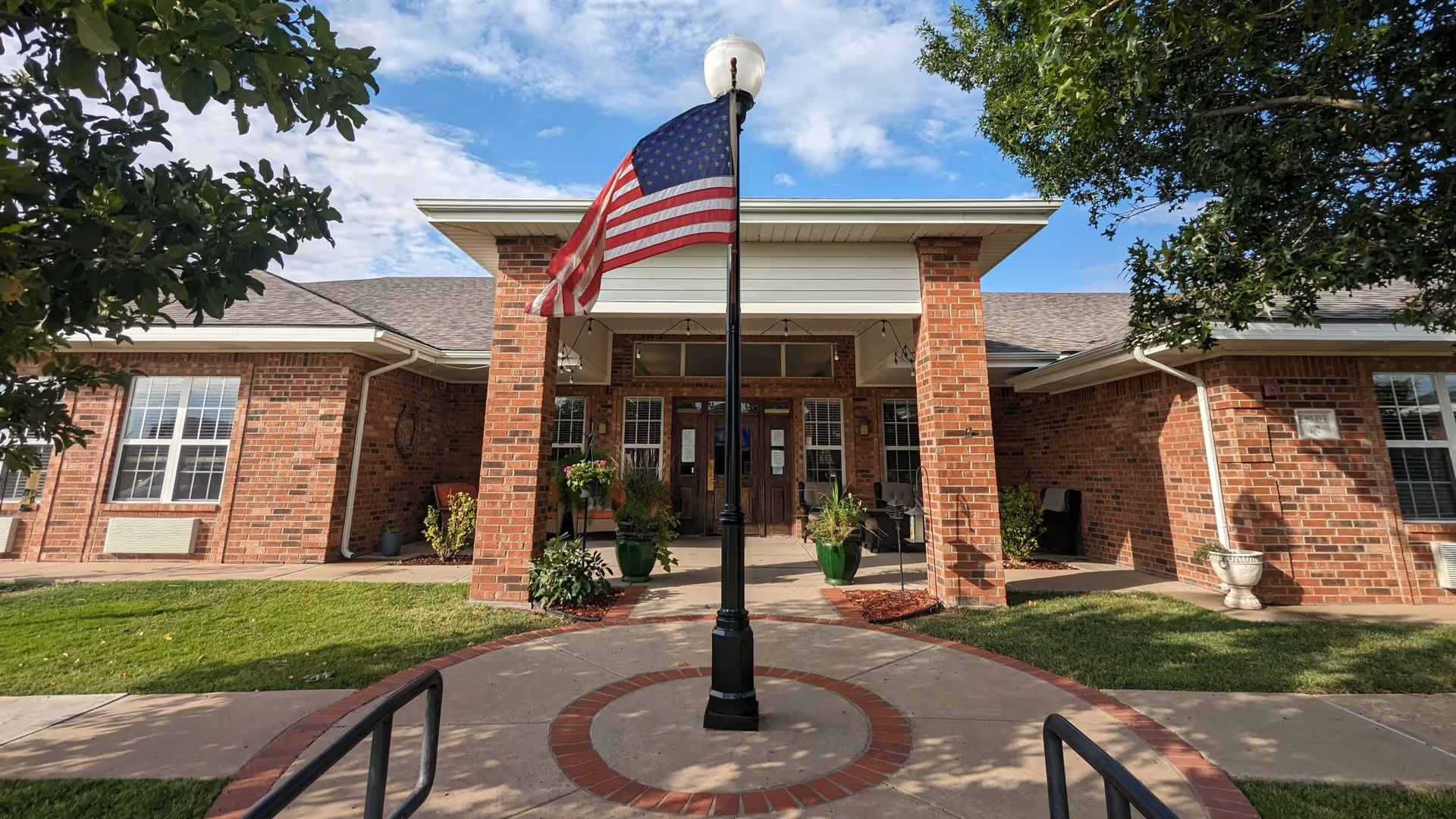
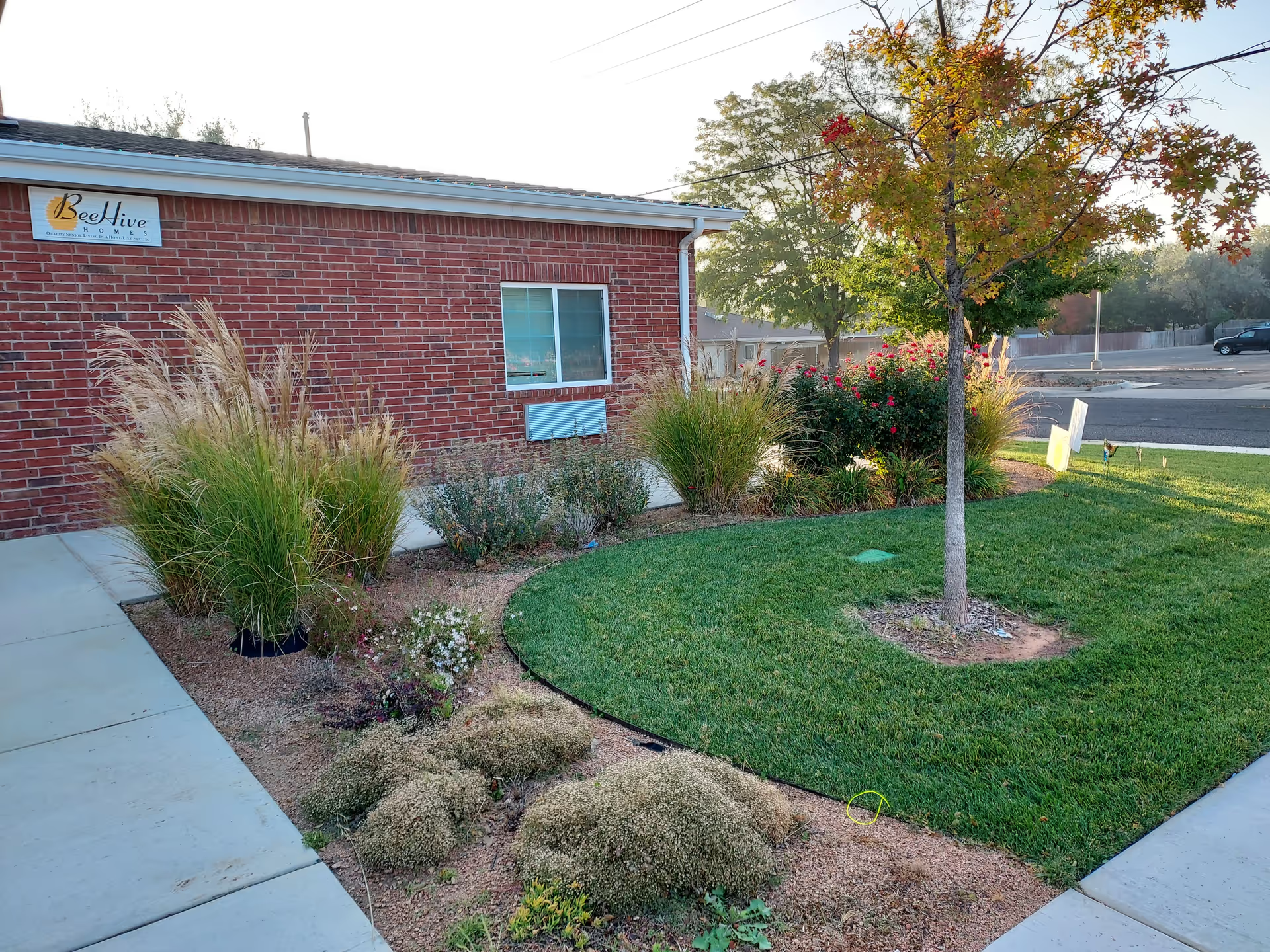
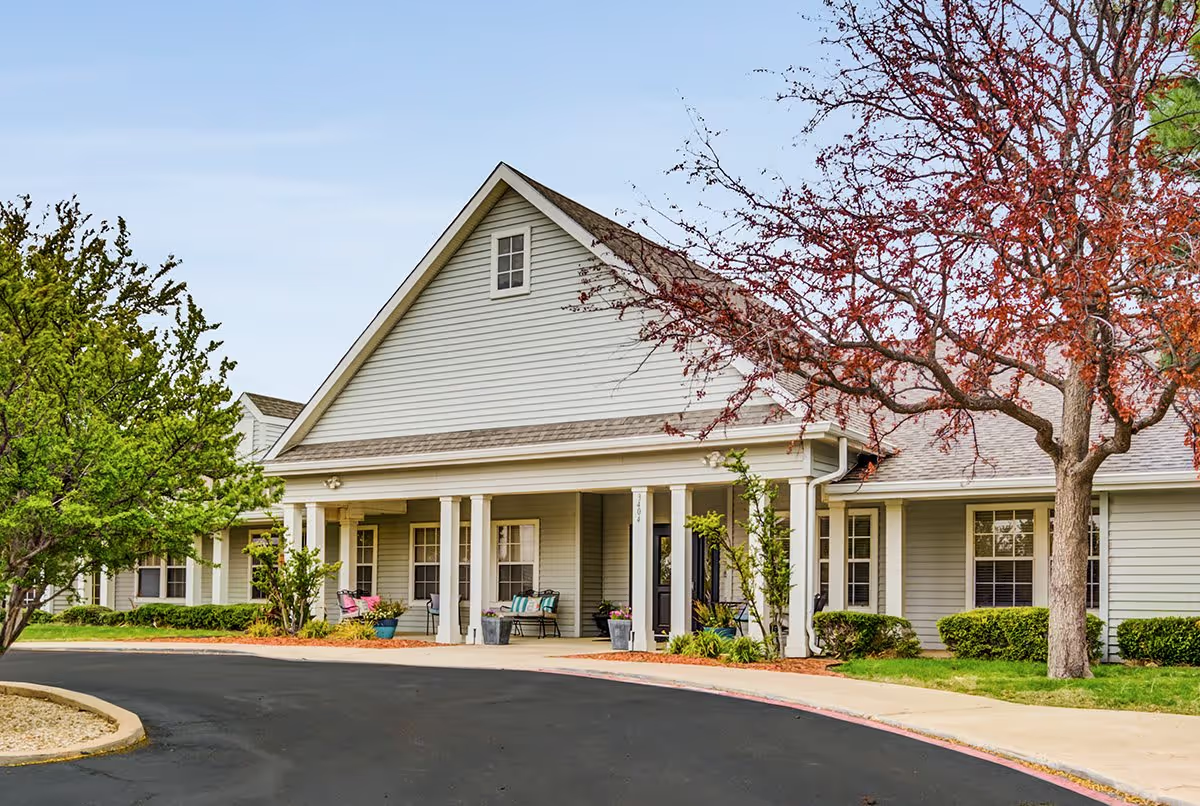
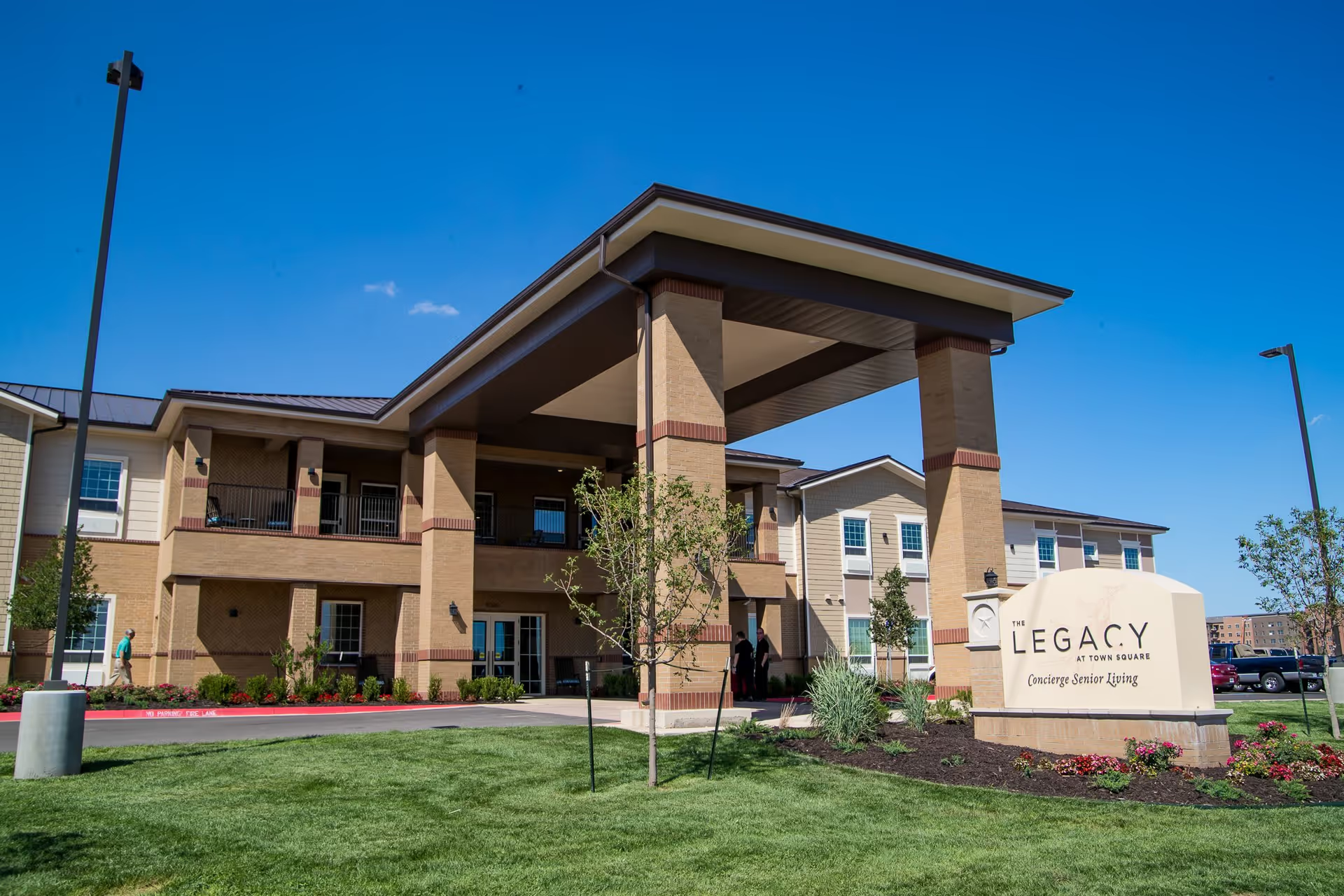
Overall impression: Retirement Ranch is frequently described as a clean, well-maintained skilled-nursing and rehabilitation facility with a broadly warm, home-like atmosphere. Common physical strengths include attractive indoor and outdoor communal spaces (large windows, fireplace, patio, koi pond and waterfall), a well-equipped physical-therapy area, and an on-site beauty salon. Many families cited infection-control practices and a reassuring environment that made them feel secure leaving loved ones in the facility.
Care and staff: The dominant theme across feedback is praise for direct-care staff. Nurses, CNAs, therapists, and specific social-work personnel are repeatedly described as compassionate, patient, and willing to go beyond basic duties to support residents and families. Several reviewers credited the therapy team and nursing staff with measurable functional improvements and timely recoveries. Social-work and care-coordination roles receive particular commendation for advocacy and communication in many accounts.
Dining and activities: Dining is generally viewed positively — reviewers describe a pleasant dining room and meals that are plentiful and well prepared, though a minority of comments note variability in food quality or timing. Activity programming appears robust, with regular offerings such as exercise classes, crafts, music, bingo, storytelling, and sing-alongs that many families see as contributing to residents’ morale and engagement.
Facilities and accommodations: The facility is noted for cleanliness and an absence of typical institutional ambiance, with several mentions of fresh smells and well-maintained common areas. Physical-therapy spaces and outdoor amenities are strengths. Room size and configuration are recurring operational downsides: shared rooms are described as small and more plain, and private rooms carry an extra fee that some families see as a barrier.
Management and operational patterns: Feedback about administration and leadership is mixed. While individual staff members and middle-management are often praised, there are recurrent concerns about administrative responsiveness, accountability, and inconsistent policy application. Staffing shortages and turnover are described in a way that appears to impact continuity of care and occasional responsiveness; reviewers also noted variability in therapy quality and outpatient scheduling. A subset of reviews raises serious concerns following a resident’s death, including allegations of clinical mismanagement in isolated incidents; these claims are significant and warrant further verification through facility follow-up and regulatory records.
Overall recommendation guidance: For prospective families, the facility’s clear strengths are its compassionate direct-care staff, engaging activities, pleasant communal spaces, and rehabilitation capabilities. Key decision points should include confirming private-room availability and costs, discussing care-protocol consistency and communication expectations with administration, and asking about current staffing levels and therapy scheduling. If concerns about clinical incident response or end-of-life management are a primary worry, request documented policies and examples of recent incident handling and family communication to assess how the facility addresses those issues.