San Juan Center elicits a mixed but distinct pattern: many families and short-stay residents praise the caregiving staff and the rehabilitation team, while others describe operational lapses that affect safety and comfort. The facility's physical-therapy and occupational-therapy programs receive consistently positive comments for effectiveness and staff engagement; several accounts credit PT/OT with rapid functional improvement and successful rehab discharges. Activity programming is a clear strength — a broad range of social and spiritual options (arts and crafts, bingo, puzzles, church services) and frequent holiday/community events contribute to resident engagement and satisfaction.
Caregiving staff (nurses, CNAs, therapy aides) are frequently described as warm, compassionate, and hands-on. Many reviews highlight personal assistance with grooming and hygiene, attentive therapists, and helpful support staff such as maintenance and shower technicians. At the same time, there is a recurring operational concern about staffing levels and timeliness: slow response to call lights, delays in assisting residents who need help, and instances where clinical monitoring (vitals, medication administration) was inconsistent. These operational gaps extend to transfer and fall-prevention practices and to some aspects of pressure-injury prevention and turning protocols.
Dining and nutrition receive mixed feedback. The dining room and grab-and-go snacks are appreciated, and several families note pleasant meals and accommodating staff. However, there are multiple accounts of inconsistent fulfillment of dietary requests, including specialized diets, and occasional communication breakdowns between clinical and dietary teams. Visitors generally find the facility welcoming for guest meals, but prospective residents who require strict dietary management should confirm accommodations in advance.
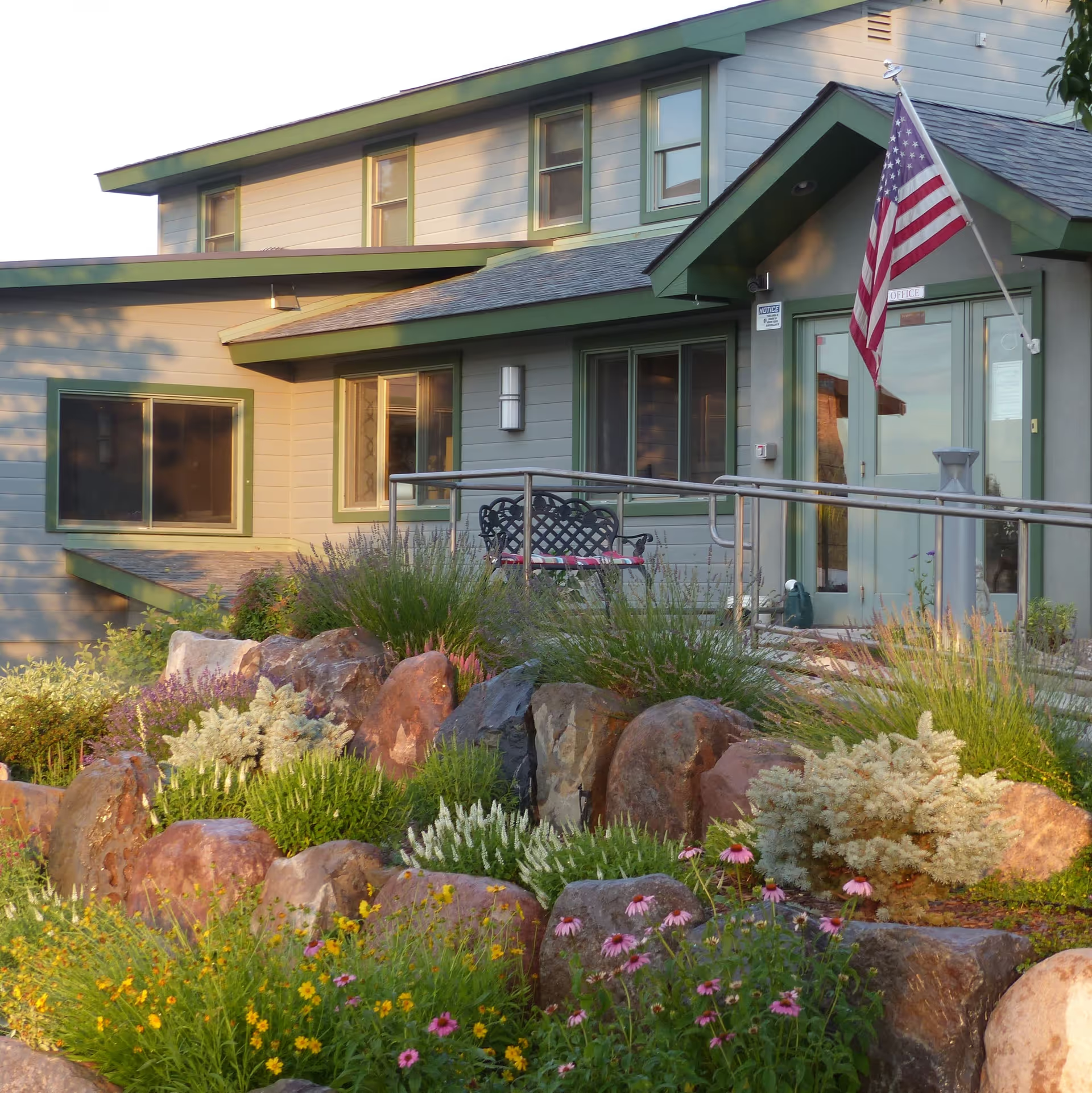
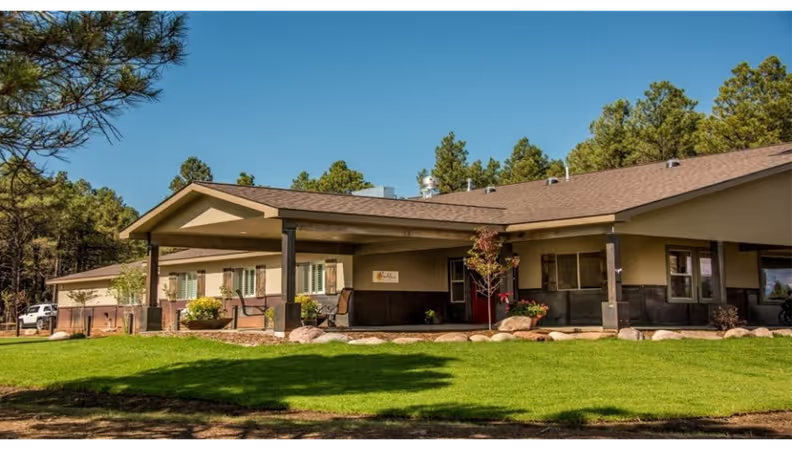
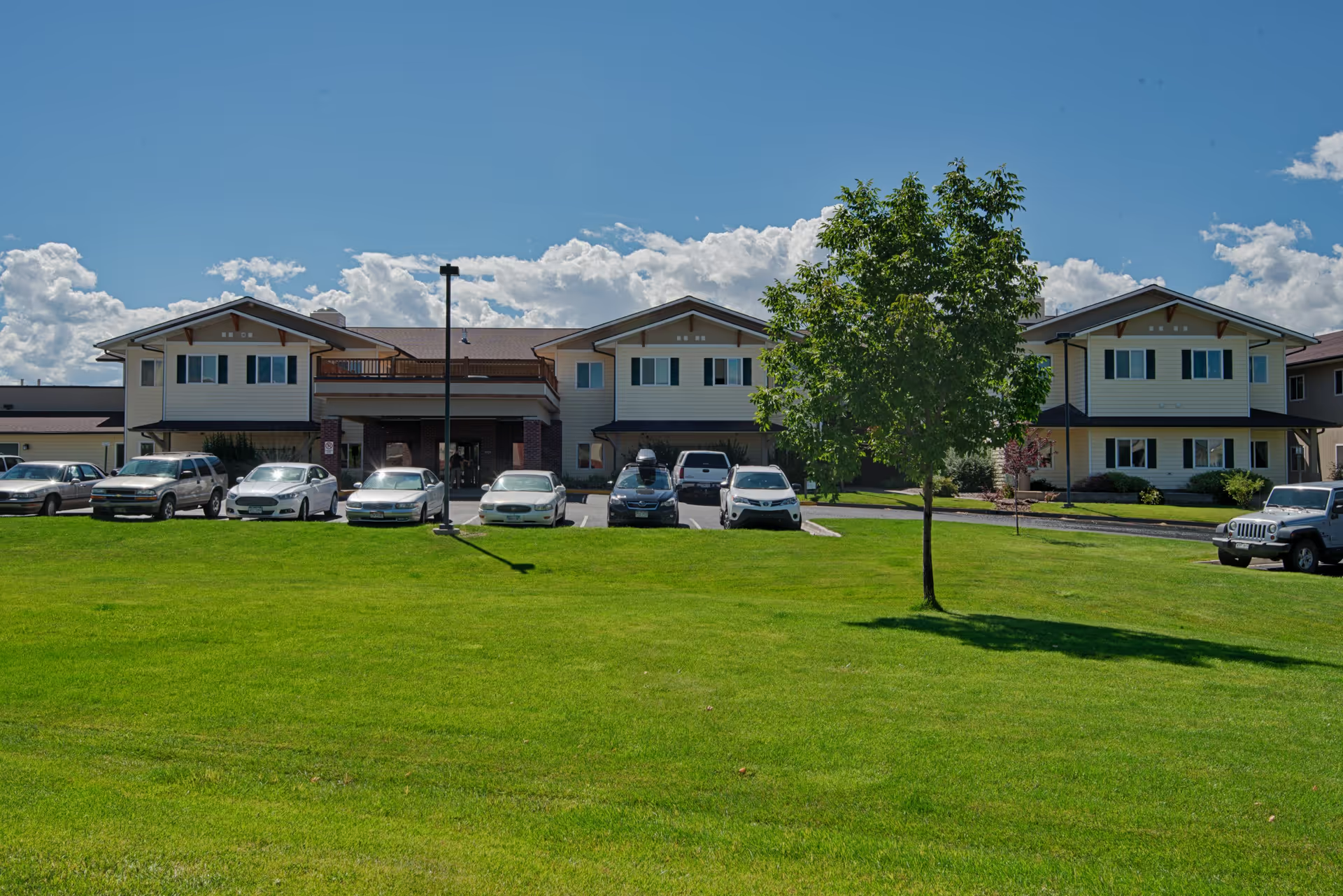
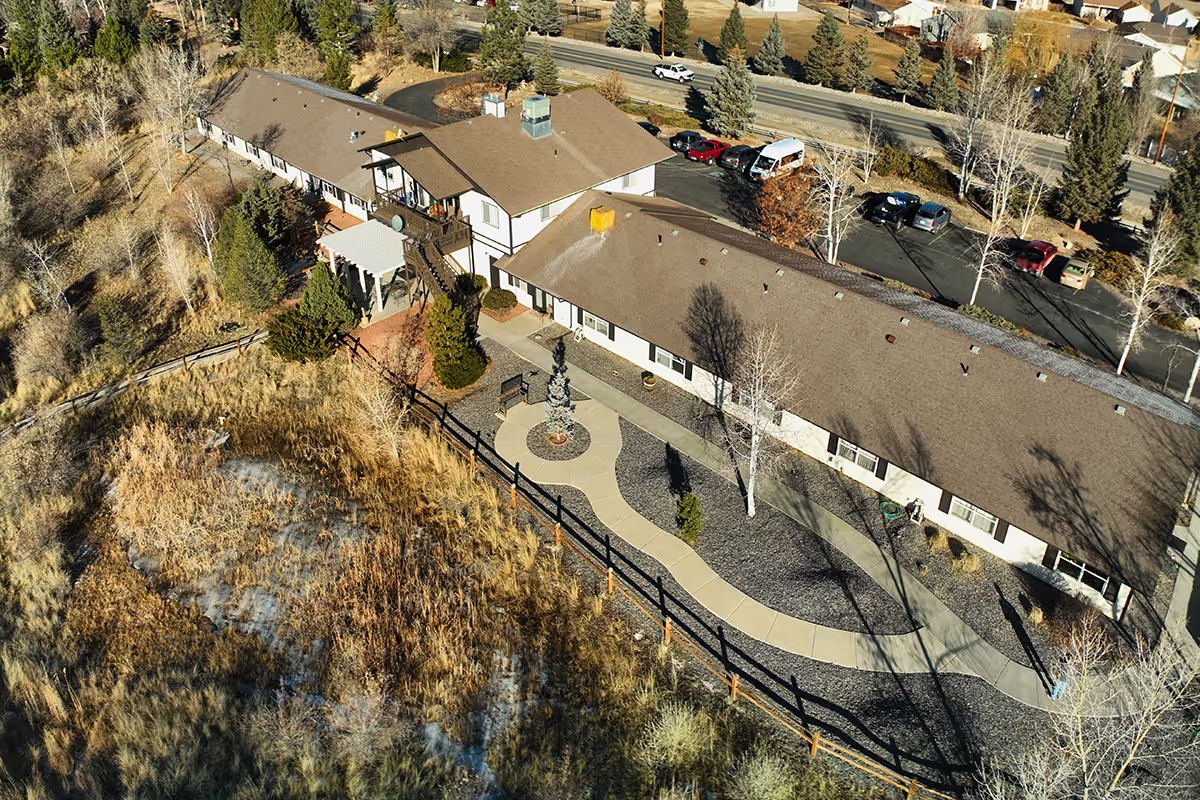
The physical environment is described in contrasting terms. Many reviewers praise clean common areas, a pleasant main hall, and secure entry with attractive outdoor spaces and a patio. Conversely, an aging building and outdated equipment (old beds, broken furniture in some units) are recurring themes; shared rooms and limited privacy are also cited as concerns. Parking and site access are mentioned as inconvenient or constrained in multiple accounts.
Management and administration show variability. Some families commend helpful, responsive administrators and thorough discharge planning; others describe administrative barriers to transfers, brusque communication at intake, or slow social-work follow-up. Communication with families about clinical incidents and discharge logistics is uneven: when it works, families feel well-informed; when it does not, frustration and difficulty coordinating moves or follow-up care are common.
Notable safety and conduct concerns appear in a minority of accounts and should be treated seriously. There are allegations of concerning staff conduct and resident injury, along with reports of missed clinical checks and medication lapses. These reports amplify the broader themes of inconsistent staffing and communication. Prospective residents and families should balance the facility's strong therapy and activity offerings against these operational weaknesses. Recommended next steps before placement include an in-person tour, questions about staffing ratios and response times, verification of dietary and property-management procedures, and clarification of protocols for clinical monitoring, incident reporting, and discharge coordination.