The reviews present a mixed picture of Red Rocks Care Center: many families praise the staff and rehabilitation outcomes, while others describe significant operational problems that affected clinical care and the resident experience. Positive commentary centers on individual caregivers and therapy staff who provide compassionate, hands-on support; several reviewers specifically named therapists and CNAs who helped residents regain strength. Families also highlighted clear communication from clinical teams and management, flexible visitation arrangements (including video and window options), and meaningful activities and holiday programming that contribute to a welcoming atmosphere.
Care quality is described in both favorable and critical terms. Strengths include attentive nursing and CNA support, successful short-term rehabilitation, and coordinated input from therapists and physicians. However, a recurring operational concern is inconsistent clinical monitoring and incident-response practices. Reviewers cited delays in staff attending to call bells and variability in the availability of therapy sessions, suggesting uneven execution of care plans across shifts. There are also concerns related to infection-prevention practices and clinical surveillance following acute events; these comments indicate an area that families expect clearer protocols and more consistent follow-through.
Staff and interpersonal interactions are a relative strength overall: many reviewers used words like caring, respectful, and knowledgeable to describe nurses, CNAs, social workers, and front-desk personnel. The facility benefits from staff who create a home-like, personalized environment, and named staff members received particular praise for their communication and empathy. At the same time, some families described problematic staff conduct and a harsh communication tone from specific personnel; this creates a polarized impression and suggests variability in staff training and supervision regarding family communication and de-escalation.
Dining and activities receive mixed feedback. The activity program and availability of an activity room are consistently noted as positive features that support resident engagement. Food quality was more variable: reviewers mentioned both satisfactory meals and concerns about menu variety and the need for more fresh fruit and vegetables. Operationally, meal-service continuity and menu variety appear to be areas for improvement.
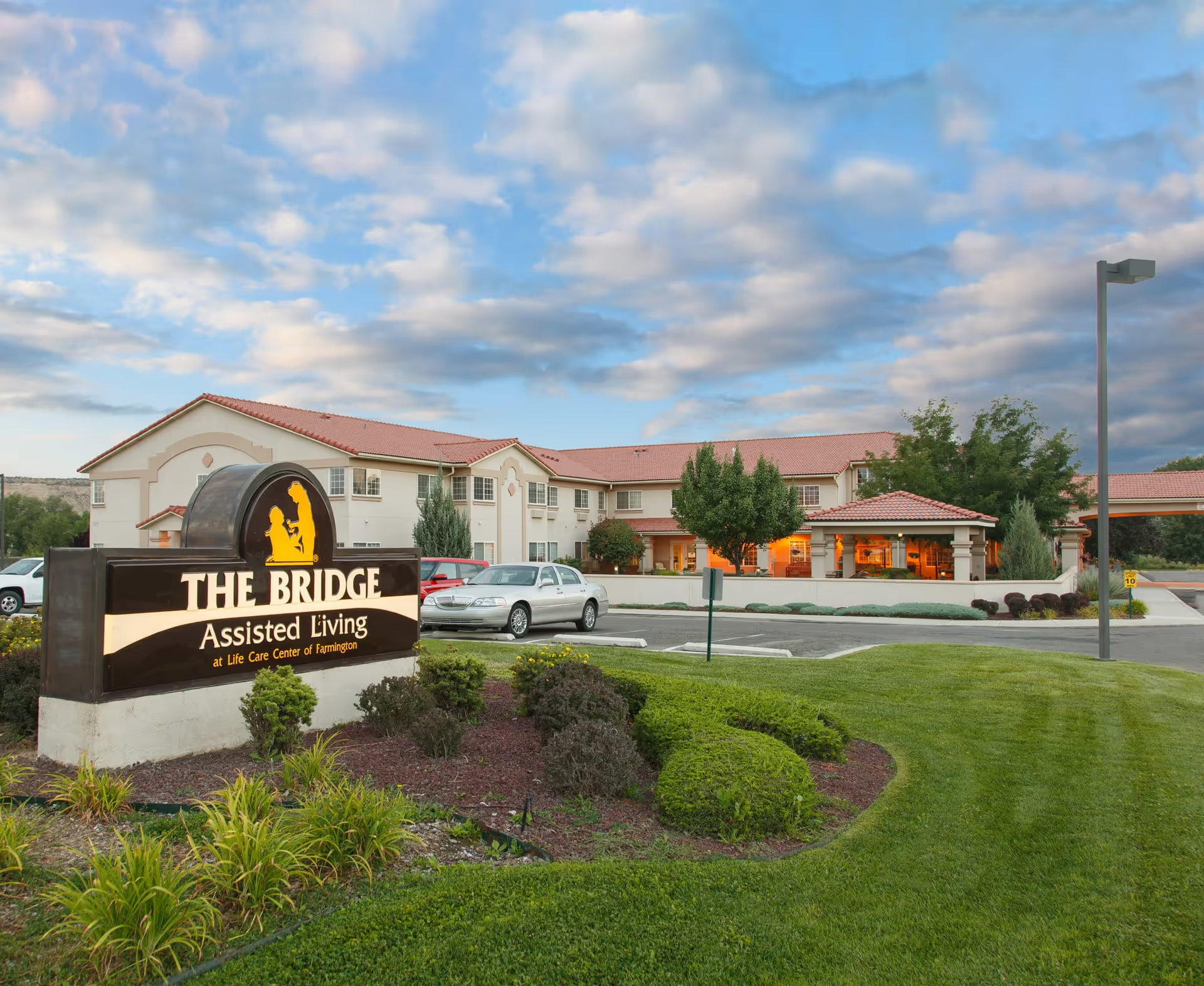
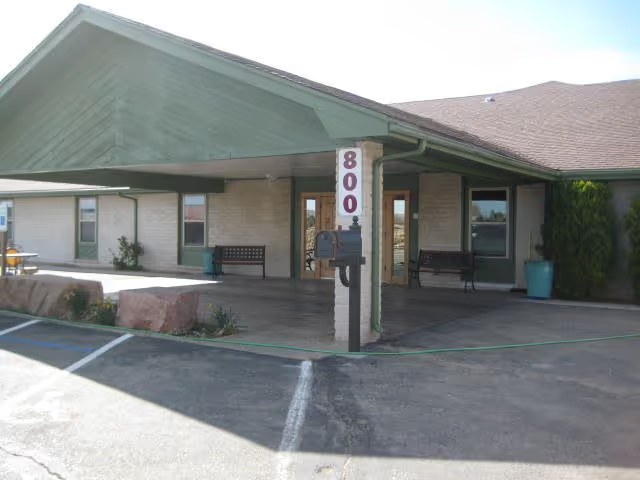
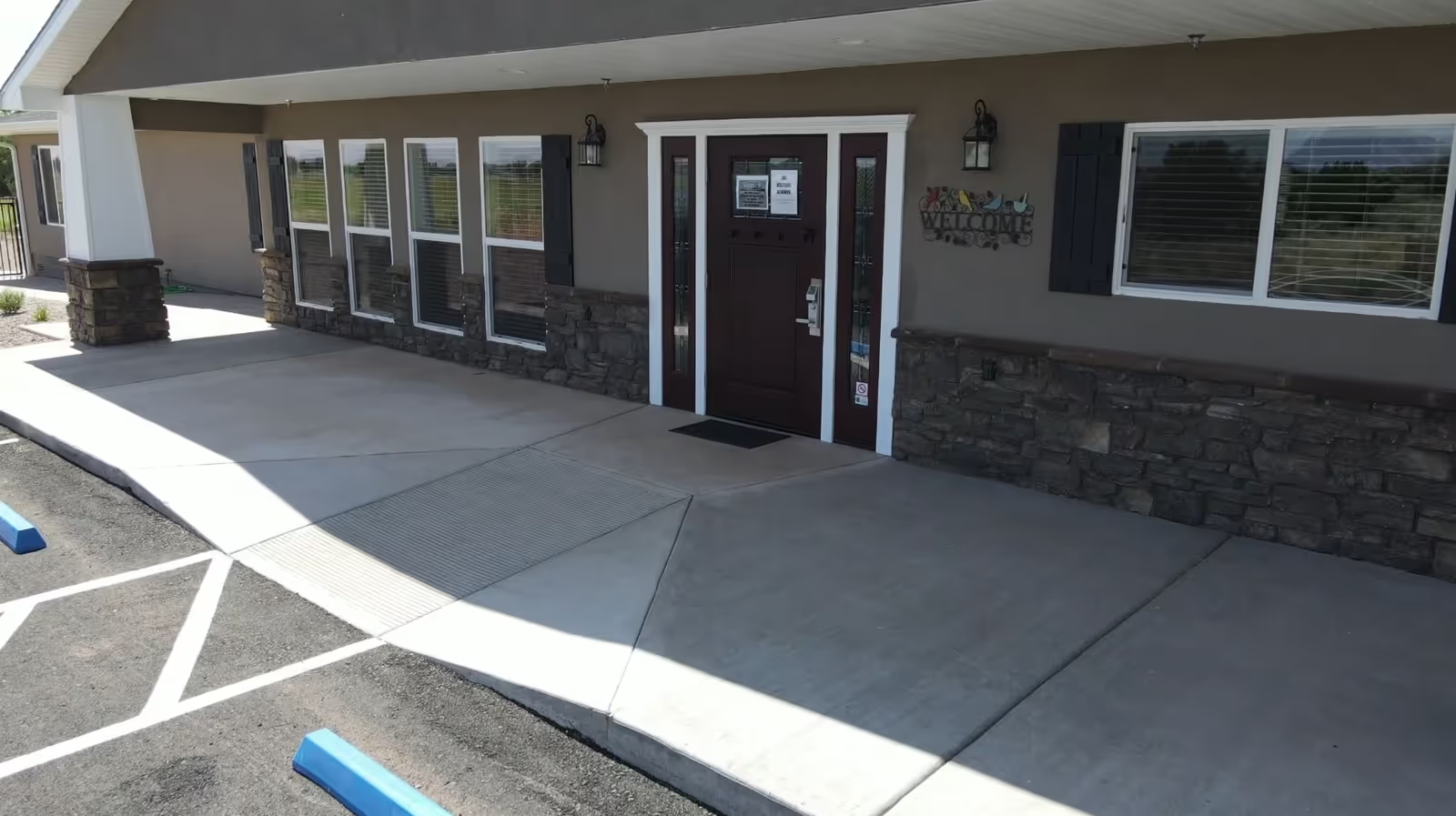
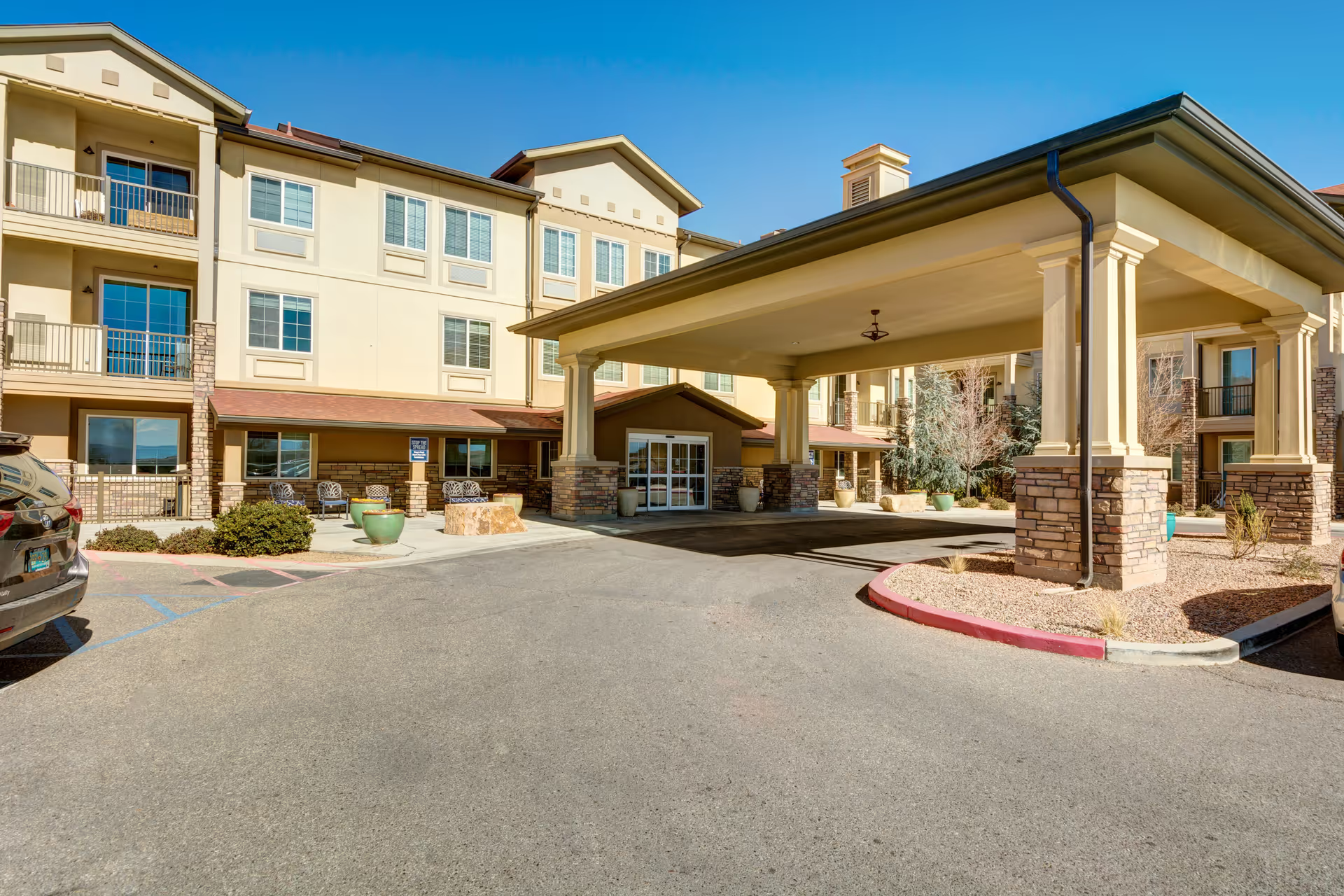
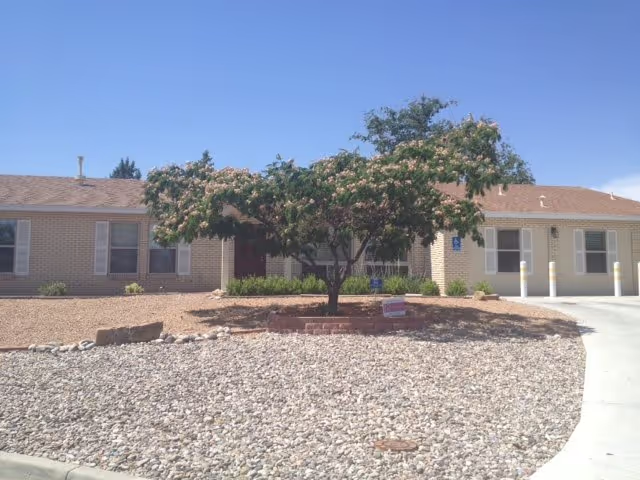
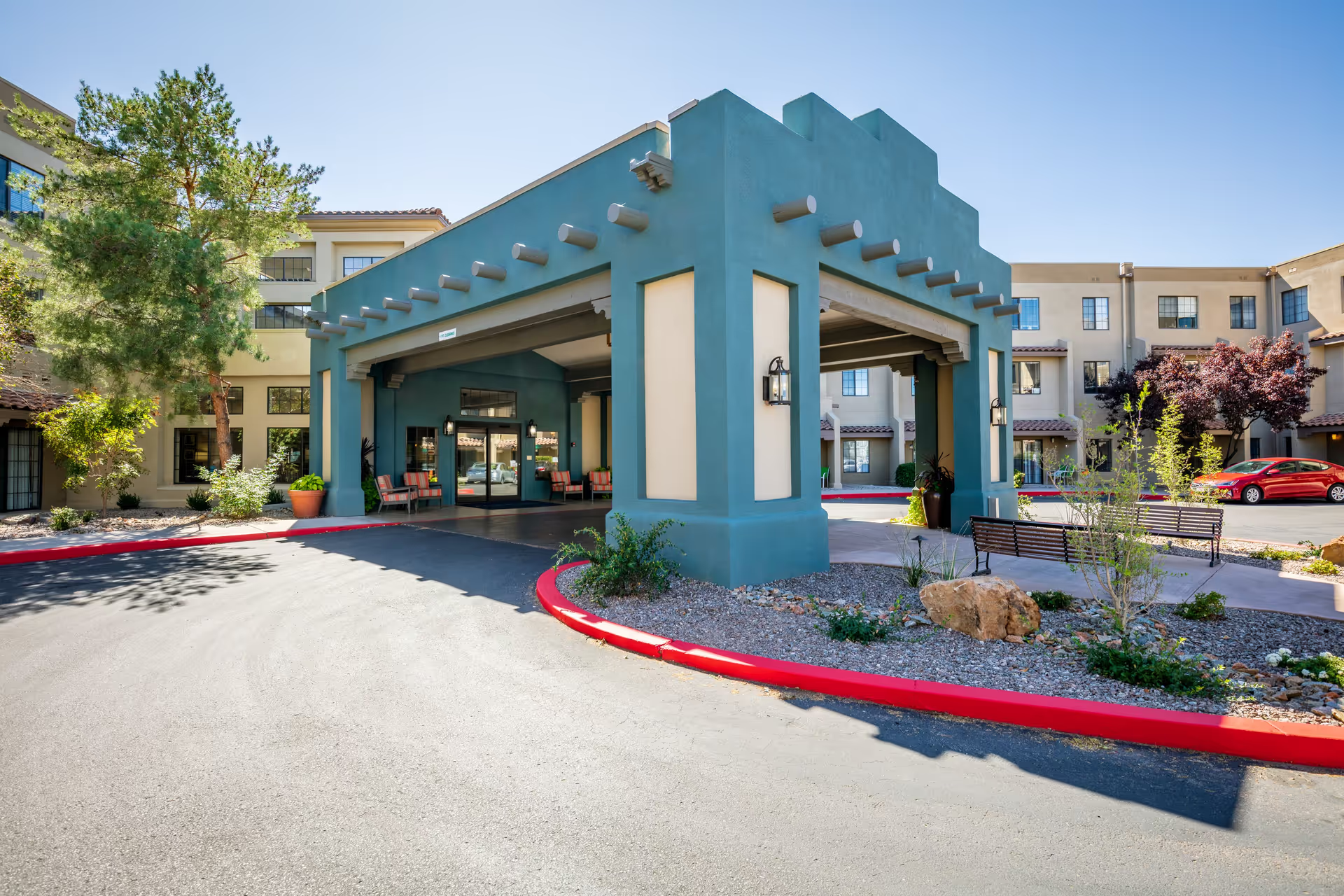
The physical environment shows clear contrasts. Many reviewers reported clean rooms and common areas, benefiting from staff attention. At the same time, the building and furnishings are frequently described as outdated, with broken furniture and limited in-room amenities noted in some accounts. Temperature control and ventilation problems, and a sense of overcrowding at times, were also raised; combined with remarks about funding shortages, these observations point to capital and maintenance constraints that influence resident comfort.
Management and system-level patterns are mixed. Positive attributes include an energetic, hands-on manager and staff who strive to compensate for resource limitations. Families appreciated proactive outreach and informative responses from certain administrators. Conversely, there are operational gaps around front-desk processes, visitor check-in consistency, property management, and standardized incident communication. Taken together, the reviews suggest a facility where committed staff deliver valuable personal care but where systemic issues—older infrastructure, staffing variability, inconsistent clinical monitoring, and resource constraints—periodically undermine reliability. Prospective families should weigh the facility’s strong interpersonal care and rehabilitation capabilities against these operational concerns and, if possible, ask management about staffing ratios, infection-control protocols, therapy scheduling, and plans for environmental improvements.