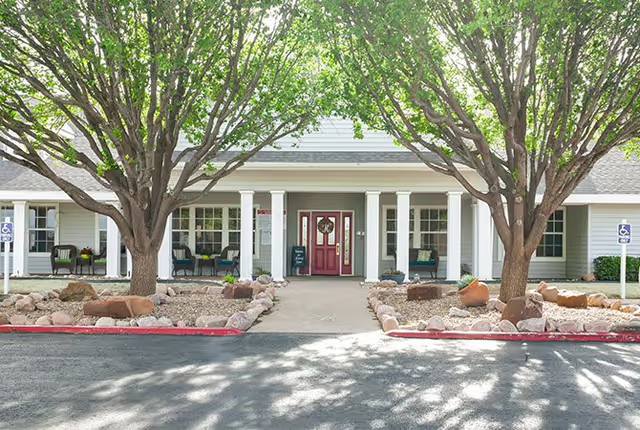
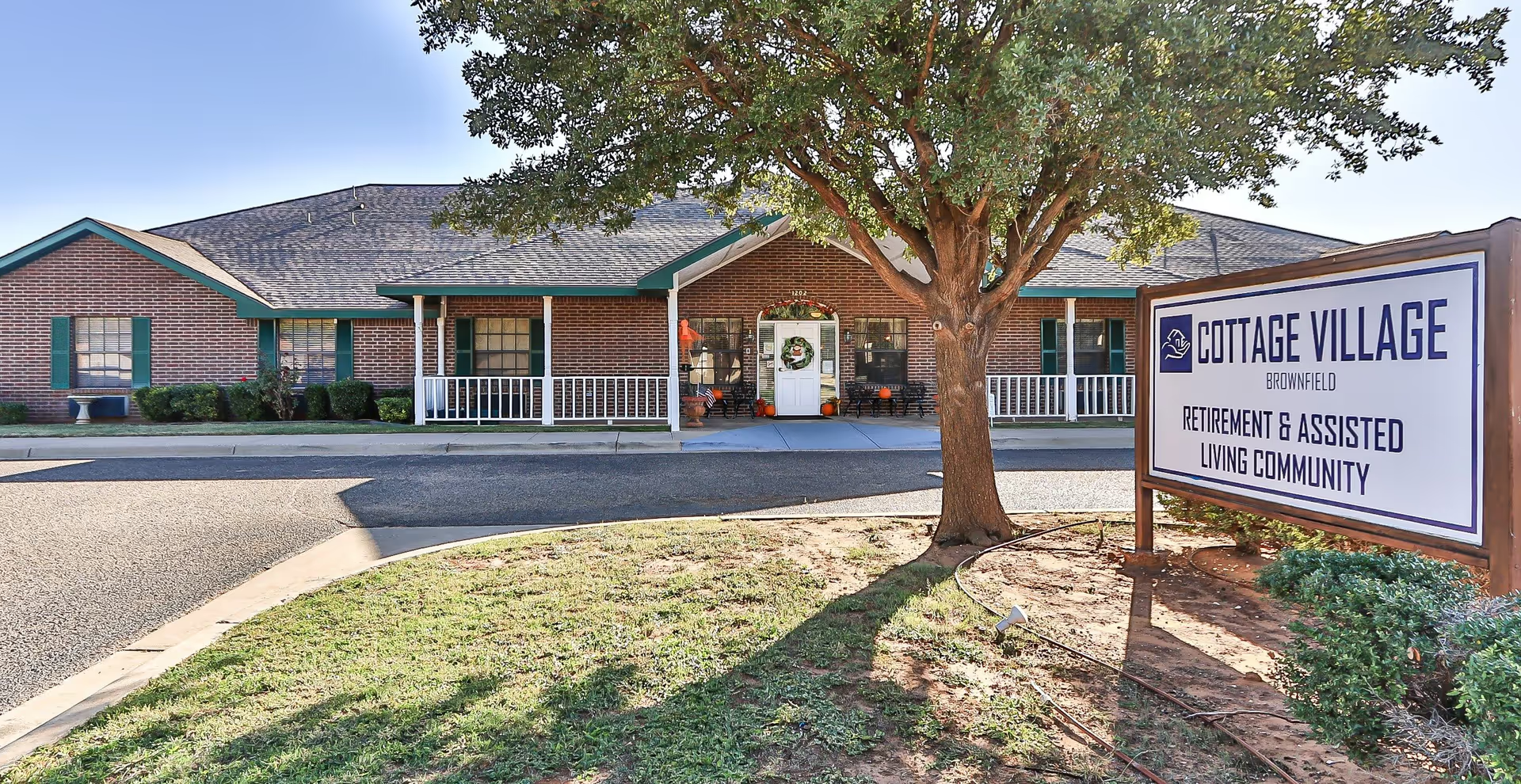
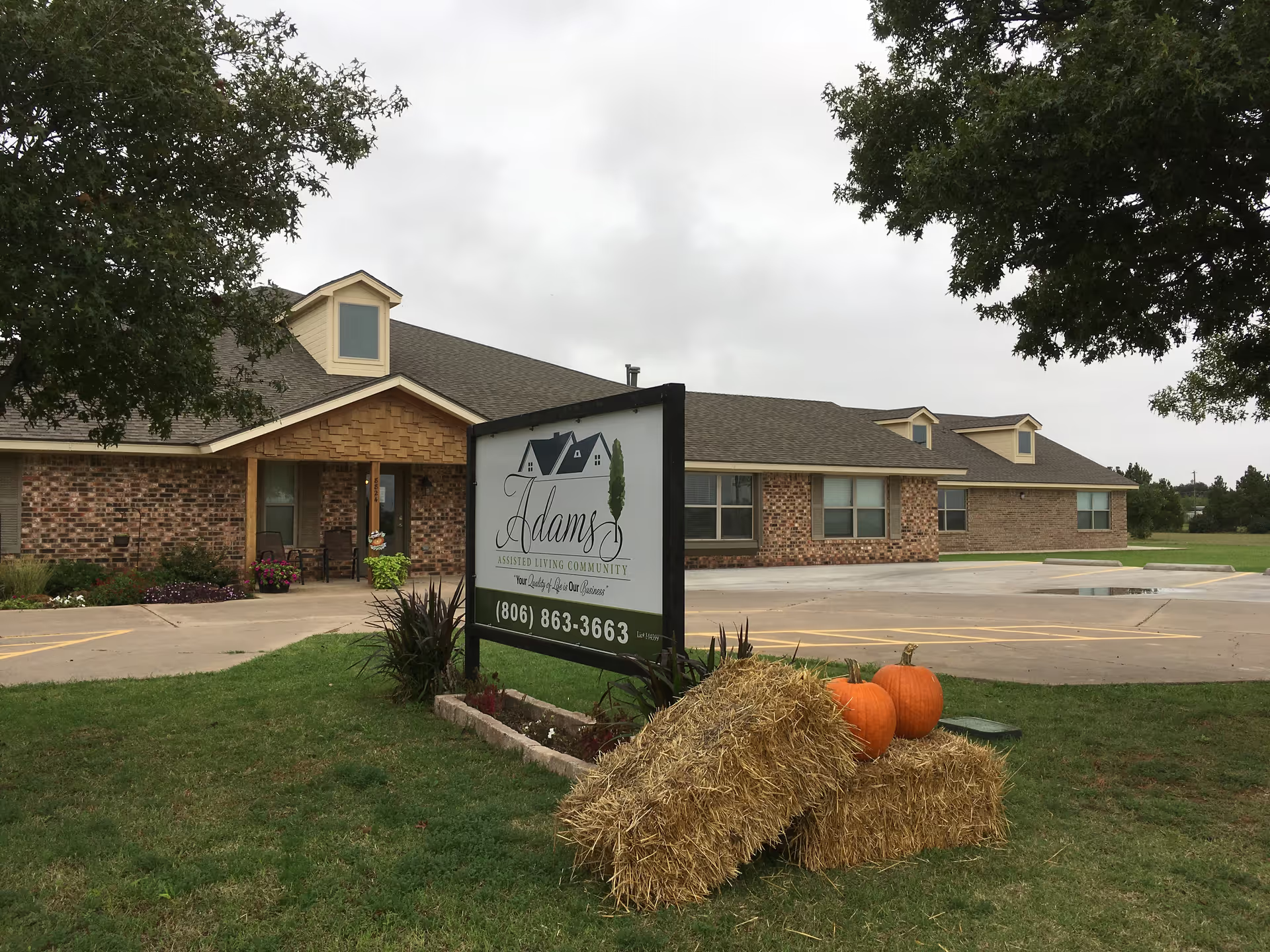
Peachtree Village presents as a small, faith‑based independent living community with a strong emphasis on relational caregiving and resident wellbeing. Reviewers consistently describe staff as compassionate, patient, and responsive; many note that employees and management go beyond routine duties to support residents and families. Director involvement and clear communication with family members are frequently highlighted, contributing to a sense of safety and peace of mind for relatives. The facility’s COVID‑19 infection‑control measures were also described as proactive and effective.
Dining and daily services are central features. The community provides three home‑style meals daily with entrée choices and a dining room that functions as a social hub. Housekeeping, laundry services, and weekly apartment cleaning are standard. Several comments praise the food as delicious and nutritious; a minority indicate occasional variability in meal quality, suggesting some inconsistency in culinary execution rather than a systemic absence of dining service.
Programmatically, Peachtree Village offers a wide range of scheduled activities — card games, bingo, music, arts and crafts, Bible study, and holiday events — and promotes an engaged social environment. The community’s small size (approximately 65 residents) supports a family‑like atmosphere and easy social integration, while on‑site amenities such as a beauty shop, library, and a ground‑floor pet area add convenience. Transportation services for shopping and medical appointments and proximity to local hospitals and doctors are practical benefits cited by many families.
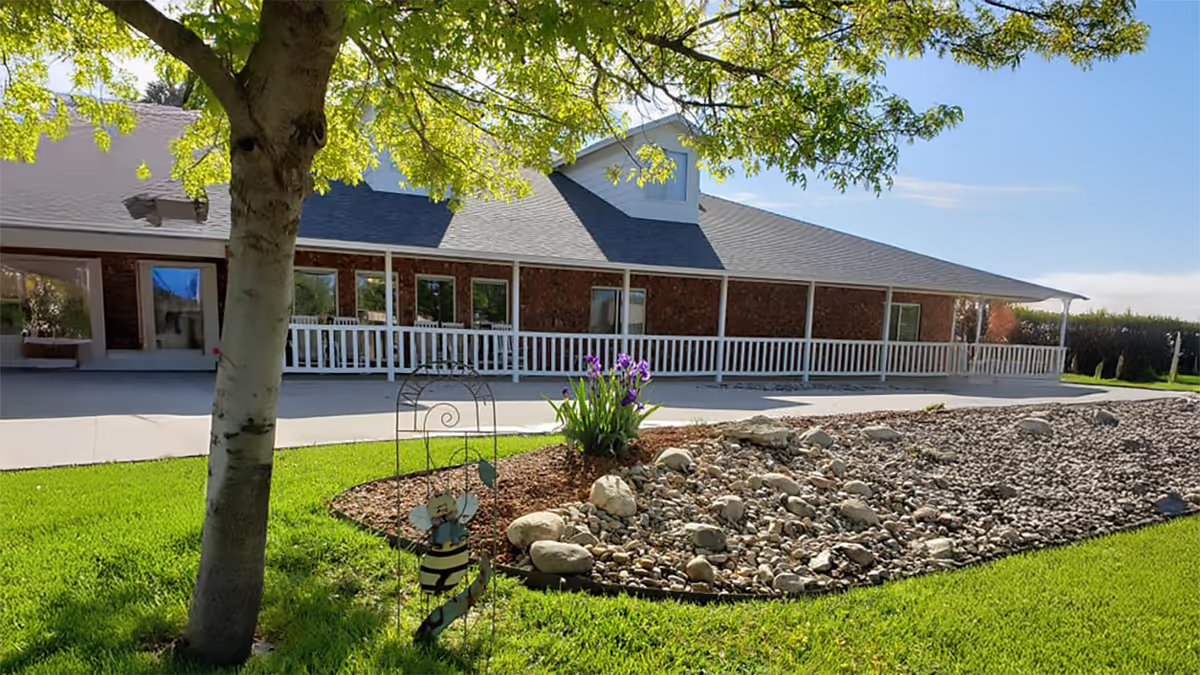
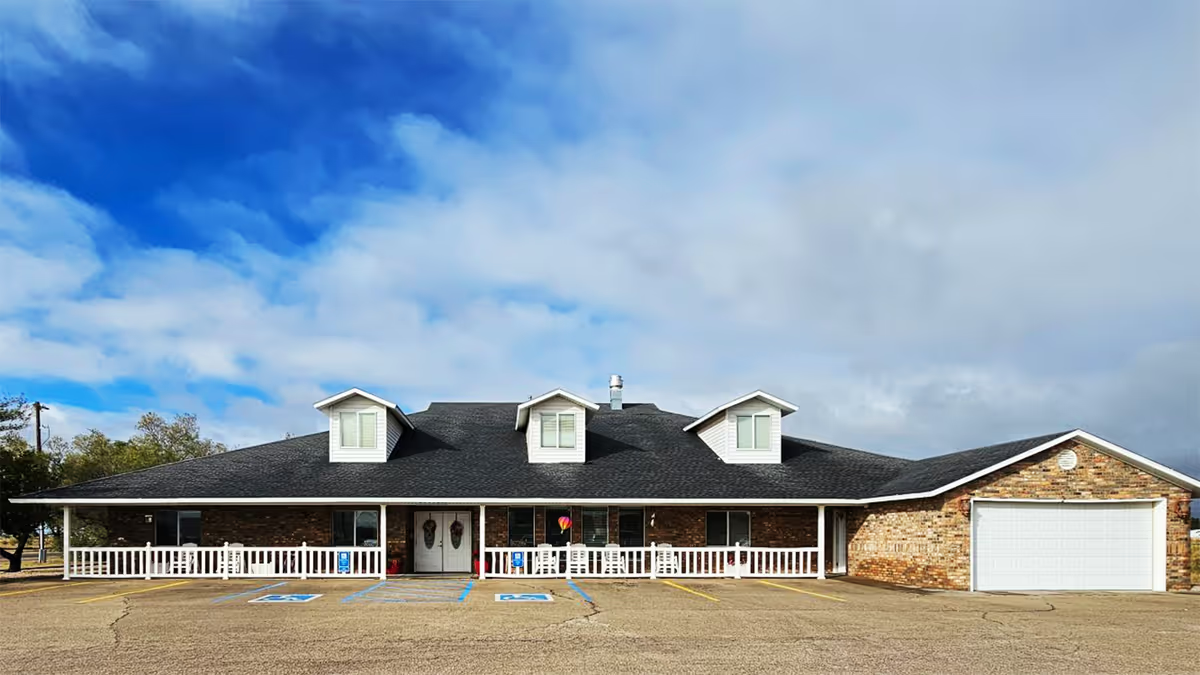
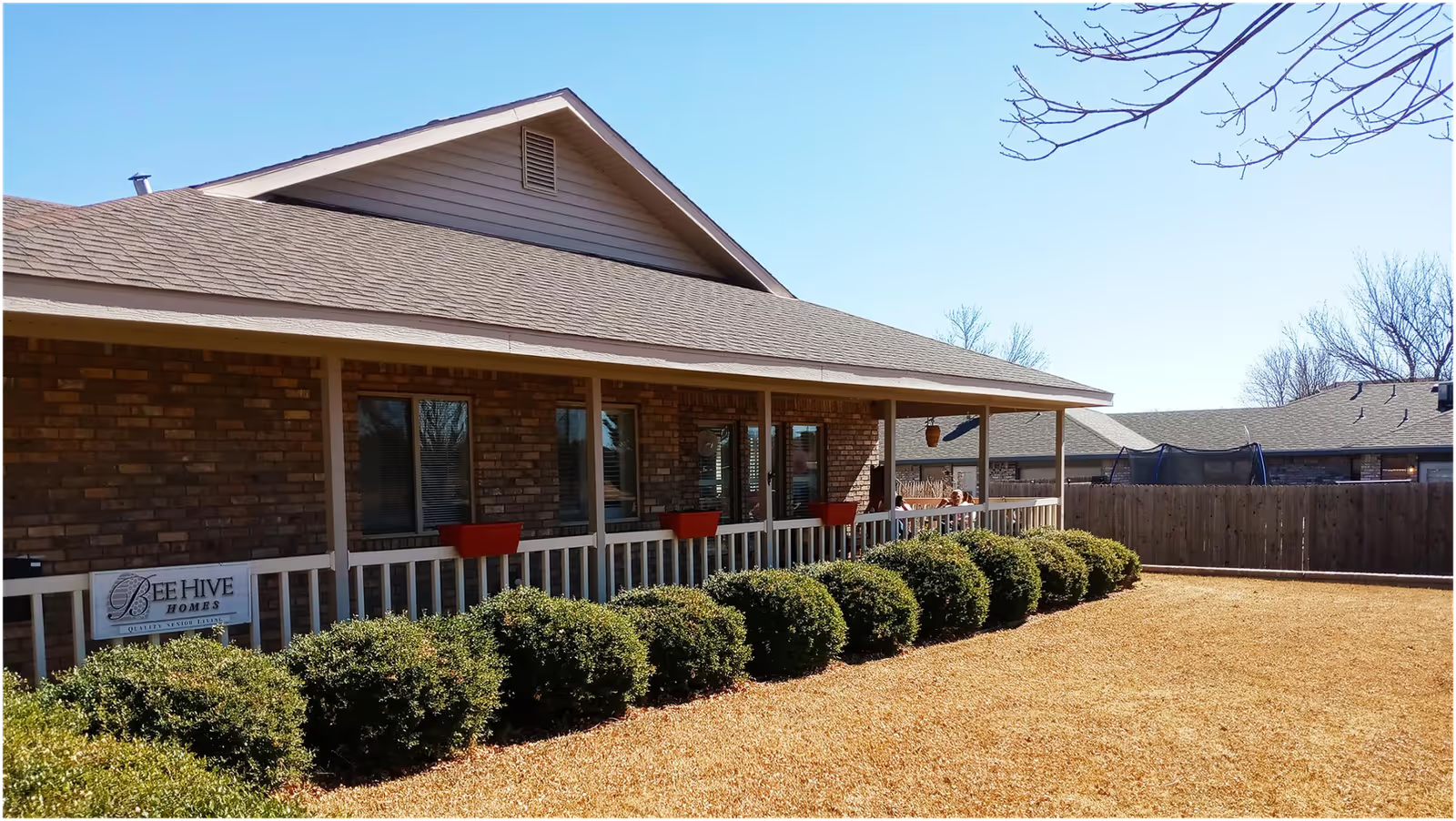
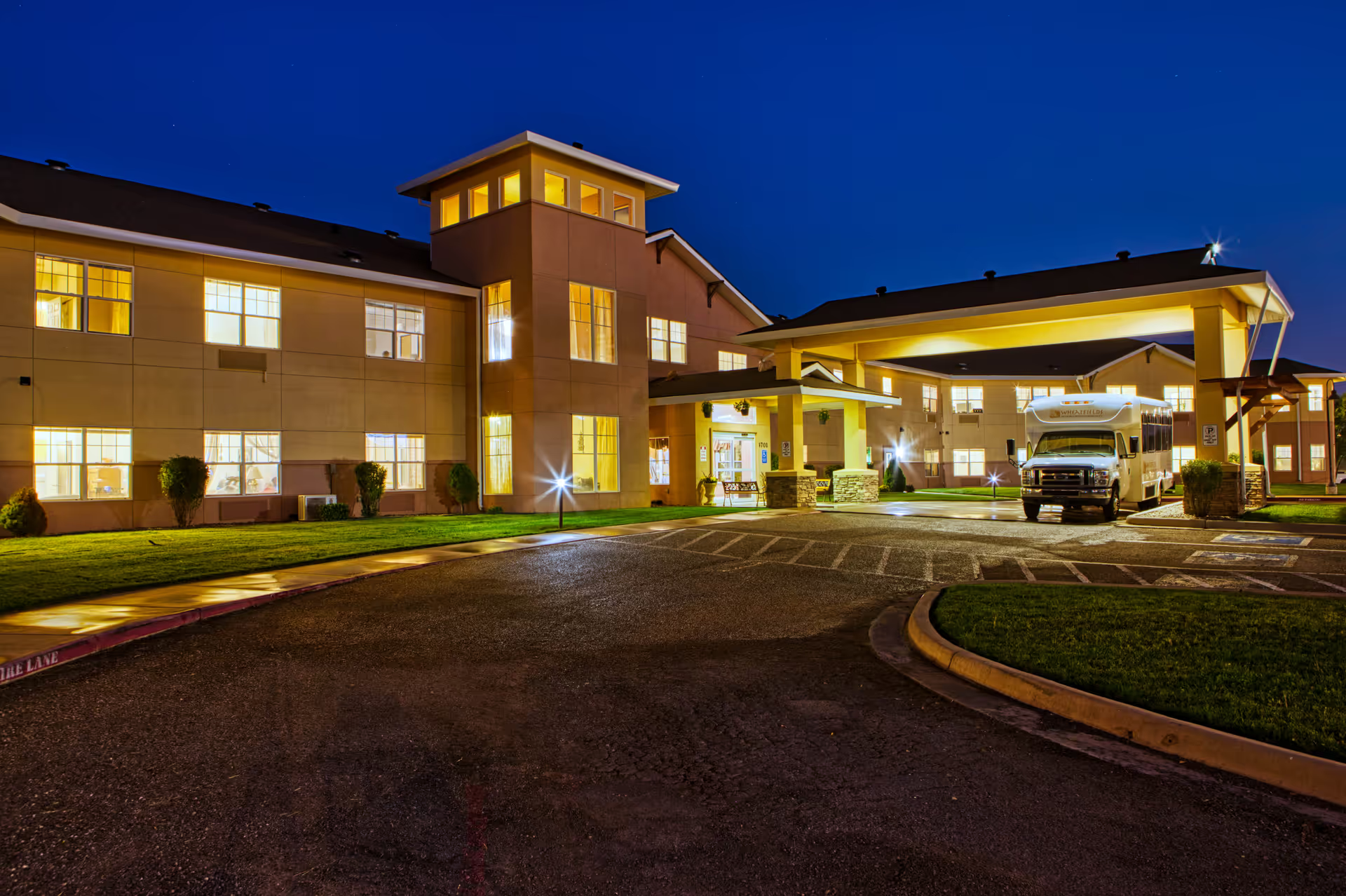
Facility‑level attributes are generally described as clean, well‑maintained, and homelike, with roomy one‑bedroom apartments that residents can personalize. Reviewers also value the availability of furnished model units for short‑term stays, making the community suitable for respite, short rehabilitation stays, or temporary post‑hospital placement.
Limitations are operational rather than relational. The community appears to be oriented toward independent living with optional part‑time caregiver support; several comments indicate limited capacity to provide higher‑acuity clinical care, secure memory‑care units, or long‑term assisted care on site. The building interior in some areas is described as dated, and the facility’s smaller scale constrains the breadth of amenities available compared with larger campuses. Prospective residents and families should evaluate clinical needs carefully — Peachtree Village is well suited to individuals seeking a warm, social independent‑living environment but may not be appropriate for those who require continuous medical supervision or specialized dementia care.
Overall, the dominant patterns are strong staff engagement, dependable daily services, active social programming, and a supportive, family‑oriented culture. These strengths are balanced by structural limits around higher‑acuity medical services and some variability in culinary execution and décor; families should match the community’s service model to the resident’s current and anticipated care needs when considering placement.