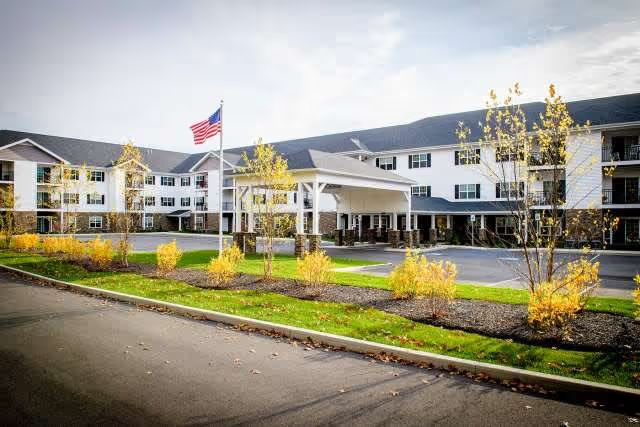
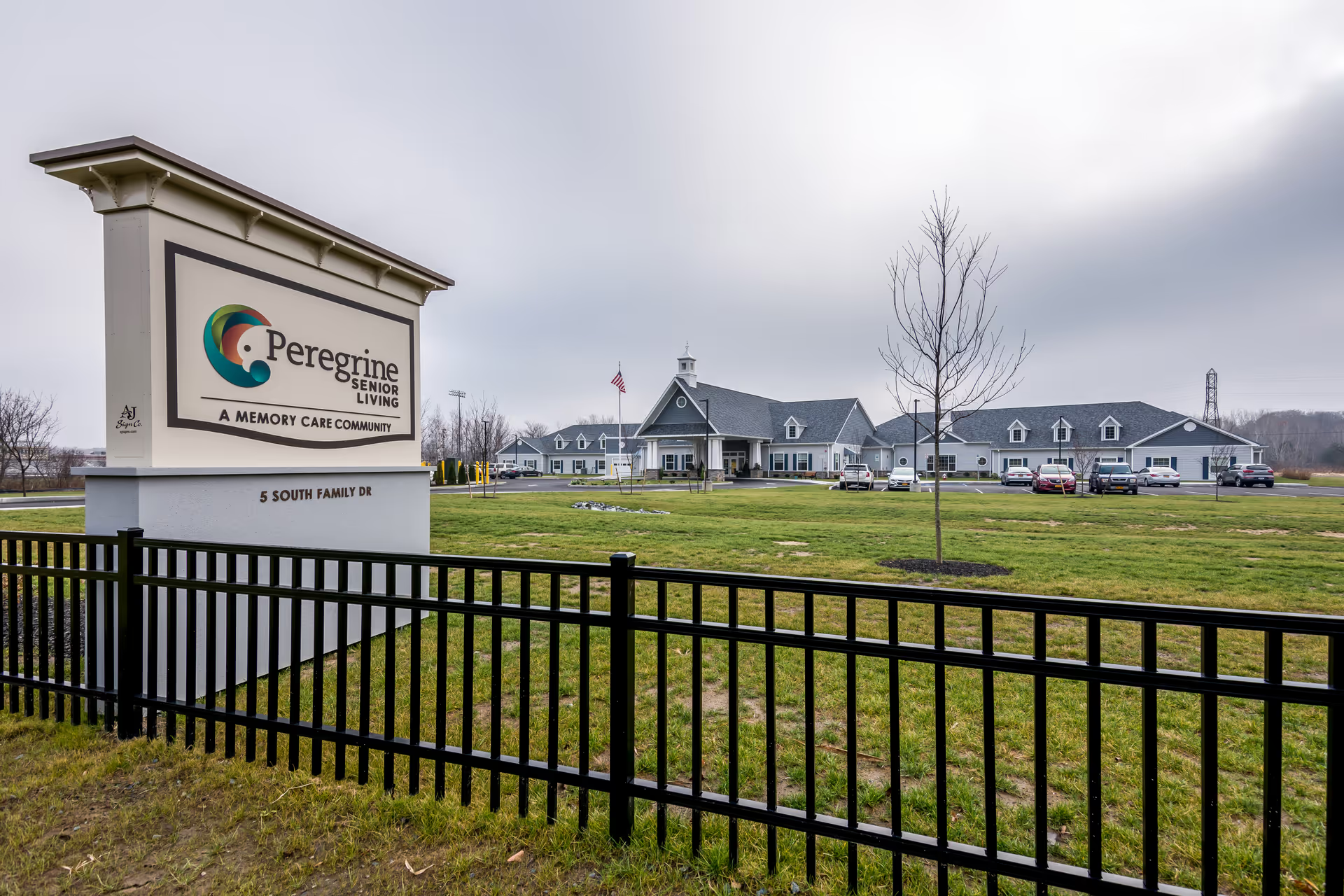
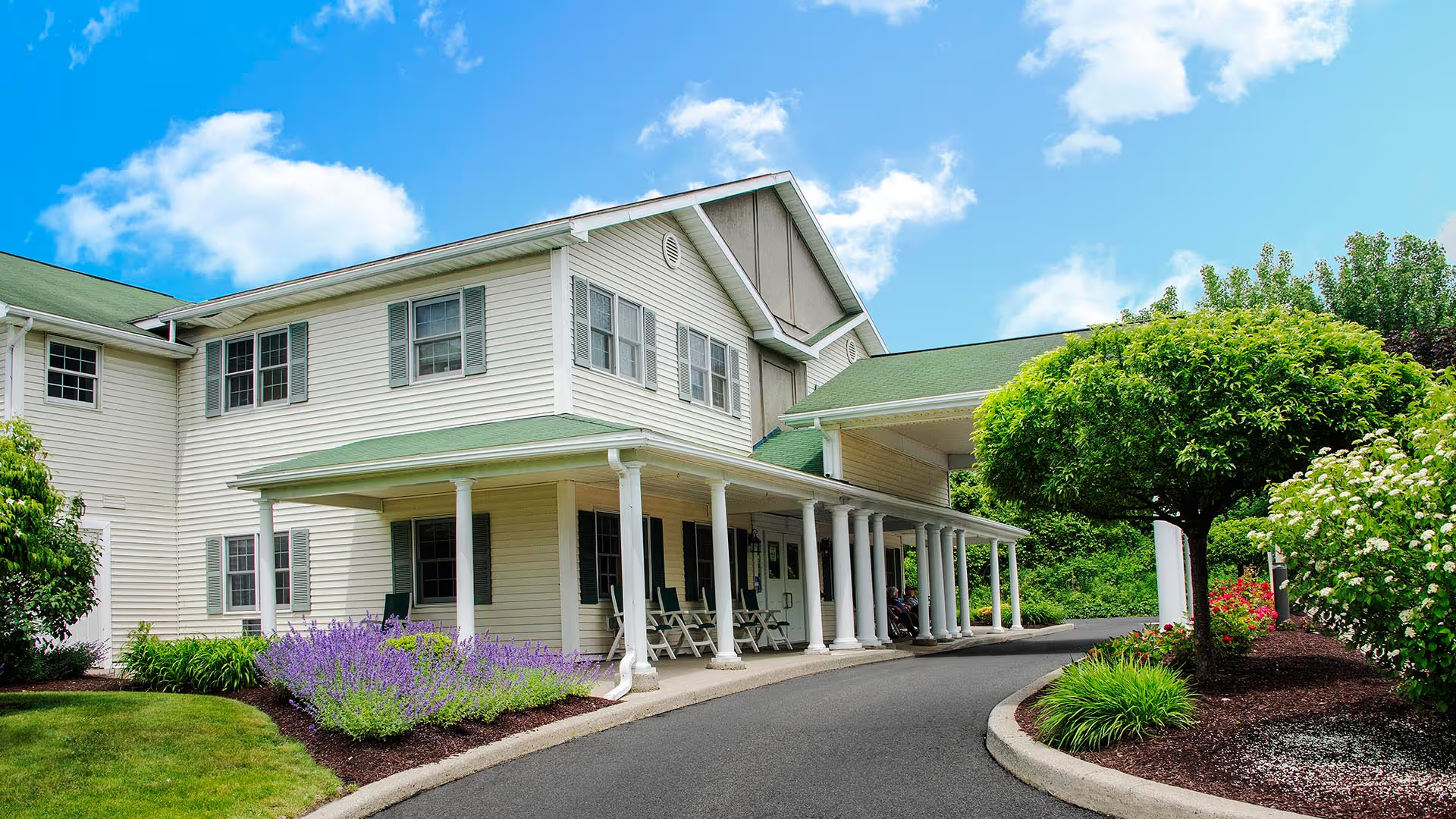
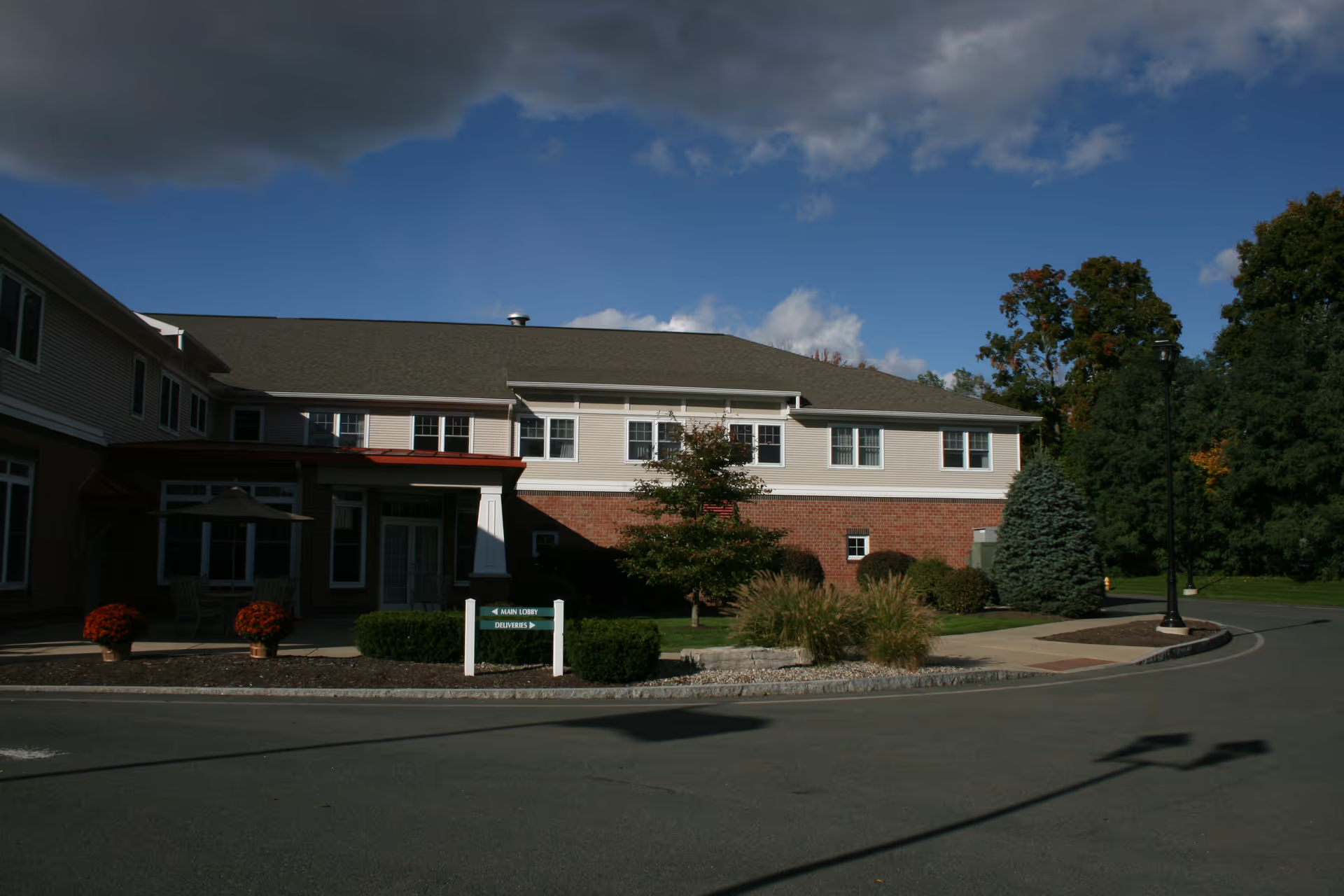
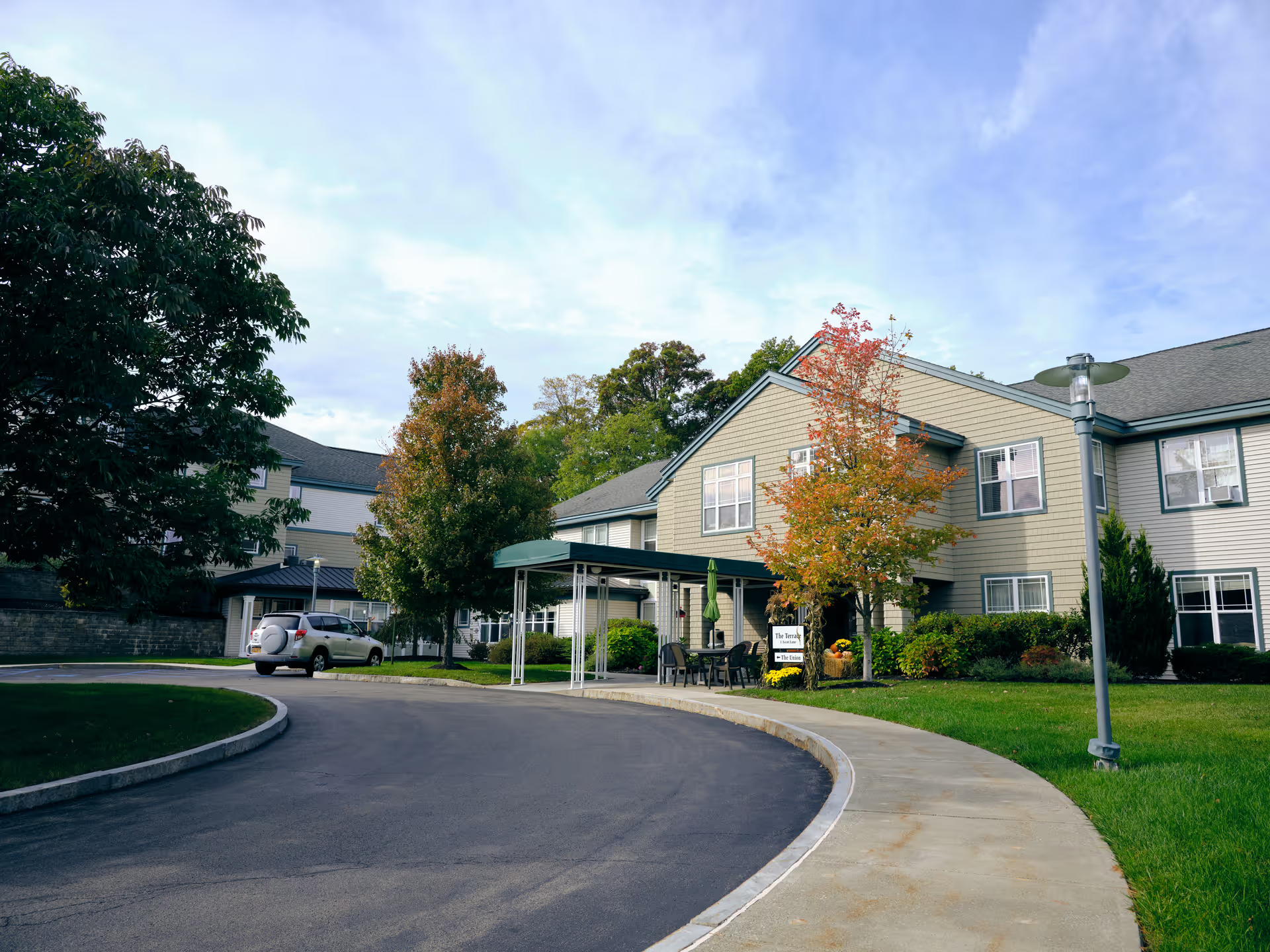
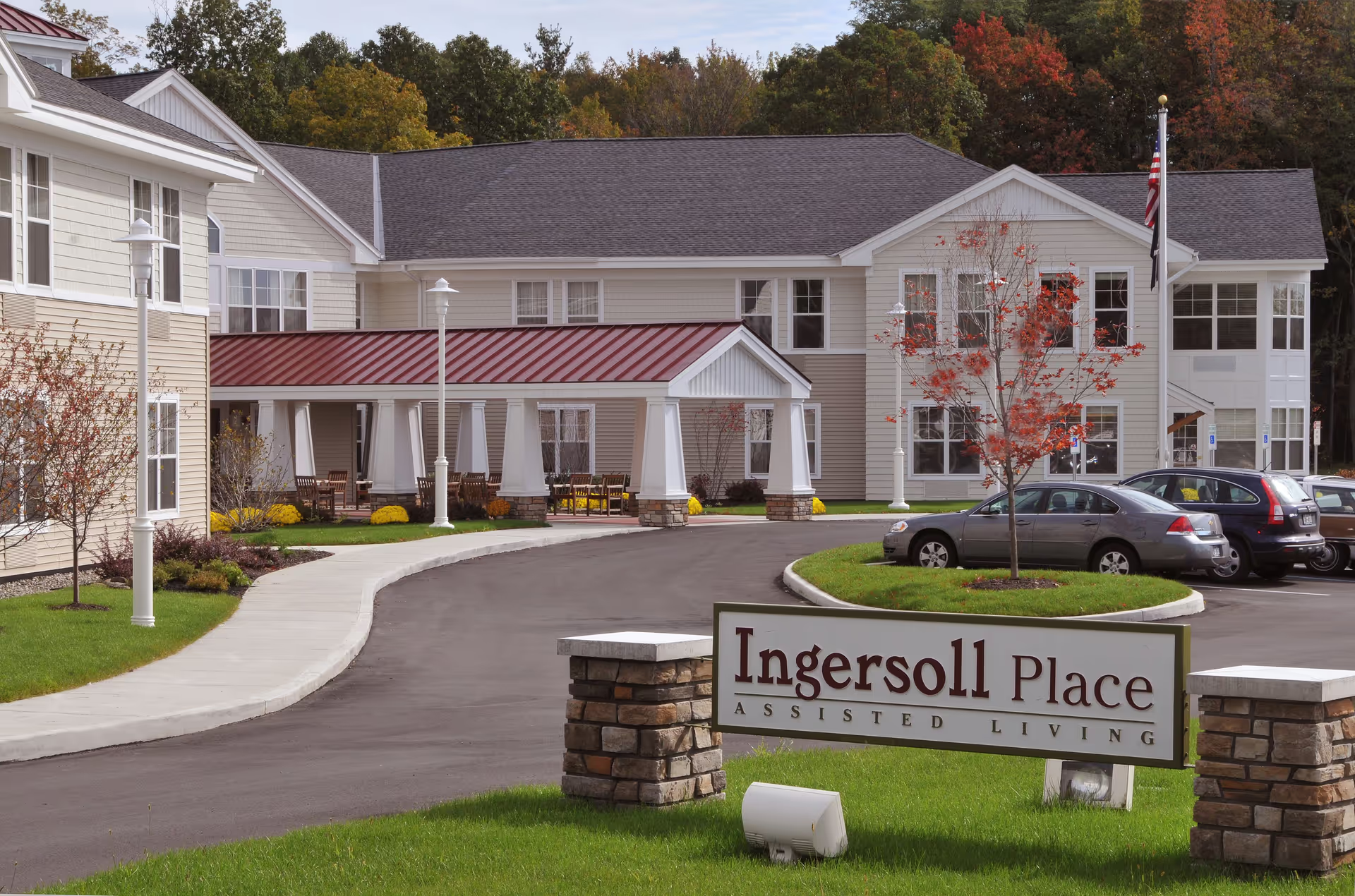
Overall impression: Reviews portray Peregrine Senior Living at Crossgate as a community with strong interpersonal strengths and a comfortable, home-like environment. Families and residents repeatedly emphasize compassionate, hands-on staff who know residents by name, proactive leadership, and a culinary program that many residents enjoy. The facility is described as clean and well-maintained in its common areas, with attractive grounds, courtyard seating, walking paths, and single-floor layouts that support independence and accessibility for many residents.
Care quality and clinical services: The community offers a visible clinical presence — daily nursing coverage, regular physician and podiatry visits, and on-site physical and occupational therapy — which reviewers cited as reassuring. Staff members are frequently described as attentive and engaged; several accounts highlight quick responses from maintenance and caregiving teams. At the same time, reviews point to operational strains when residents require higher-acuity care: families noted occasions of limited staffing capacity, variable response times, and challenges coordinating with external providers such as hospice. These observations suggest generally competent day-to-day care but potential gaps in care coordination and in staffing levels when needs intensify.
Dining and hospitality: Dining is a prominent positive for the community. A trained culinary staff (including a chef with formal culinary background) and restaurant-style service are frequently mentioned, along with multiple entrée choices, included beverages and snacks, and a 24-hour cafe option. Many residents and guests praised meal variety and special-event catering. However, there is not uniformity in experience: some reviewers noted occasional overcooked or inconsistent meals, indicating variability in meal execution across time or shifts.
Activities, social life, and services: The activity program is robust and varied, with concerts, live entertainment, bingo, arts and fitness classes, movies, and regular outings. Transportation for shopping and appointments, event planning support, and a lively social calendar contribute to a family-like atmosphere described by many. Routine services such as weekly housekeeping, linen service, laundry access, and snow removal are part of the operational package and support resident independence.
Facilities and upkeep: The site benefits from attractive outdoor areas and numerous updated common spaces; ongoing renovations and refreshed common rooms were noted. Apartment sizes vary from deluxe studios to two-bedroom units; many residents find units roomy and well-equipped. Reviewers also raised facility-level limitations: smaller bathroom footprints in some units can be difficult for walker or wheelchair maneuvering, and portions of the building show signs of age and would benefit from additional renovation.
Management, policies, and patterns to watch: Management accessibility and leadership presence are frequently cited as strengths, with specific staff named for positive interactions. Conversely, a recurring pattern involves inconsistent administrative communication and follow-through — examples include difficulty obtaining callbacks, discrepancies between information provided during tours versus day-to-day operations, and challenges coordinating external care providers. Several reviewers also raised concerns about how the community handled outbreak or pest-response events and the associated billing transparency. Cost is another recurring theme: many families felt the community offered good value given the bundled services, but reviewers also noted frequent rent increases and relatively high ancillary care fees.
Bottom line: Peregrine at Crossgate appears to be a well-staffed, socially active community with strong culinary offerings, engaged leadership, and many amenities that support an active, home-like lifestyle. Prospective residents and families should weigh these strengths against operational trade-offs: review the specific apartment floor plans for bathroom accessibility, ask for written policies on infection/outbreak responses and billing, clarify the process for coordinating outside providers, and discuss staffing ratios relative to anticipated care needs. Those due diligence steps will help align expectations with the community’s generally positive experiential profile.