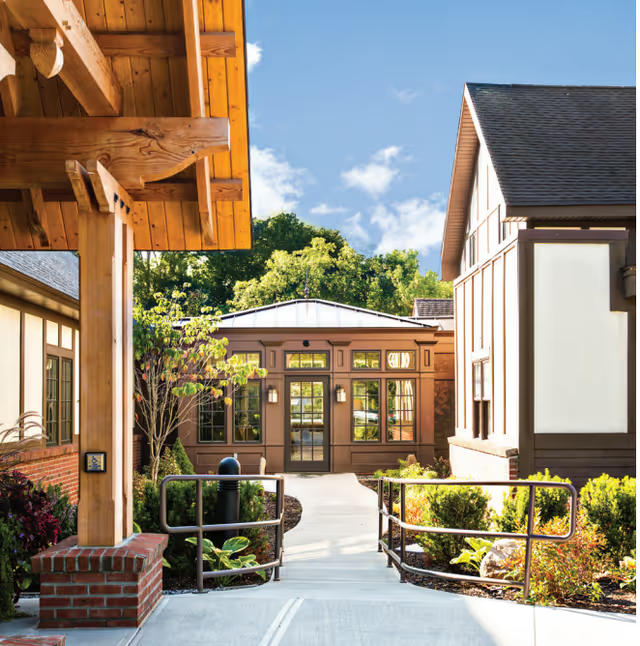
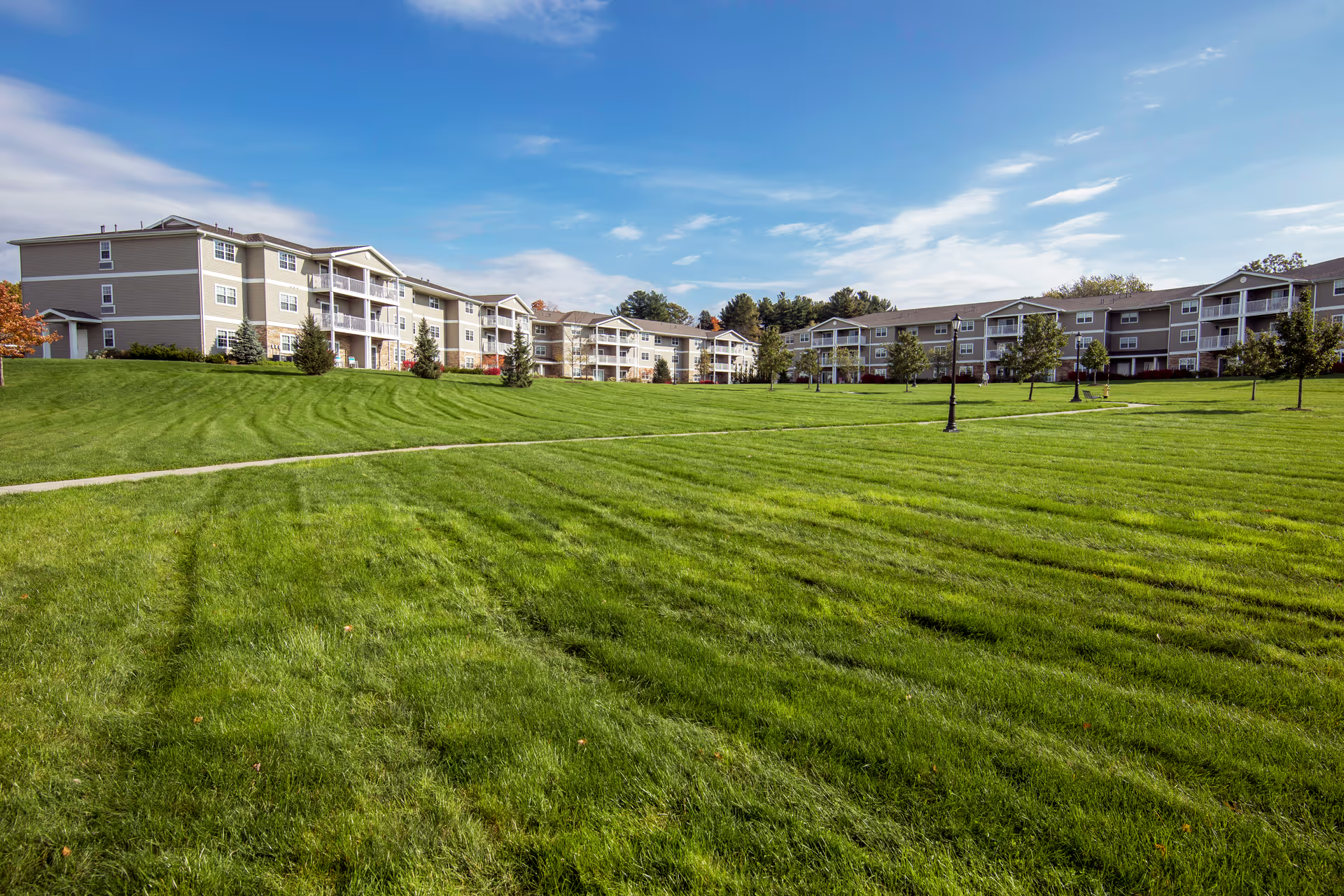
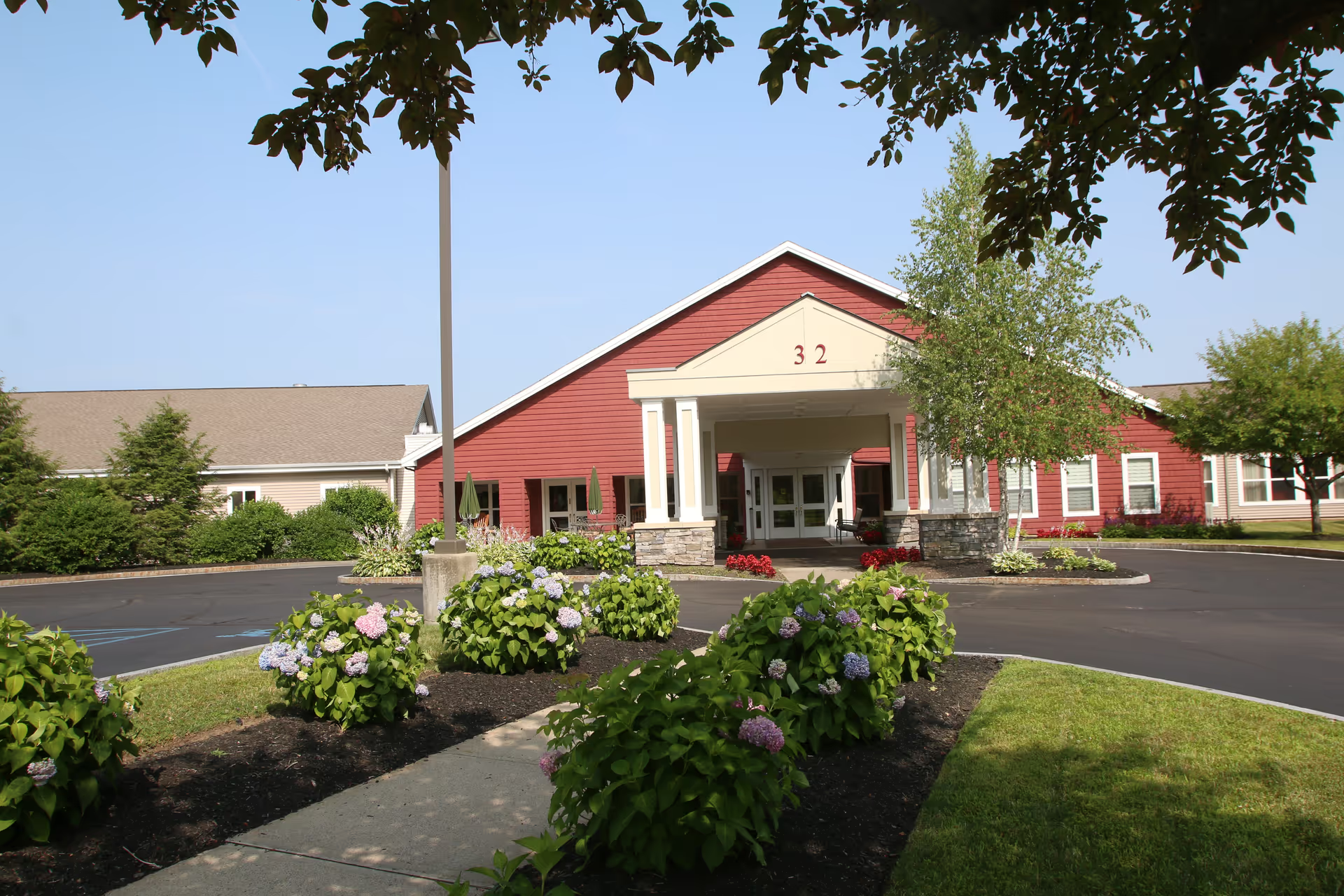
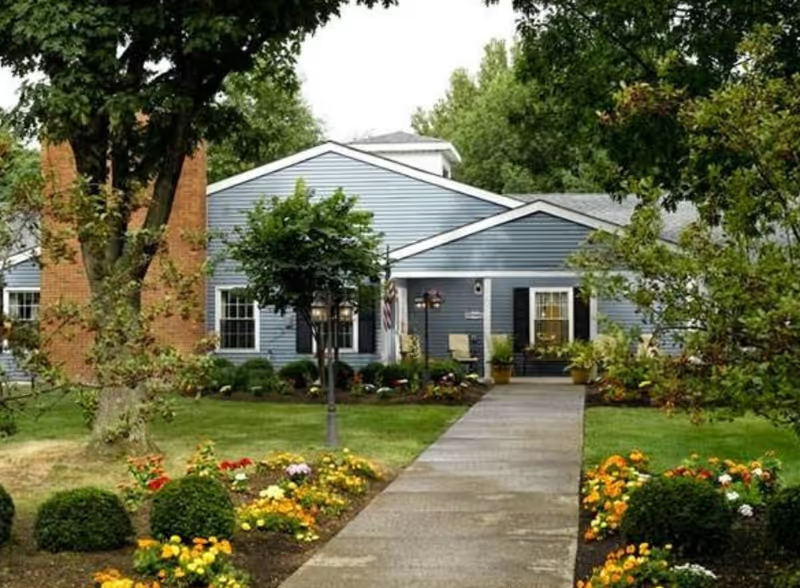
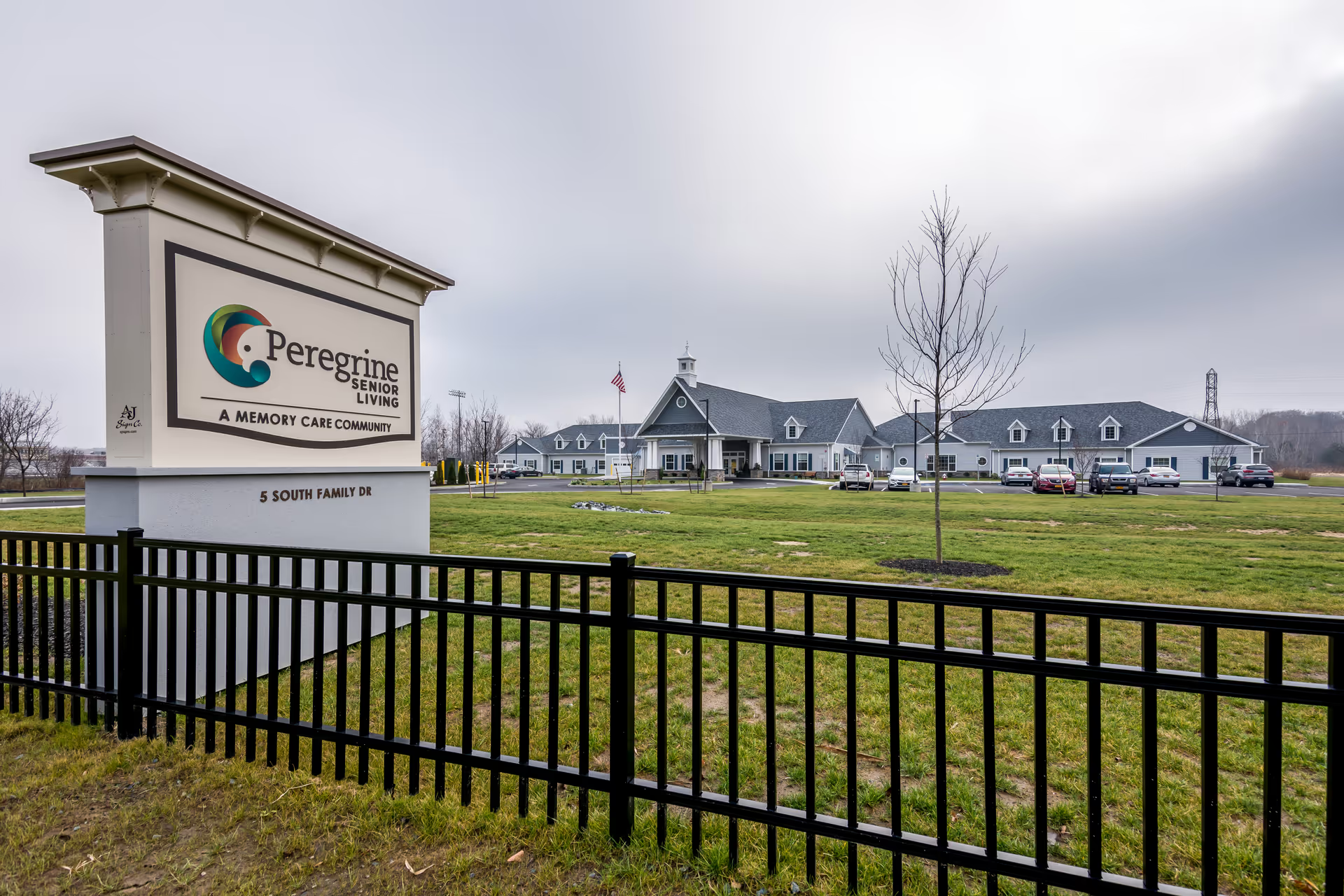
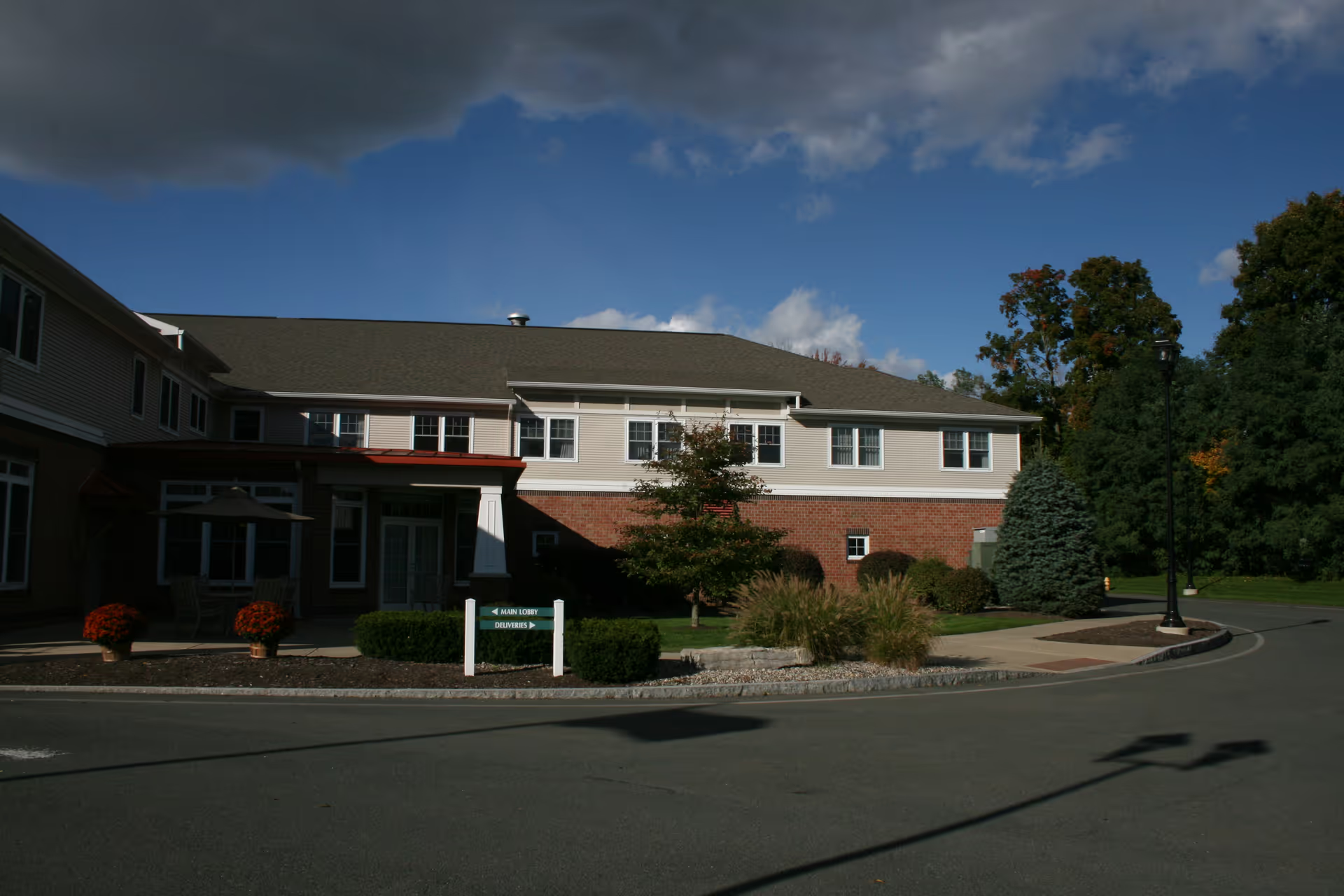
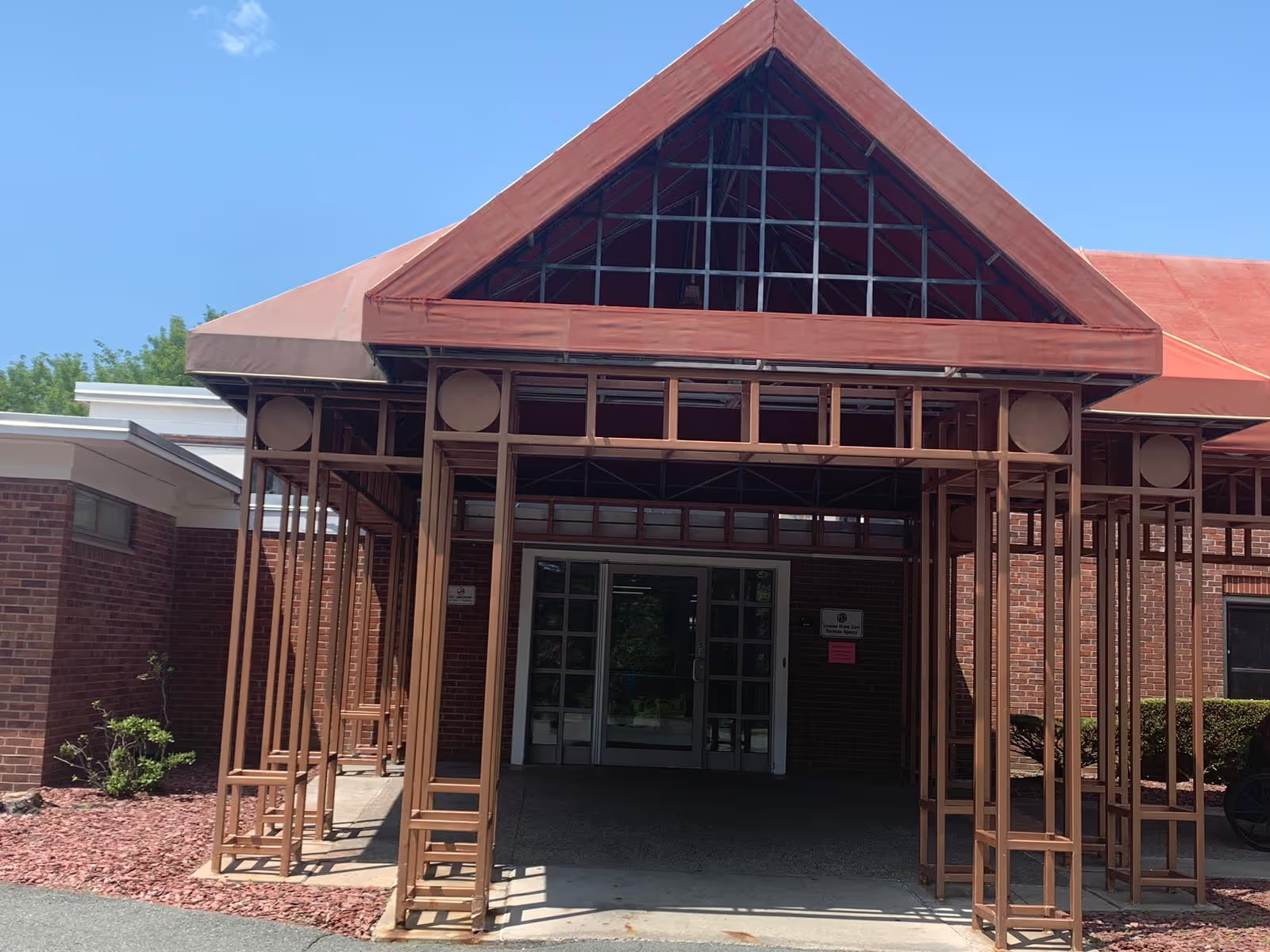
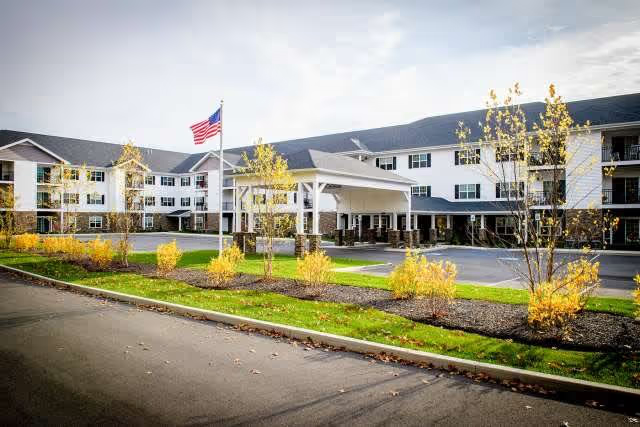
Peregrine Senior Living at Shaker is frequently described as a well-kept, service-oriented assisted living community with notable strengths in staff engagement, communal amenities, and dining. Many families and visitors emphasize the warm, attentive behavior of frontline staff and aides, and several reviewers single out leadership for proactive, transparent communication—particularly during infection-control events. The building and grounds are commonly described as modern, recently remodeled, and hotel-like, with multiple shared amenities (dining room, salon, theater, library, exercise room, courtyards) that support daily social opportunities.
Care quality and staffing: The prevailing impression is of compassionate, resident-focused staff who form strong personal relationships with residents. That said, reviewers also describe operational variability: staffing levels and coverage can be inconsistent, which families say sometimes affects responsiveness and routine care tasks. There are repeated observations about limits to the facility’s clinical scope—Peregrine is not positioned as a full nursing facility—so higher-acuity needs may require external providers or transfer to a higher level of care. Related operational themes include constrained nursing scope (certain medical interventions are handled off-site or require physician orders) and occasional gaps in day-to-day clinical support for residents with complex needs.
Dining and activities: Dining is generally a strong point. The community offers a restaurant-style dining room, varied menus, and chef-prepared options; many residents and visitors praise meal presentation and choices. Reported weaknesses include some inconsistency in food quality and seasoning, and occasional confusion about family dining policies. Activities programming is broad—exercise, music, trips, crafts, bingo, and outings are commonly mentioned—and the atmosphere is often social and stimulating. Participation rates vary, however, and several families noted limited evening programming or lower activity engagement for certain resident cohorts, which can matter for families seeking more around-the-clock engagement.
Memory care and specialized services: Memory-care programming receives mixed feedback. Many reviews commend staff sensitivity, structured activities, and secure programming appropriate for residents with cognitive impairment. Conversely, other families report gaps in environmental readiness and clinical capacity for higher-dependency memory-care residents, including concerns about incontinence-care practices and day-to-day feeding assistance. These mixed impressions suggest that the quality of memory-care experience may depend on specific staffing patterns and resident acuity; prospective families should verify the community’s ability to meet a given individual’s clinical needs.
Facilities, accessibility, and amenities: The physical plant is widely appreciated: bright apartments, thoughtful renovations, outdoor courtyards, and accessible common spaces. Some apartment types are described as smaller than comparable communities, and the site layout includes long corridors and a sloped approach in places, which may present mobility challenges for some residents. Laundry logistics (limited washers/dryers on certain floors and reliance on a single laundry location) and occasional basement or storage areas described as less welcoming are operational details to check during a visit.
Management, policies, and notable patterns: Leadership and many staff members are praised for communication, responsiveness, and pandemic-era protocols. At the same time, several operational concerns recur across reviews: variability in housekeeping and sanitation practices, incontinence-care and odor-management issues in parts of the building, inconsistencies in infection-control procedures or re-entry policies, and occasional confusion around billing, hold fees, and refund processes. There is at least one past water-quality incident that required public-health involvement; reviewers indicate the issue was addressed in cooperation with authorities, but prospective families may wish to ask about current preventive measures and documentation.
Bottom line: Peregrine Shaker appears to offer a social, well-appointed community with strong frontline caregiving and an attractive set of amenities. It can be a good fit for residents who benefit from active programming, restaurant-style dining, and hands-on staff engagement. Families considering the community should confirm clinical capabilities relative to the prospective resident’s medical needs, ask detailed questions about staffing patterns (especially evenings and weekends), review housekeeping and incontinence-care protocols, and clarify financial and admission policies in writing. A staged visit at different times of day and a direct conversation with nursing/clinical leadership will help determine whether the community’s operational realities match the family’s expectations and care requirements.