Dominican Village presents a mixed but well-defined profile: many reviewers praised its attractive grounds, clean public spaces, spacious apartment options (including kitchenettes or full kitchens), and a wide array of on-site amenities such as a library, movie theater, beauty salon, gym, and pool. The community offers active social and spiritual life—regular Mass, rosary, pastoral activities, bingo, exercise classes, live music, and frequent off-site shopping trips were consistently highlighted. Independent-living residents and families often cited a peaceful, devout atmosphere and staff who know residents by name, and several accounts pointed to prompt emergency response and reliable transportation services.
Care and staffing present a more heterogeneous picture. Direct-care employees are commonly described as friendly and caring, and some reviewers emphasized quick assistance and individualized attention. At the same time, persistent concerns arose about staffing levels and employee turnover, which reviewers linked to delays in assistance, uneven quality of aide support, and instances suggesting gaps in clinical coordination. Medication-administration controls and overall clinical coordination were noted as inconsistent in multiple accounts, and there were operational concerns about whether the community is equipped to manage dementia-related behaviors safely; reviewers advised that memory-care needs may exceed the facility's capabilities.
Dining and culinary services appear to have shifted over time. Many residents enjoyed generous portions, interactive chef service, and a broad menu in earlier periods, but numerous comments describe a decline in food quality and service continuity after operational changes: fewer meal offerings per day, irregular café hours, higher prices, and variability in menu quality. Families described a clear change in dining consistency and expressed frustration about reduced meal frequency and value for cost.
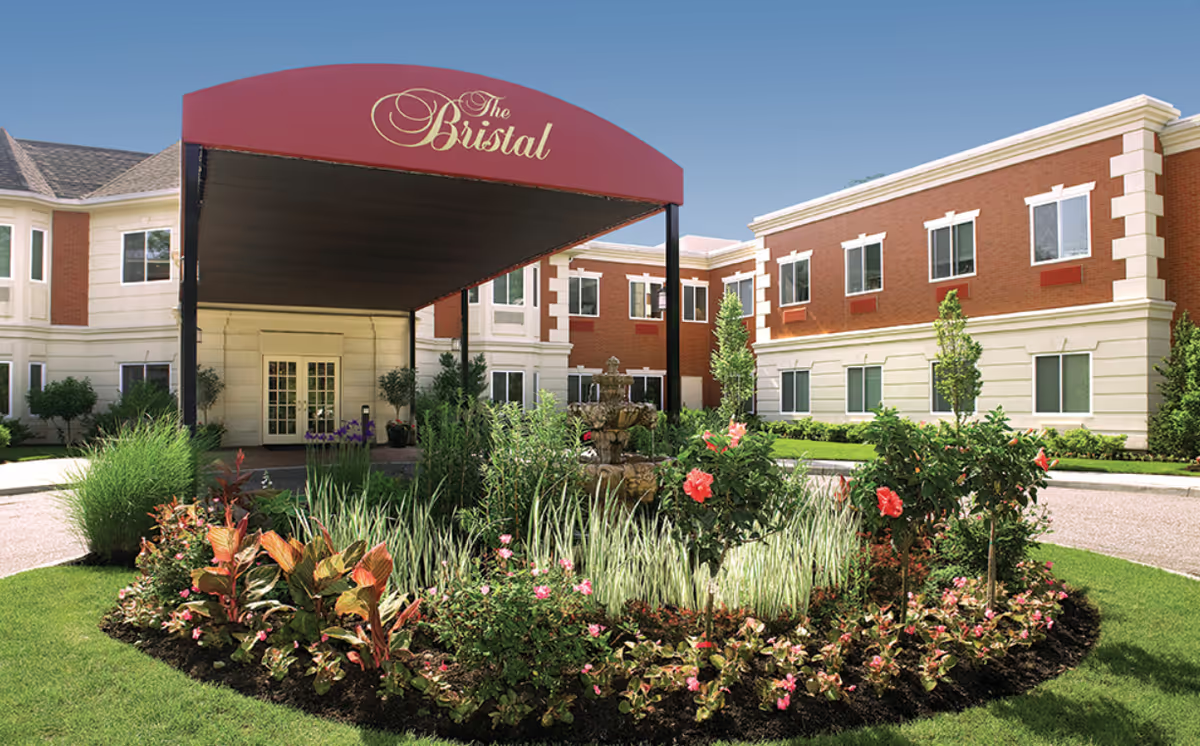
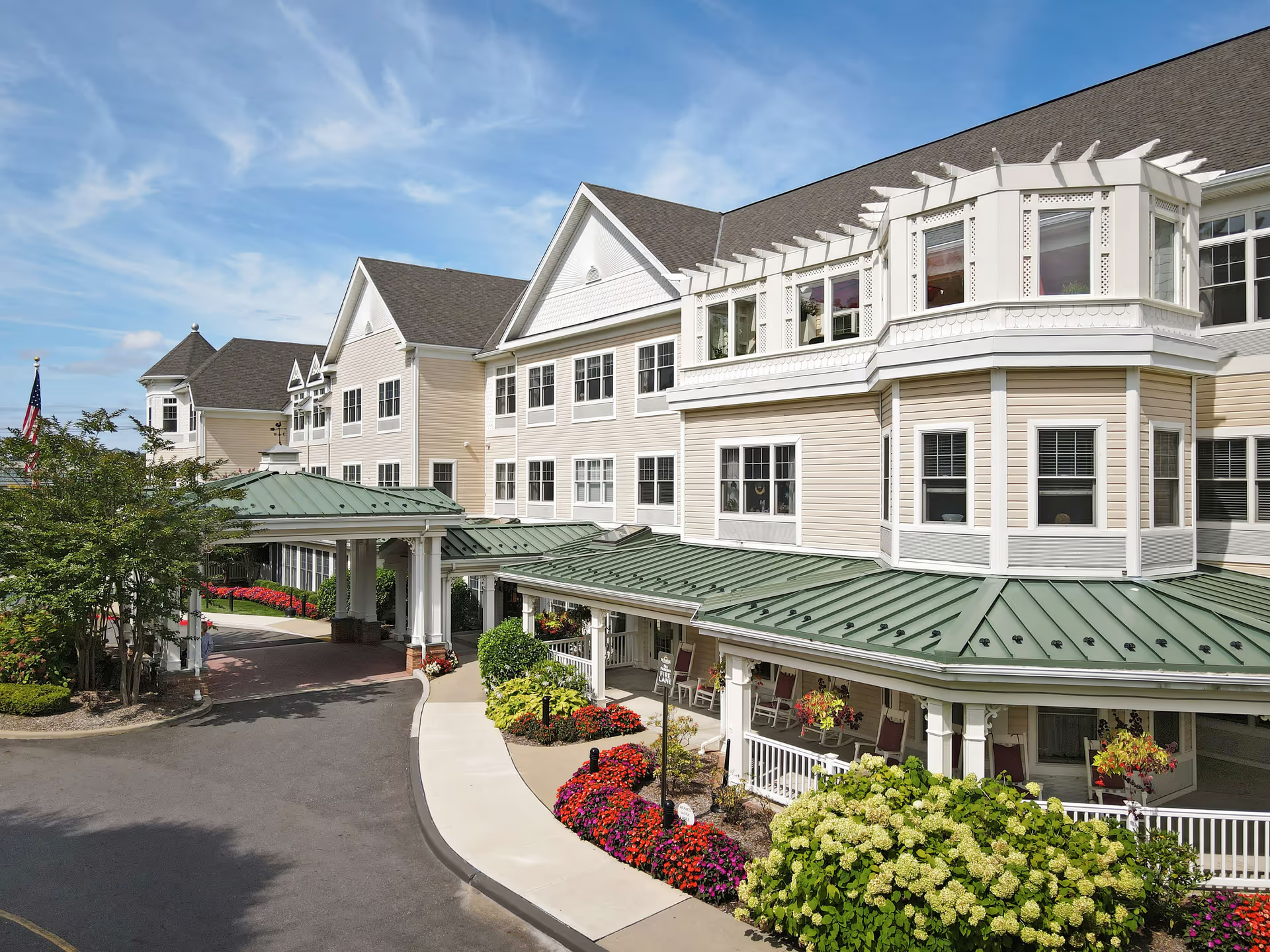
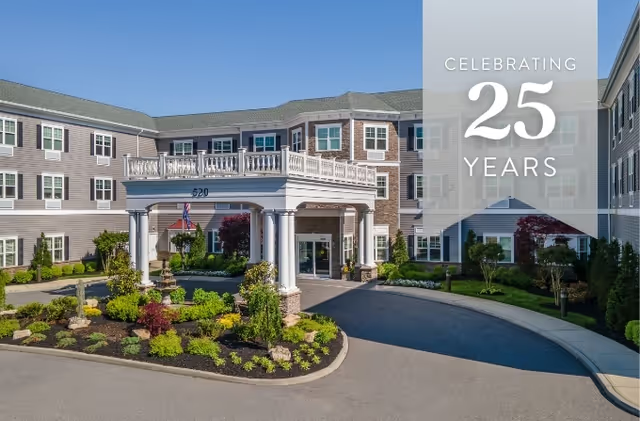
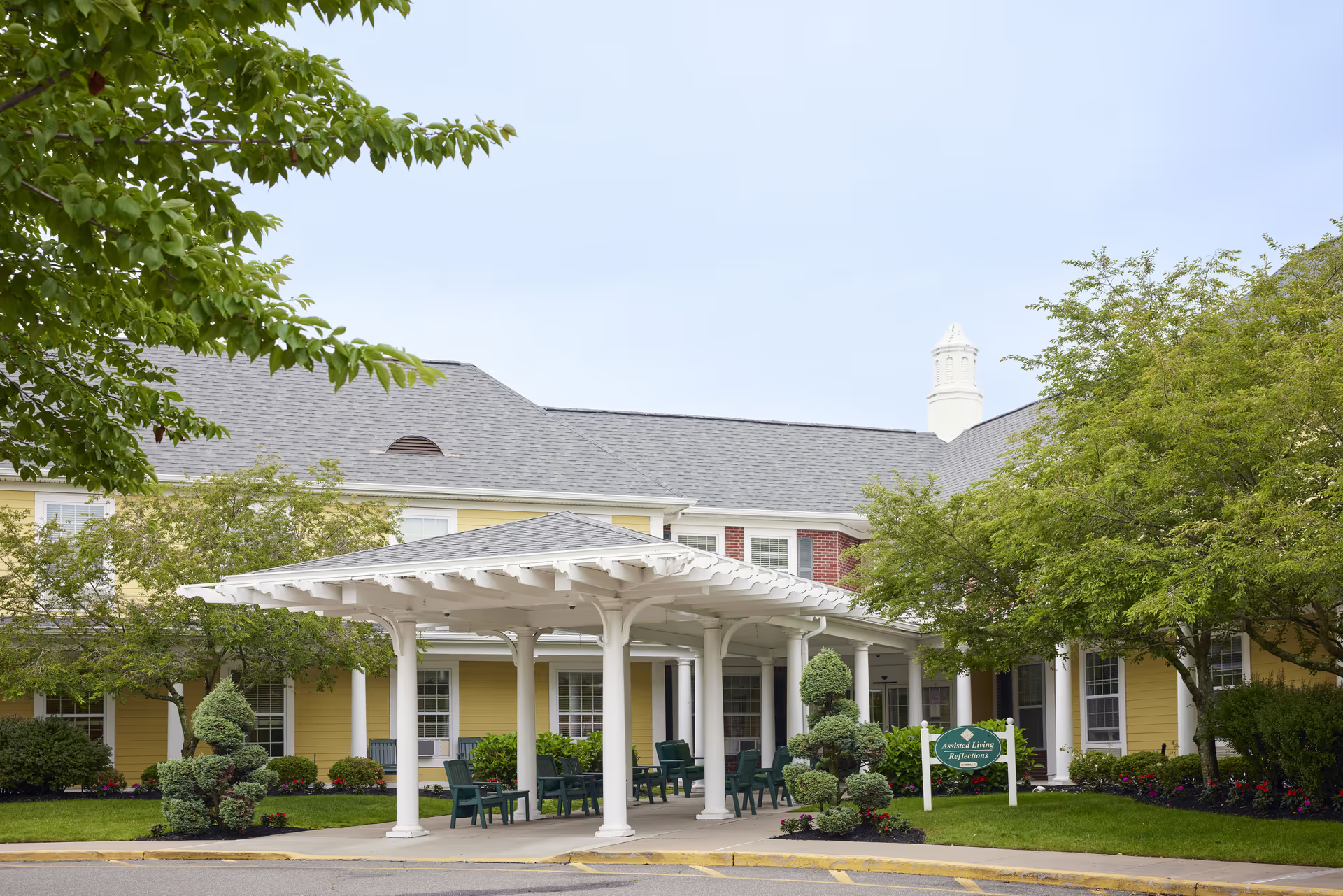
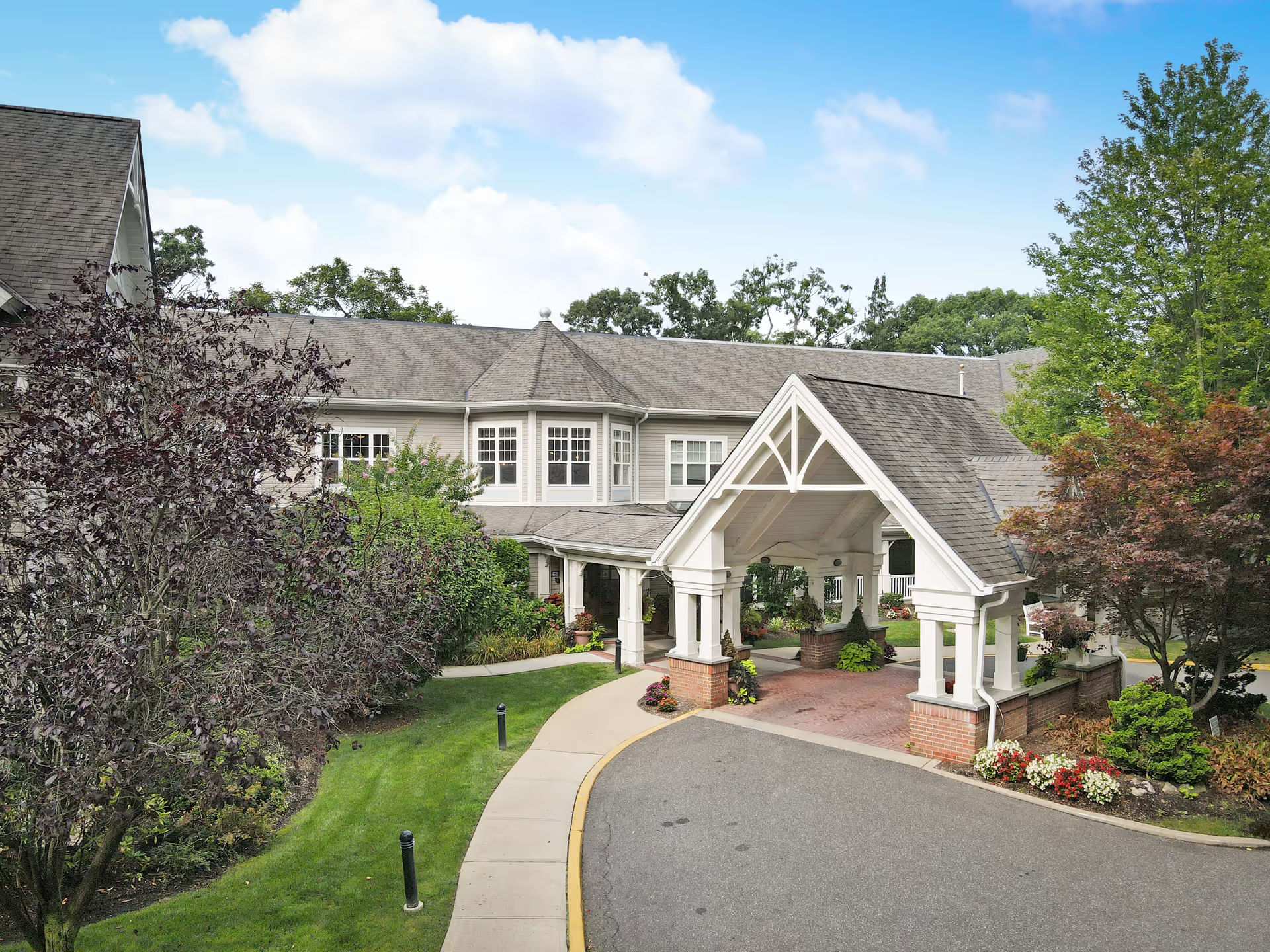
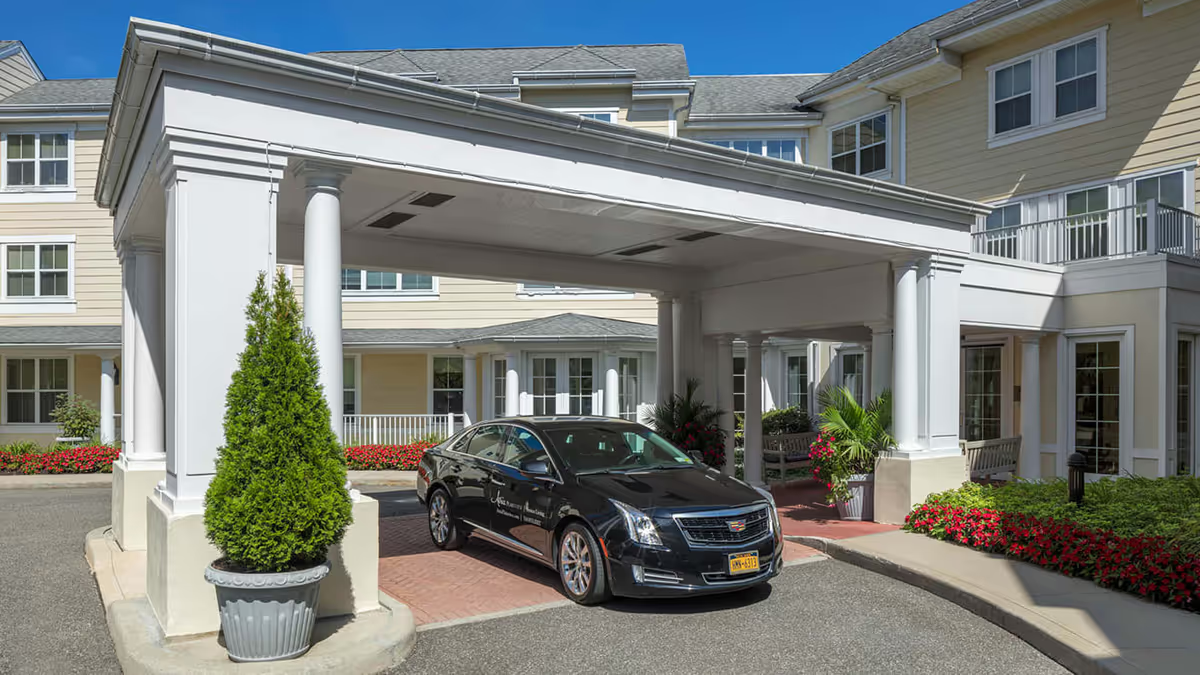
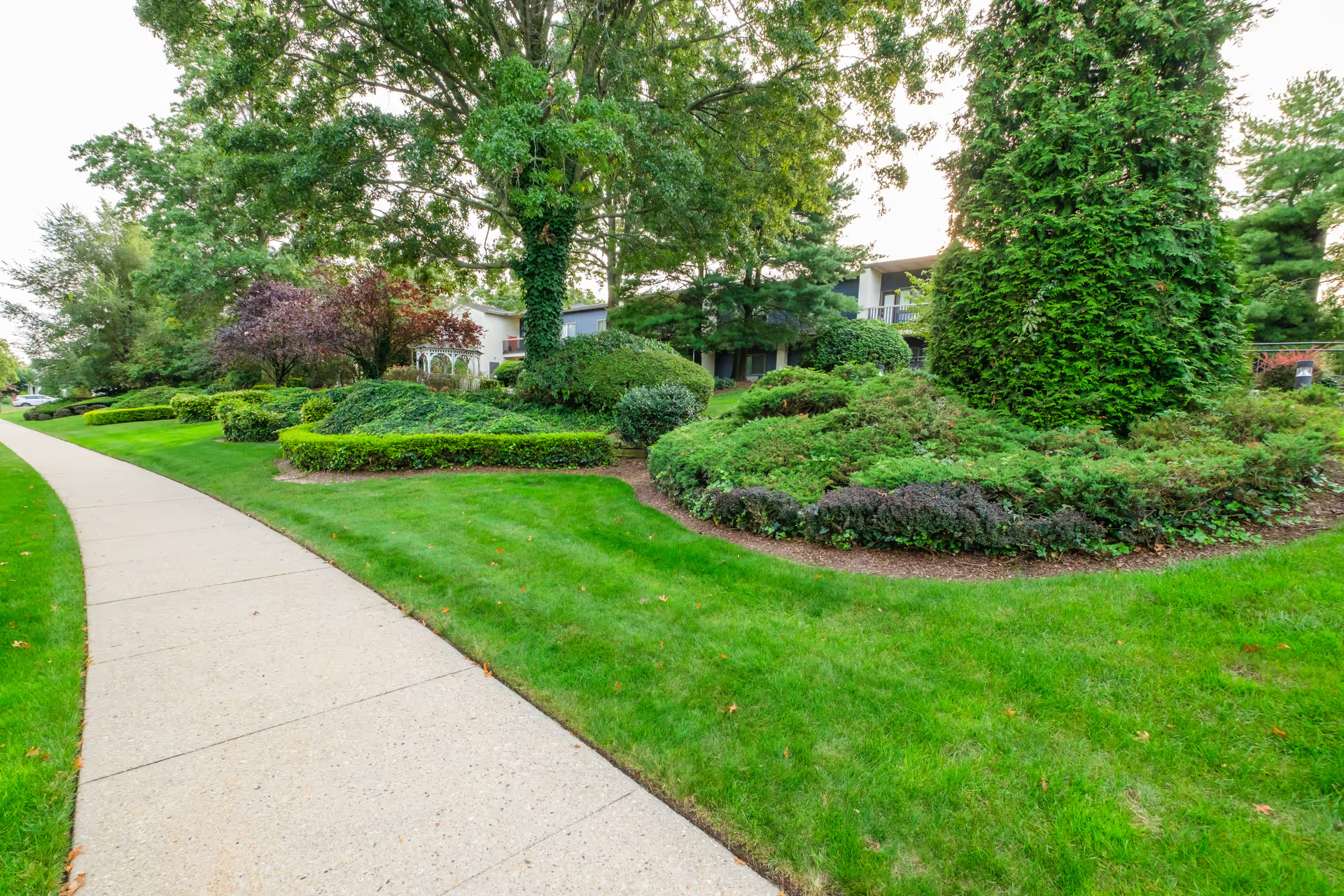
The physical campus and facilities combine strong assets with areas needing attention. Reviewers consistently praised landscaping, roomy dining and event spaces, and well-maintained recreational areas. However, the buildings show signs of aging in places—outdated window units, lighting and ventilation limitations, and dated interior finishes. Odor and sanitation concerns were raised for some rooms and common areas, and there were multiple mentions of pest-control concerns. Accessibility limitations for certain mobility or wheelchair needs were also noted.
Management and governance have been a recurrent source of friction. Several accounts describe an ownership transition and a change in executive leadership associated with stricter enforcement of policies, aggressive relocation practices, rent increases, and perceived declines in communication and trust. There are also isolated but serious allegations of dishonest conduct and mishandling of particular clinical or financial situations; these specific claims suggest families should seek documentation and clarification during tours. Financial stability concerns, fee increases, and questions about relocation and belongings-handling during transitions were recurrent themes.
Notable patterns for prospective residents and families: the community excels at independent living, social engagement, spiritual life, and on-site amenities, making it appealing for residents who value activity and a faith-based environment. However, families considering assisted living or memory care should explicitly verify the facility's licensing, staff training for dementia, medication-safety protocols, staffing ratios, pest-control practices, and recent quality-improvement actions. During a tour, ask about current dining schedules and menus, recent leadership or ownership changes, policies on resident transfers, incident-reporting procedures, and documented responses to sanitation or staffing concerns. Those questions will help align expectations with the facility's strengths and operational limitations.