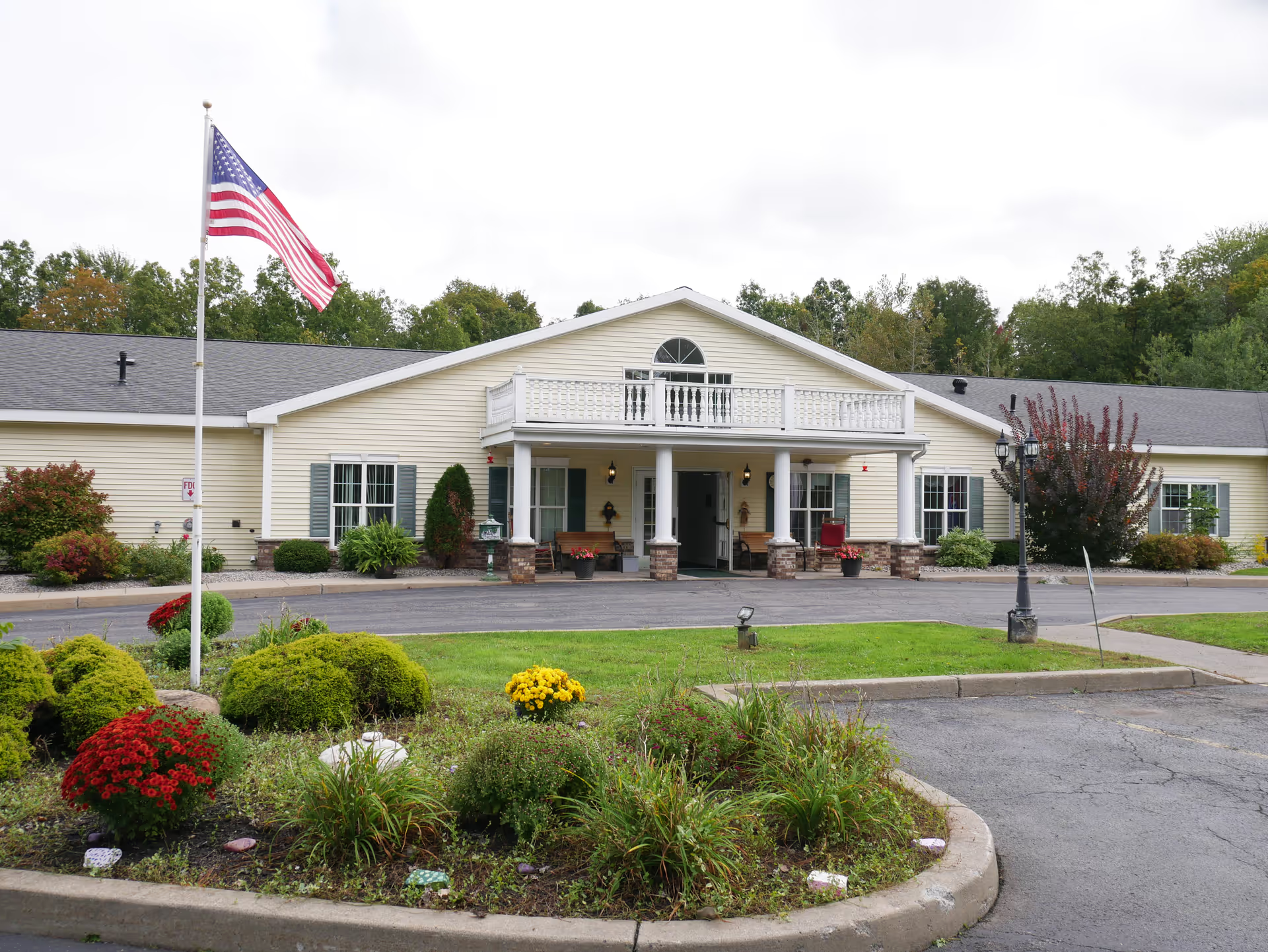
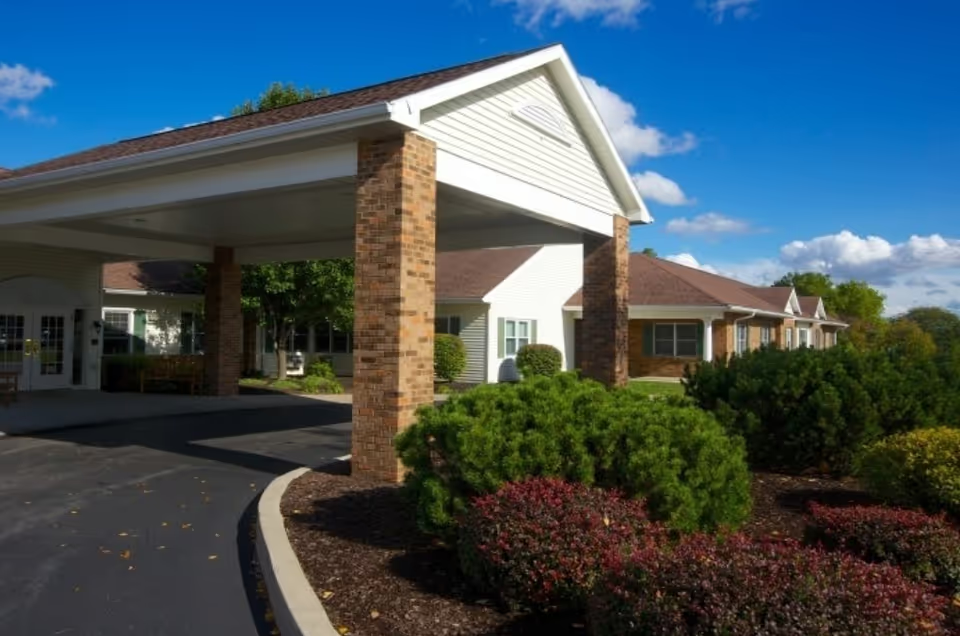
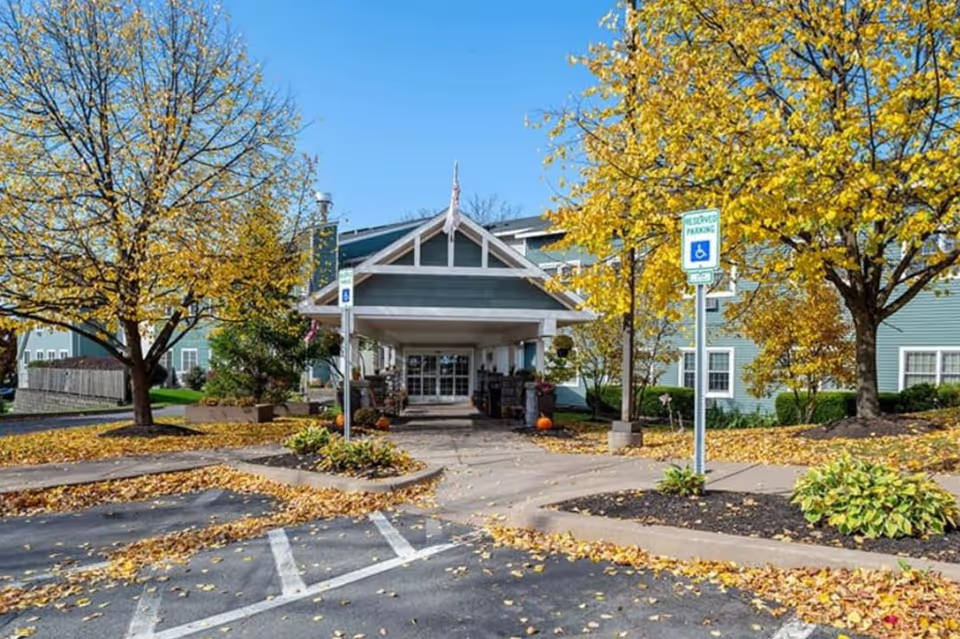
Overall impression: Finger Lakes Center for Living is described by many families as a facility with strong clinical supervision and a supportive rehabilitation focus. The center benefits from an affiliation with Auburn Community Hospital, around-the-clock nursing oversight, and a rehabilitation program that several families found effective. Numerous comments emphasize caring, professional staff members who are responsive to families, provide individualized attention, and “go the extra mile.” The facility’s physical environment — including clean common areas, a fenced courtyard, on-site security, and well-lit resident rooms — is frequently noted as a positive aspect.
Care and staff: Care quality is generally characterized as compassionate and knowledgeable, with staff professionalism and attentive nursing cited as strengths. At the same time, there is a recurrent pattern of staffing shortages or inconsistent coverage that can lead to delays in assistance for personal care and toileting/bathing. While many reviewers praised individual caregivers and therapy teams, others described variability in staff engagement and performance; this suggests care experience may depend on shift timing or unit assignments. Medication management and clinical oversight were described positively in several accounts, but families concerned about responsiveness or coordination should confirm current staffing and protocols during a visit.
Dining and activities: Dining is viewed favorably overall, with multiple comments about good food and a variety of menu choices. Activity programming appears to be available and engaging for some residents; however, perceptions of the breadth and consistency of activities vary. Prospective residents with specific recreational or social needs may want to review the activity calendar and observe a program session to determine fit.
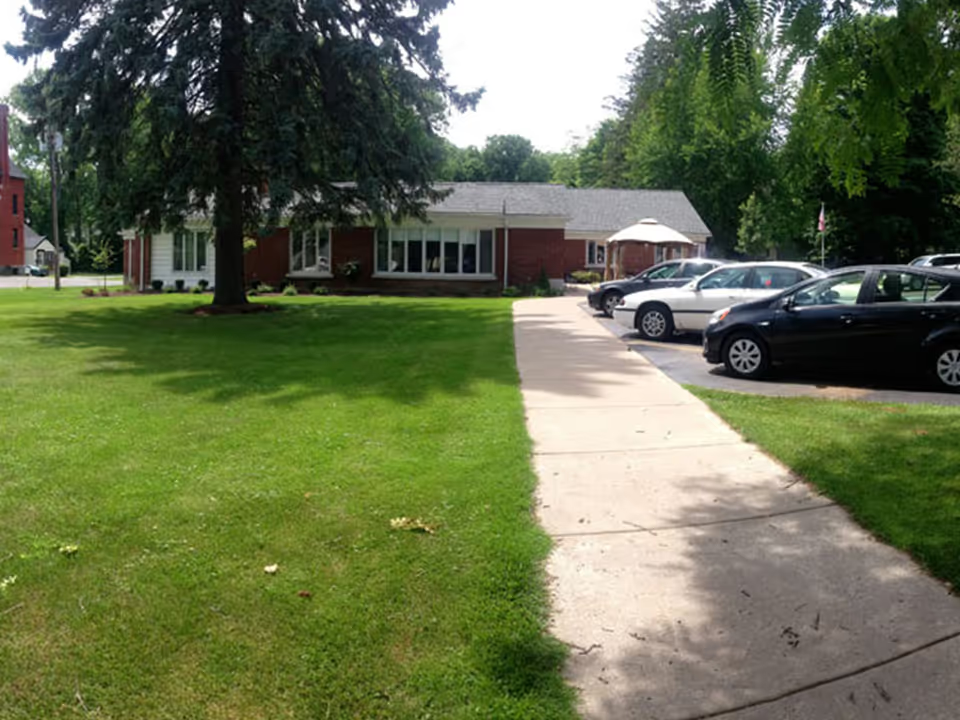
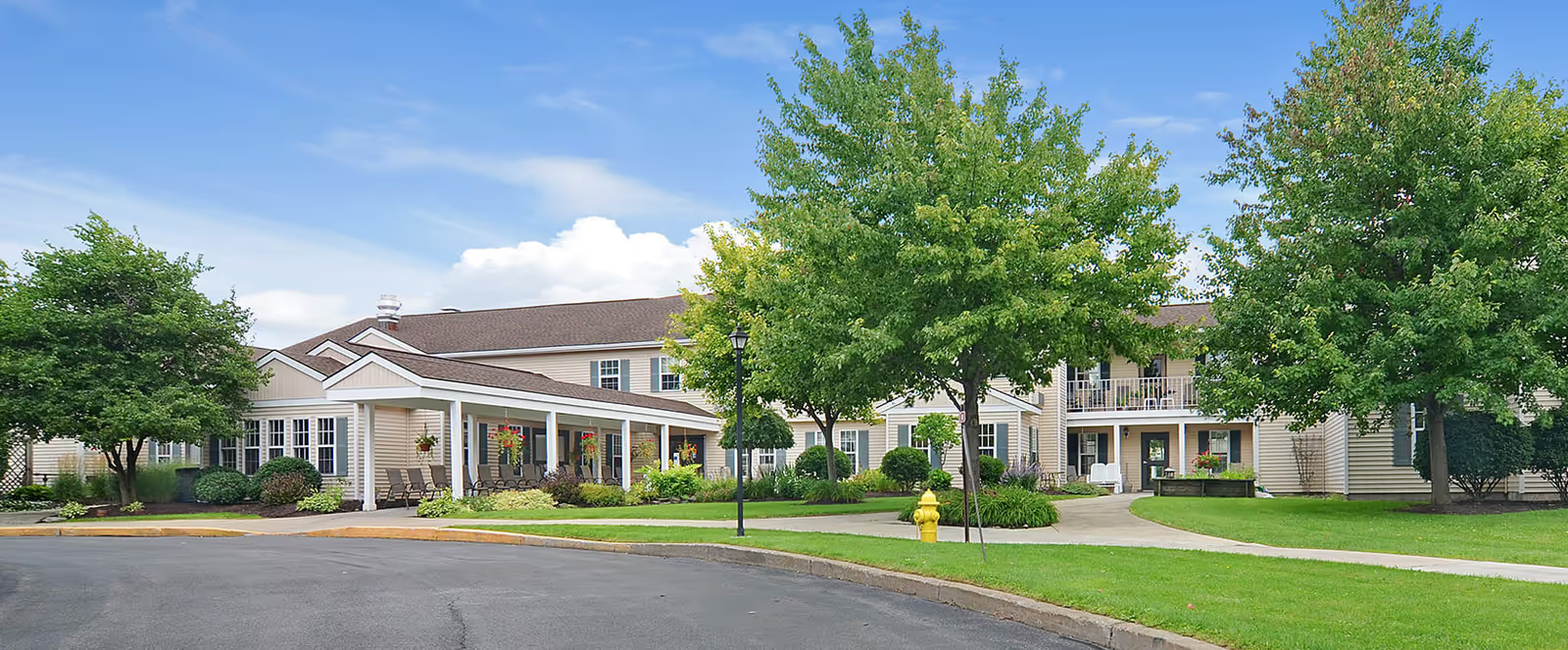
Facilities and environment: The center’s physical plant is generally described as clean and well maintained, with beneficial outdoor space and security measures. A recurring operational issue involves environmental comfort controls: some reviewers noted problems with room temperature or humidity that affected sleep or comfort. Rooms are noted as having good lighting and acceptable accommodations, but maintenance of climate systems may merit attention during a tour.
Management and communication: Several reviewers expressed concerns about admissions responsiveness, voicemail or phone-system problems, and difficulty reaching admissions leadership. There are also comments linking managerial challenges to staff morale and workload. In a few instances, serious concerns—described as allegations of discriminatory conduct—were raised; families who have specific diversity or inclusion priorities should inquire about policies and staff training. Additionally, some reviewers indicated gaps in transfer/hospitalization coordination, making it advisable to clarify transfer procedures and communication expectations in advance.
Notable patterns and guidance for families: The dominant positive themes are compassionate caregivers, strong rehabilitation services, and a hospital affiliation that supports clinical care. The principal operational weaknesses are understaffing-related delays, variability in staff performance, admissions communication issues, and environmental comfort concerns. When evaluating this facility, prospective residents and families should: ask about current staffing ratios and response-time expectations; observe a shift change and an activity session; meet admissions leadership and the administrator; review the facility’s transfer and hospitalization protocols; and inspect room climate controls. Doing so will help determine whether the center’s strengths align with the prospective resident’s care needs and personal preferences.