Park Terrace at Radisson is frequently praised for its warm, family‑oriented culture, clean environment, and a visible on‑site nursing presence. Many families described compassionate, attentive staff who learn residents’ names and provide personalized interactions. Nursing leadership and licensed nurses on site contribute to a sense of clinical oversight for routine needs. At the same time, several accounts indicate the facility is better suited to lower‑to‑moderate care levels than to residents with advanced, high‑dependency needs; families should evaluate level‑of‑care match carefully before selecting this community.
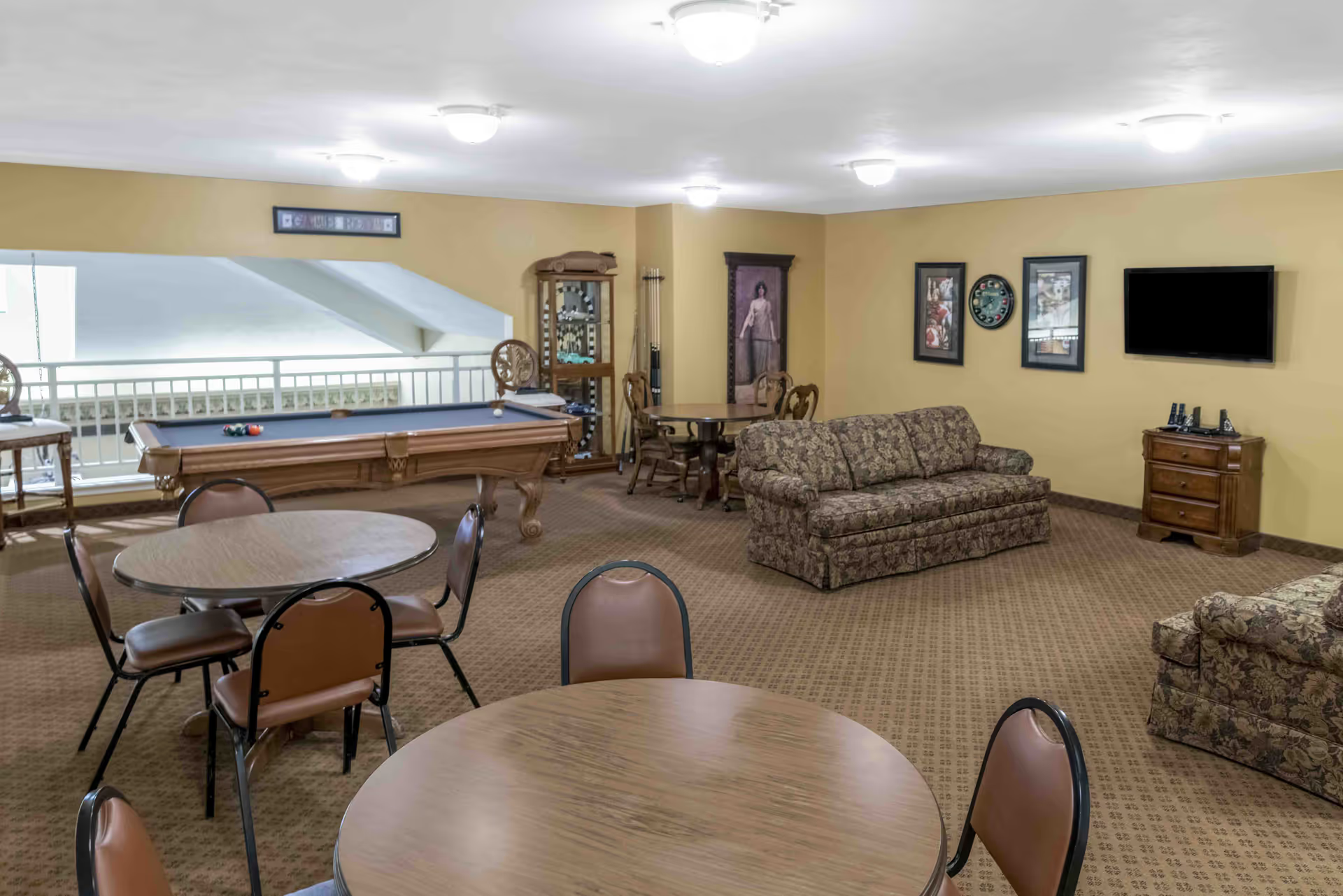
Dining and activities are among the facility’s strengths. Reviewers commonly cited restaurant‑style dining with waiter service, a varied menu that includes comfort and healthier options, and an emphasis on snacks and social occasions such as Friday happy hours. Activity programming is broad and well‑staffed, with a named activities leader and regular offerings (baking, arts and crafts, bus outings, themed rooms) that many residents enjoy. Participation and the perceived vitality of the activity calendar varied by resident, so engagement may depend on individual preferences and mobility.
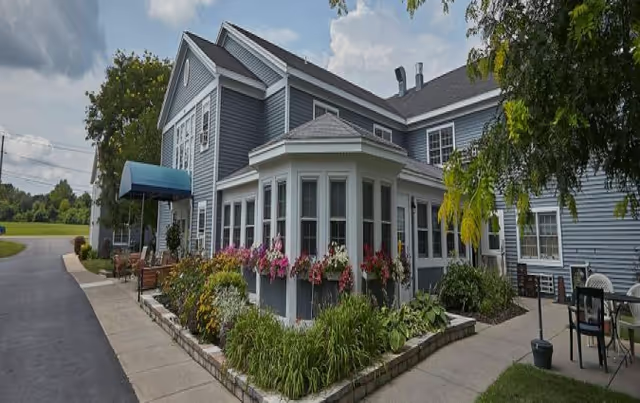
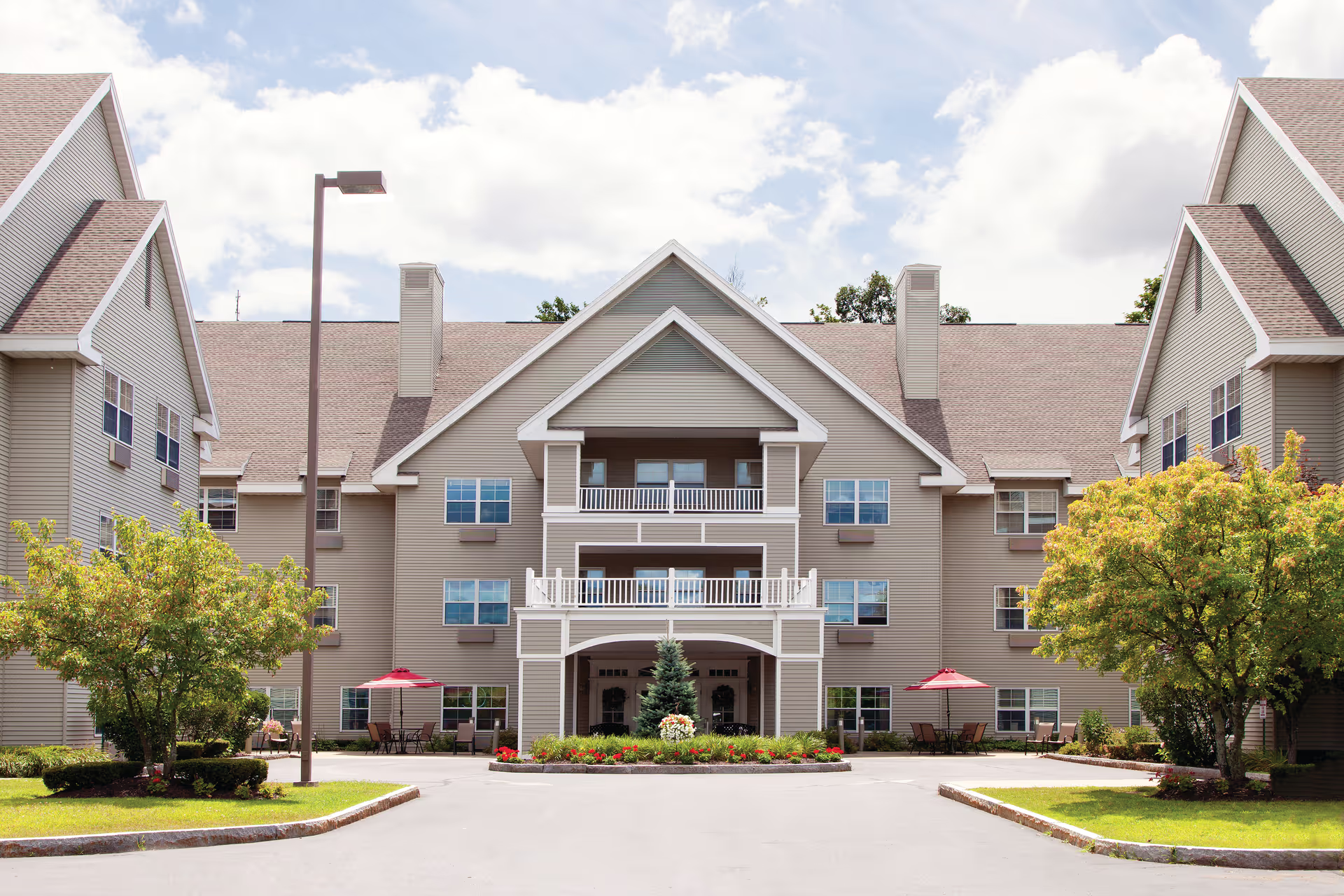
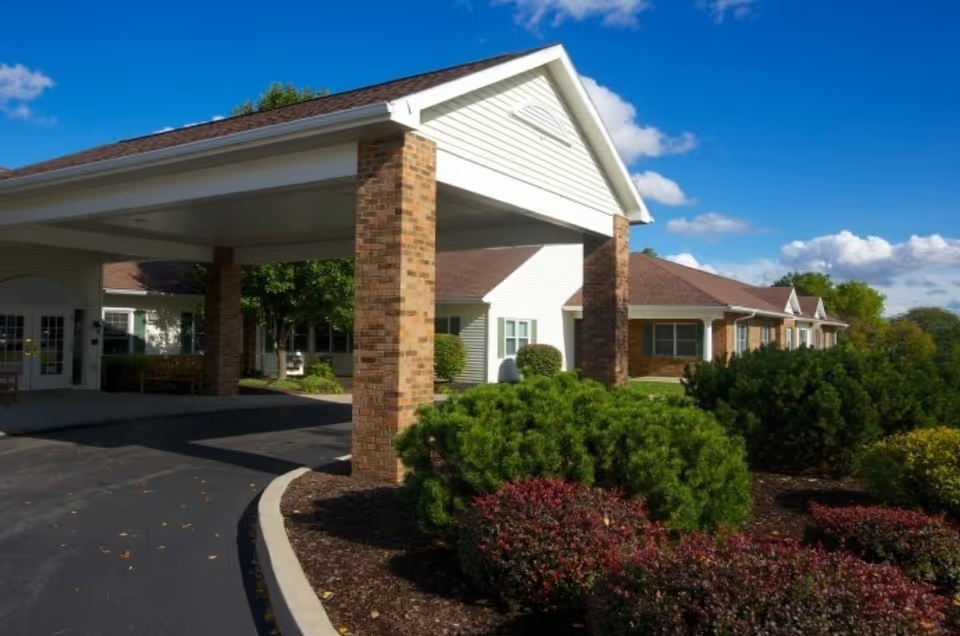
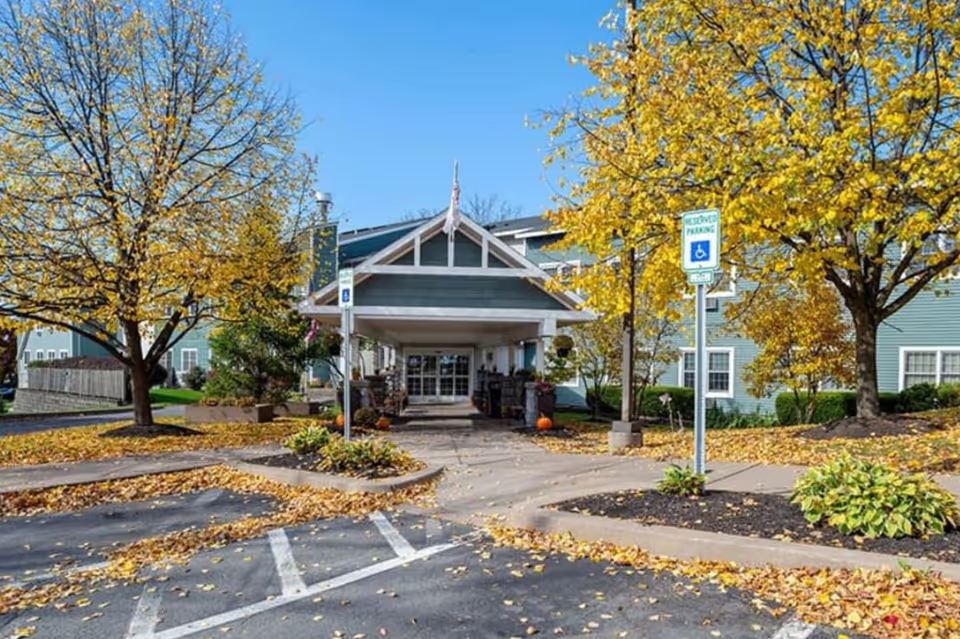
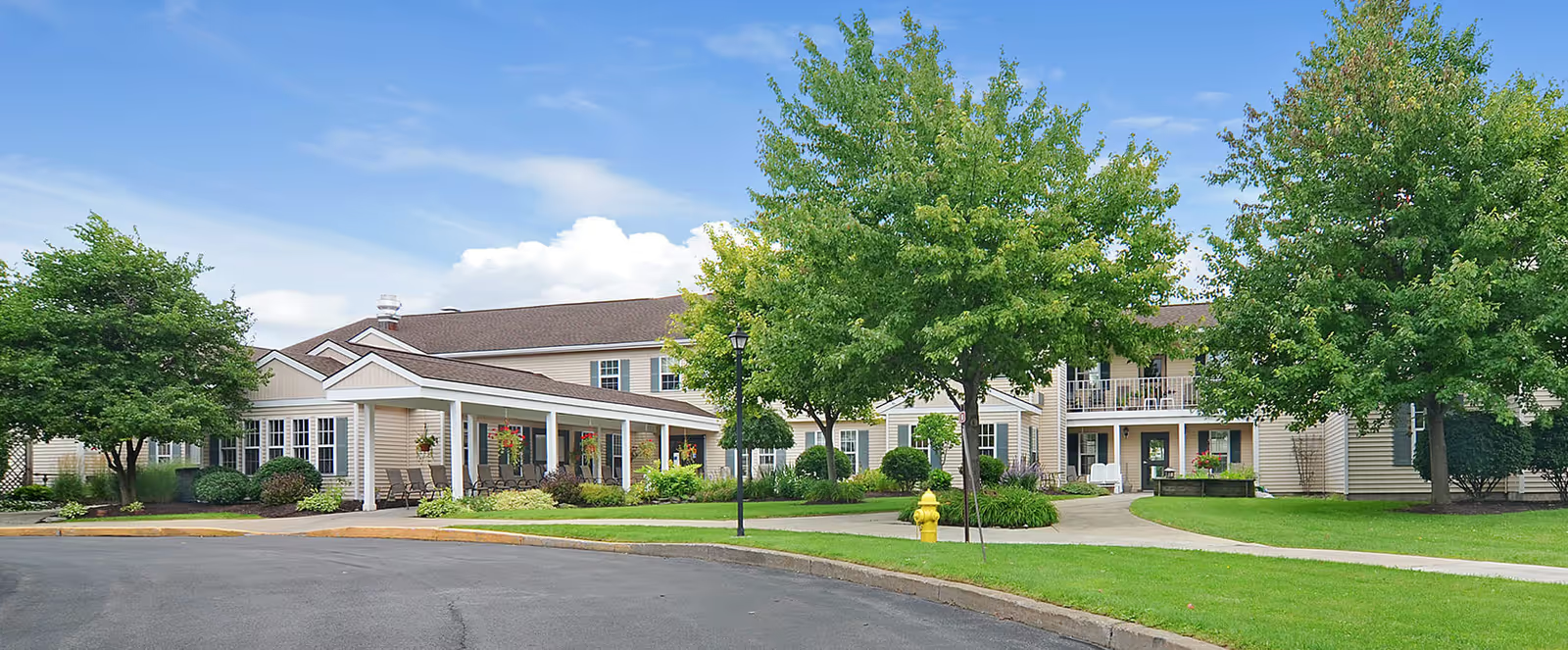
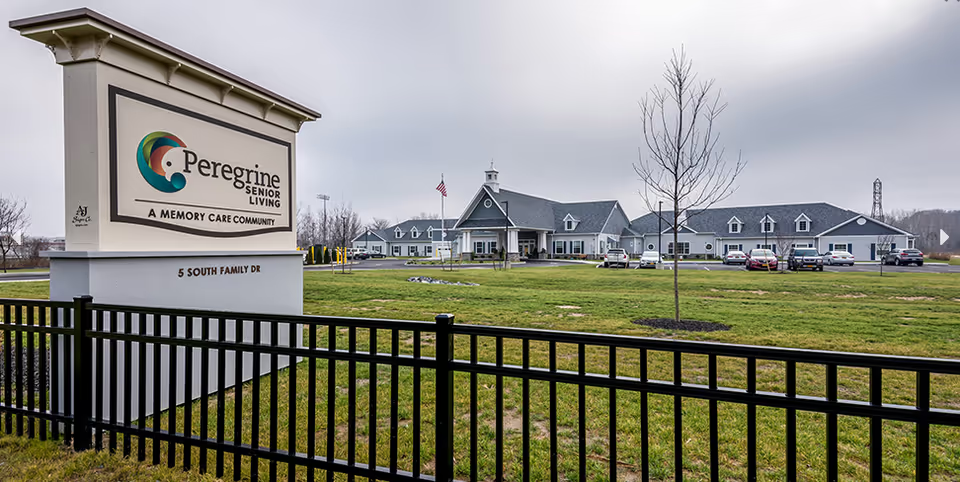
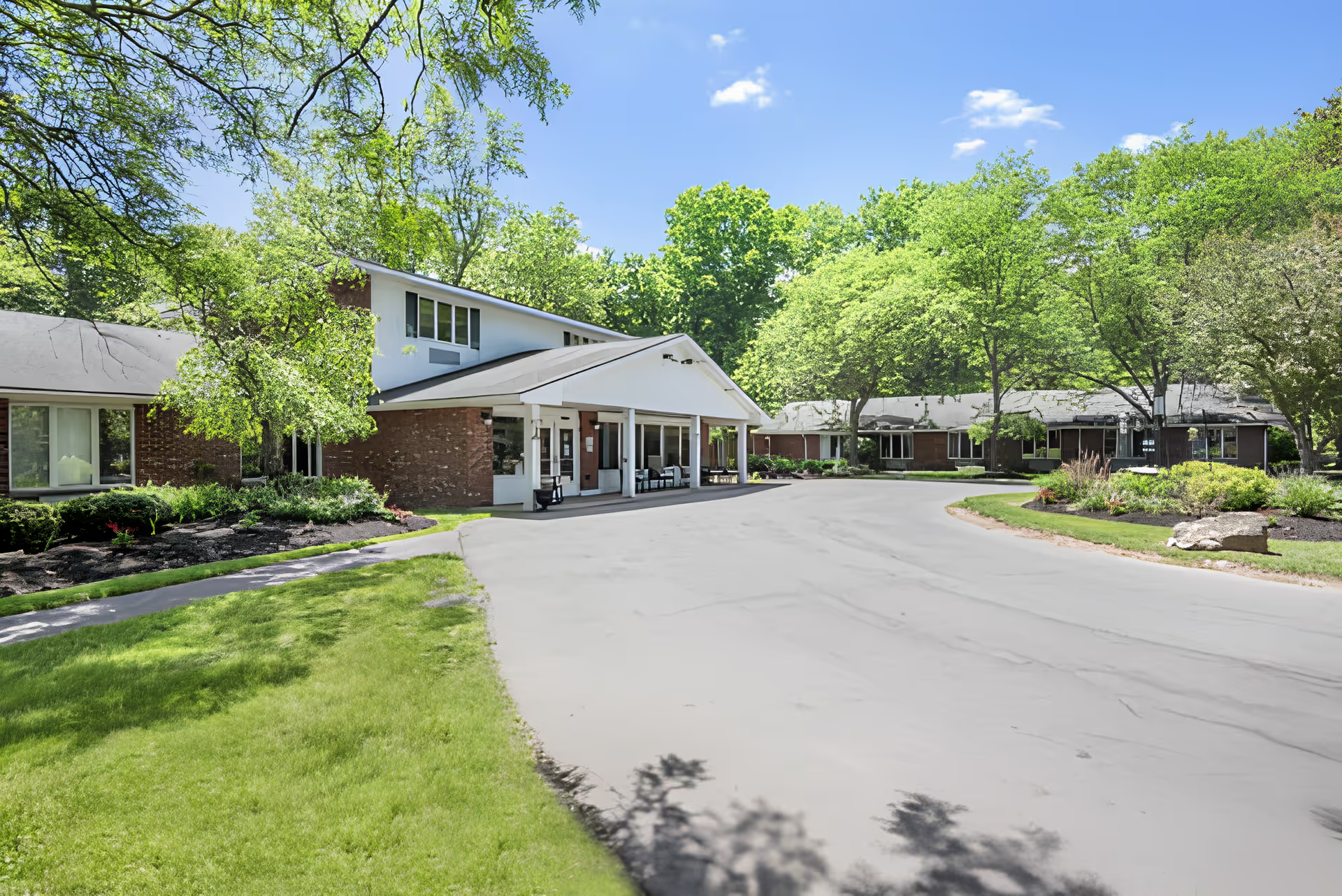
Facility amenities and physical plant receive consistent positive notes for cleanliness, grounds, and a well‑kept interior. Apartment layouts vary: many units include in‑room bathrooms, kitchenettes or refrigerators, and closet space, but some rooms are described as small and modernization is uneven across the campus. The memory‑care wing is present on campus but is relatively small and secure by design; that provides safety for residents with cognitive impairment but limits outdoor access and overall capacity.
Operational patterns to consider include staffing and care‑level capacity. Several families described uneven staffing levels when residents require more hands‑on care, including inconsistent assistance during mealtimes and difficulty meeting higher‑dependency bathroom and feeding needs. There are accounts indicating occasional lapses in responsiveness outside formal tour interactions and concerns about how the facility handles advanced Alzheimer’s care. Pricing changes during the pandemic were noted and may affect budgeting decisions.
Notable outliers include serious individual concerns about staff conduct and discriminatory behavior; these are not the predominant theme of the feedback but are sufficiently serious that prospective residents and families should ask management directly about incident reporting, staff training, and grievance processes during tours. Overall, Park Terrace presents as a clean, activity‑rich, and resident‑centered community that can significantly improve quality of life for many residents; however, families of higher‑acuity individuals should verify staffing ratios, mealtime assistance procedures, and memory‑care capacity to ensure an appropriate clinical fit.