Overview: Reviews of Ross Center for Nursing and Rehabilitation show a facility with distinct strengths in rehabilitative services and family-oriented care, alongside recurring operational concerns. Many families praised the therapy teams, direct-care staff, and reception/administrative personnel for attentive, hands-on care and effective discharge planning. At the same time, reviewers described variability across units and shifts with respect to cleanliness, staffing, clinical coordination, and safety practices.
Care and staff: Physical and occupational therapy are consistent highlights; multiple accounts indicate effective, outcomes-focused rehab that helped residents return home. Nursing, CNA, and social-work staff receive frequent praise for compassion, individualized attention, and proactive communication. However, reviews also describe inconsistent nursing responsiveness (particularly evenings/nights), delayed medication administration, and occasional challenges coordinating with physicians. These patterns suggest variability in staffing levels, training, or handoff processes that can affect timely clinical care.
Dining and activities: Recreation and social programming are strong features: reviewers commonly report multiple daily activities, engaged recreation staff, and a welcoming communal atmosphere. Dining feedback is mixed. Some families found meals pleasant and accommodating; others described inconsistent meal temperature, preparation quality, and inadequate handling of dietary restrictions. The kitchen appears to perform well at times but underperforms in others, indicating variability in meal-service consistency.
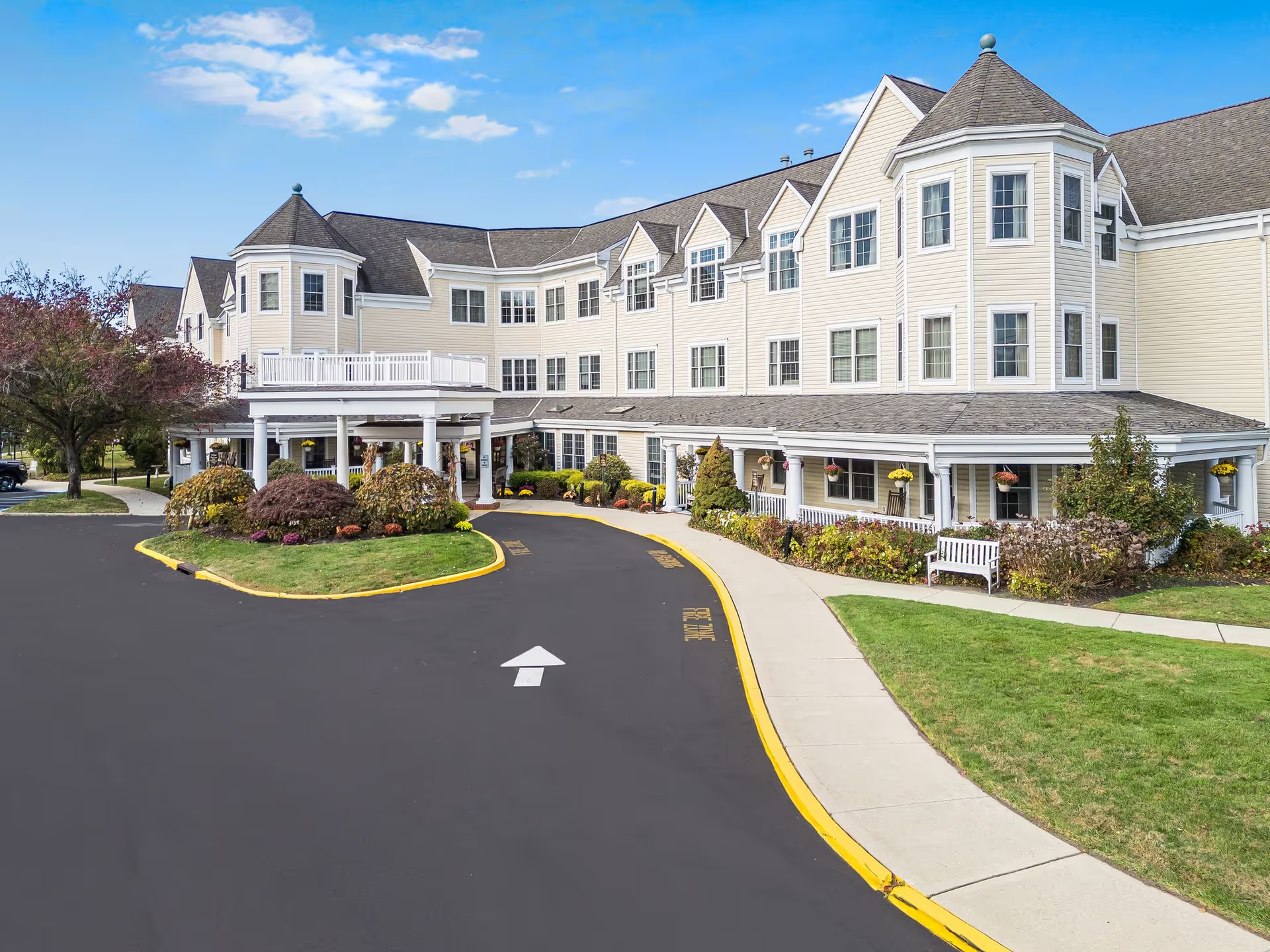
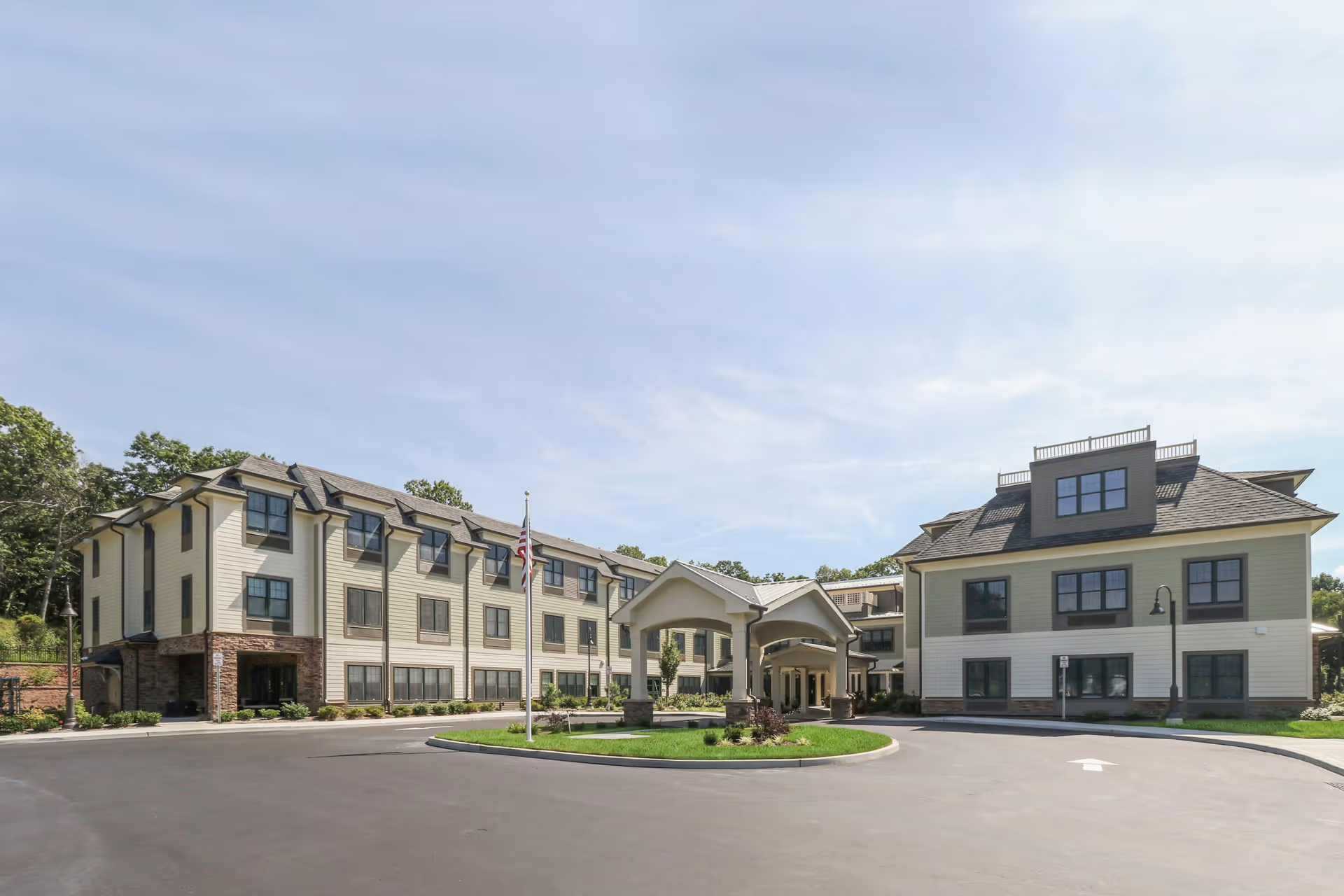
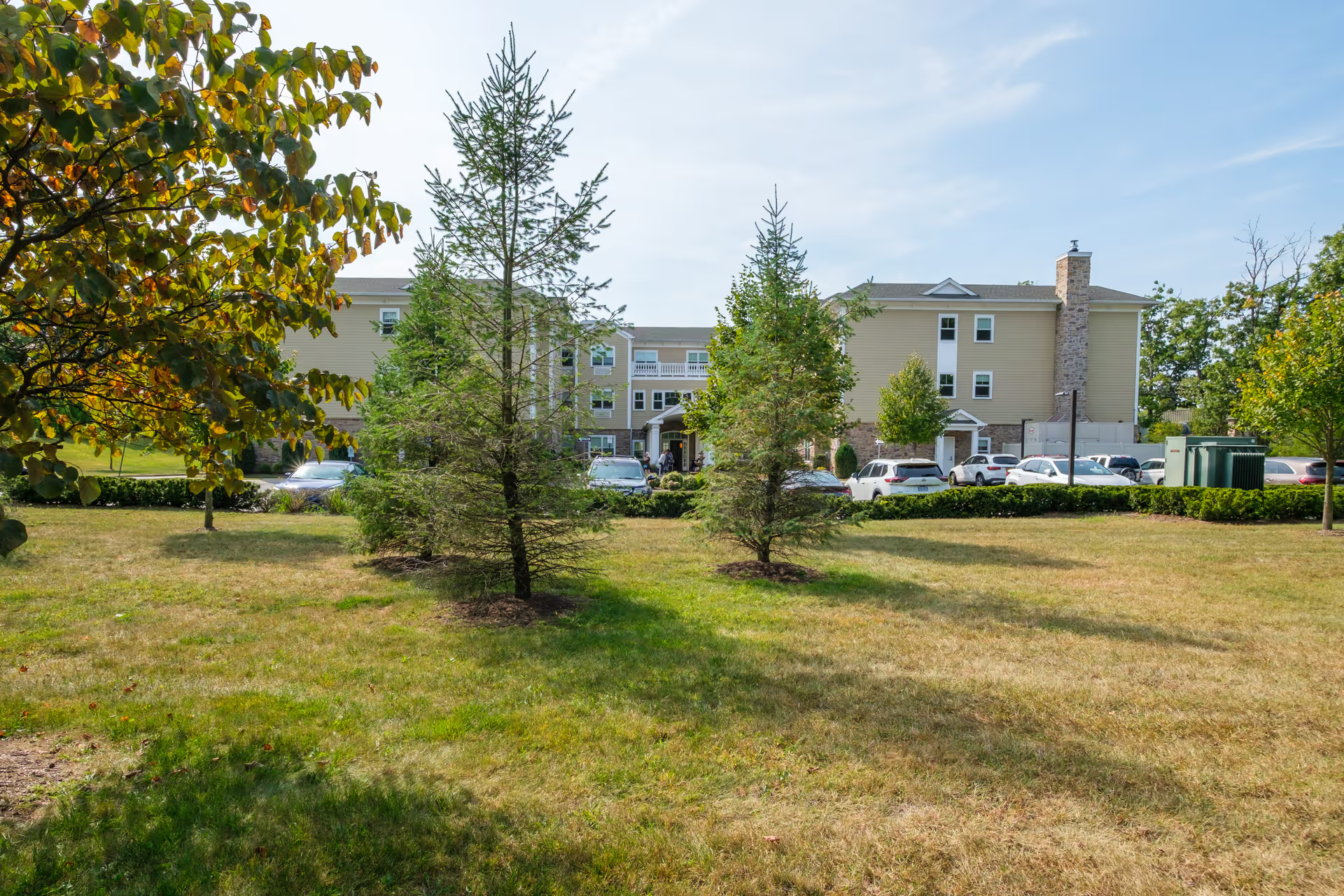
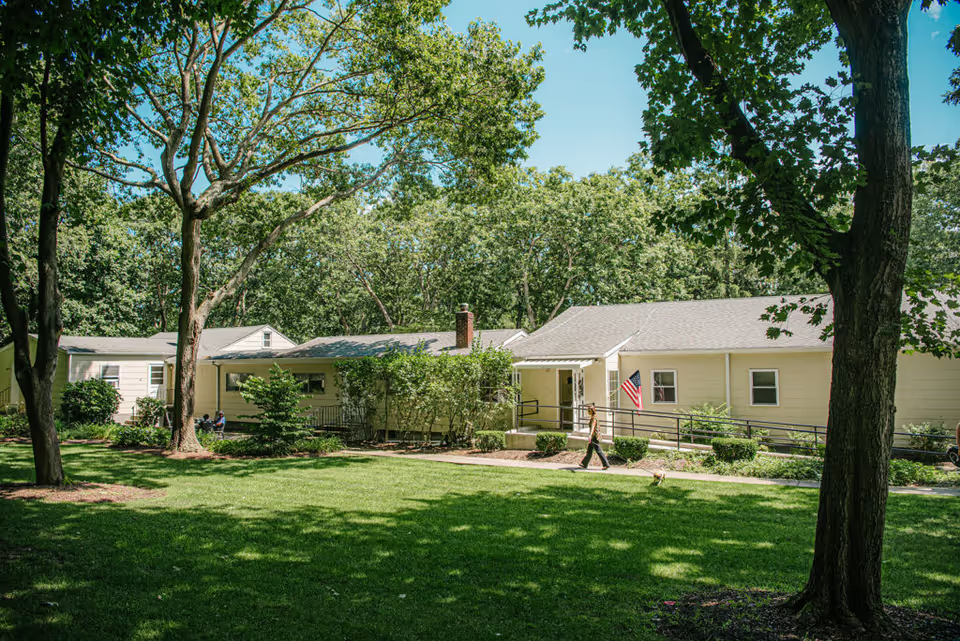
Facilities and safety: Descriptions of the physical plant range from bright, renovated units to areas described as outdated with maintenance and sanitation concerns. Specific facility issues include moisture or mold concerns, peeling finishes, and pest-control and odor issues in certain areas. Safety themes include lapses in supervision for residents with cognitive impairment, inconsistent use of safety equipment, and concerns about personal-item security. These indicate uneven maintenance and supervision practices that prospective families should evaluate in person.
Management, administration, and process issues: Many reviewers commend visible ownership, an open-door approach, and direct responsiveness from administrators during admissions and care transitions. Conversely, recurring operational weaknesses include supply shortages that lead to families providing basic medical items, inconsistent complaint-handling, and billing/financial transparency concerns. There are serious individual claims about coercive admission paperwork and medication-related practices; these are significant and warrant direct inquiry and review of facility policies prior to admission.
Patterns and recommendations for prospective families: The overall pattern is one of strong clinical rehabilitation and many compassionate caregivers with operational variability that affects clinical consistency and the environment. When considering this facility, families should tour multiple units (including evening/nighttime observation if possible), ask about staffing ratios per shift, medication administration protocols, infection-control and pest-control practices, dietary accommodations, and policies for handling supplies and financial paperwork. Reviewing recent state inspection reports and asking for specific examples of complaint-resolution and staff training can help clarify whether the facility’s strengths align with a particular resident’s needs.