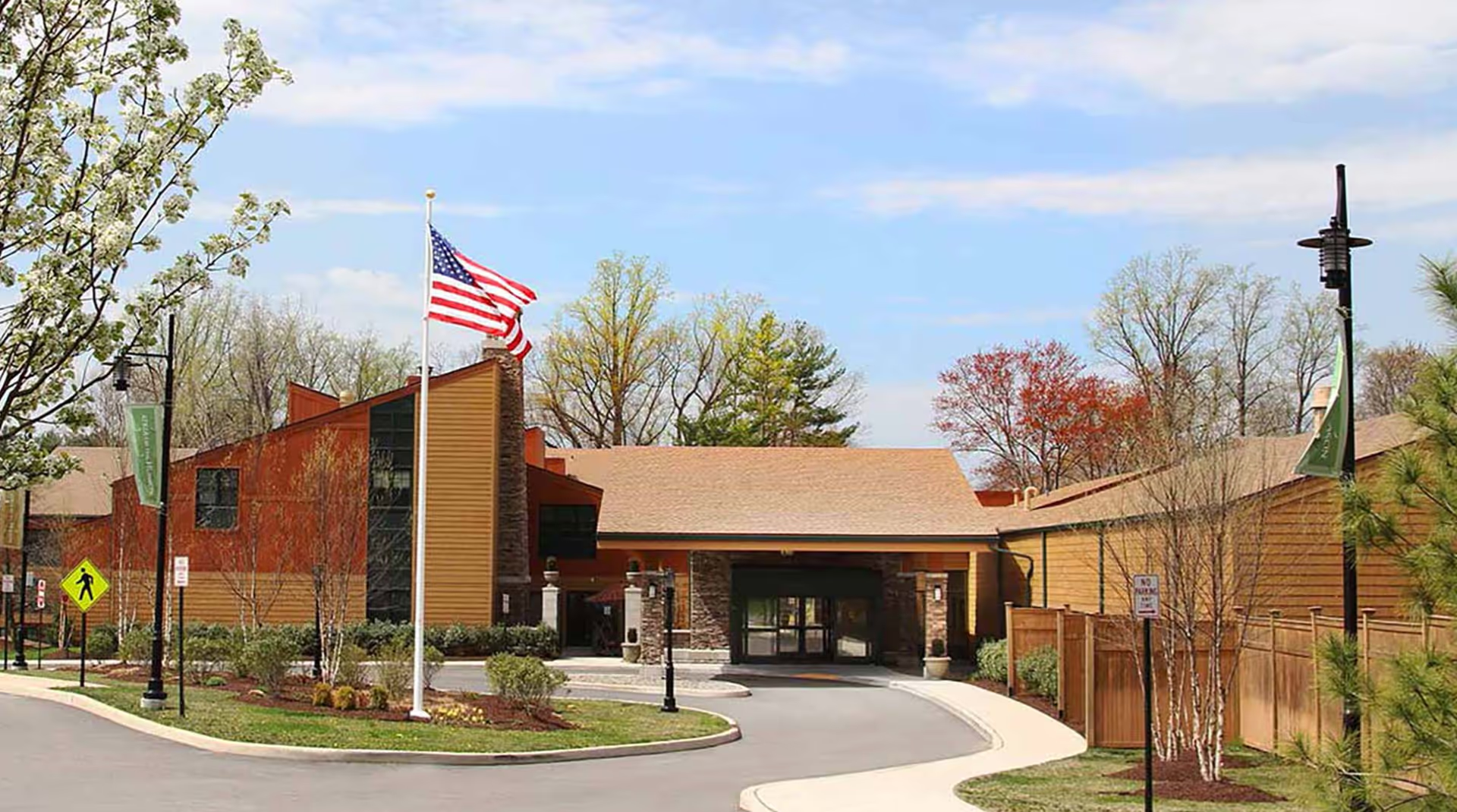
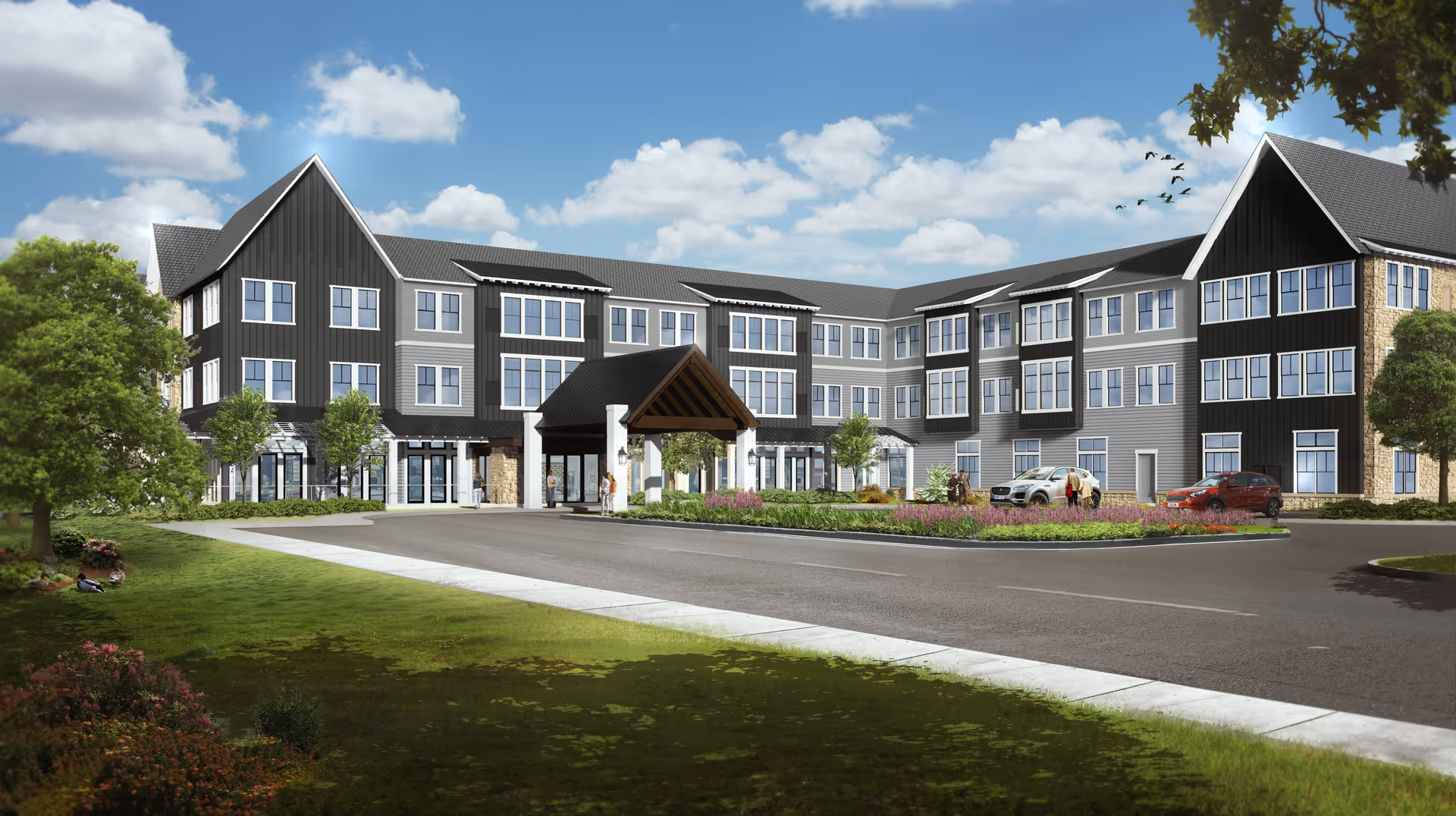
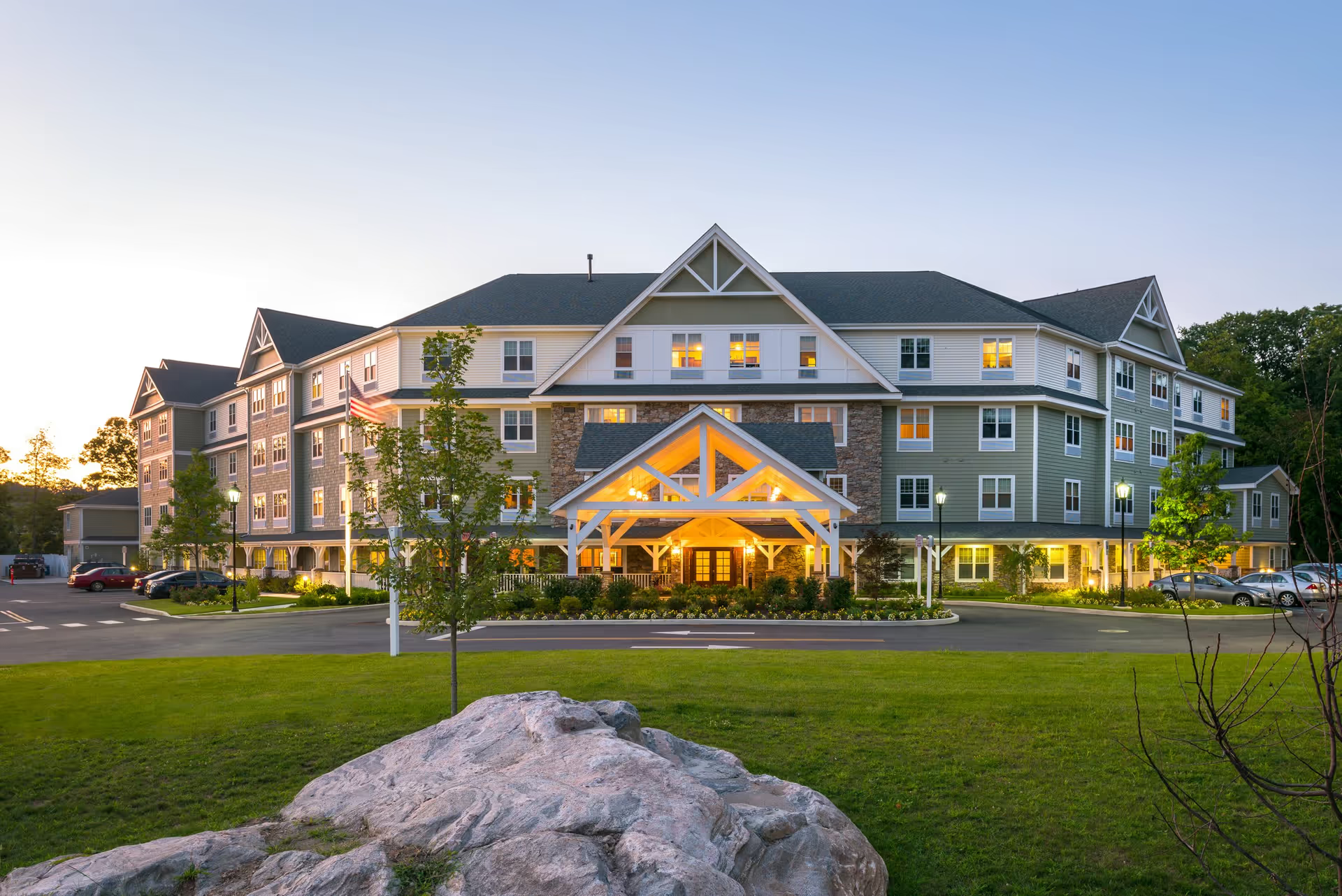
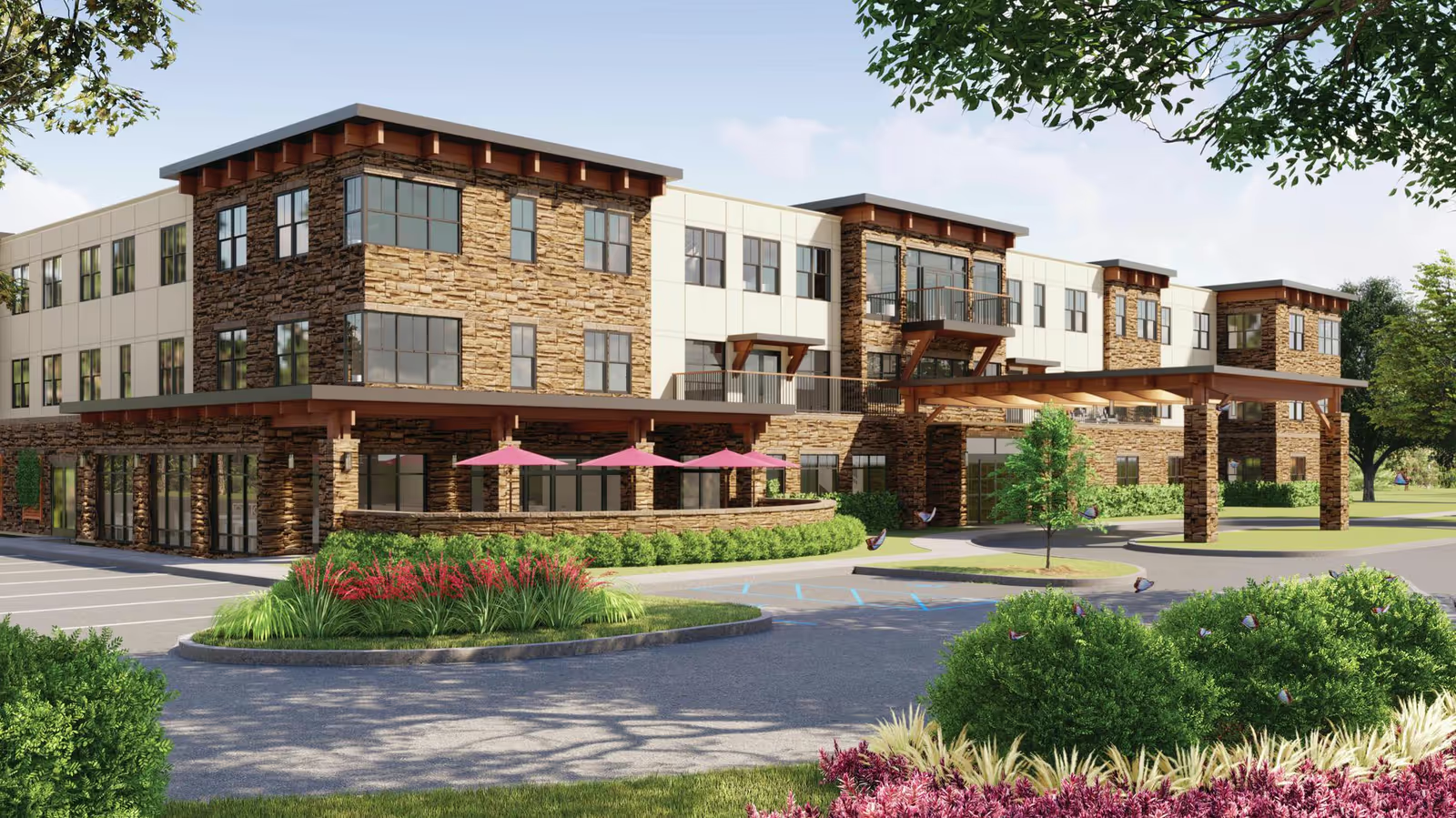
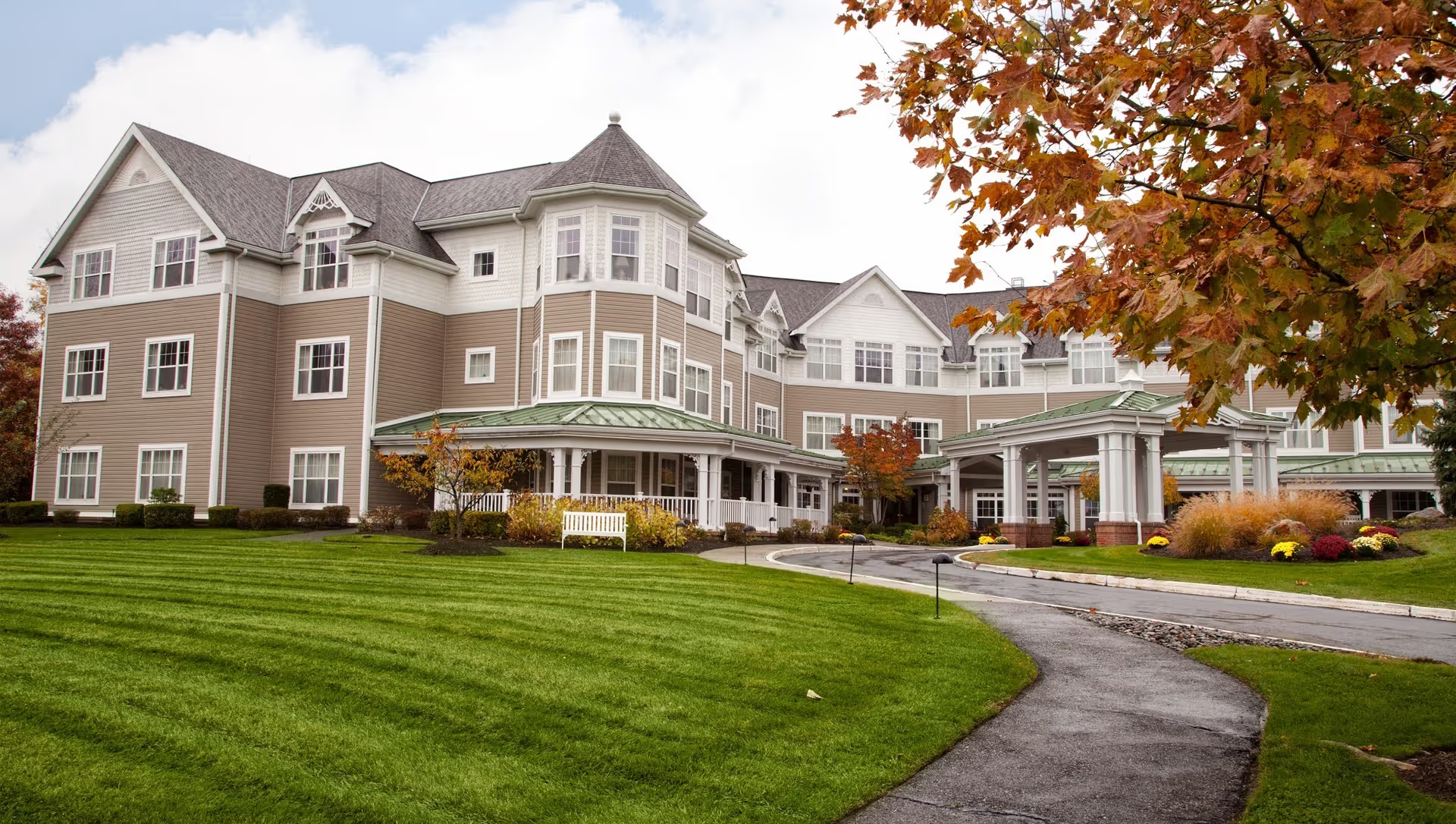
Atria Briarcliff Manor is consistently described as a small, well-kept community with a strong focus on personal attention. Across reviews the dominant strength is the caregiving team: families and residents repeatedly describe staff as compassionate, attentive, and familiar with residents’ needs. Leadership and long-tenured employees are frequently singled out for providing continuity and a family-like atmosphere. The facility’s layout — compact, mostly single-floor units concentrated down a main corridor — supports ease of navigation and a sense of belonging for residents who prefer a smaller community.
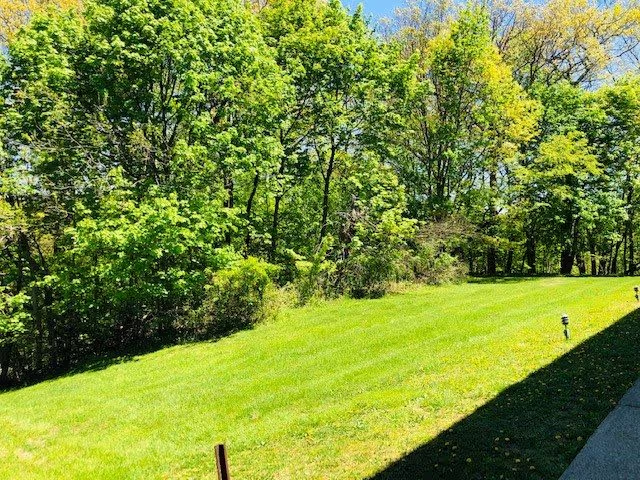
Dining and domestic services are another core positive. Many accounts emphasize restaurant-style meals, attractive presentation, varied menus (including specialty chefs noted), and the ability to accommodate dietary requests. At the same time, reviewers also mention inconsistency in dietary accommodation in a minority of cases, including occasions when reduced-sodium or other specialized plans were not followed as expected. Housekeeping and overall sanitation are described favorably; common areas, private apartments, and outdoor spaces are characterized as bright, clean, and well maintained.
Programming and amenities reflect a middle-ground profile: there is a visible calendar of activities — bingo, chair exercise, mahjong, live music, seated tai chi, discussion groups, transportation to local destinations, and occasional resident-led events — and on-site amenities that include a library, movie room, salon, dining rooms, and outdoor patios connected to a park. Reviewers cite an engaging social environment for many residents, but activity breadth and frequency are sometimes described as limited, especially within the memory-care area during certain periods. The community’s smaller scale also means it lacks some on-site therapeutic and recreational infrastructure found at larger campuses (limited physical-therapy space, no pool, constrained exercise facilities).
Clinical support and safety practices receive generally positive comments: responsive nursing and wellness staff, hourly monitoring in some cases, on-site primary-care access, and adherence to infection-control protocols during COVID were noted. Nevertheless, a subset of families described communication gaps about follow-up care or monitoring (examples include incomplete notification about doctor visits or weighing schedules), and several comments point to variability in memory-care staffing levels or programming intensity. These observations suggest pockets of inconsistency in clinical and program delivery rather than a systemic clinical failure.
Operationally, the community is positioned as a private-pay option with an all-inclusive rate model; reviewers repeatedly identify cost as a significant consideration. Additional fees (cable, certain services) and the potential for charges to increase as care needs escalate are recurring themes. Administrative concerns appear intermittently in the feedback: examples include frustrations with deposit/refund processes, room-hold policies, and other procedural matters. There are also isolated, serious allegations of administrative handling that escalated to dispute or external involvement; these seem atypical but are important for prospective families to query during a tour or contract review.
In sum, Atria Briarcliff Manor presents as a small, well-maintained community with strong, person-centered staffing, good dining, and a warm social environment. Key trade-offs for prospective residents are cost, smaller apartment sizes, and the facility’s limited scope of on-site therapeutic/recreational infrastructure. Families particularly interested in memory-care should evaluate current staffing levels and program cadence during a visit; those for whom cost and independent-living kitchen options are primary concerns should confirm unit availability and the community’s private-pay terms. As with most choices of this type, direct conversations with leadership about administrative policies, dietary accommodations, and clinical communication practices will clarify whether the community’s strengths align with a particular resident’s needs.