Reviews present a highly mixed but coherent pattern: the Atrium Center is frequently praised for its strong rehabilitation services and for many individual staff who provide attentive, compassionate care, yet reviewers also describe persistent operational weaknesses that affect safety, comfort, and family confidence.
Care quality and clinical services: Rehabilitation (PT/OT) is the facility's most consistent strength. Multiple reviewers credit the therapy teams with measurable mobility gains, goal-oriented programs, and supportive one-on-one coaching. Nursing and CNA performance is uneven: many families describe skilled, kind caregivers and timely medication administration, while others note missed medications, delayed responses, poor nighttime coverage, and lapses in wound and continence-related care. Discharge practices appear inconsistent — some patients receive coordinated, team-based planning and helpful post-discharge follow-up, whereas others encounter missing prescriptions or inadequate medication reconciliation.
Staff and management: Individual staff members, including a longstanding concierge and many named nurses and therapists, receive sustained praise for problem-solving and personal attention. At the same time reviewers document variability in staff professionalism and bedside manner, with concerns concentrated on night/weekend shifts and specific units. Management strengths include hands-on admissions and finance staff who sometimes assist with practical issues; however, several reviews flag gaps in managerial follow-through, inconsistent social-work communication, and a perception that promised investigations or actions are not always completed.
Dining and activities: Recreational programming is frequently described as a high point — active schedules, live music, crafts, and social events contribute to a homelike atmosphere and resident engagement. Dining feedback is mixed: some residents praise accommodating meal planning and hot, tasty meals, while others report unappealing food, inconsistent temperature, and restrictions that lead families to supplement meals.
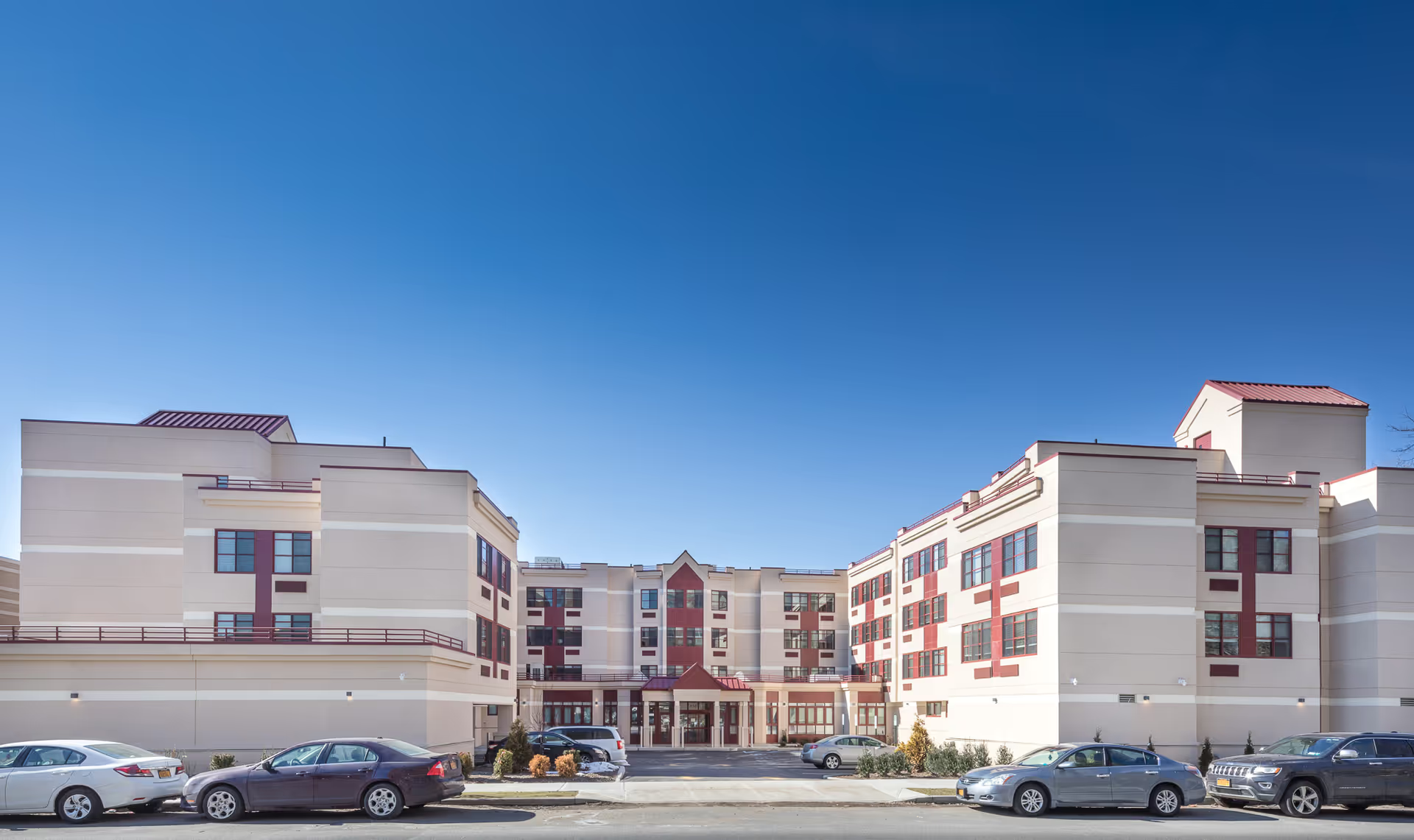
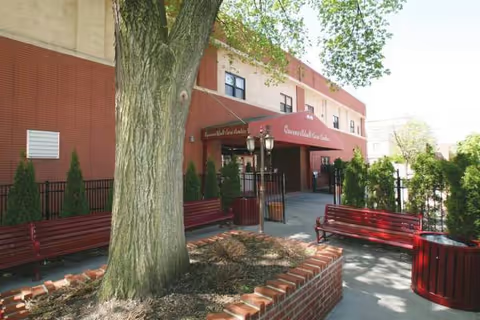
Facilities and environment: Many reviewers describe clean, renovated rooms, prompt maintenance responses, and a generally pleasant setting. Countervailing reports identify localized maintenance problems (air-conditioner leaks, room variability across floors), sanitation and pest-control concerns in some areas, and smaller room sizes on certain units. Security and safety measures receive positive comments overall, though a subset of reviews raises safety-related process concerns — for example, delays in responding to acute changes and inconsistent transfer or equipment-delivery timelines.
Notable patterns and risk areas: The dominant positive theme is high-quality, effective rehabilitation and a number of exemplary staff who enhance the patient experience. The dominant negative themes are operational: inconsistent staffing (especially nights/weekends), unreliable medication and discharge practices, variable cleanliness and food service, and gaps in communication and management accountability. There are also isolated but serious claims — including concerns following a resident's death and allegations of discriminatory conduct — that reviewers describe as upsetting; these are atypical relative to the many positive recovery-oriented reports but warrant careful inquiry by prospective families.
Recommendation guidance: Prospective residents and families should weigh the facility's strong rehabilitation program and many praised staff against the documented variability in nursing coverage, night/weekend responsiveness, medication/discharge continuity, and cleanliness in select units. When considering admission, specific questions to raise include night and weekend staffing levels, medication reconciliation and discharge procedures, pest-control and maintenance practices for the intended unit, and how management documents and follows up on family concerns.