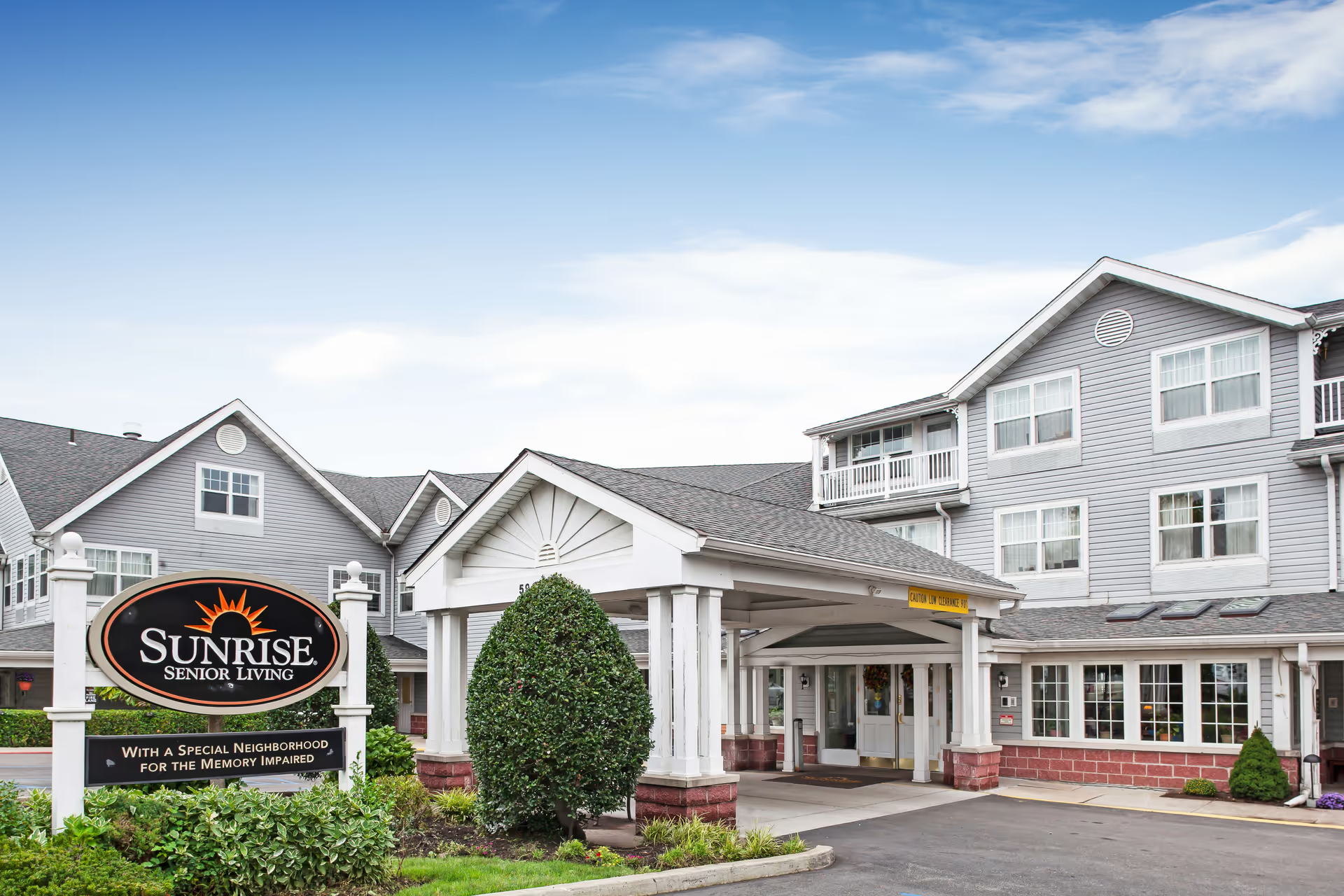
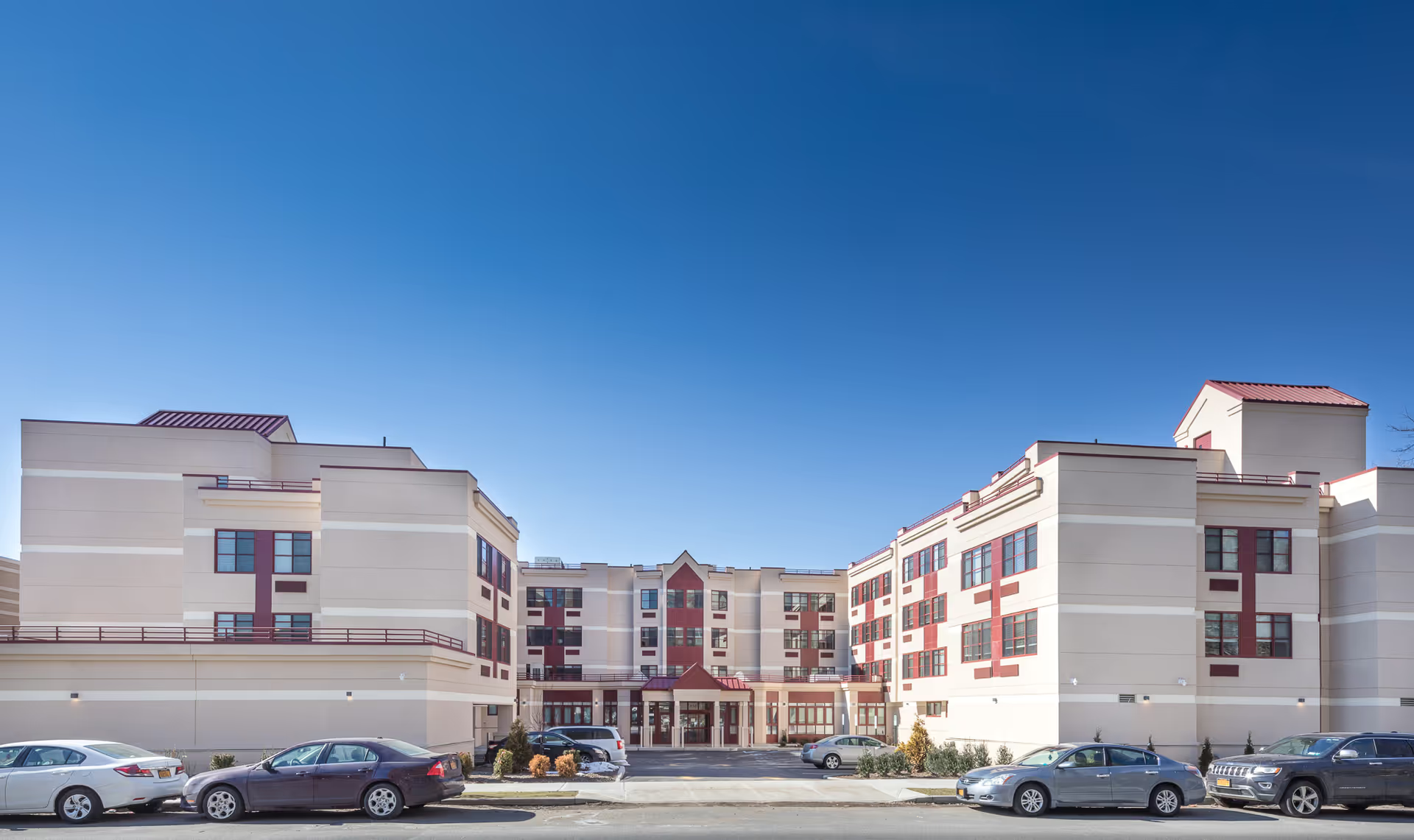
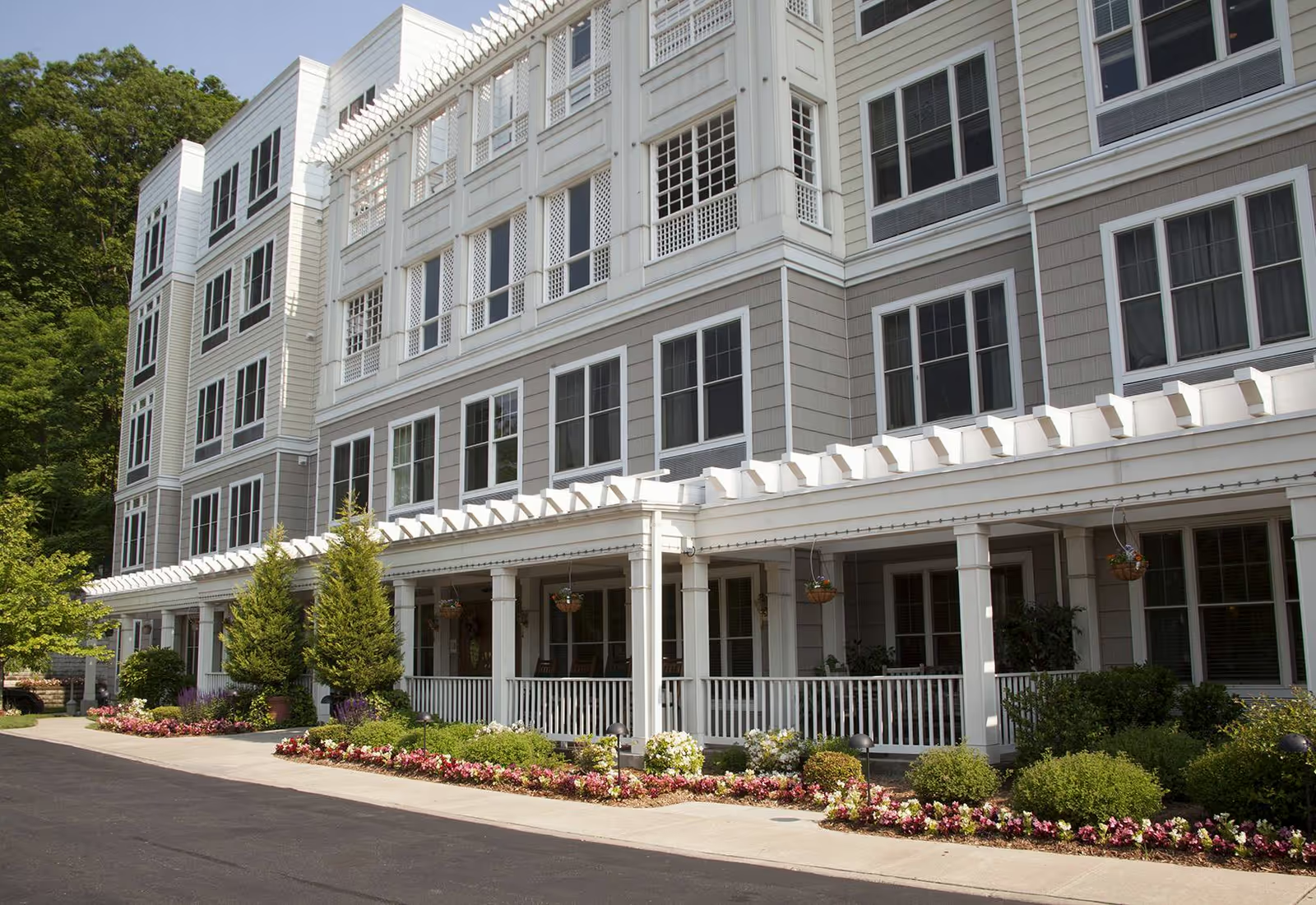
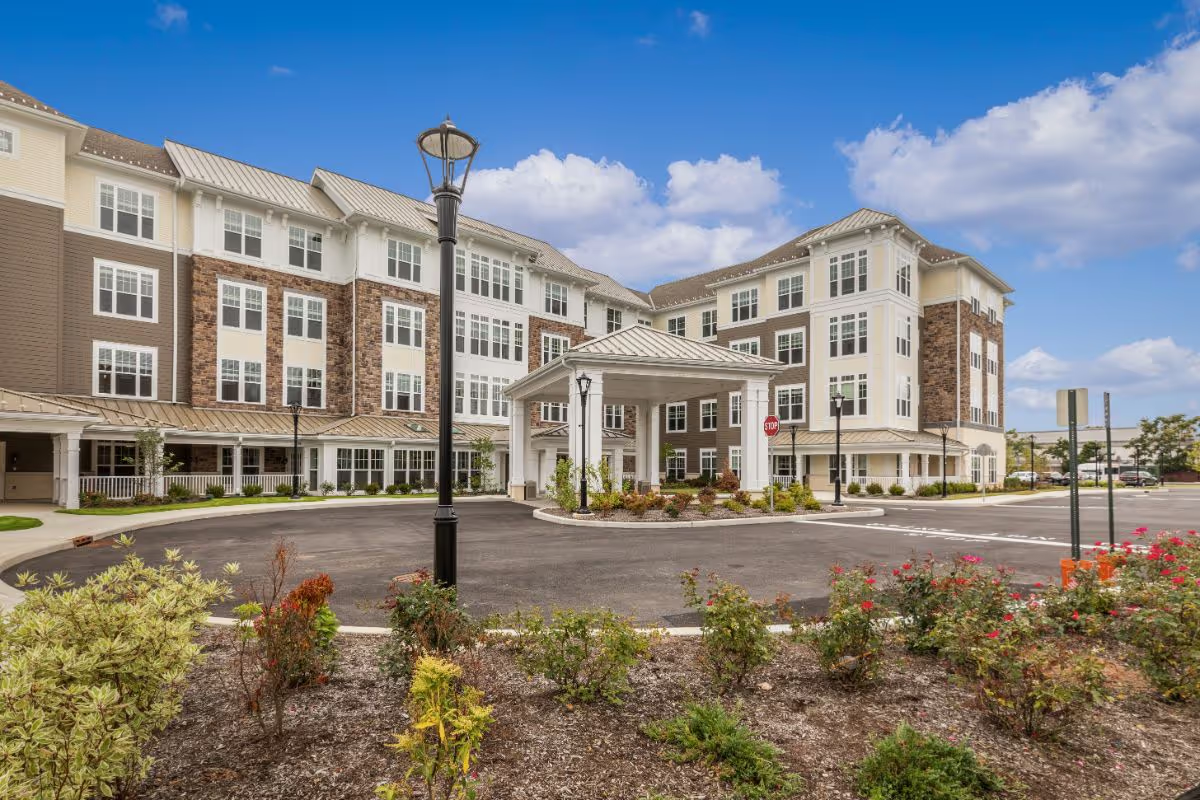
Sunrise at Sheepshead Bay elicits strong, repeated praise for its staff, physical setting, and social programming. Many families and residents describe a warm, welcoming atmosphere, with staff who are attentive, personable, and familiar with residents' names and routines. The facility presents as bright and hotel-like: waterfront views, sunlit apartments, landscaped common areas, and a hotel-style dining room are frequently highlighted. Memory-care programming and on-site therapy services are available and are described as strengths by families who needed those services.
Care quality is characterized as generally compassionate and resident-centered, particularly for people with routine assisted-living needs and those in structured memory-care programs. Reviewers point to helpful nursing staff, medication management, bathing and dressing assistance, and end-of-life/hospice support in some cases. However, there is a pattern of variability: while many families report around-the-clock clinical attention and strong nursing staff, others describe gaps in responsiveness, delays in assistance, and limitations when residents develop higher acuity needs. This creates a mixed picture for families whose loved ones require progressive or intensive clinical care.
Staff performance is a prominent theme. Numerous reviewers commend specific staff members, intake and memory-care managers, and the activities team for responsiveness and warmth. At the same time, there are recurring comments about uneven professionalism, occasional rude interactions, and understaffing that affects timeliness of care. Relatedly, communication with families receives mixed marks: some managers are praised for proactive updates and quick follow-up, while others describe lapses in incident notification and difficulty obtaining medical records or timely explanations after hospital transfers.
Dining and nutrition are often cited as positives — restaurant-style service, multiple menu selections, and a pleasant dining environment — but meal service consistency emerges as an operational issue. Several families note very good food and well-presented meals, while others report cold plates, variable food quality, and limited accommodation of specific medical dietary needs. Meal-timing and temperature control are practical areas where service reliability appears inconsistent.
Activities and social programming are generally strong and diverse, with a full calendar that includes arts and crafts, exercise, trips to restaurants and shops, media/theater offerings, and one-on-one engagement. The activities director is frequently singled out as energetic and adaptive, and the transportation van is noted as a valuable asset for outings. Yet some residents — particularly those with limited mobility or who require more encouragement — are described as under-engaged; families sometimes wish for more proactive outreach to ensure participation by less-mobile or less-social residents.
Facility amenities and operations present a mix of strengths and friction points. The building’s aesthetic, communal lounges, beauty salon, and housekeeping services are positives for many. Renovations and upgrades (for example, Wi‑Fi additions) have been mentioned. Counterbalancing that are intermittent maintenance and repair issues (e.g., appliance or plumbing delays), maze-like floor plans and parking or nighttime entrance challenges, and variability in laundry pick-up or housekeeping reliability. These operational inconsistencies can affect family perceptions of day-to-day reliability.
Management and financial matters show clear patterns: tours and intake teams are often praised for helpfulness and a smooth move-in process, but billing transparency, pricing, and unexpected charges are common concerns. The community’s pricing structure is described as premium; many families find the environment worth the cost, while others report frustration with private-pay affordability and occasional billing disputes or portal issues.
Overall, Sunrise at Sheepshead Bay demonstrates substantial strengths in atmosphere, social programming, and staff-resident rapport. Prospective residents and families should weigh those strengths against practical considerations: evaluate current staffing levels relative to the prospective resident’s care needs, clarify billing and fee policies in writing, ask specific questions about clinical communication protocols and emergency notification, and verify how the community supports residents with higher-acuity or progressive-care requirements. A focused tour and conversation with nursing leadership can help determine whether the facility’s operational consistency aligns with an individual resident’s needs.