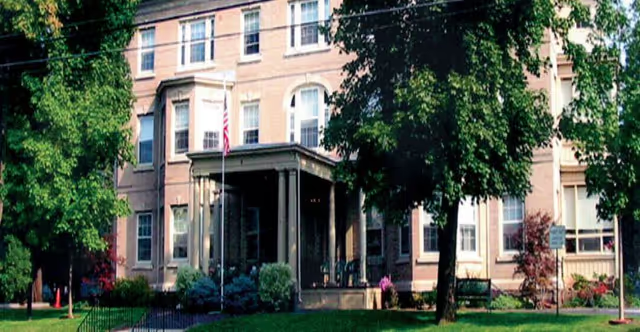
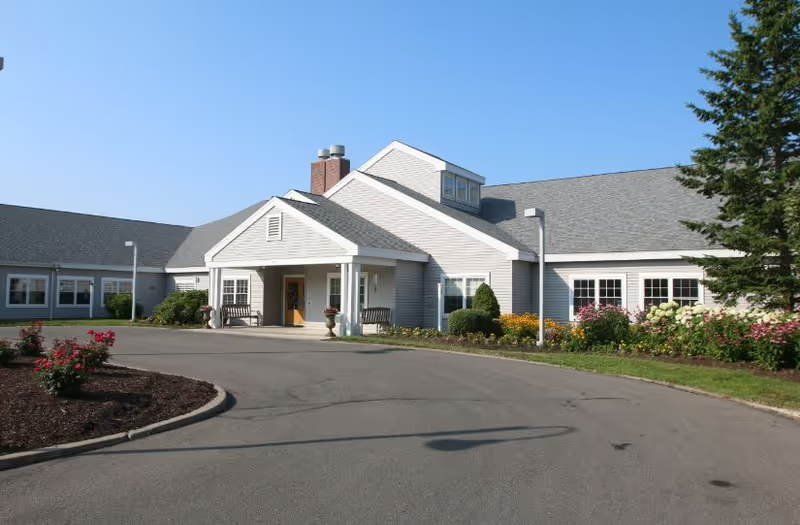
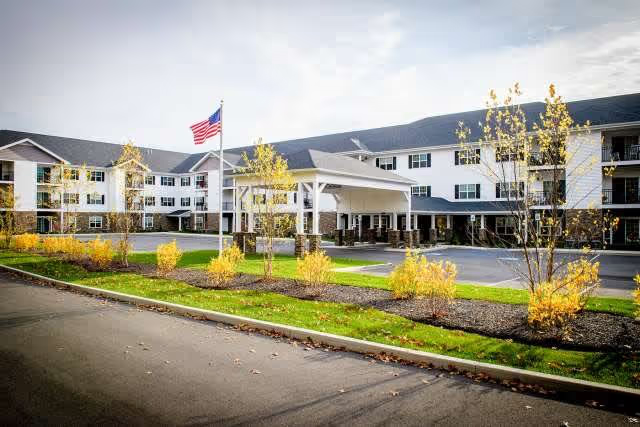
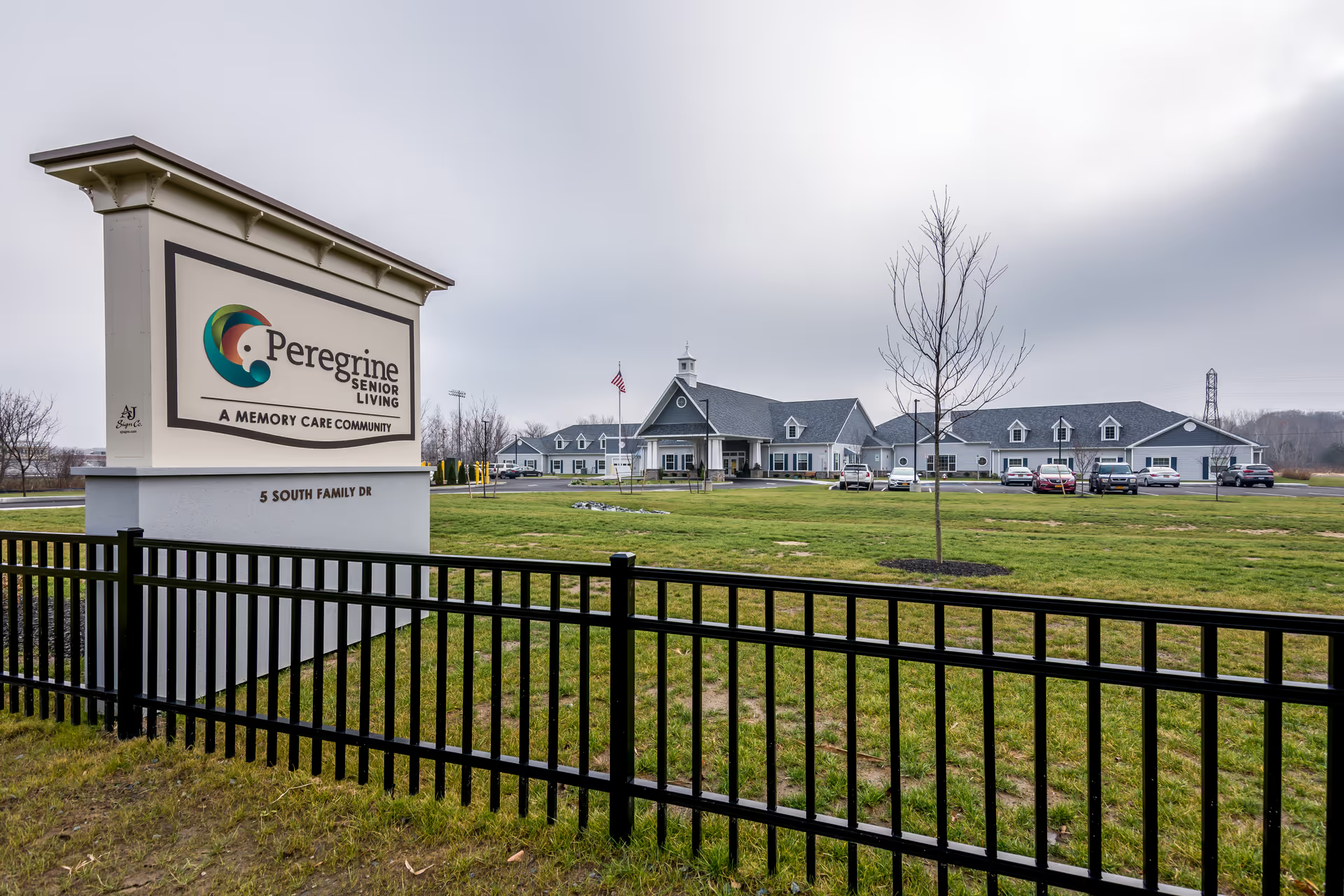
Overall impression: Peregrine Senior Living at Clifton Park is described predominantly as a well-maintained, activity-rich assisted living and memory care community with strong person-centered routines. Many families emphasize the facility’s clean, resort-like environment, multiple outdoor courtyards, and a small-house wing design that supports social dining and resident familiarity. The combination of on-site medical oversight, a computerized medication system, and a regular schedule of activities contributes to a sense of structured daily life and peace of mind for many residents and their families.
Care and staff: The facility receives consistent praise for compassionate and attentive caregiving staff, with frequent comments that staff know residents by name, use gentle redirection for wandering, and provide proactive check-ins. Reviewers cite quick responses to needs, continuity of caregivers, and a family-like culture created by front-line team members. At the same time, there are recurring concerns about variability in staff conduct and responsiveness; some families describe experiences of impatience or delays. There are also isolated but serious concerns about medication administration and clinical coordination that families recommend clarifying during tours and contract review.
Dining and activities: Dining is frequently described as a strength — diverse, restaurant-style meals and appealing menus that residents enjoy. The community also appears to offer a broad and active programming calendar: exercise classes, live entertainment, crafts, outings, religious services, and social games are commonly mentioned. These offerings support resident engagement and family reassurance that loved ones remain active and connected.
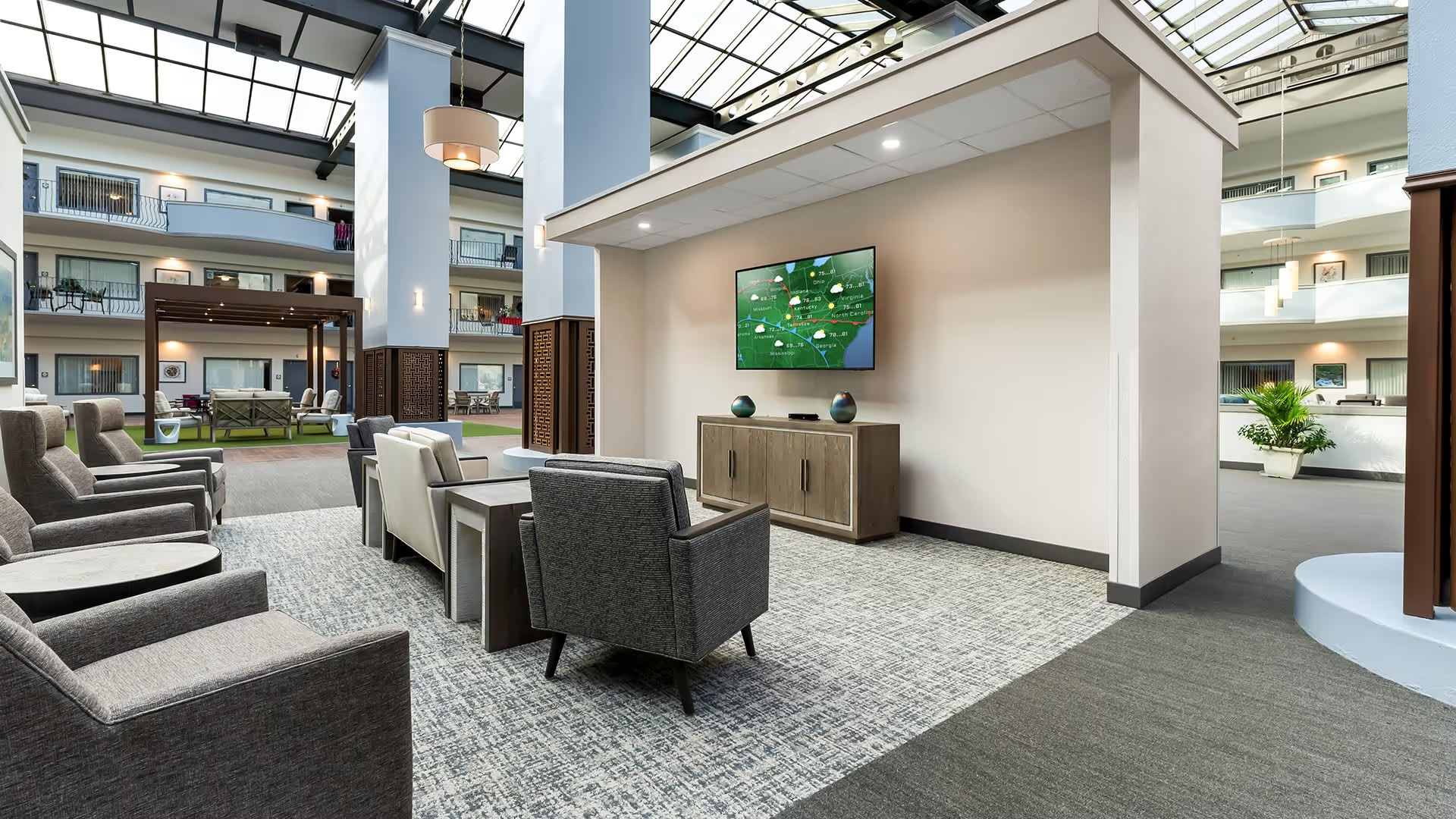
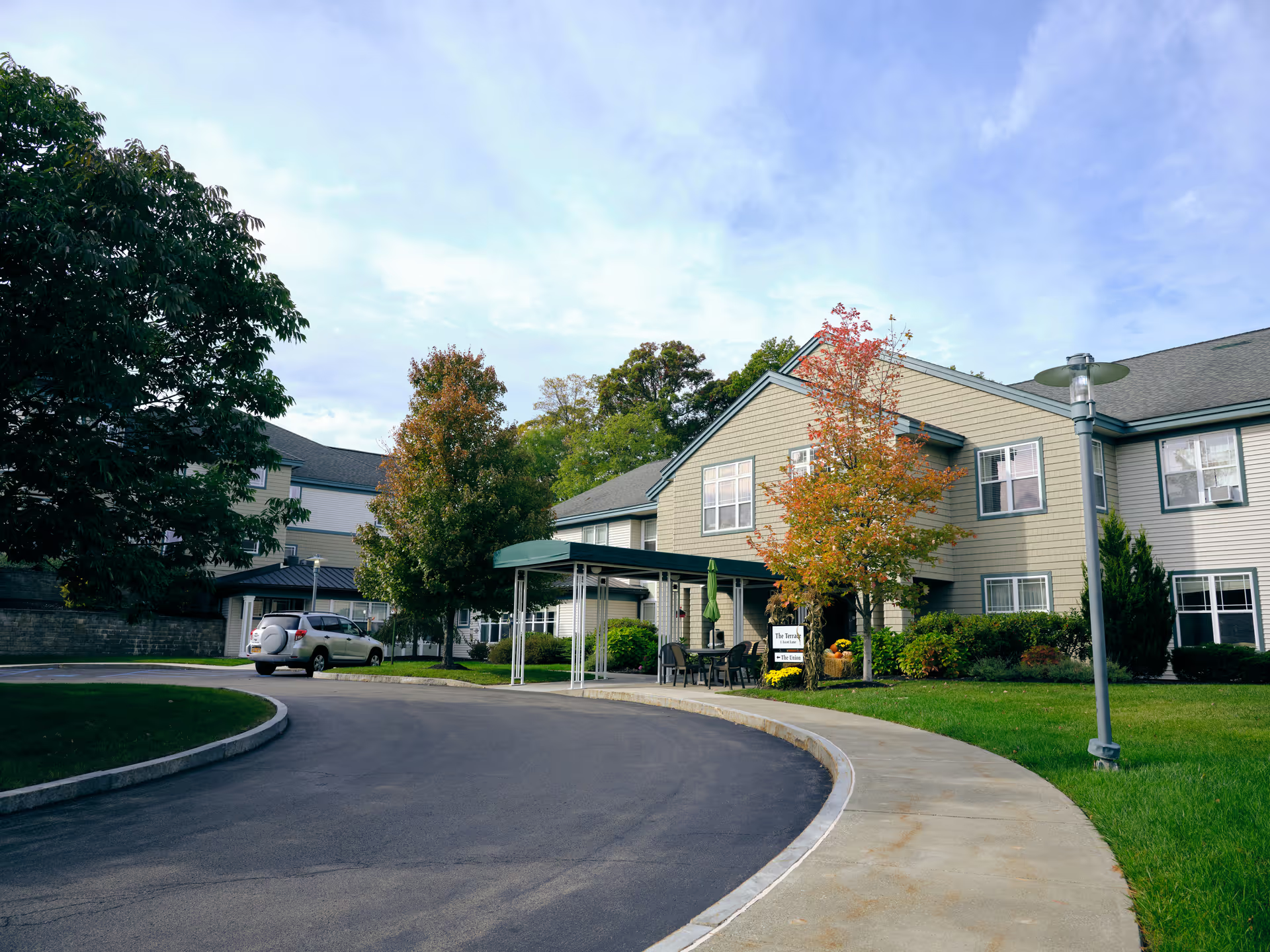
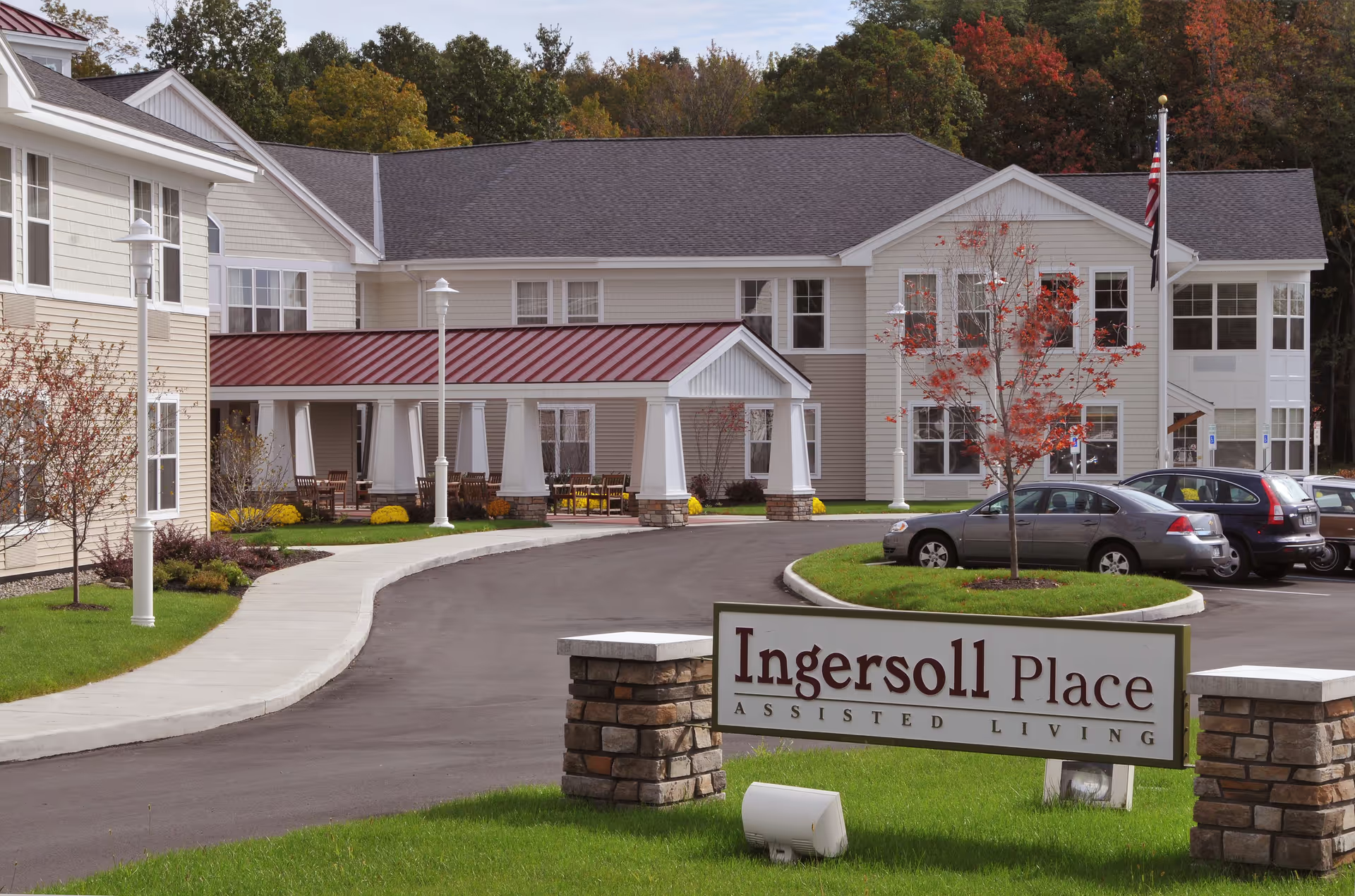
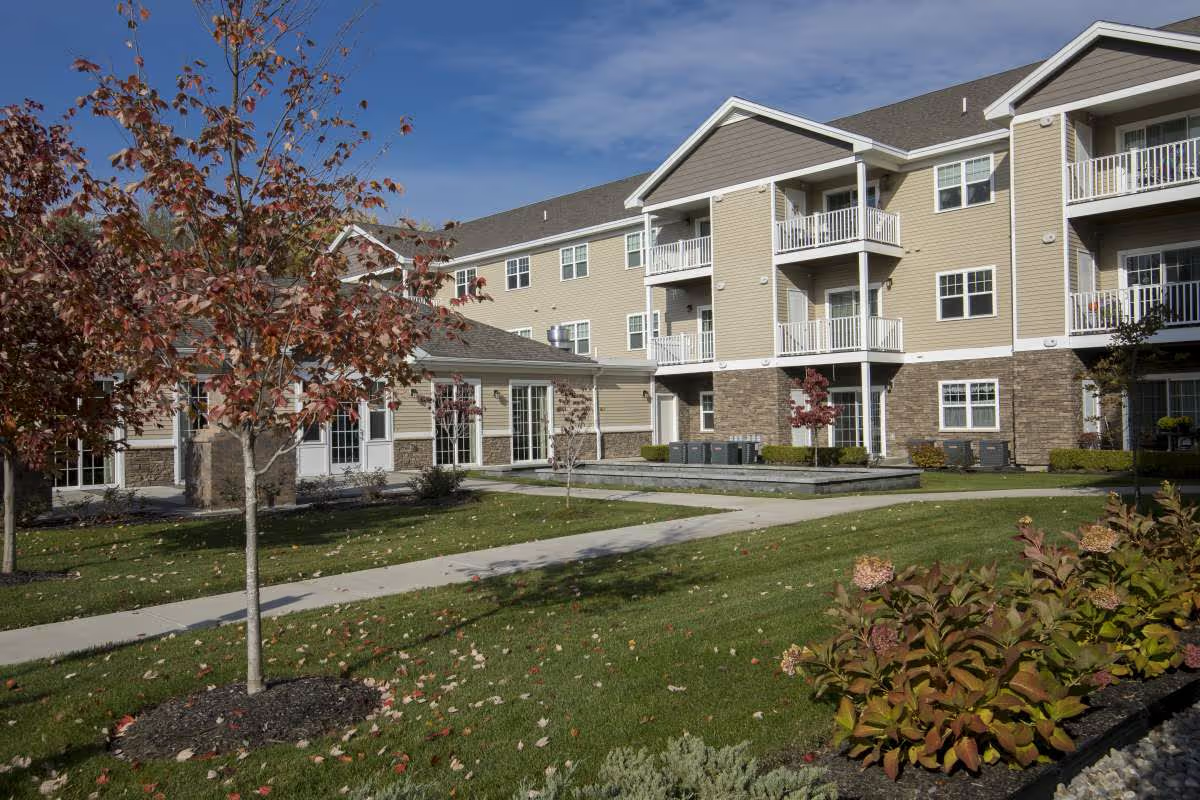
Facilities and campus: The physical environment is repeatedly noted as bright, clean, and well maintained, with resort-like furnishings and multiple courtyards that encourage outdoor time. Small wings of 20–25 residents are cited as beneficial to a home-like atmosphere. Some reviewers, however, note variability in apartment condition (for example, maintenance issues or cosmetic defects) and intermittent construction-related dust; prospective residents should inspect specific rooms during a tour.
Management and operations: Communication from administration and business-office staff is commonly viewed as a positive, with families reporting timely updates and coordinated admissions. Conversely, reviewers advise careful review of admission paperwork and assessments: there are mentions of misaligned expectations about the level of care provided at move-in and warnings to confirm what services are included. The community appears to have limited capacity for higher-acuity nursing needs, and several families note that residents requiring two-person lifts or advanced medical care may need transfer to a skilled nursing setting.
Notable patterns and recommendations: The dominant pattern is positive — strong caregiving, active programming, good dining, and a clean campus. However, there is a secondary pattern of operational inconsistency affecting a minority of families: medication and clinical coordination issues, occasional staff responsiveness variability, room-condition differences, and transport limitations for off-site medical appointments. Prospective residents and families would be well served to tour multiple units, ask for specifics on medication and transfer protocols, clarify transportation and physician-visit policies, and review the admission agreement closely to confirm expectations and included services.