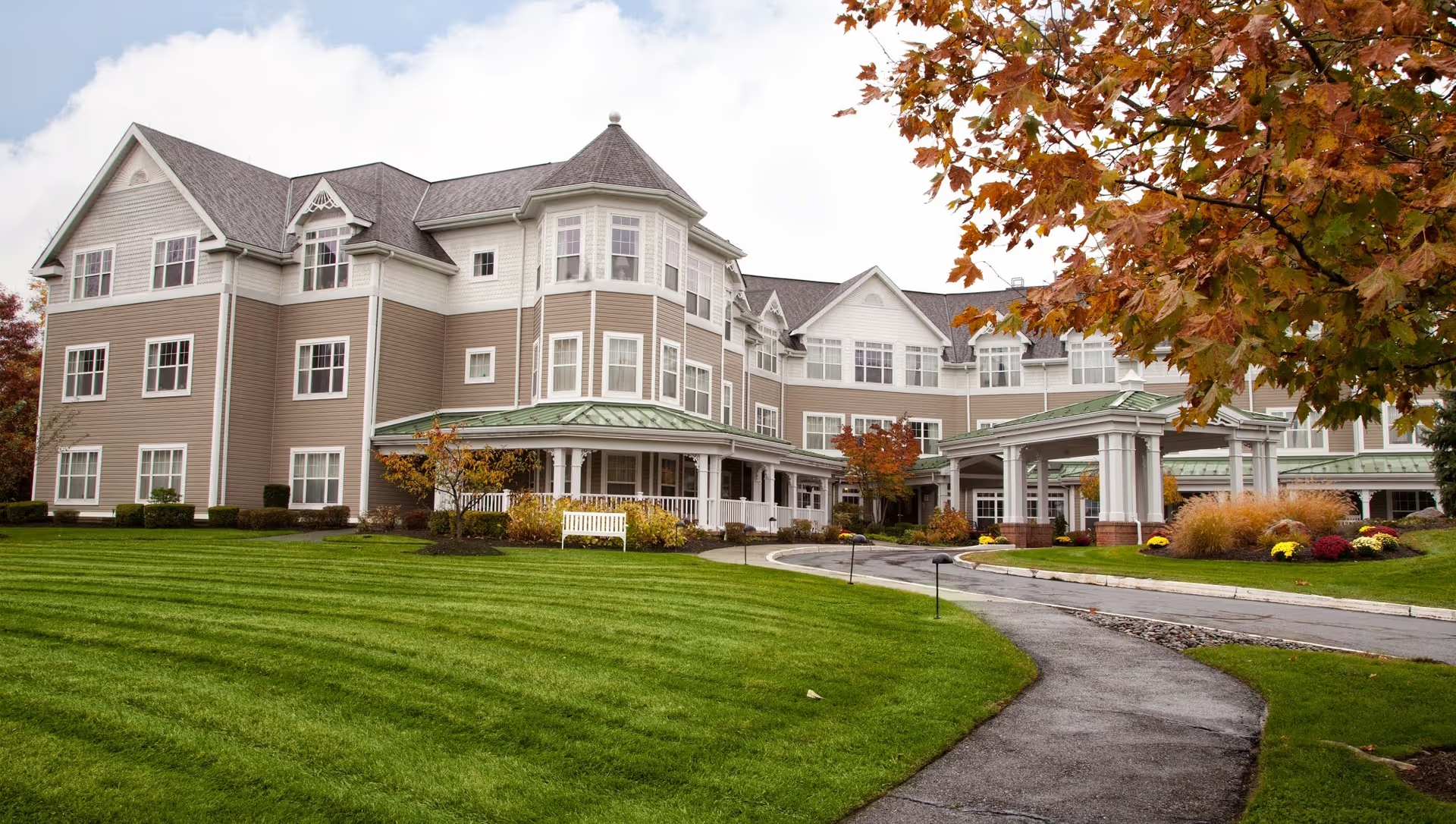
Yorktown Assisted Living Residence is presented in reviews as a community with clear strengths in clinical coverage, social programming, and a home-like atmosphere. Clinical supports are a consistent positive: the site maintains licensed nursing coverage, medication supervision, on-site physical therapy, and visible physician oversight for residents. Families frequently cited reassurance around medical-management practices and praised staff for handling transitions between assisted living and memory care.
The caregiving team draws frequent praise for compassion, attentiveness, and active engagement. Multiple comments highlight staff who help with dressing and personal needs, maintain independence where possible, and provide emotional support to families. At the same time, reviewers indicate variability in caregiver skill and interpersonal tone; this unevenness is often associated with workload and staffing patterns, which some families say has led to slower call-bell response times and occasional communication gaps.
Dining and activities are prominent assets. The community offers chef-prepared, restaurant-style meals with a wide entree selection, supplemented by regular live music, themed events, fitness classes, arts and crafts, and outings. Transportation services, on-site salon, and a strong activities calendar support social engagement and mobility. Some families found the dining consistently excellent, while others described bland meals or inflexibility around special requests, suggesting inconsistent culinary performance on occasion.
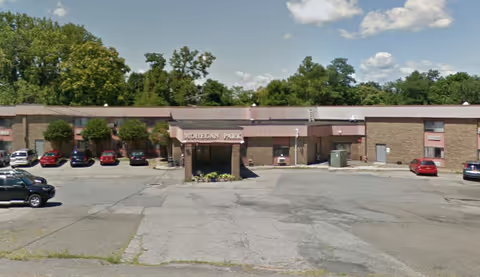
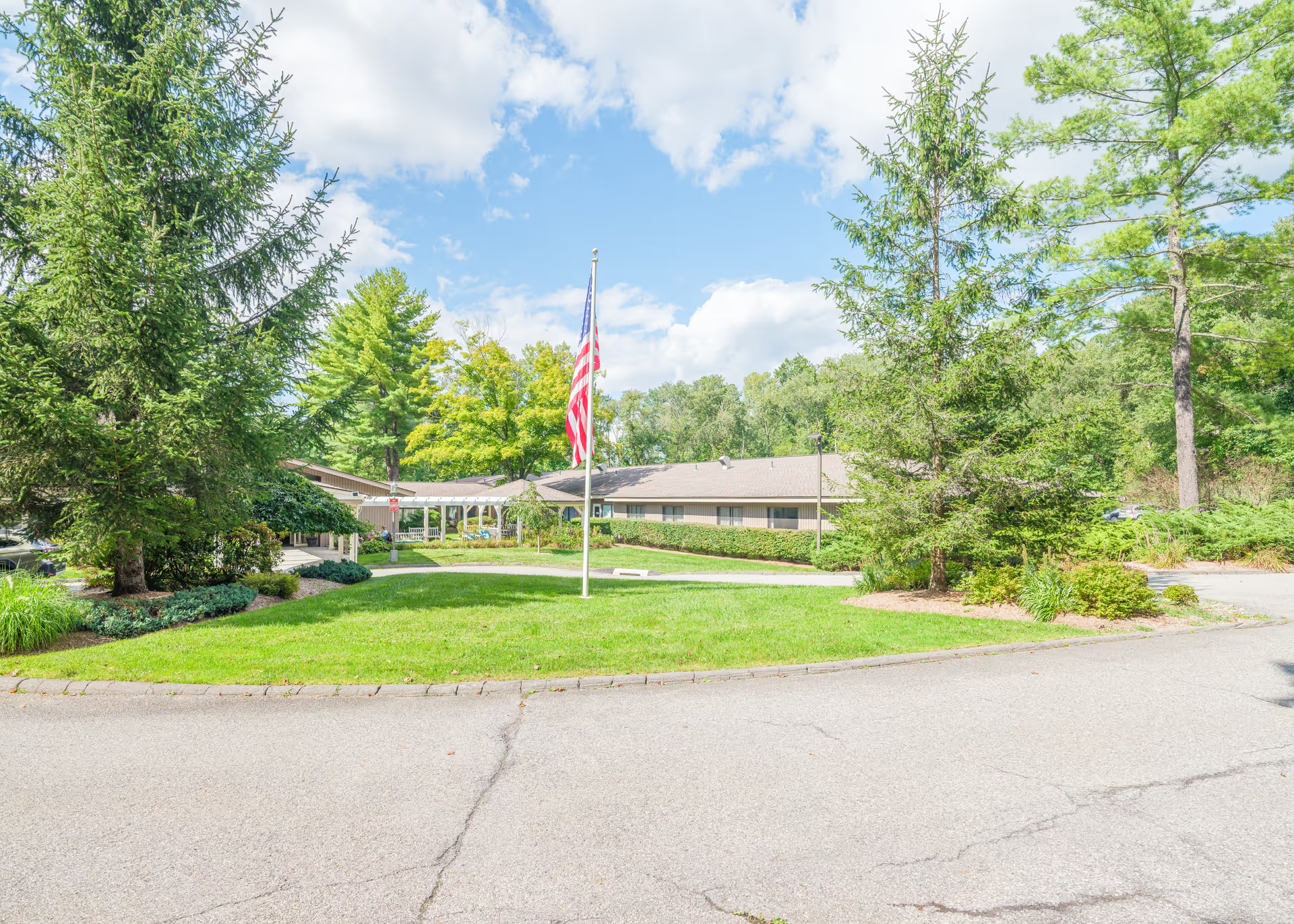
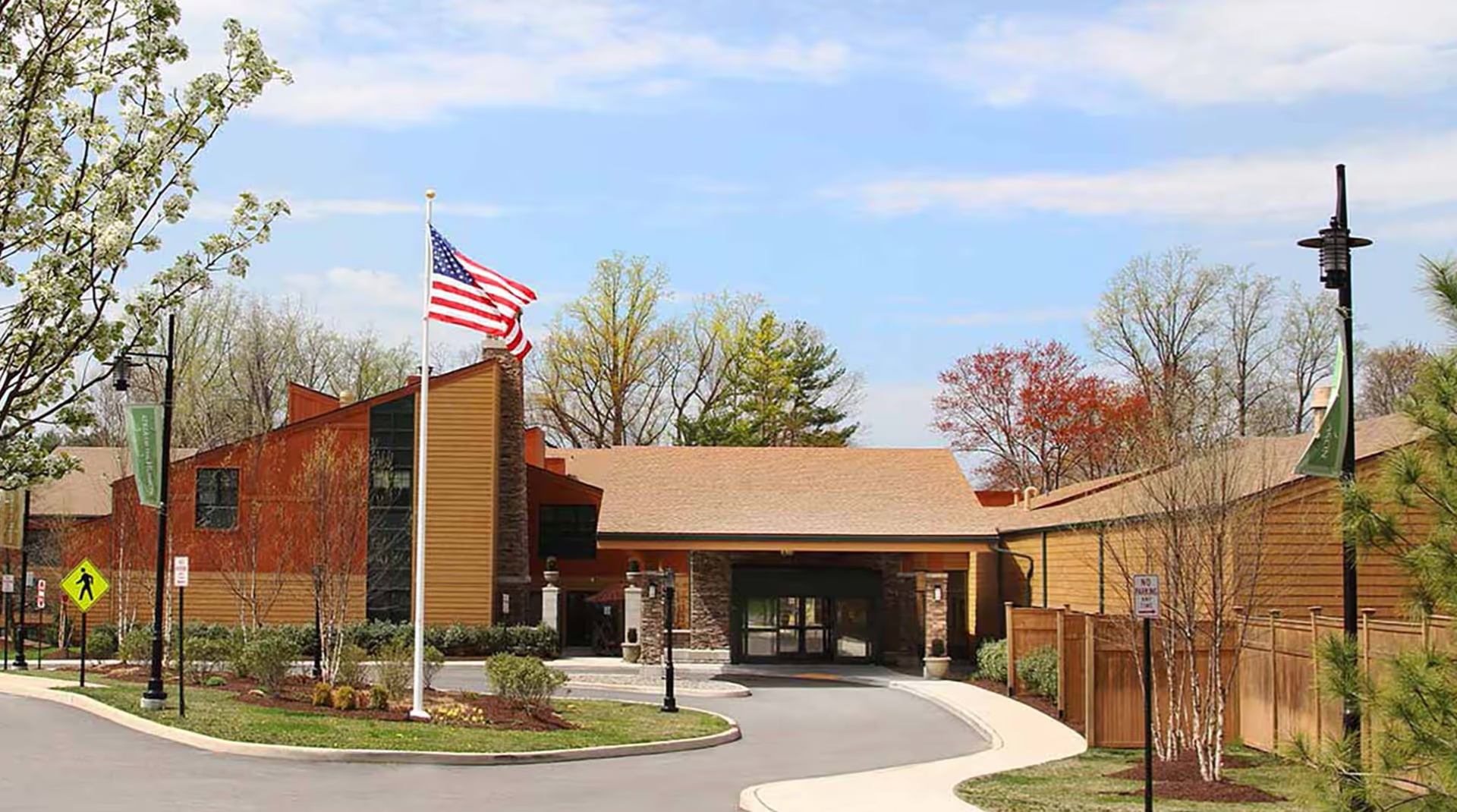
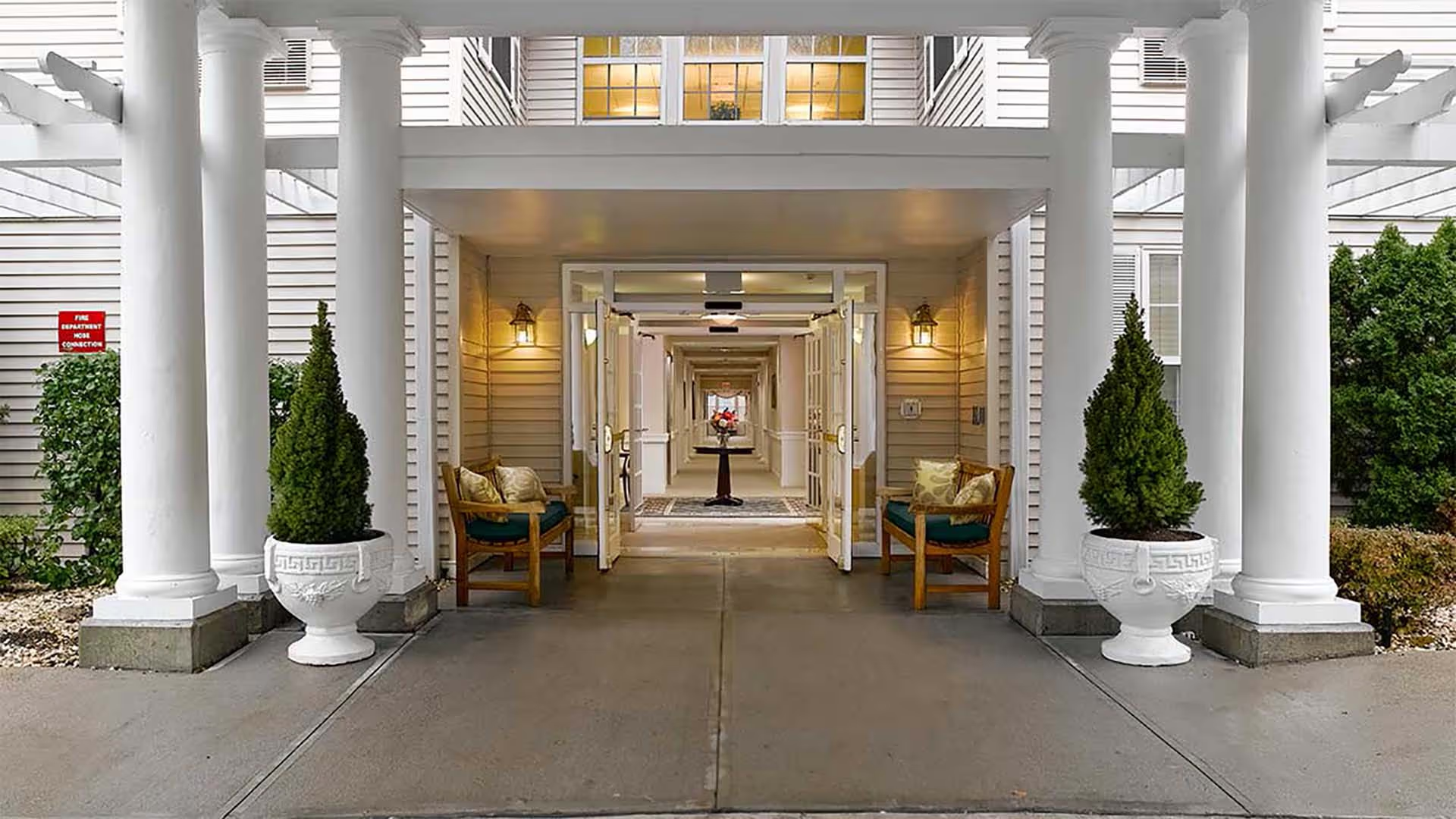
The physical environment generally reads as clean, spacious, and well maintained in many communal areas and apartments; reviewers noted bright, roomy suites with kitchenettes and attractive memory-care courtyards. However, the facility shows signs of variability: several comments point to dated furniture, darker common areas with limited natural light, and parts of the building that would benefit from renovation or updated finishes. Maintenance and housekeeping quality also appear inconsistent across units.
Cost and management patterns are notable. Yorktown has higher-than-average fees in reviewers' descriptions and families flagged recent rate increases and ancillary charges such as cable. A few comments referenced management turnover and employee departures under new ownership, which has raised concerns about staff retention and continuity of care. Conversely, other families praised specific administrators and the director of nursing for strong communication and hands-on problem solving, indicating a mixed picture of leadership experience.
In summary, Yorktown offers a strong clinical foundation, robust activity programming, and many elements of a welcoming, social community—particularly in its memory-care unit and chef-driven dining. Prospective residents and families should weigh these strengths against operational considerations: staffing consistency, variability in dining and housekeeping, facility-age-related updates, and the cost structure. A focused tour that assesses caregiver availability during peak periods, recent renovation work, and an itemized fee schedule will help determine whether the current balance of services meets an individual resident's needs.