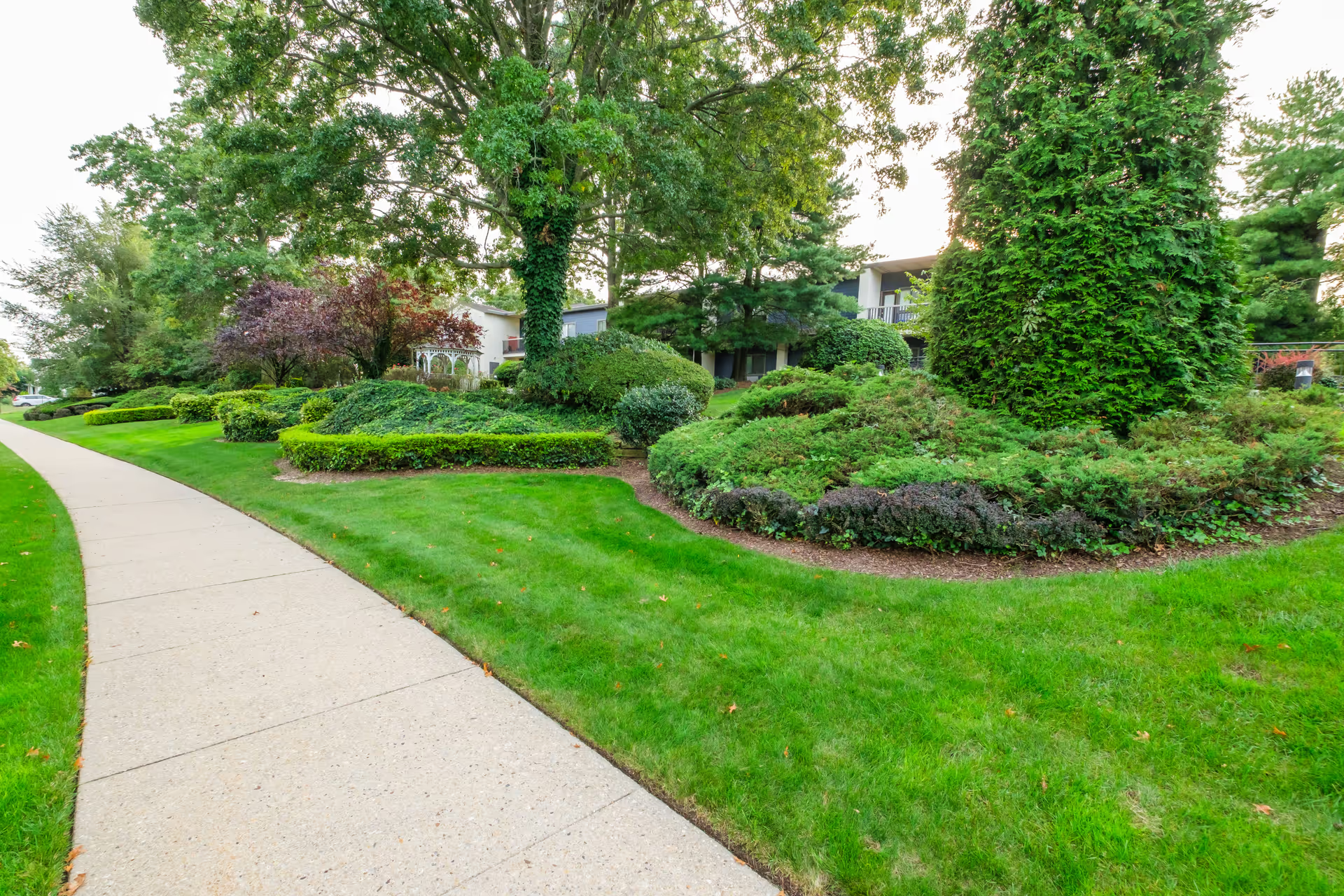
Reviews for Daleview Care Center present a mixed picture with clear strengths in therapeutic services and dining/amenity elements, alongside recurring operational concerns. The facility is frequently described as having a strong therapy program (physical and speech), supportive discharge planning, and staff members — notably some nursing aides, a nurse coordinator, social worker, and dietitian — who provide attentive, compassionate care. Renovated buildings, pleasant landscaping, and an organized activities program are cited as positive aspects that contribute to resident quality of life in many accounts.
At the same time, multiple reviews identify systemic operational weaknesses that affect day-to-day care. Staffing levels and turnover appear inconsistent; reviewers describe situations of limited staff coverage (including nights), frequent rotation of caregivers, and periods when a single staff member is covering large areas. Those conditions are linked to delays in personal-care tasks and toileting assistance, uneven responsiveness at the nursing station, and variability in staff demeanor and communication. Families also raised concerns about medication and equipment authorization delays, asset-management gaps (missing personal items and reimbursement disputes), and uneven follow-through on clinical needs.
Cleanliness and infection-control practices are an area of concern in several accounts, particularly in shared bathrooms and common areas. Related remarks include sanitation issues and problems with room- and hallway-based hygiene management. A small number of reviews reference serious clinical events and regulatory attention; such comments emphasize gaps in clinical oversight and delays in escalation or transfer to higher-level care when residents’ conditions worsened. These are raised as patterns that prospective families may wish to investigate further with the facility.
Dining and activities receive generally positive comments: reviewers praise varied menus, snacks, and accommodating dietary staff, as well as engaged recreational therapy and planned programming. Physical and speech therapy are repeatedly highlighted as strengths, with some families crediting those services for successful rehab and discharge outcomes.
Management and administration receive mixed feedback. Some families note effective, responsive intervention from admissions, social work, or nurse coordinators when issues are escalated, while others describe unsatisfactory supervisory responses and communication gaps. Environmental comfort items (for example, air-conditioning reliability and portable units) are described as inconsistent in some reports.
Overall, the pattern in the reviews suggests a facility capable of delivering high-quality therapeutic and supportive services when staffing and supervisory systems are functioning well, but vulnerable to lapses in everyday personal-care responsiveness, sanitation consistency, and clinical escalation during periods of staff shortage or turnover. Prospective residents and families should consider an in-person tour, ask specific questions about current staffing ratios (including overnight coverage), infection-control protocols, asset-management procedures, and the facility’s processes for clinical escalation and family communication before making placement decisions.