Reviewers describe Eddy Hawthorne Ridge as a community with many operational strengths alongside several recurring operational concerns. Positively, the facility is frequently praised for its compassionate, responsive staff and a strong sense of community. Long-tenured employees, an attentive maintenance team, and quick, accommodating admission/tour staff contribute to residents’ feelings of safety and belonging. Infection-control measures — including staff vaccination and testing and proactive visitor restrictions during outbreaks — were highlighted as sources of family reassurance.
Dining and activities are consistent highlights. Many reviewers characterize the food as restaurant-quality, noting a long-tenured chef, varied menus, and meal programs that include specialties such as a wood-fired oven and highly regarded pizza. The community offers a broad activity program with classes, visiting speakers, entertainment, organized bus outings, and social opportunities that support residents’ physical and mental engagement; reviewers credited these offerings with improving health and mood for active residents. On-site transportation and well-kept grounds further support an active independent-living lifestyle.
Care and clinical oversight present a mixed picture. Floor-level caregivers, social workers, and many nursing staff receive strong praise for being attentive and going above and beyond. However, there are consistent concerns about clinical assessment and management of cognitive impairment; specifically, reviewers identified gaps in in-house diagnostic accuracy for dementia and cognitive decline. Transitioning residents from independent living to assisted or memory-care settings is another area of concern: reviewers cited confusing relocations, communication breakdowns during transitions, and variability in the consistency of care when levels change.
Operational and management themes are mixed. Several reviewers appreciated proactive communication from certain leaders and praised a cooperative spirit between staff and residents. Conversely, there are persistent criticisms that administrative priorities at times appear revenue-driven, with allegations of aggressive admissions or billing practices. Family communication also shows variability — while some families report prompt, detailed updates, others describe difficulty reaching the nursing station or inconsistent responsiveness from administrative staff.
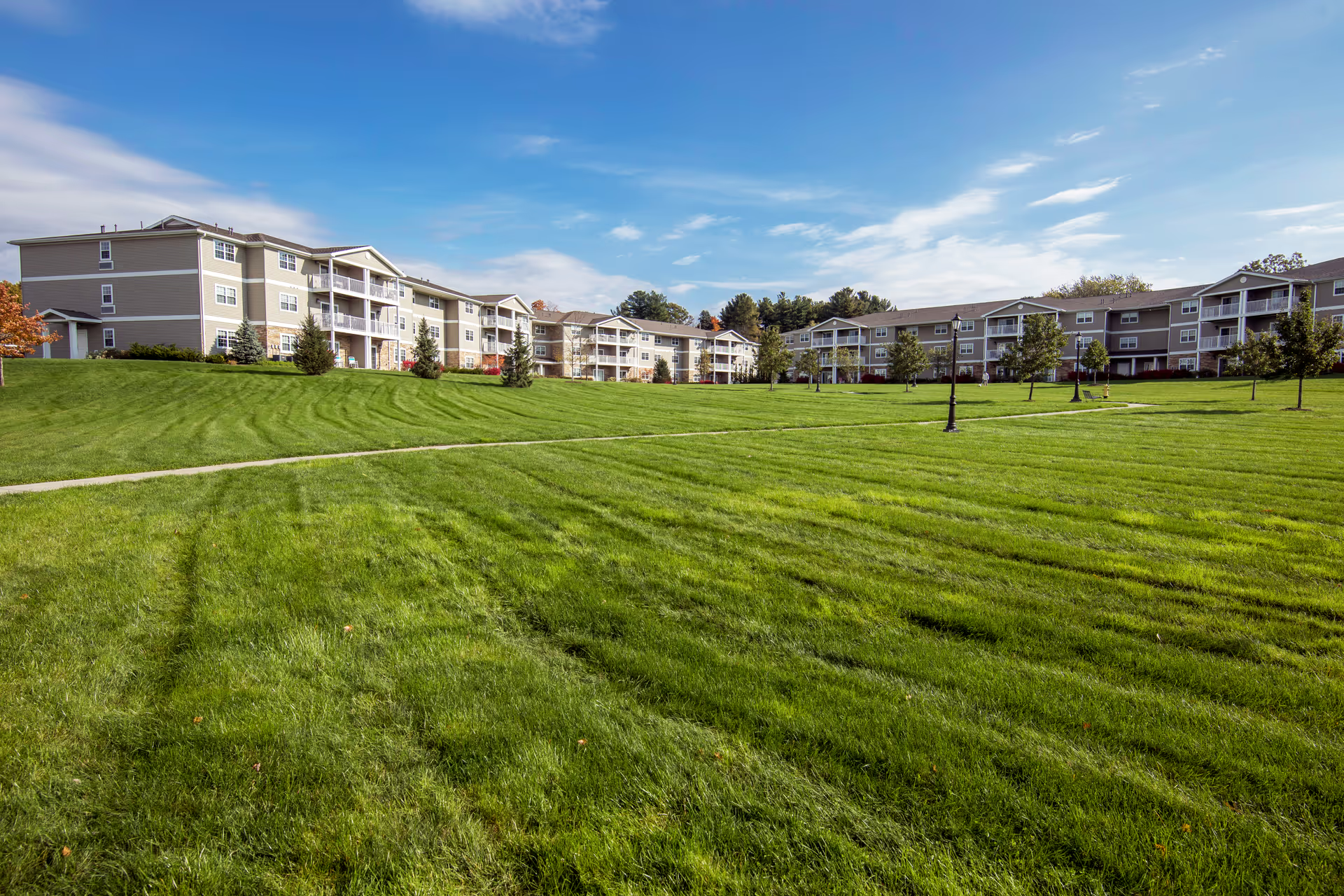
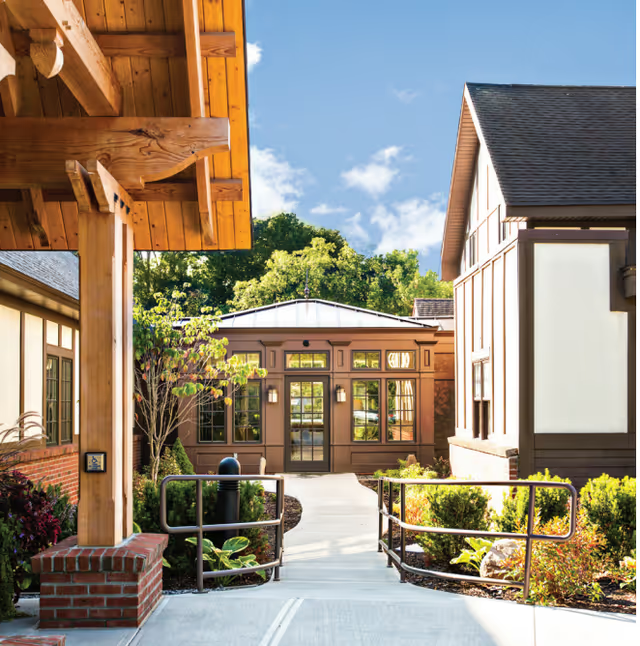
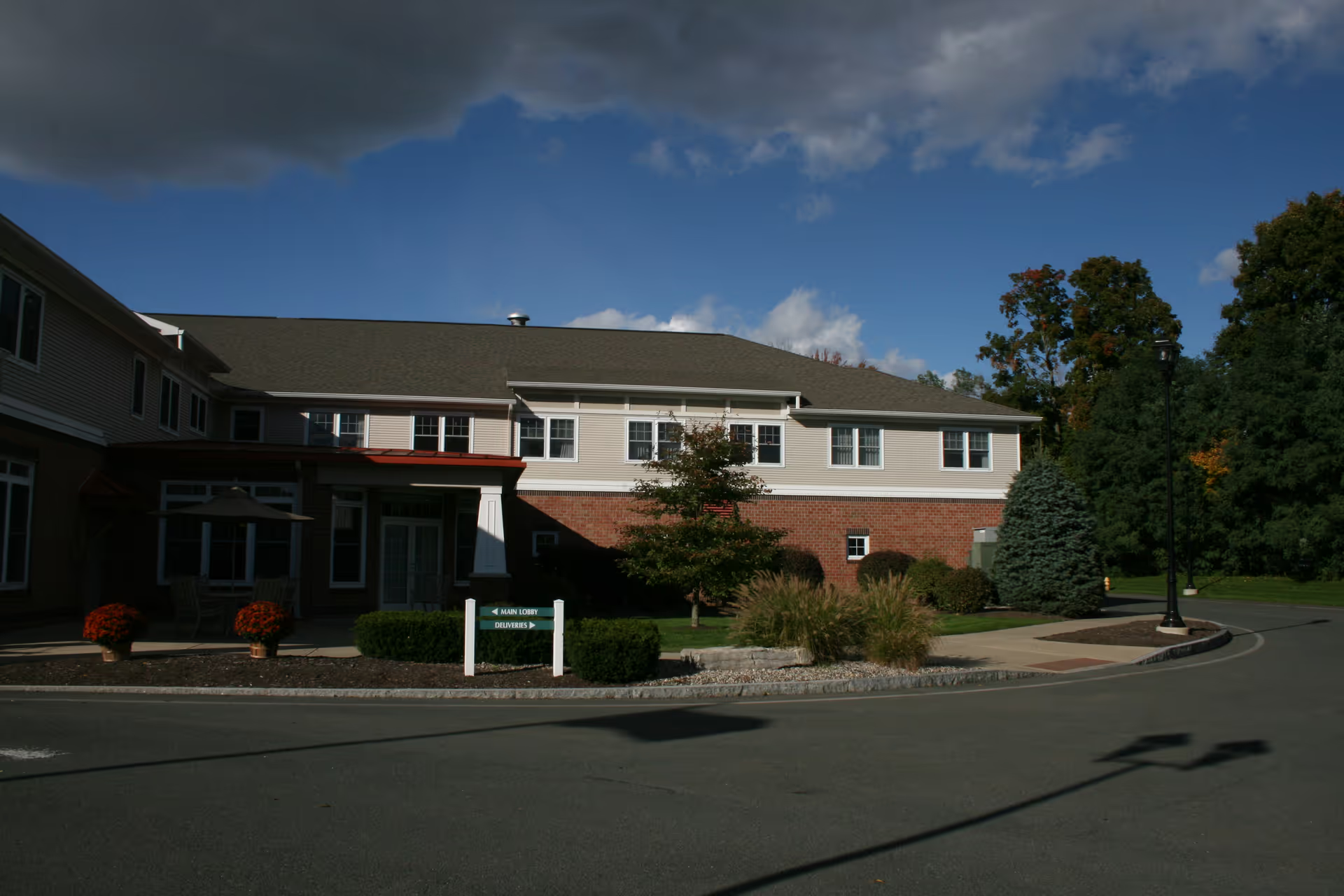
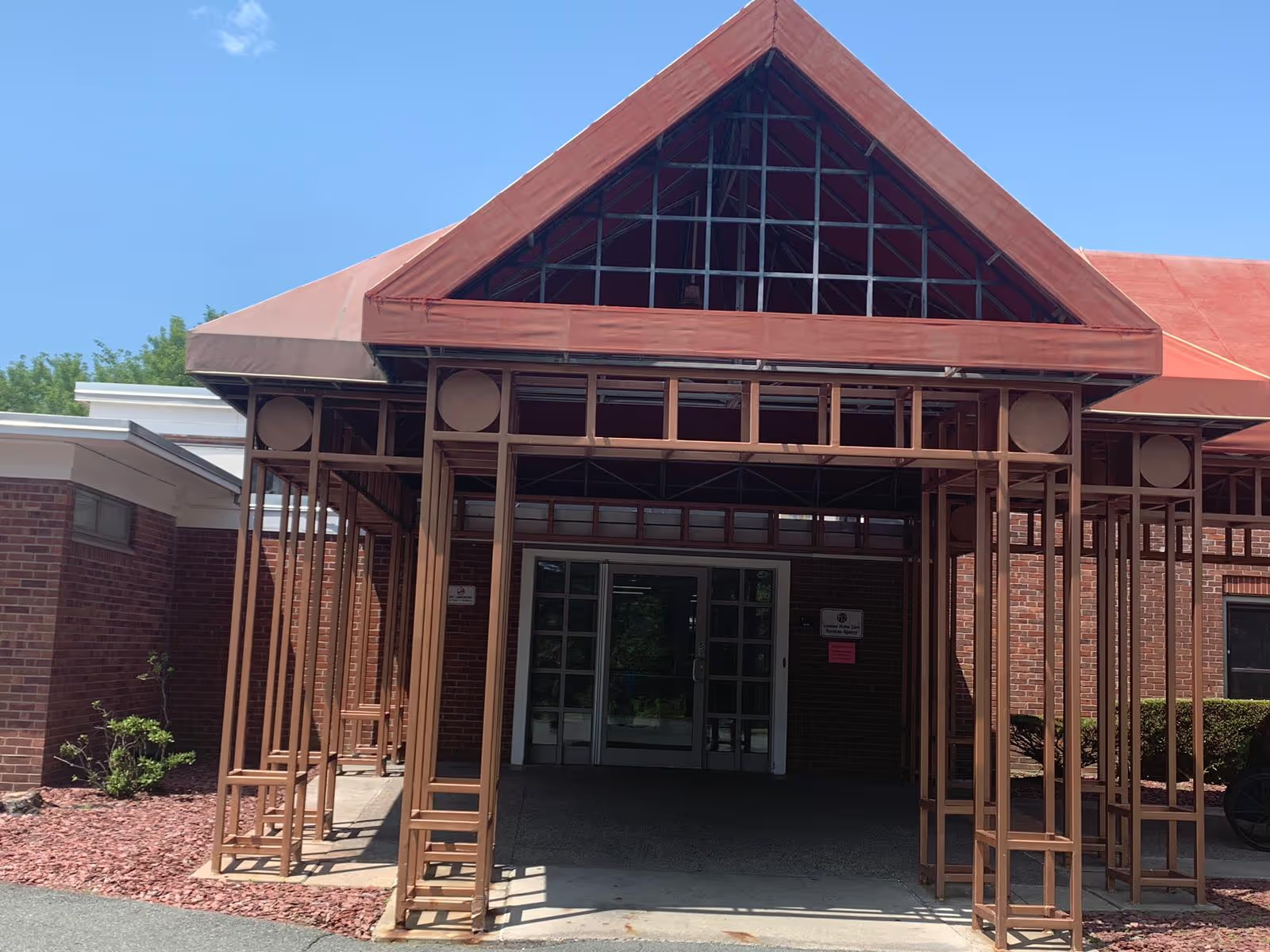
Facility and service-level limitations were noted in a number of reviews. Some apartments are described as small and lacking in-unit laundry, and portions of the campus were identified as needing renovation. Parking and accessibility were raised as practical challenges. Additionally, although dining is often lauded, reviewers also mentioned occasional meal-service disruptions, cold food, and limited resident involvement in menu planning. The activity program was robust pre-pandemic but reviewers report reduced frequency or altered delivery during infection-control periods, which impacts continuity for some residents.
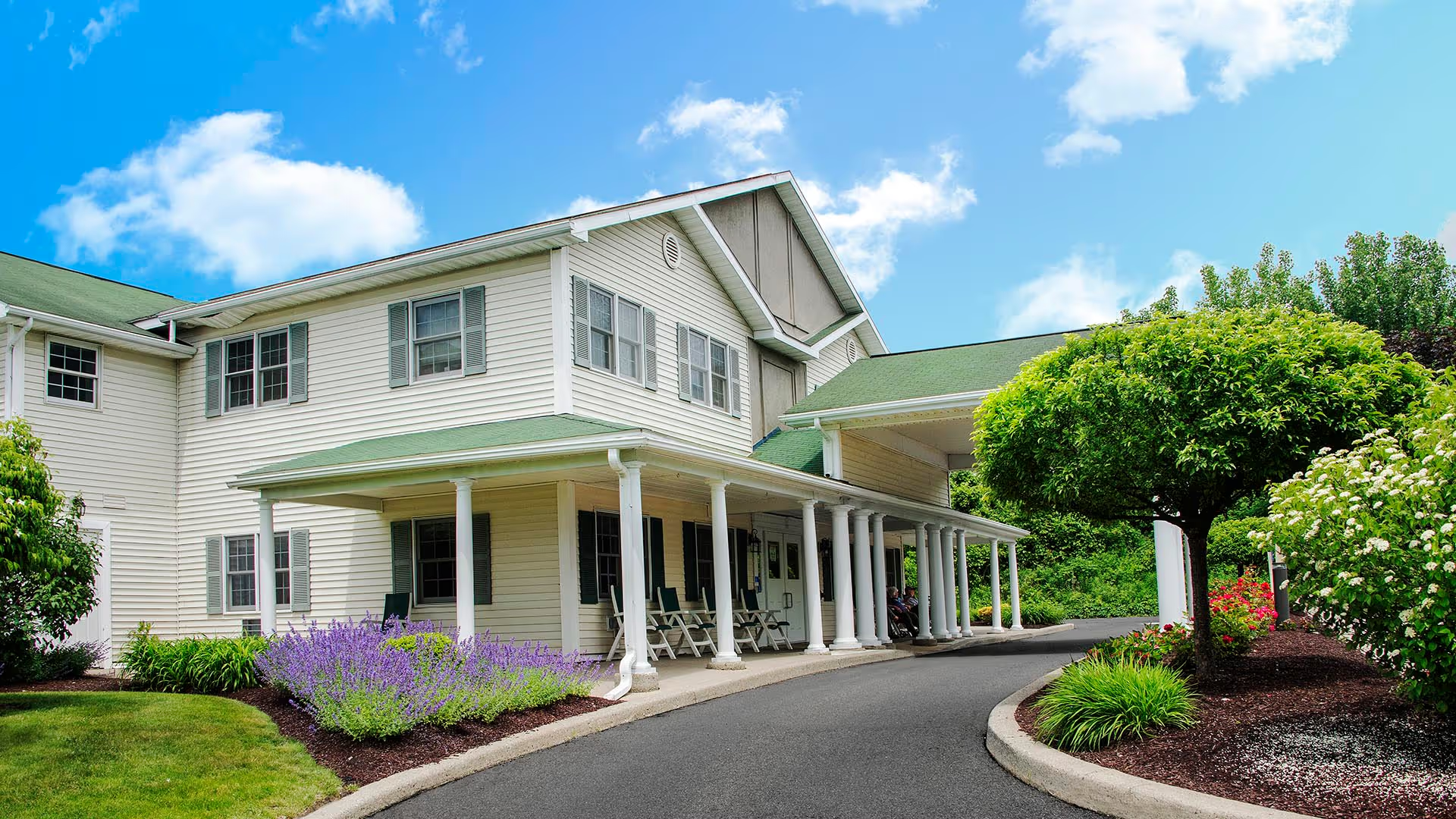
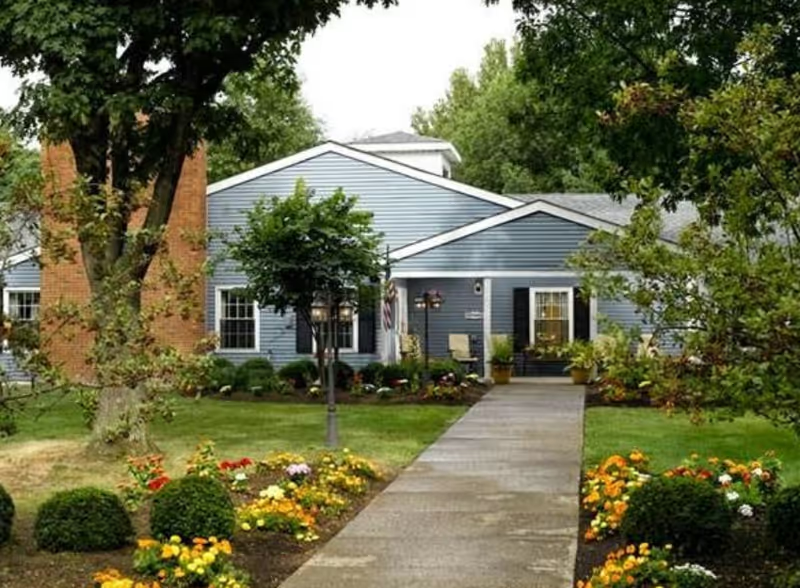
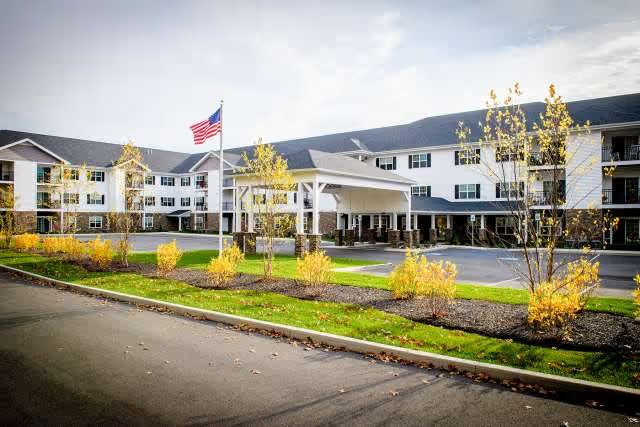
In summary, Eddy Hawthorne Ridge appears to offer a highly social, generally well-maintained environment with strong front-line caregiving, appealing dining, and an active calendar of events that many residents and families find valuable. Prospective residents should weigh these strengths against reported variability in clinical assessment for cognitive conditions, management of level-of-care transitions, administrative priorities around admissions and billing, and practical constraints such as apartment size, in-unit laundry absence, parking, and areas in need of renovation. Those considering the community may benefit from focused questions about memory-care diagnostic procedures, transition protocols, family communication expectations, and specific unit layouts and amenities during their tour. Allegations of financially motivated practices were raised by some families; prospective residents should review contract and billing policies closely and request clear, written transition and communication plans where cognitive or assisted-care needs are anticipated.