Overall impression: The Plattduetsche Home Society is consistently described as a well-maintained, community-oriented senior living campus with a strong emphasis on compassionate, family-style care. Families highlight attentive, personable staff at all levels — from front desk and dining services to nursing, case management and recreation — and describe the nursing and therapy teams as knowledgeable and engaged. The facility’s non-profit orientation, longstanding volunteer involvement and proactive administration contribute to a sense of stability and responsiveness.
Care and staff: Reviewers emphasize consistent, respectful interactions between staff and residents and note 24/7 oversight and safety practices. Nursing staff and on-site physical therapy are frequently praised for clinical competence, and dementia-care capability is singled out as a strength. Communication with families is described as direct and timely, and staff are characterized as going above and beyond routine duties. The overall tone around staffing is professional and caring, with recurrent mention that staff know residents by name and attend to individual needs.
Dining: Dining is a prominent positive. Meals are described as home-cooked and restaurant-quality with good variety, frequent snacks and desserts, and the ability to accommodate dietary modifications. Mealtime is presented as a social opportunity — welcoming dining rooms, coffee breaks and celebratory treats (birthdays, cakes, occasional wine/beer) are noted. Several families highlight nutrition and enjoyment of meals as a major contributor to resident satisfaction.
Activities and social life: The community offers an active social program with arts and crafts, music, games, outings to local events, a Ladies Society and organized entertainment. Reviewers report residents forming friendships and appreciating organized trips and social gatherings. At the same time, a recurring operational limitation is the desire for more cognitively focused or word-game activities and greater personalization of programming; some residents prefer to remain in their rooms or do not engage with the existing schedule, indicating uneven participation and interest across the population.
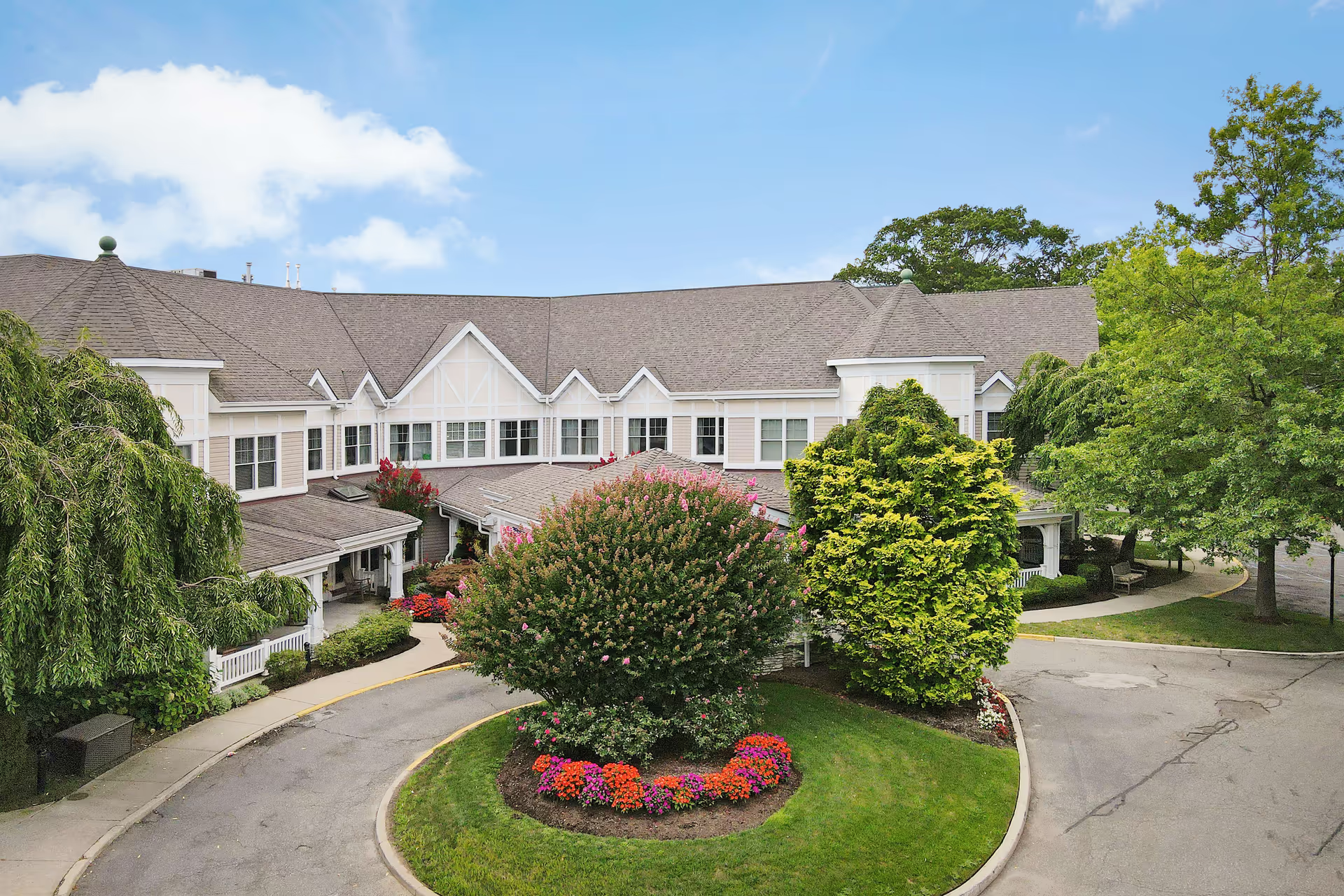
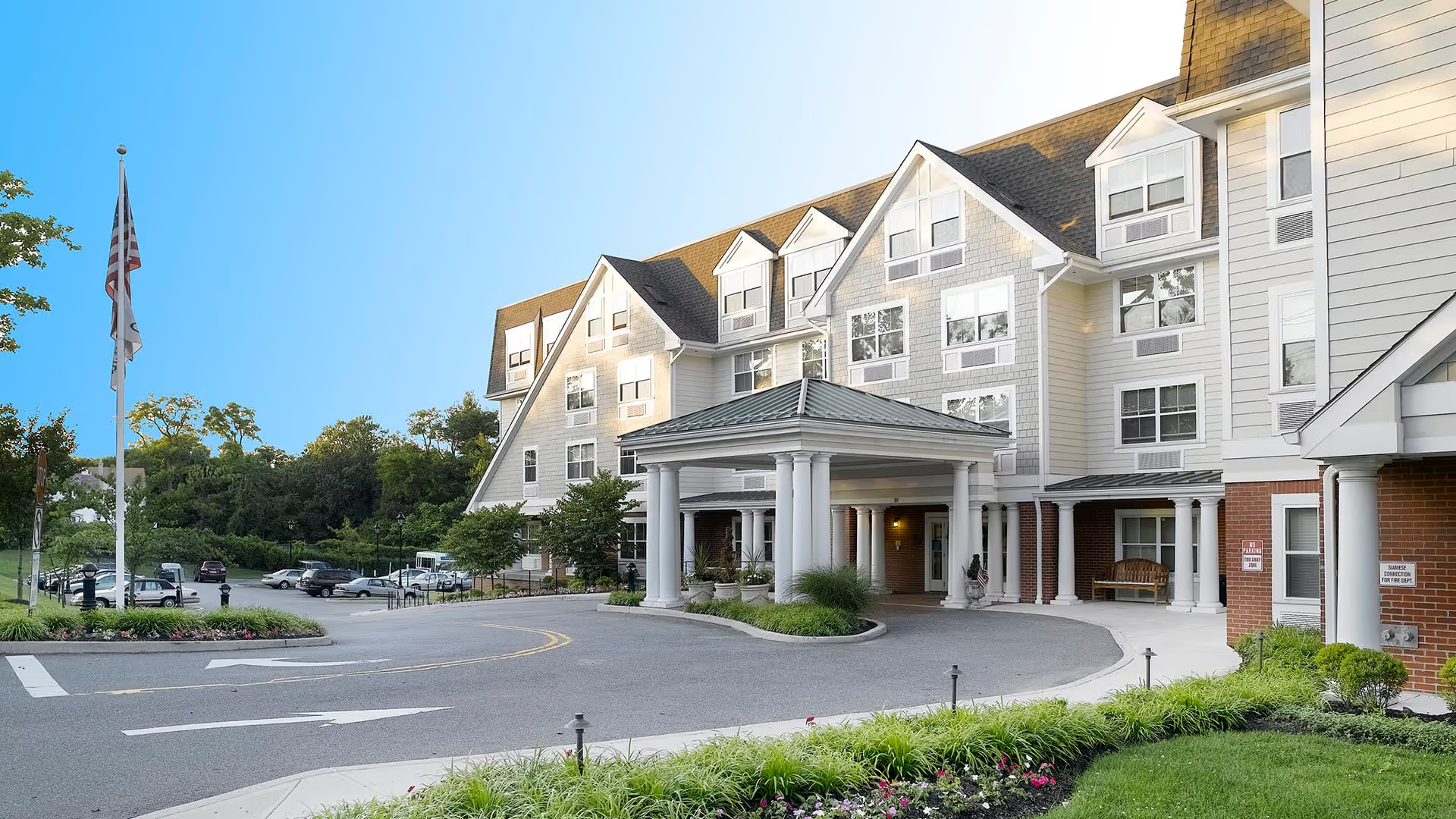
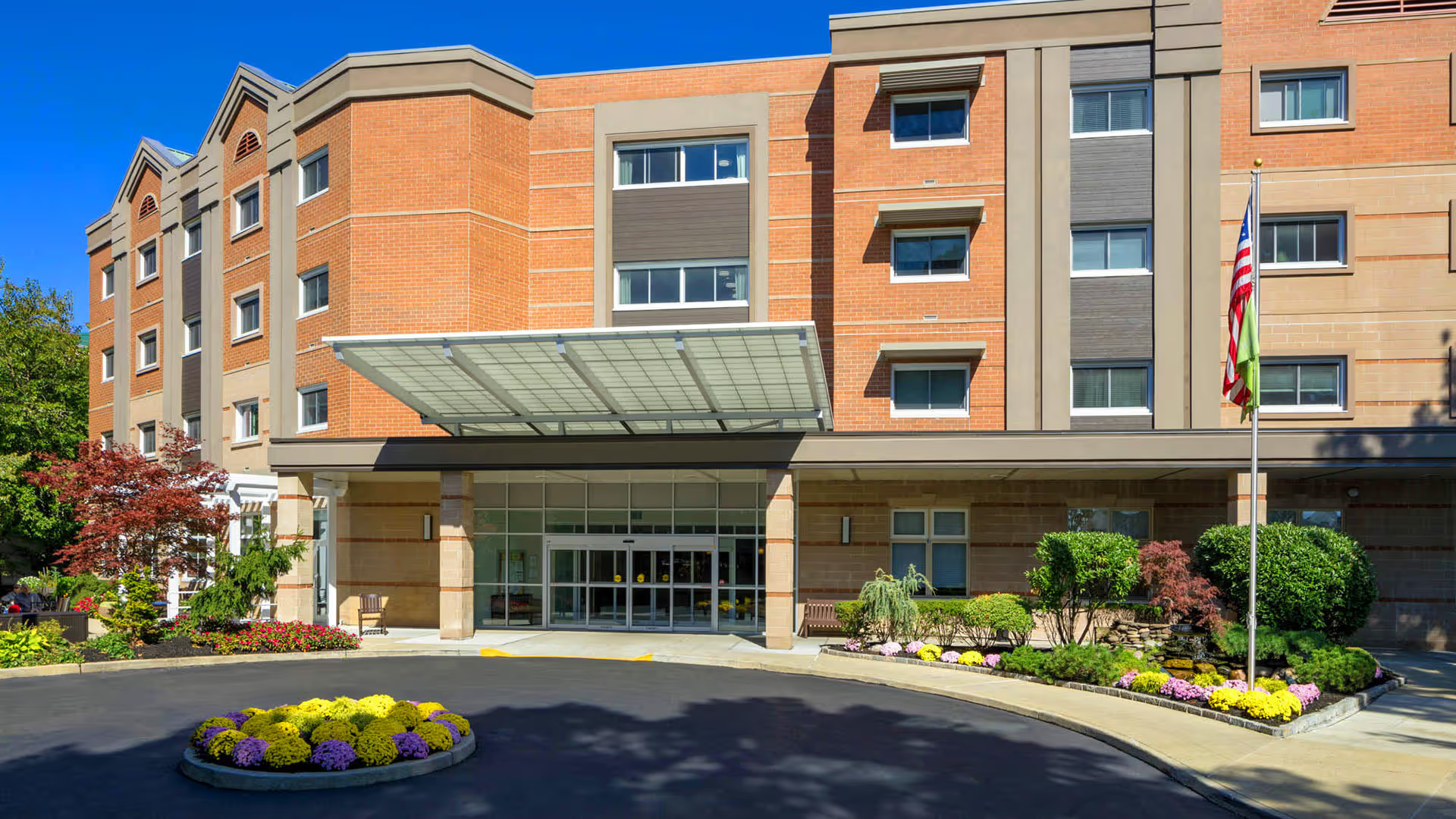
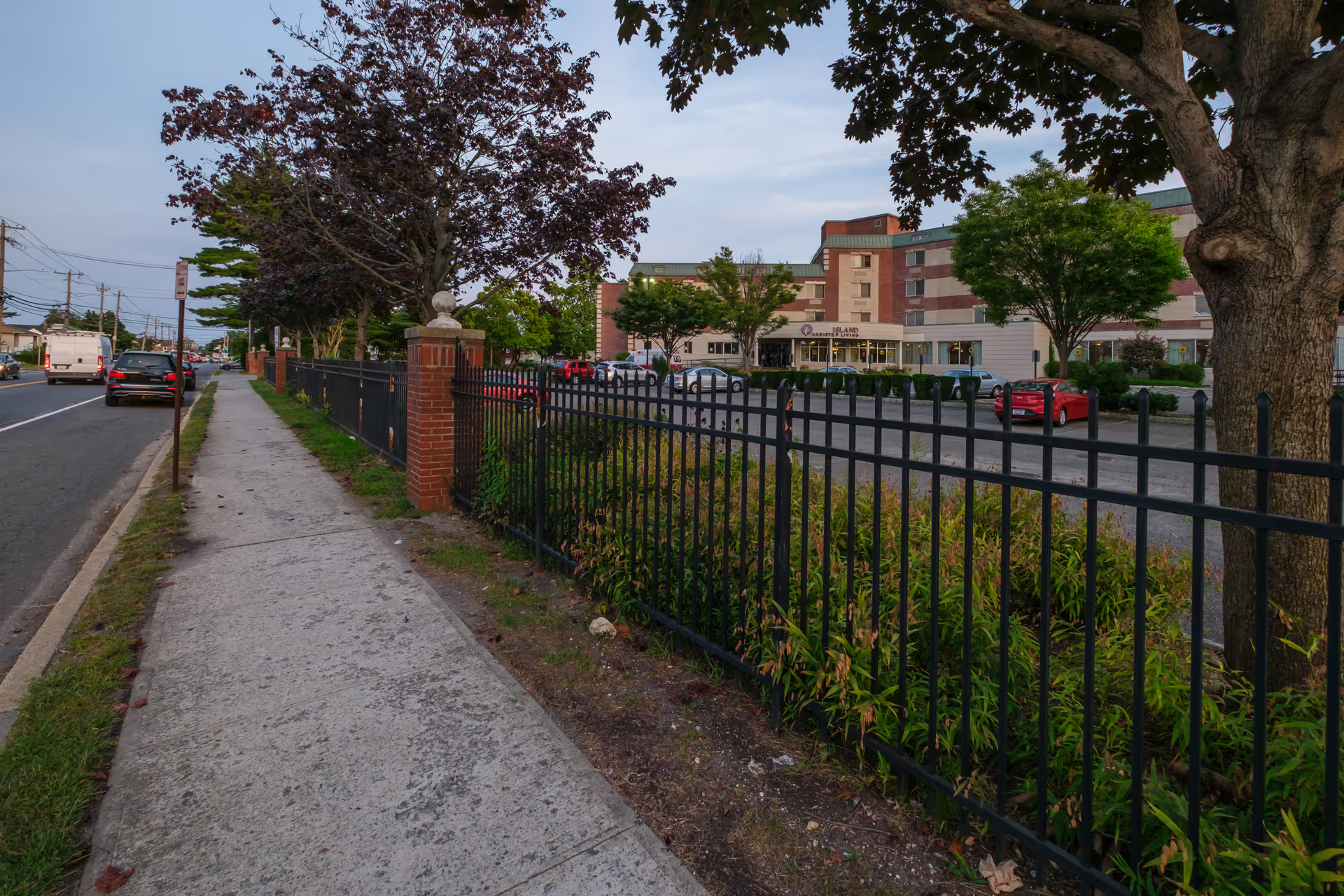
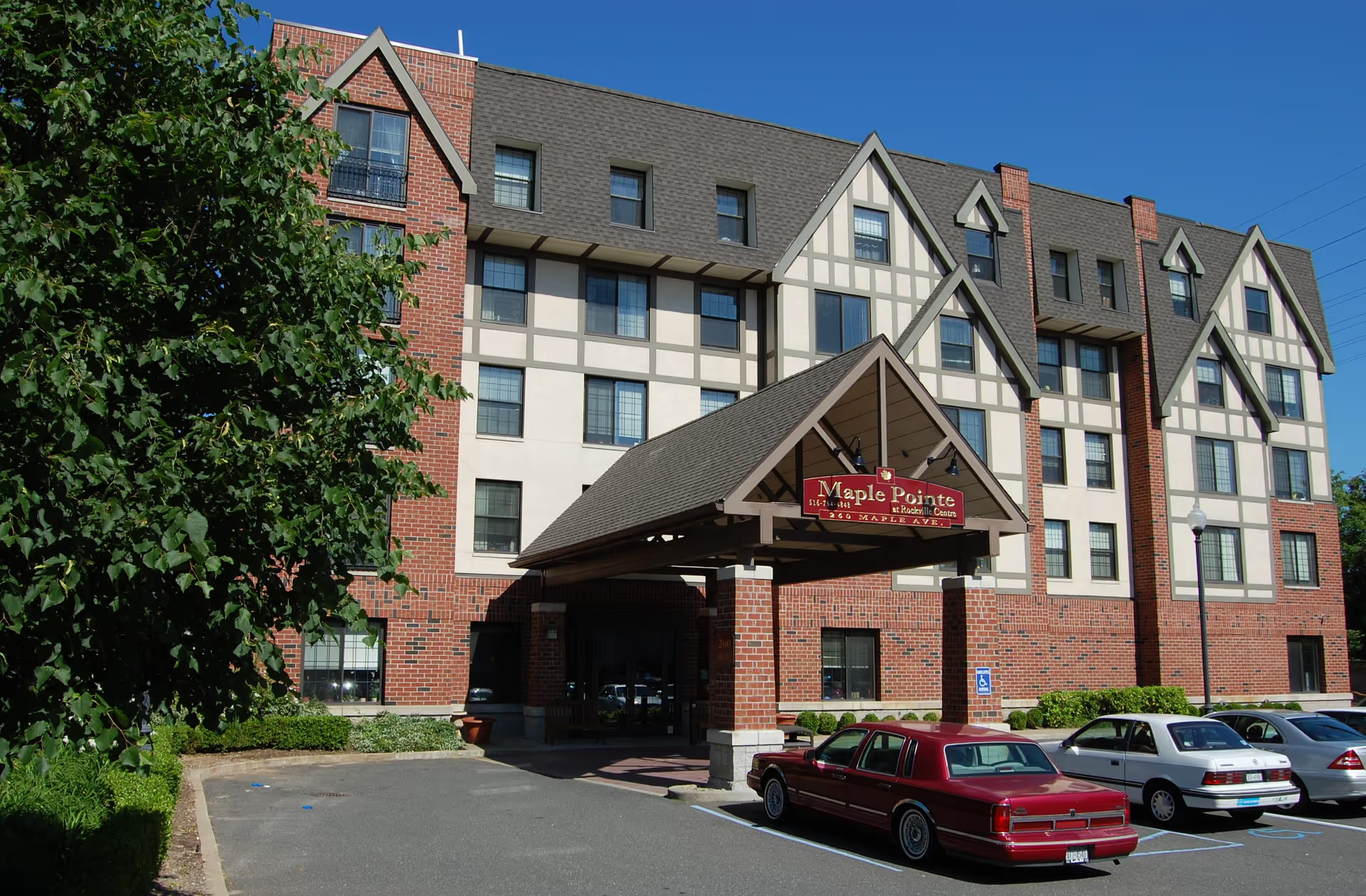
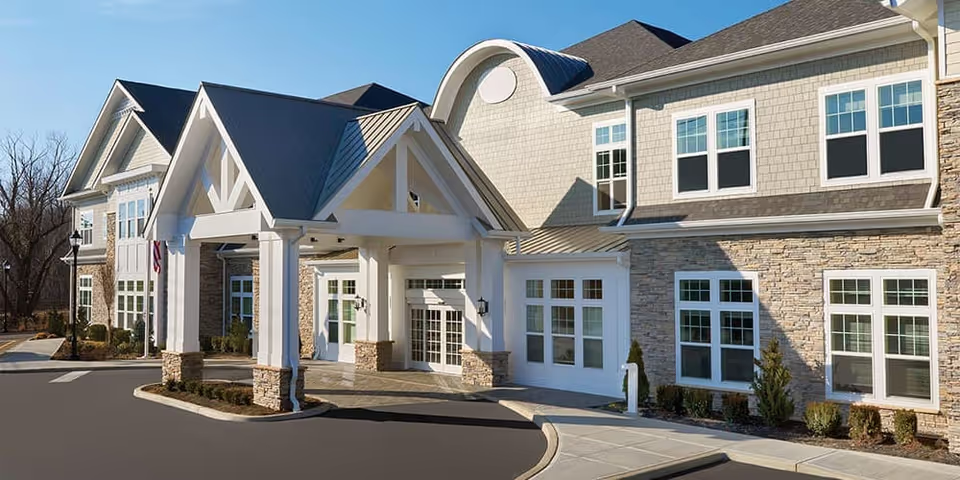
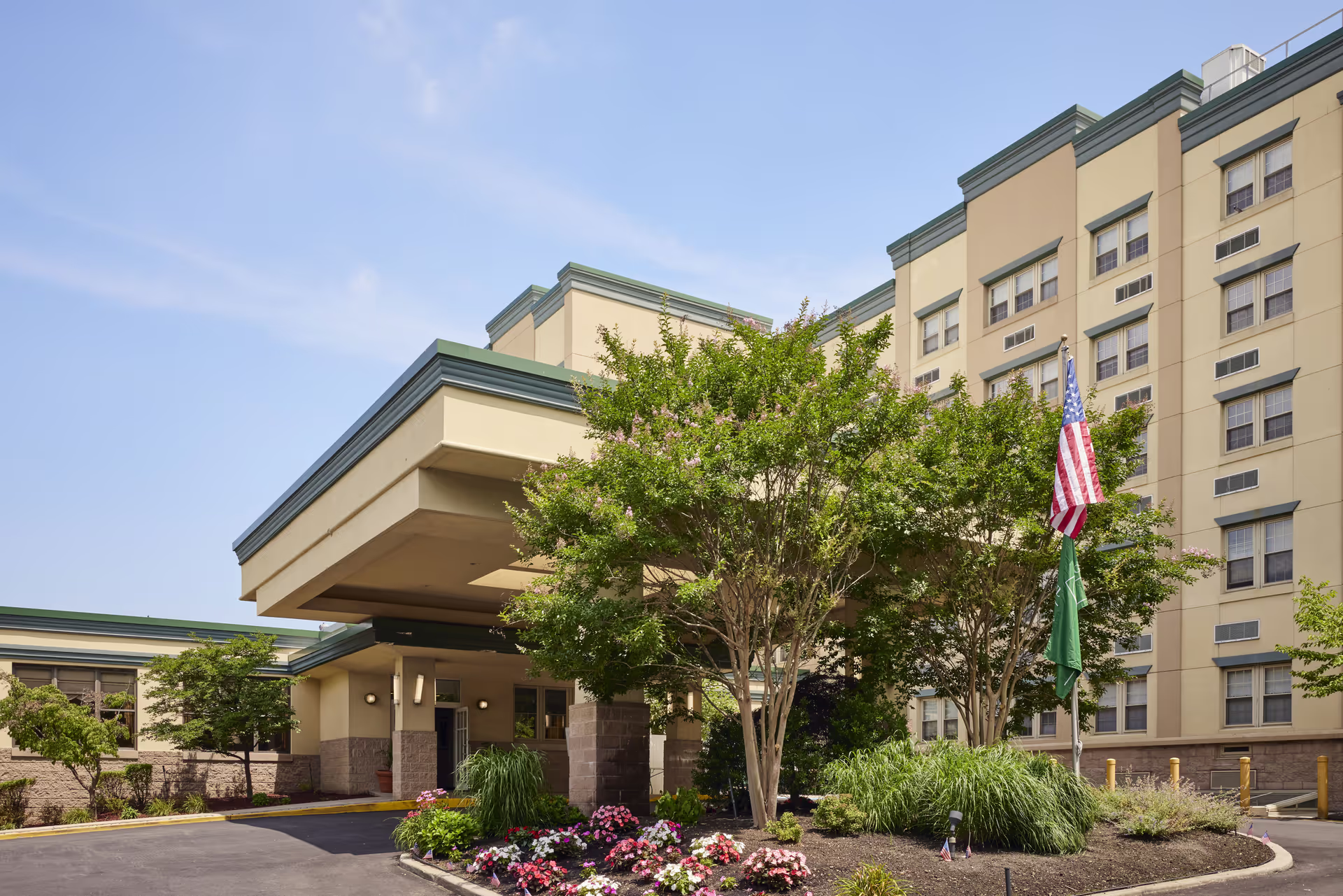
Facilities and amenities: The property’s grounds, gardens and pool receive strong praise and are seen as a defining feature alongside historic architecture and bright private rooms. Common areas and resident spaces are described as spotlessly clean and well cared for. That said, several comments indicate portions of the facility are dated and undergoing incremental updates (for example, older elevators), suggesting a mix of renovated and older infrastructure within the campus.
Management and operations: Administration is generally described as responsive, resolving initial move-in issues and maintaining open lines of communication. Volunteer and family involvement is longstanding, which supports programming and community connection. Operational drawbacks inferred from reviews include occasional coordination issues during move-in and a potential mismatch between program offerings and the diverse interests of residents. There is also an operational capacity constraint implied by limited room availability at times.
Notable patterns and recommendation guidance: The dominant pattern in the reviews is positive: high marks for staff warmth, clinical competence, dining quality and the campus environment. Prospective residents and families should consider touring to assess whether the current activity mix meets their loved one’s cognitive and social preferences and to confirm unit availability and the status of any ongoing renovations. For those prioritizing compassionate caregiving, strong clinical support and attractive outdoor spaces, this facility consistently aligns with those priorities; for residents needing a high level of novel cognitive stimulation or the newest building systems, it may be useful to ask management about specific program plans and renovation timelines before committing.