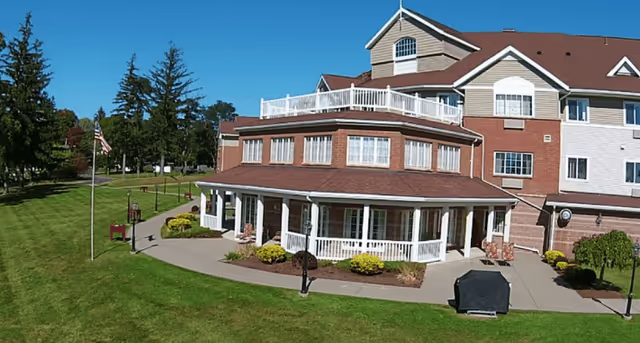
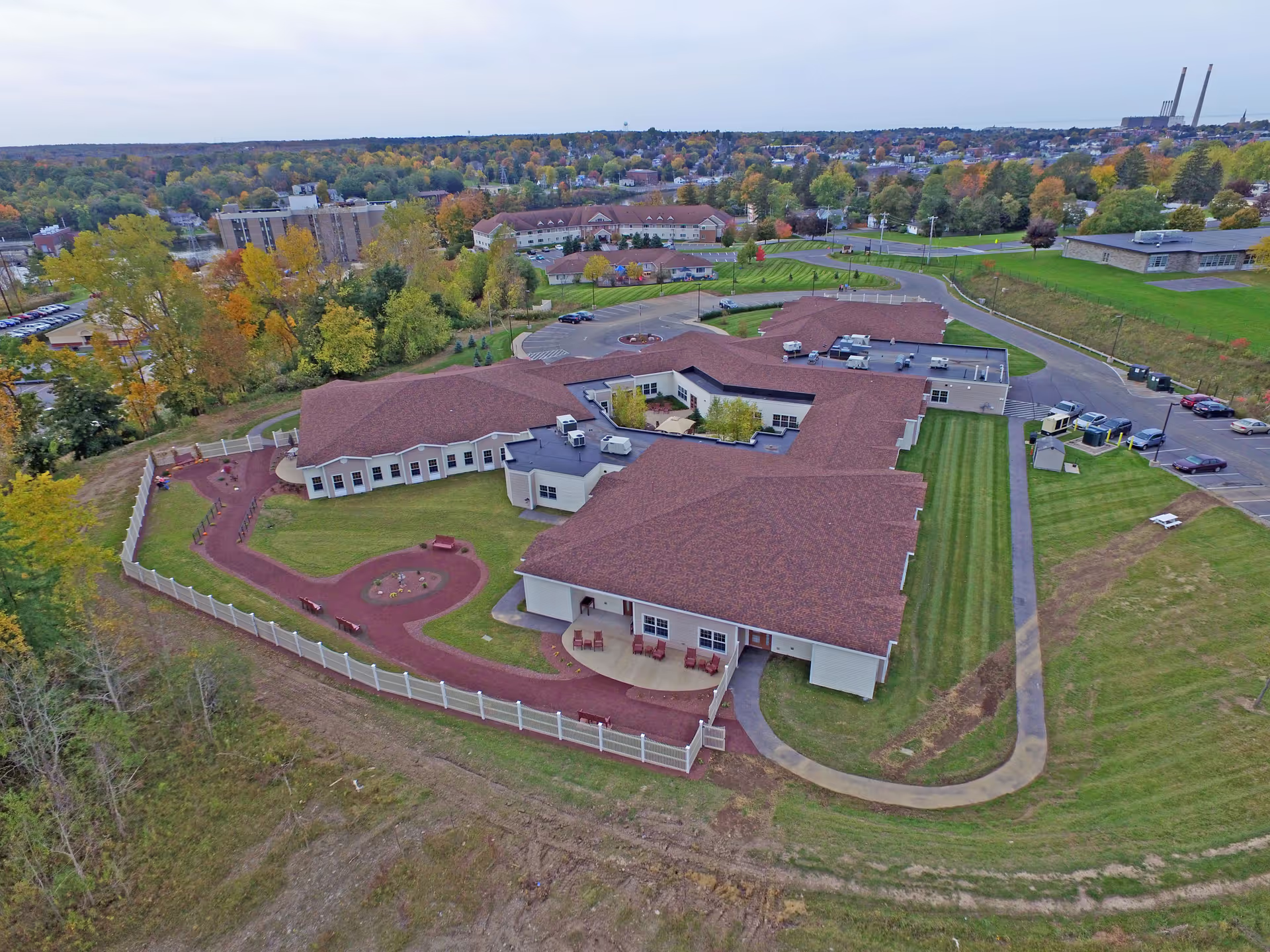
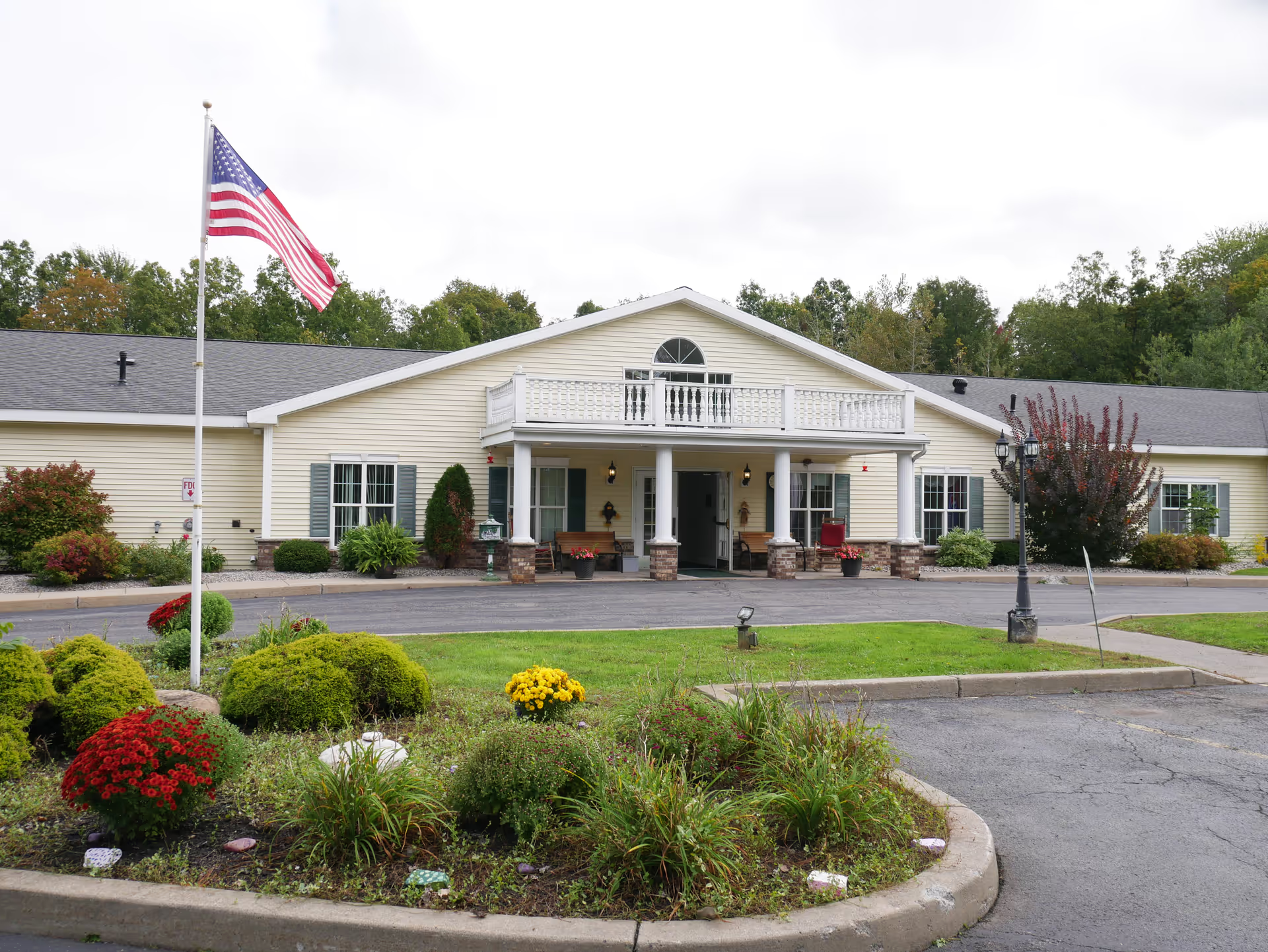
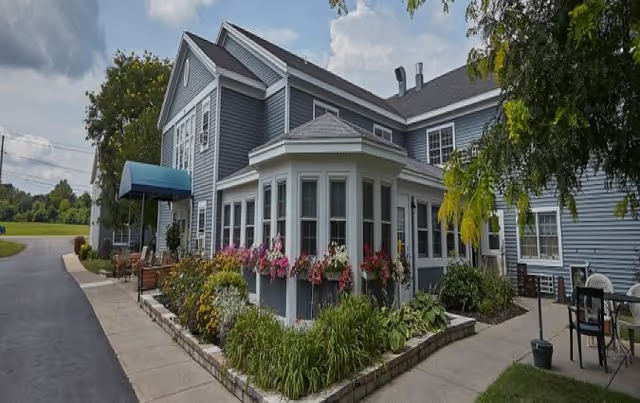
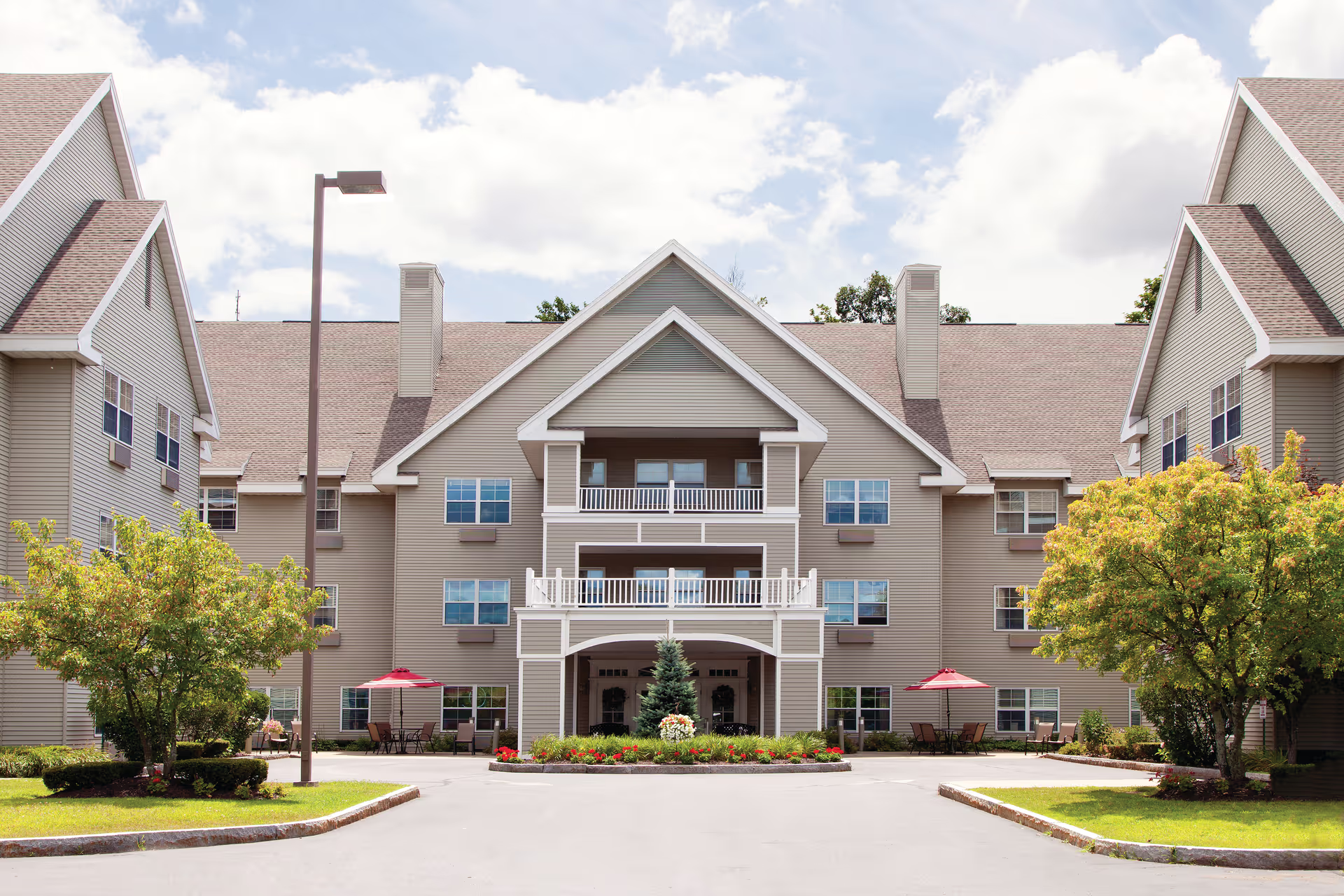
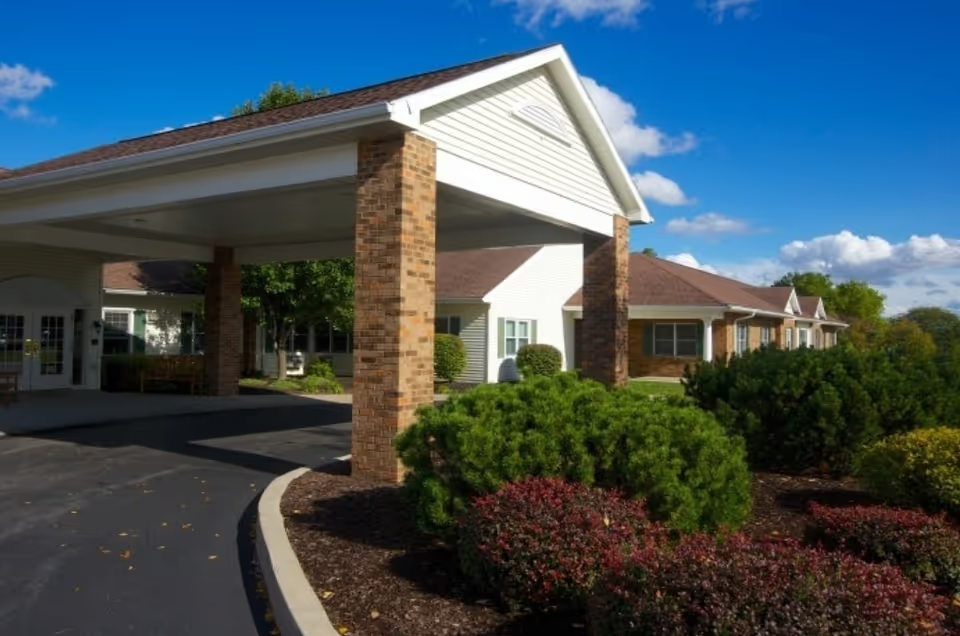
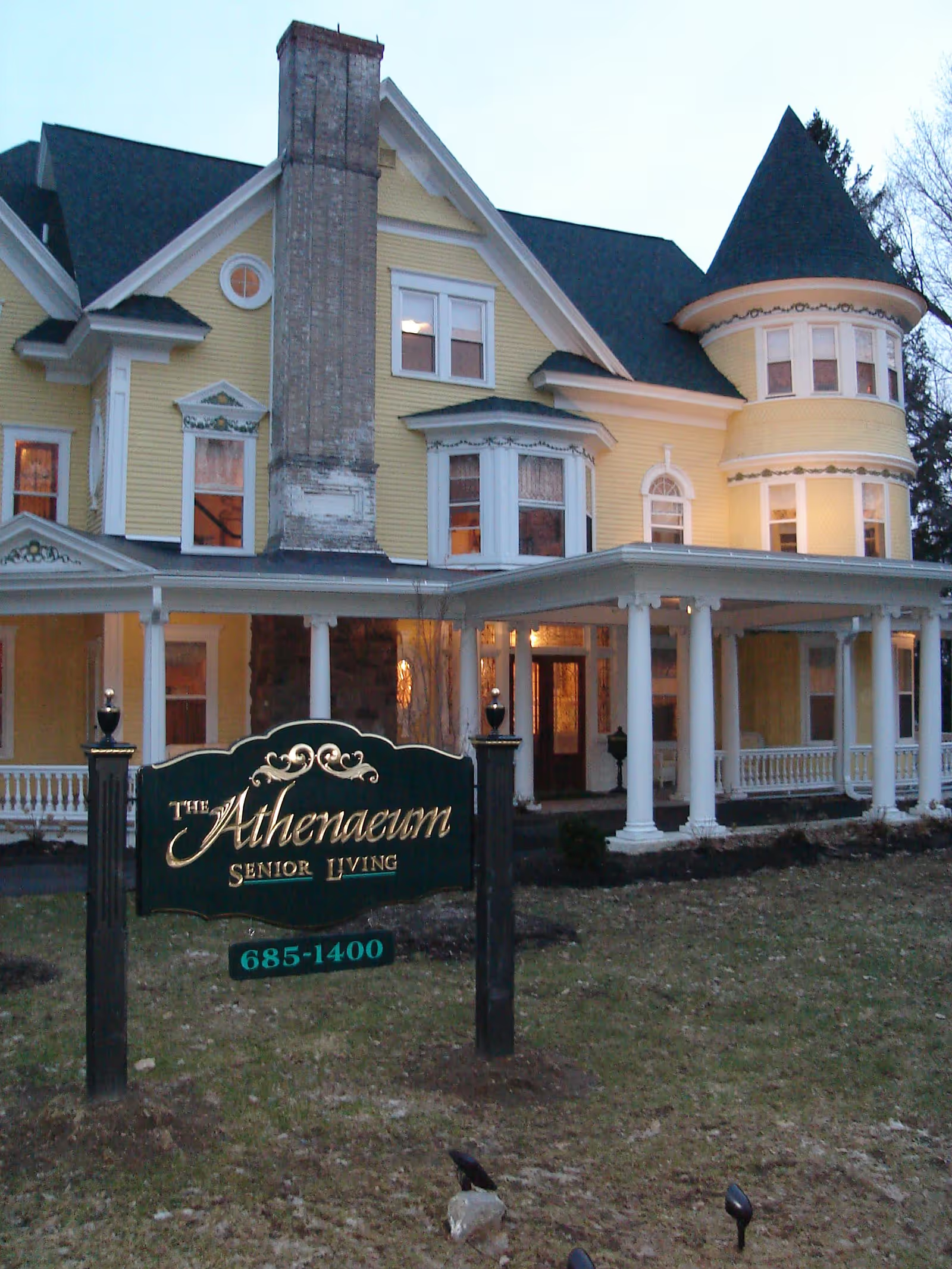
The review set describes a facility that presents a warm, attractive environment with staff and programming oriented toward older adults, but also shows operational weaknesses that could affect clinical safety. Families expressed appreciation that residents felt comfortable and cared for in the community; common positive descriptors include cleanliness, hospitable personnel, and an environment that appears tailored to seniors' needs.
Care quality is characterized by a juxtaposition of strong person-centered atmosphere and concerns about clinical oversight. Reviewers praised the social and emotional aspects of placement, noting residents who "loved it there," yet there are descriptions of delayed recognition of acute illness and subsequent hospital-level care. Those accounts point to gaps in routine clinical monitoring and in the early detection of health deterioration rather than to the absence of caring intent.
Staffing is a central operational issue. The summaries indicate limited staff coverage, with particular strain overnight (including mention of a single nighttime caregiver). While staff are described as friendly and hospitable, constrained staffing levels are associated with reduced supervision, possible delays in responding to resident needs, and an elevated fall risk. This suggests that staffing patterns and deployment — not necessarily staff attitude — are the primary drivers of the concerns described.
There is little specific information about dining or menus in the available summaries. Activities and programming are noted in positive terms as "elderly-focused," implying age-appropriate engagement opportunities, but details about frequency, variety, or staff-led activity quality are not provided in these comments.
Facilities and housekeeping receive favorable mentions: descriptors like "beautiful" and "clean" indicate generally good physical maintenance and presentation. Management-level observations from the reviews point to a facility that has created a pleasant, resident-centered culture but may need to prioritize operational changes to align clinical and safety practices with that culture. Notable patterns are the coexistence of strong social/atmospheric positives with recurring concerns about staffing adequacy, nighttime coverage, clinical surveillance, and fall prevention.
For prospective residents and families, the salient considerations are the facility's welcoming environment and staff demeanor versus the operational risks tied to staffing and clinical oversight. If safety and close clinical monitoring are priorities, families may wish to discuss staffing ratios (especially overnight), fall-prevention protocols, and processes for early illness detection and family communication during their tour or pre-admission conversations.