Reviewer feedback for Northern Riverview Health Care is mixed, with distinct positive elements alongside recurring operational concerns. Several families and residents describe helpful, accommodating staff, a supportive administrator, and clinical staff (including a hands-on physician and some praised nurses) who know residents by name and make families feel supported. The facility provides three daily meals on a consistent schedule, in-room televisions, some interactive recreation (Wii), and accepts Medicaid while offering Medicaid transportation — features that make it accessible for many residents.
Care quality appears variable. Positive reports emphasize attentive caregivers, nursing staff who go beyond expectations, and staff who address problems when they arise. Conversely, other accounts describe inconsistent responsiveness, concerns about staff conduct, and insufficient communication with families regarding changes in condition or hospital transfers. There are also recurring comments about gaps in fall monitoring and delayed responses to clinical deterioration, which suggest uneven implementation of safety and surveillance practices.
Rehabilitation and clinical resources are a notable area of concern. Reviewers point to shortcomings in the rehab program, including staff approach and equipment hygiene; this is best summarized as inadequate rehab practices and equipment sanitation. In addition, several comments indicate a lack of specialized equipment needed for bedridden or higher-acuity residents. Combined with an identified lack of interdisciplinary care coordination, these issues point to opportunities for strengthening clinical oversight and care-planning processes.
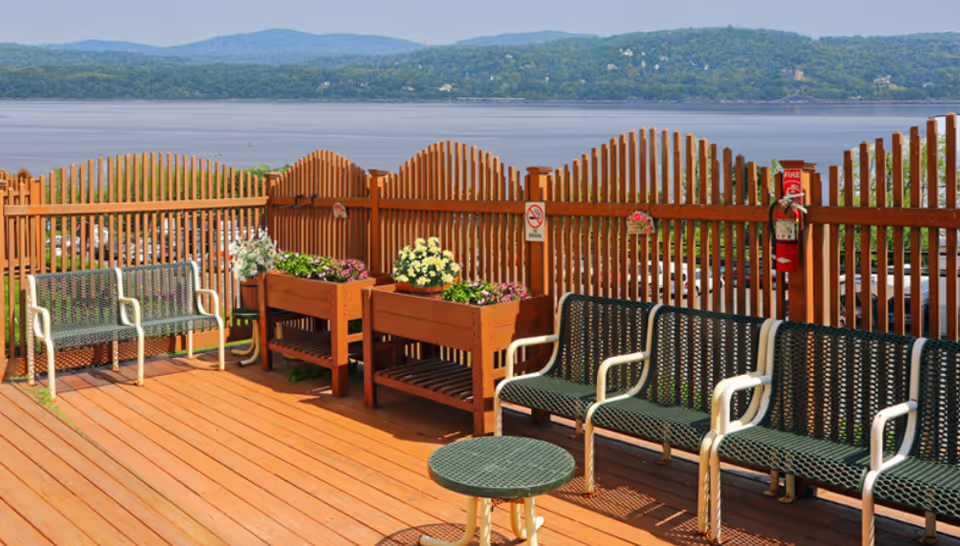
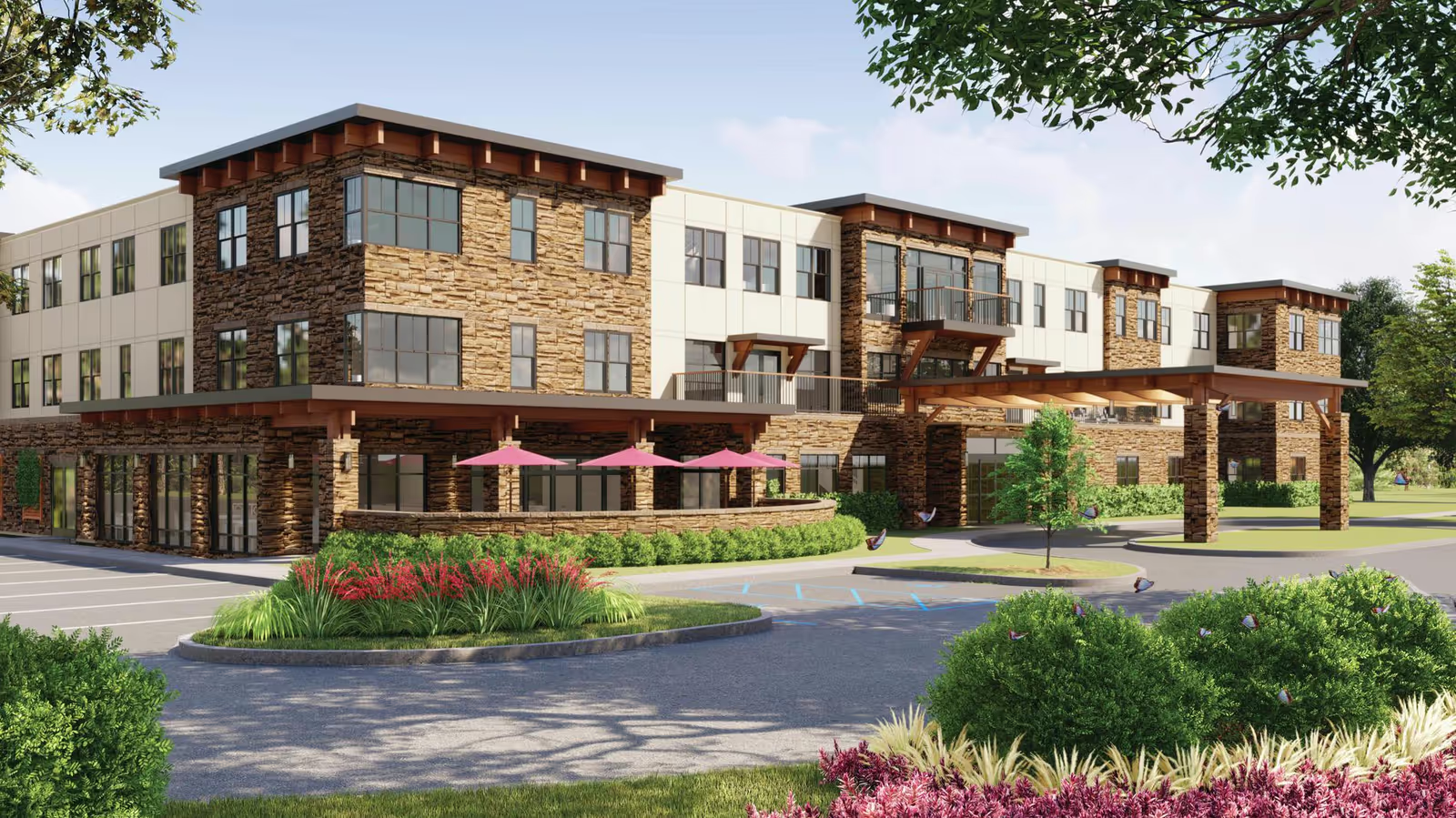
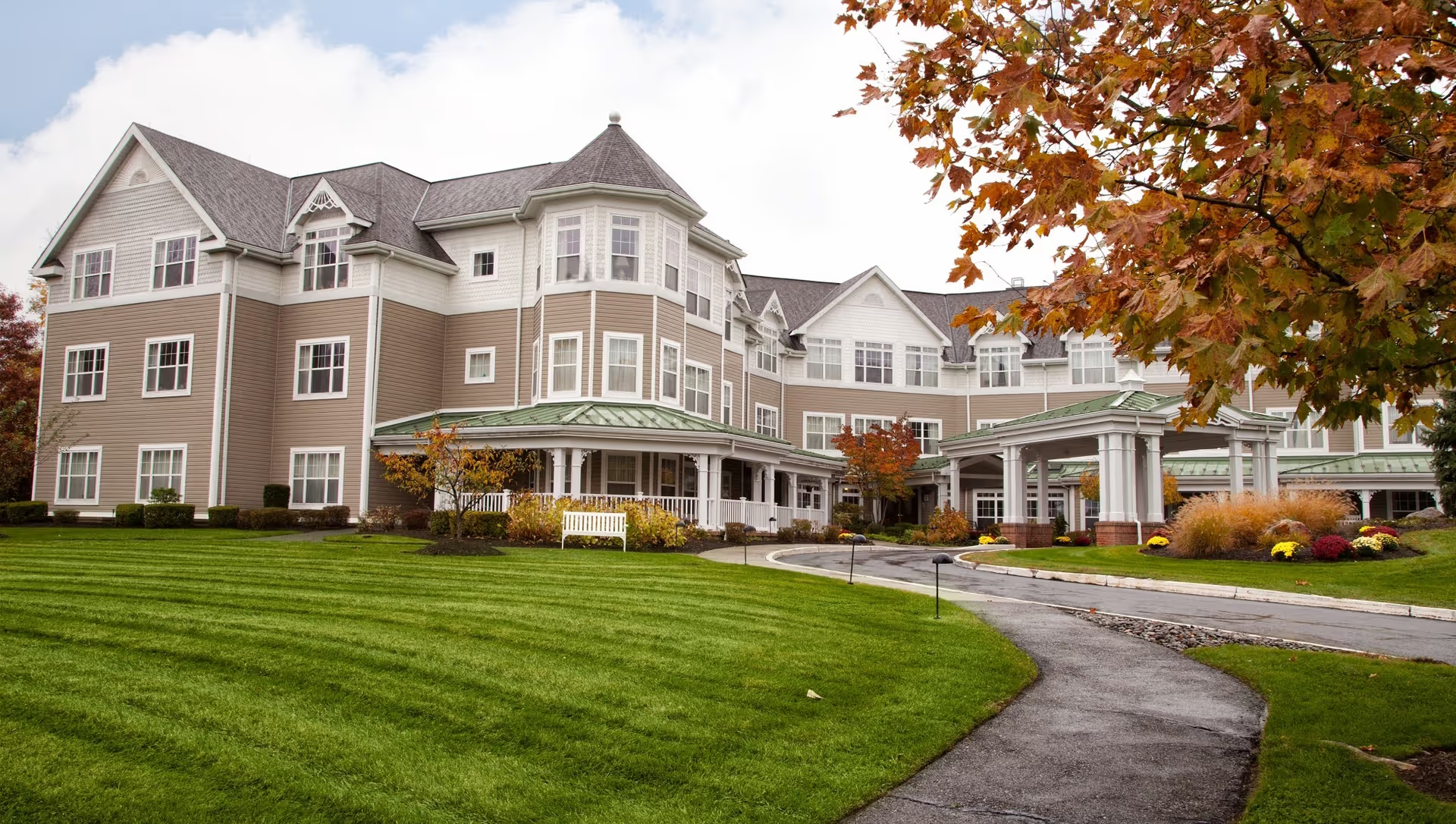
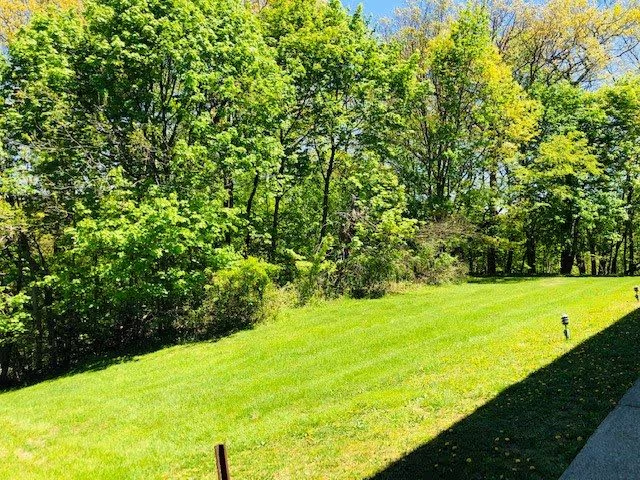
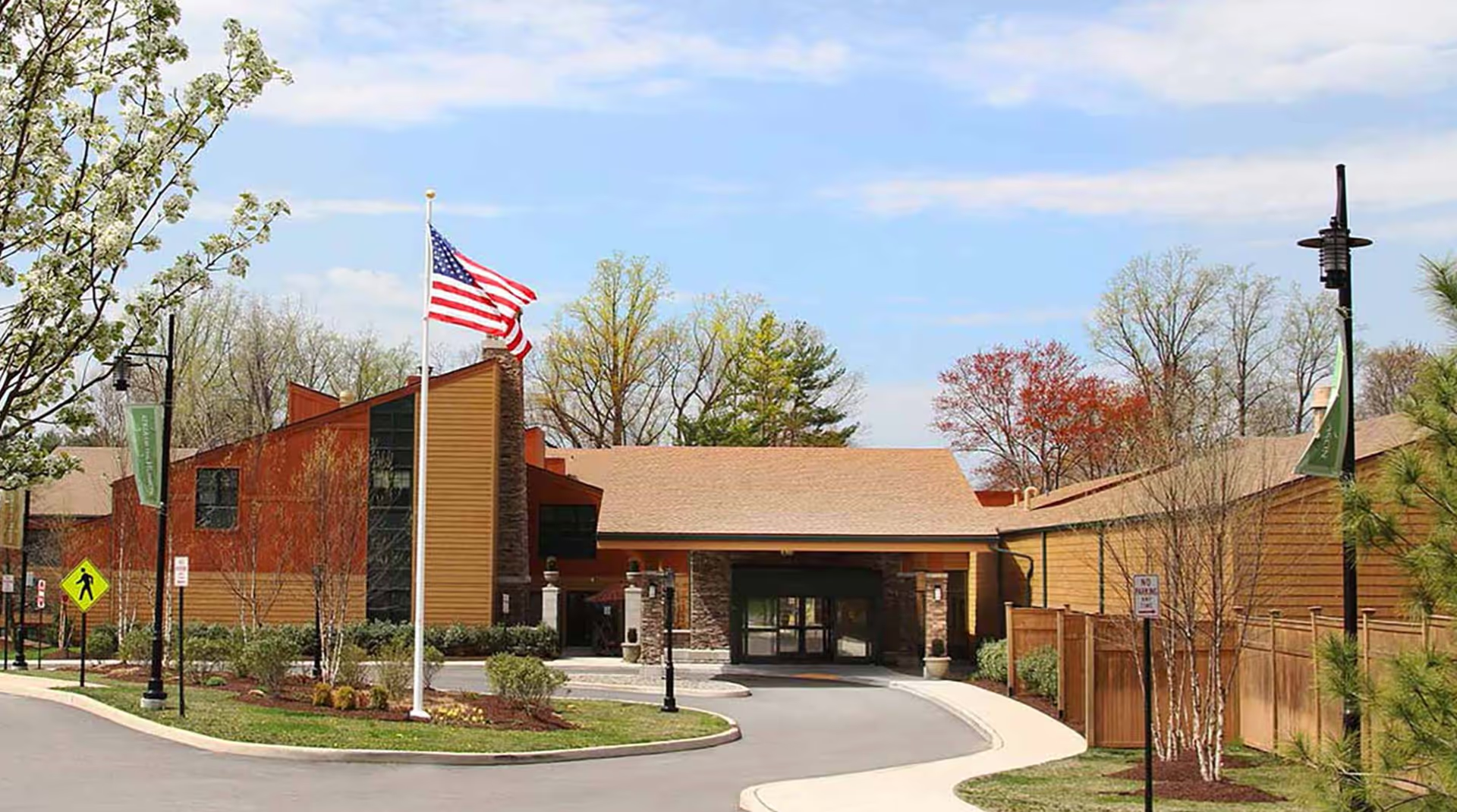
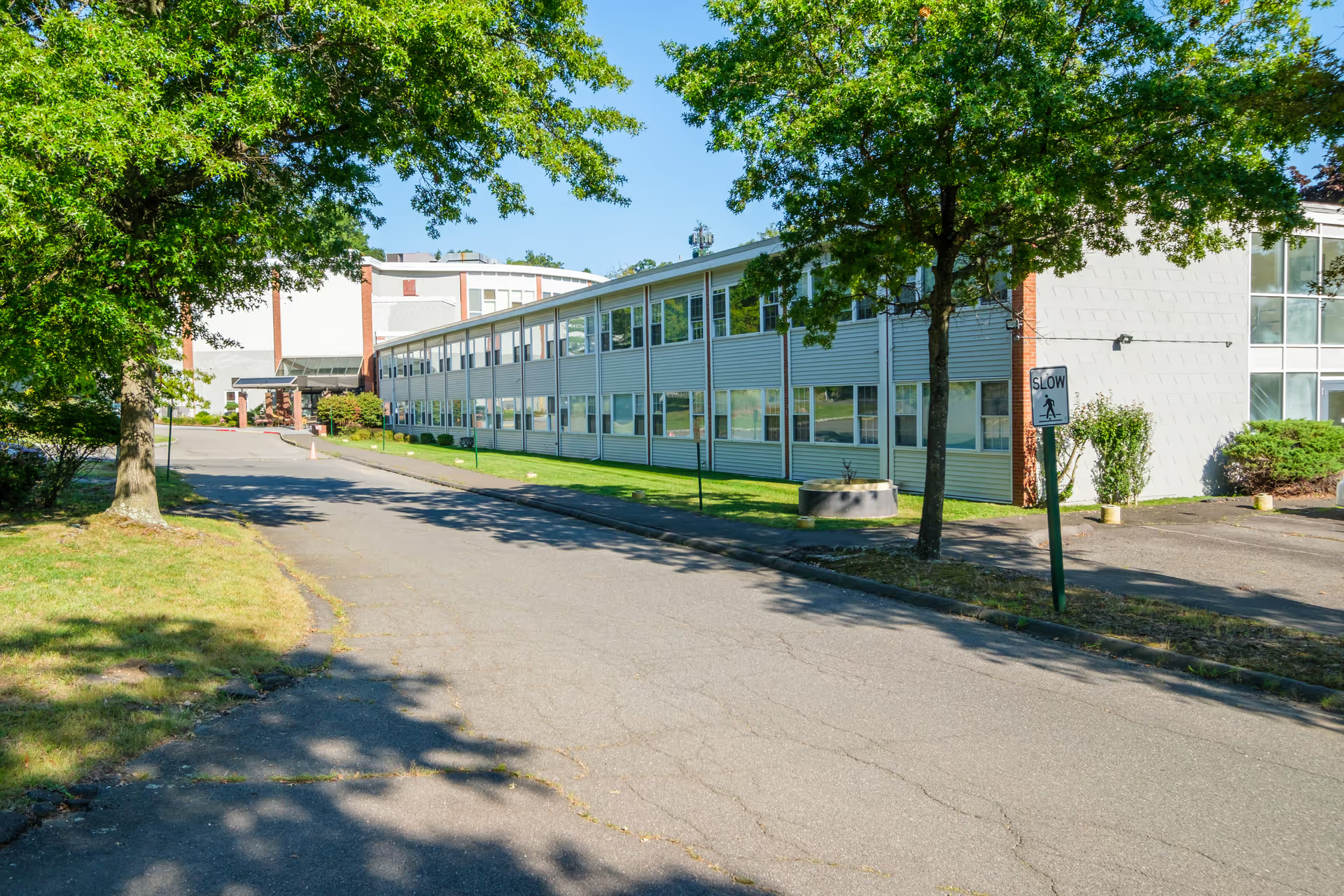
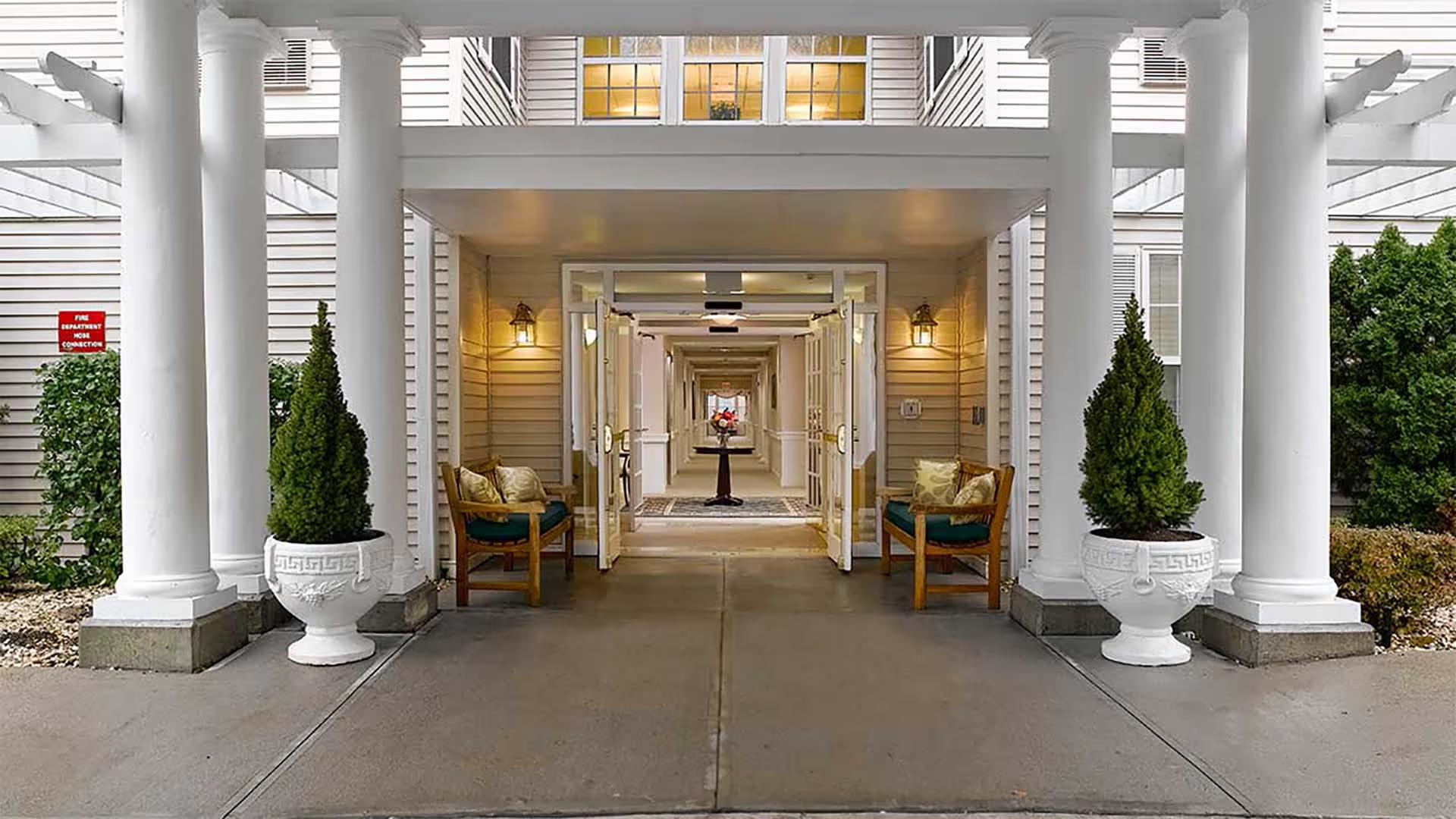
Facilities and environment show a split picture. Some families describe the facility as clean and well-maintained inside, while others raise sanitation concerns related to laundry and incontinence-care practices, odor issues, and clothing-management processes. Residents appreciate social camaraderie, but the facility lacks dedicated gym or outdoor therapy spaces and has limited usable outdoor areas; grounds maintenance and smoking near the main entrance were also called out. These environmental factors may affect resident well-being and opportunities for outdoor activity.
Dining and activities receive mixed feedback. Meals are delivered on schedule, but meal quality and satisfaction are inconsistent across reviews. Activity options include some electronic/interactive games, and residents report friendly peer interactions, but the absence of a formal gym or outdoor activity space limits programming for more active or therapy-oriented engagement.
Management and organizational themes include both constructive and critical observations. Some families credit leadership with resolving issues and providing direct support. At the same time, there are perceptions that organizational priorities sometimes emphasize census and billing rather than measurable clinical improvement, and reviewers note uneven application of policies and staff training. Taken together, the pattern suggests substantial variability by unit, shift, or staff cohort: some residents receive attentive, effective care, while others experience deficiencies in communication, rehabilitation services, personal-care handling, and safety monitoring. Prospective families should weigh the facility's accessibility and certain supportive staff against these recurring operational concerns and consider asking administrators for specifics on staffing ratios, rehab protocols, infection-control and equipment-cleaning procedures, fall-monitoring systems, and family-communication policies prior to placement.