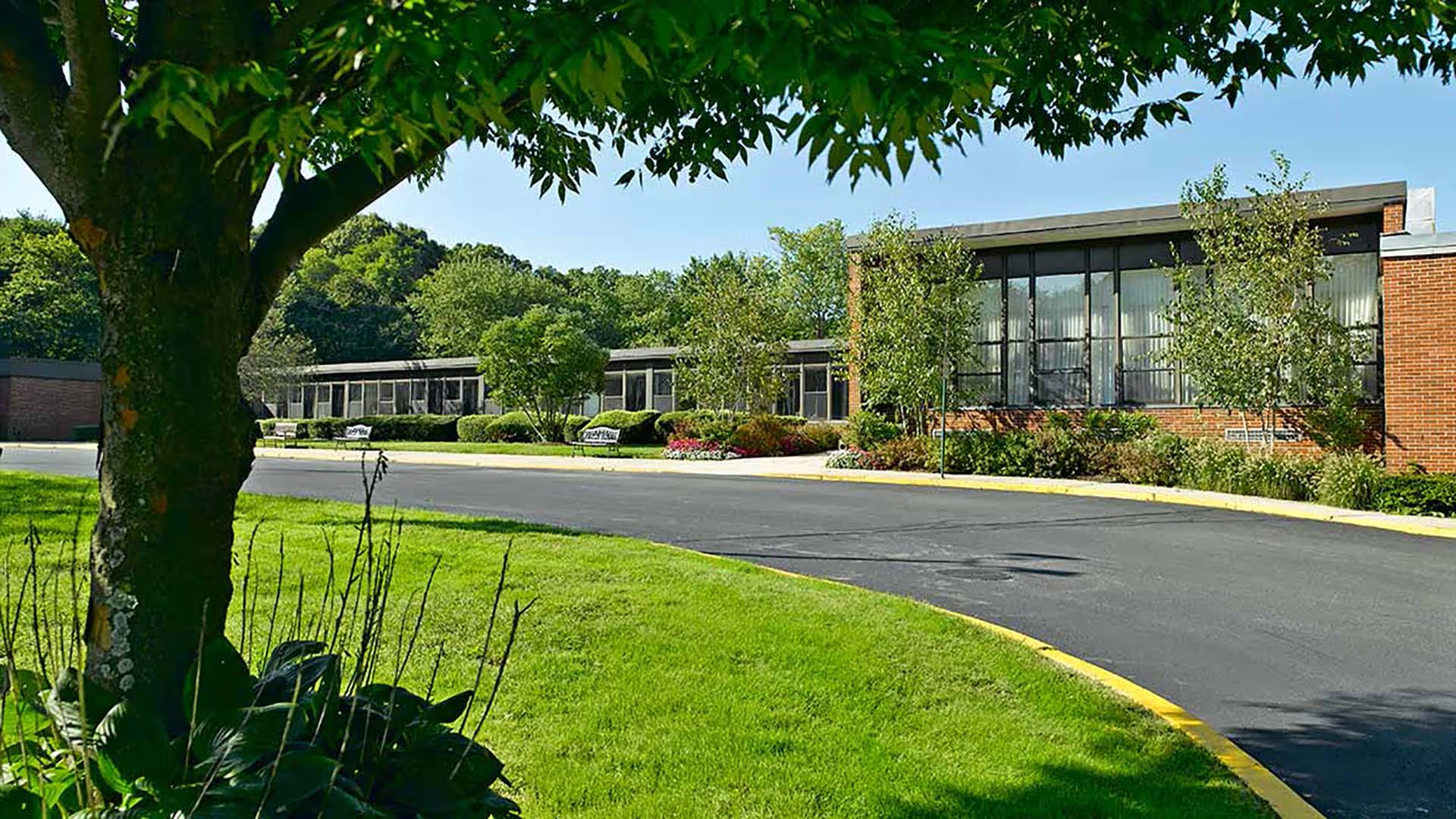
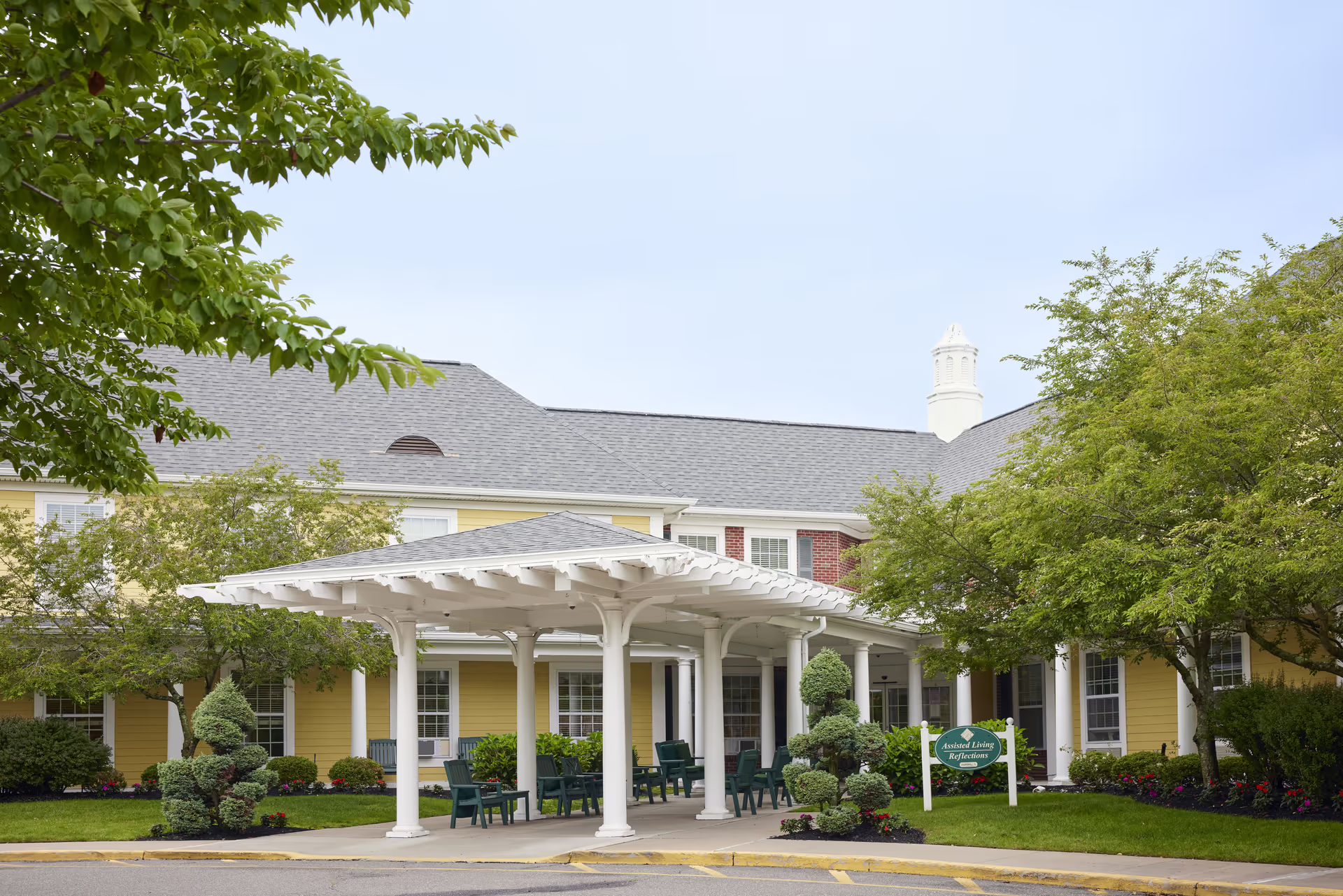
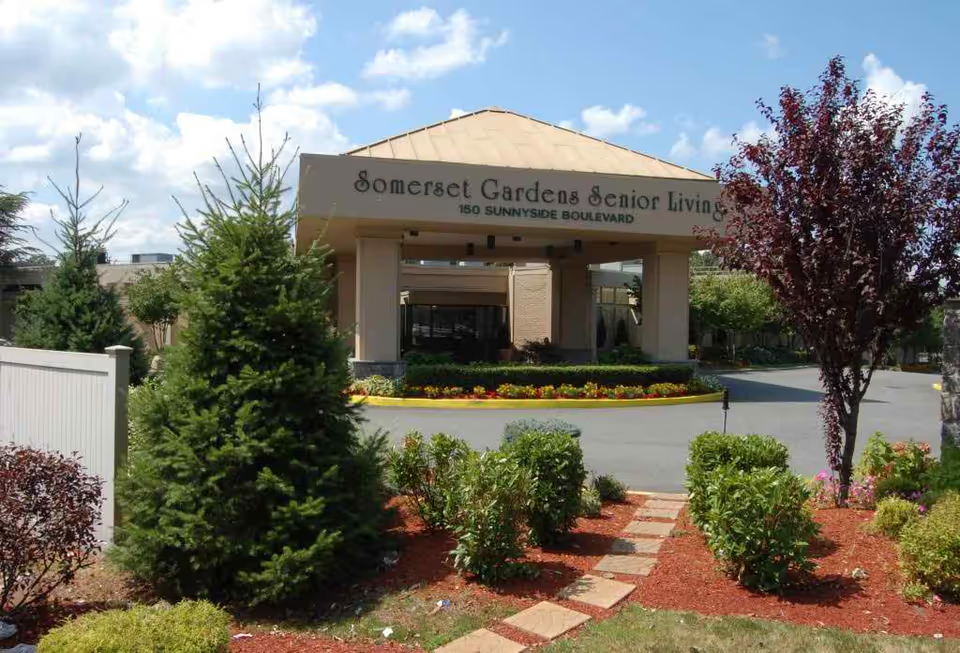
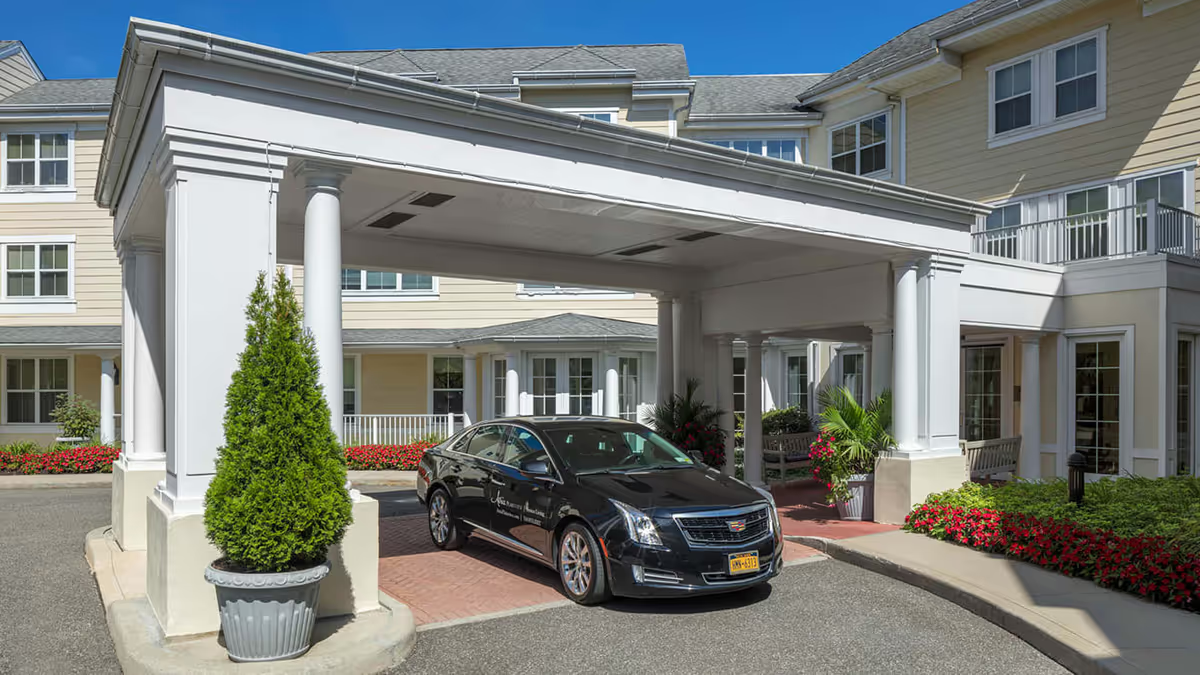
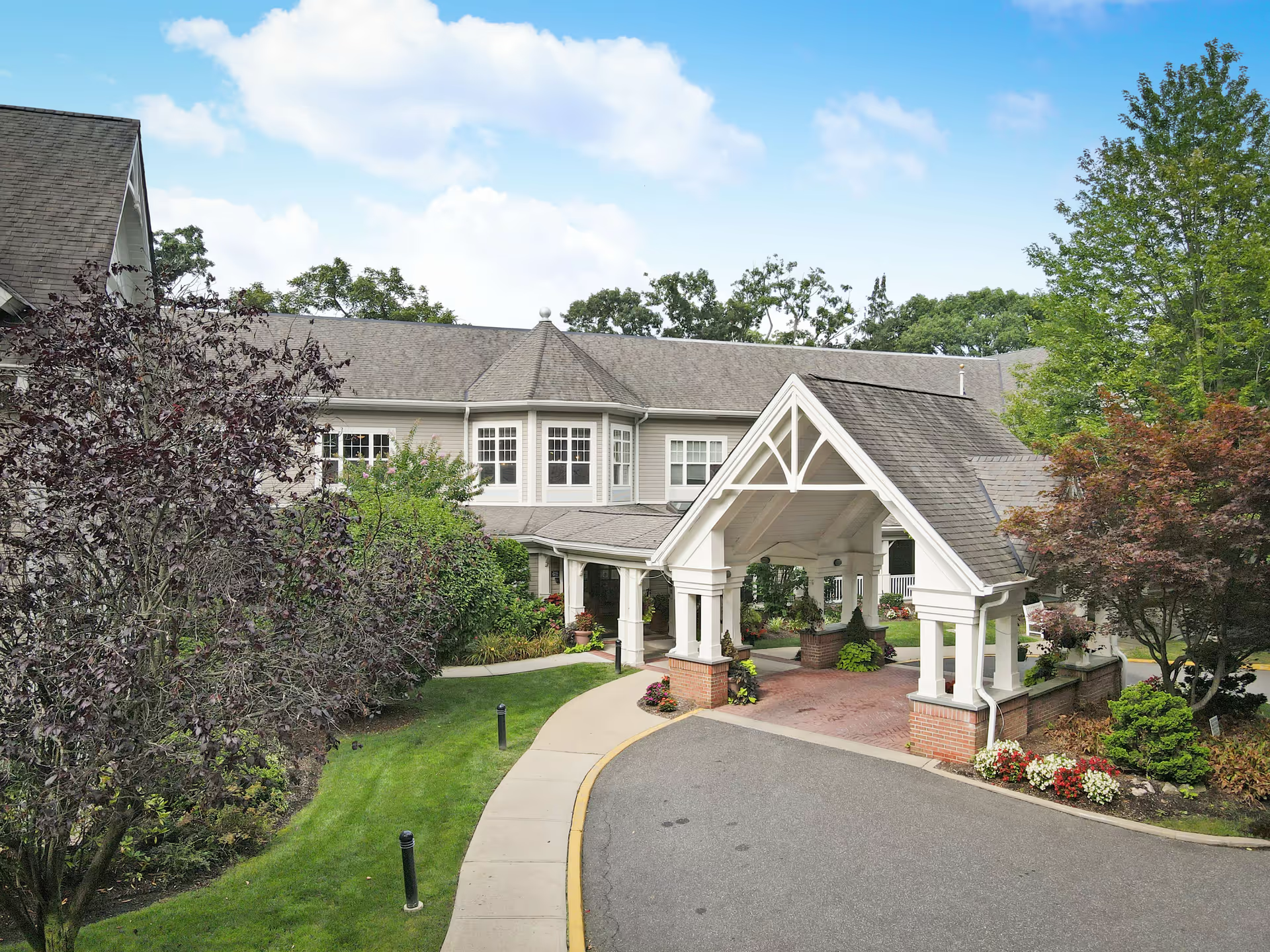
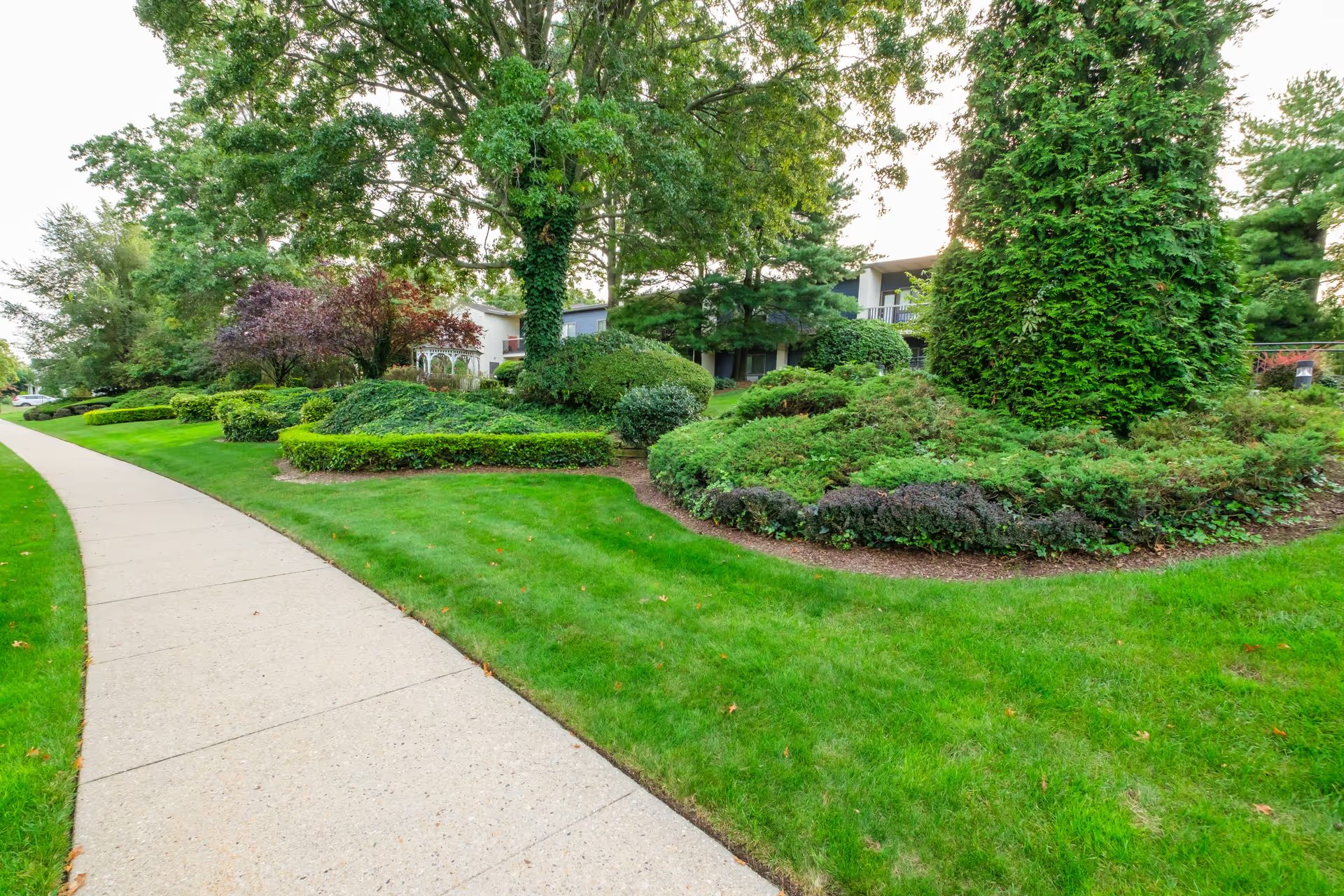
Sunrise of Huntington presents a mixed but clear pattern: the physical plant and many aspects of hospitality are strong, while operational consistency—particularly in direct care and billing—appears uneven. The community is frequently described as modern, bright, and immaculately maintained, with pleasant landscaping, comfortable common areas, and spacious apartment options including companion suites. Families and residents commonly praise a welcoming, community-focused atmosphere, outdoor patios, and the presence of safety features such as grab bars and check-in boards. The memory-care unit’s layout and the facility’s brand resources are also noted as positive structural attributes.
Care and staffing receive both high and low marks. Positive accounts emphasize compassionate, familiar caregiving, daily communication (phone updates, emails, and weekly health summaries), and accessible leadership who engage directly with families. Several families described meaningful one-on-one attention and 24/7 professional coverage. Counterbalancing those accounts are recurring operational weaknesses: inconsistent staffing levels, aide shortages, and frequent turnover that contribute to delayed responses to call buttons and slower emergency assistance than promised. There are also concerns about medication-management consistency and clinical follow-through; prospective families should probe clinical staffing ratios and medication protocols.
Dining and activities are similarly variable. The facility has a chef who can customize meals for diabetes and cardiac needs and some reviewers appreciated menu variety and friendly dining staff. At the same time, other families described inconsistent meal palatability and occasions when food quality was unsatisfactory. Activity programming is available and can be robust—exercise classes, gardening, games, and meaningful programming in memory care—but some schedules skew toward passive options (television-heavy periods) or vary in engagement level across shifts.
Operational and safety issues appear as recurring themes. Multiple accounts describe lapses in laundry handling and controls over residents’ personal property, including missing or mismatched clothing and eyeglasses. There are also reports of property and billing disputes, including a special assessment charge, which point to concerns about billing transparency and financial practices. A small number of serious incidents were described, such as resident-on-resident incidents resulting in injury; these raise questions about supervision practices in higher-acuity or memory-care areas and suggest families should ask specifically about incident-prevention protocols, staffing during high-risk periods, and recent incident history.
Management and admissions practices show both strengths and weaknesses. Many families praised responsive management, helpful admissions staff, and smooth move-in processes that allowed room personalization. Conversely, some accounts described aggressive or overly optimistic marketing and sales promises (for example, assurances that a private aide would not be necessary) that were not borne out in practice. Reported leadership transitions and difficulty recruiting qualified aides have been cited as drivers of inconsistent day-to-day operations.
Taken together, Sunrise of Huntington offers strong physical amenities, an appealing community atmosphere, and many examples of compassionate, communicative staff and individualized care. However, operational variability—especially around staffing consistency, call response times, medication practices, property controls, food quality, and billing transparency—warrants careful due diligence. Prospective residents and families should tour at multiple times of day, ask for current staffing ratios and call-response metrics, review sample menus and activity schedules, request written billing policies and recent incident logs, and speak with current families about recent leadership stability before making a placement decision.