Overall impression The Arbors at Islandia East is described by many families as a well-appointed assisted living community with a strong social program, attractive common spaces, and a staff culture that can be highly engaged and compassionate. Reviewers repeatedly cite restaurant-style dining, a variety of activities (arts, exercise, games, and frequent off-site trips), and convenient features such as on-site rehab, visiting physicians, memory-care options, and trial/respite stays. For a number of residents the environment produced clear improvements in social engagement and quality of life.
Care quality and staffing Care experiences are mixed. Numerous accounts praise individual caregivers, the wellness center team, and case managers for responsive clinical attention and quick escalation when issues arise. At the same time, other accounts describe operational inconsistencies: medication-administration errors, hydration-monitoring gaps, infection-related incidents, uneven assistance with bathing/dressing, and variability in night and secure-unit monitoring. High staff turnover and lapses in caregiver continuity are cited as contributors to these inconsistencies. In short, day-to-day clinical reliability appears uneven across units and shifts; families should verify current staffing levels, medication protocols, and handoff practices during a tour.
Staff, communication, and management Many reviewers singled out particular staff and leaders for praise—those individuals were credited with smooth transitions, proactive family communication, and strong advocacy for residents. Conversely, several families reported unresponsiveness from management, broken promises from the sales process, and inconsistent follow-through on concerns. Financial and contractual practices were a recurring administrative concern: sizable community fees, deposits, non‑refundable charges, and periodic price increases were noted as items to clarify up front. Given this variability, prospective families should request written clarification of fees, deposit/refund policies, and how management addresses care complaints.
Dining and nutrition Dining is frequently described as a strength: attractive dining rooms, varied menus, and many reviewers praising meal quality and presentation. However, complaints about limited dietary accommodations, slow meal service at times, and inconsistent offering of liquids or appropriate textures were also mentioned. There are reports of menu items that are not suitable for residents with dentition issues and occasional spoilage or quality lapses. Confirming special-diet provisions, meal-service routines, and protein/texture adaptations is advisable for residents with specific nutritional needs.
Activities and social life Activity programming is a clear positive in many accounts: regular arts classes, exercise, trivia, movie nights, bingo, social hours, and frequent excursions contribute to an active social scene. Some families noted the activity program can require prompting for less-engaged residents and that occasional cancellations or limited external entertainment occur. Overall, the community leans social and activity-focused, which benefits residents who are able and willing to participate.
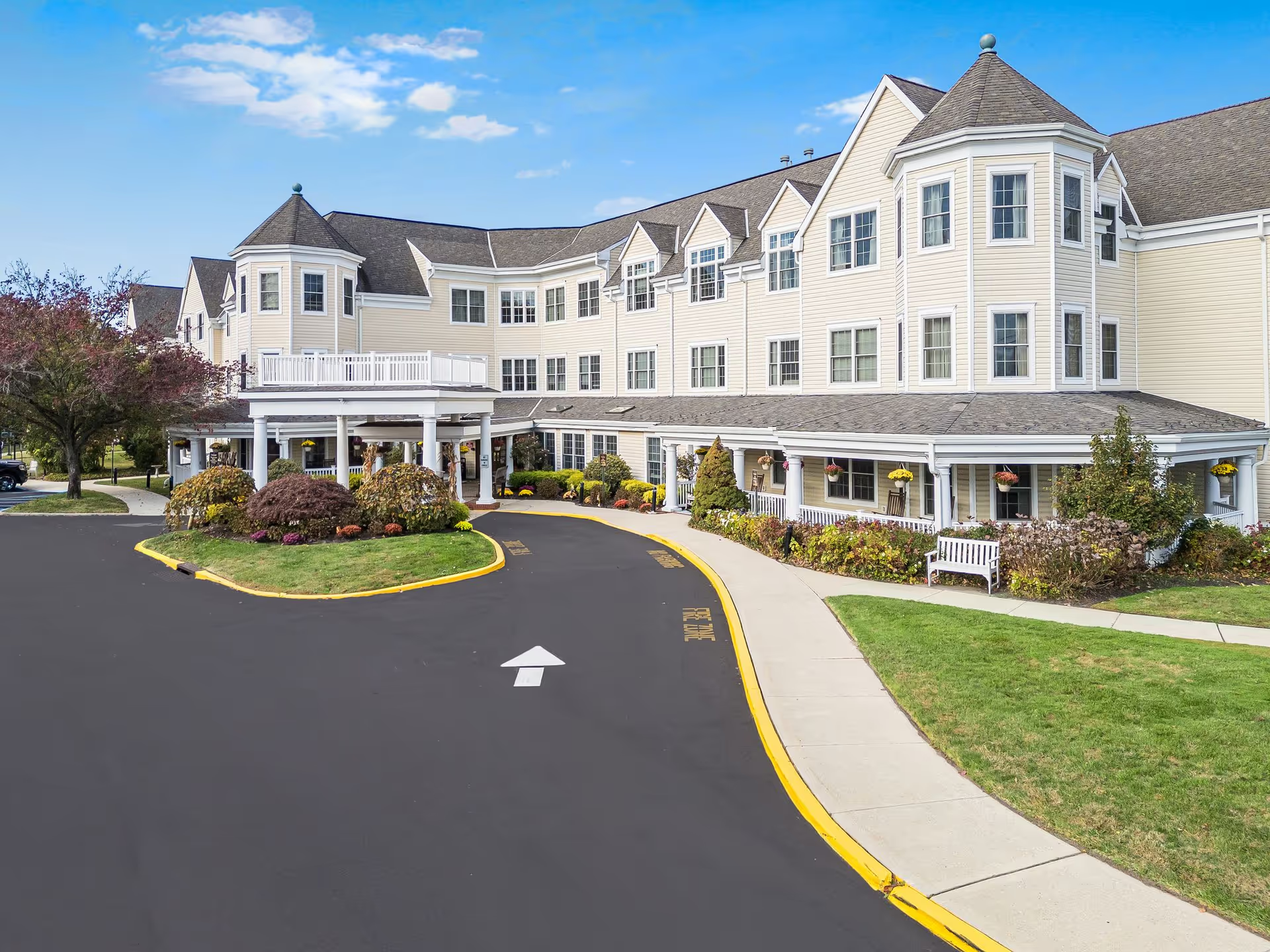
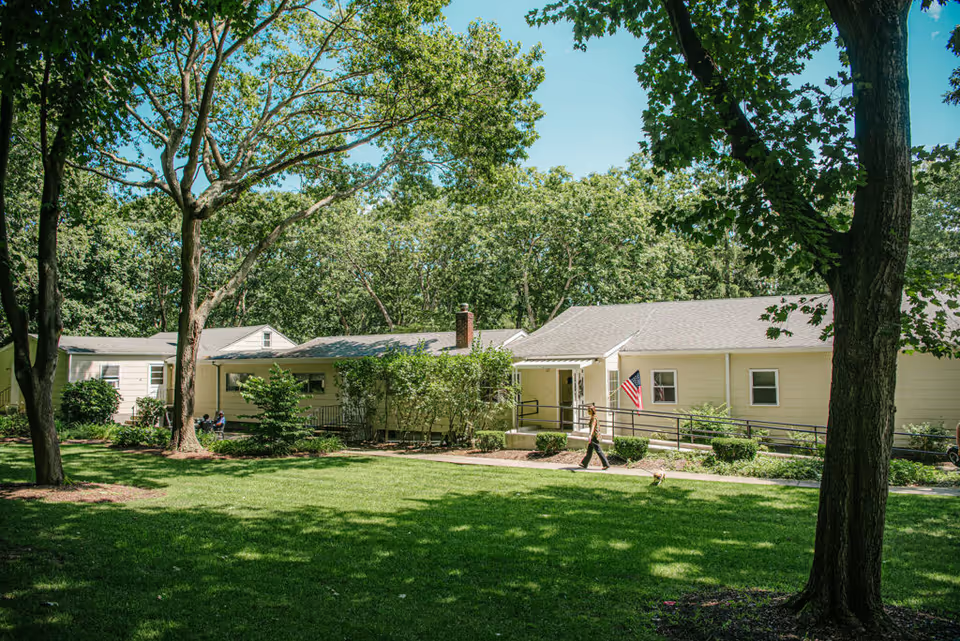
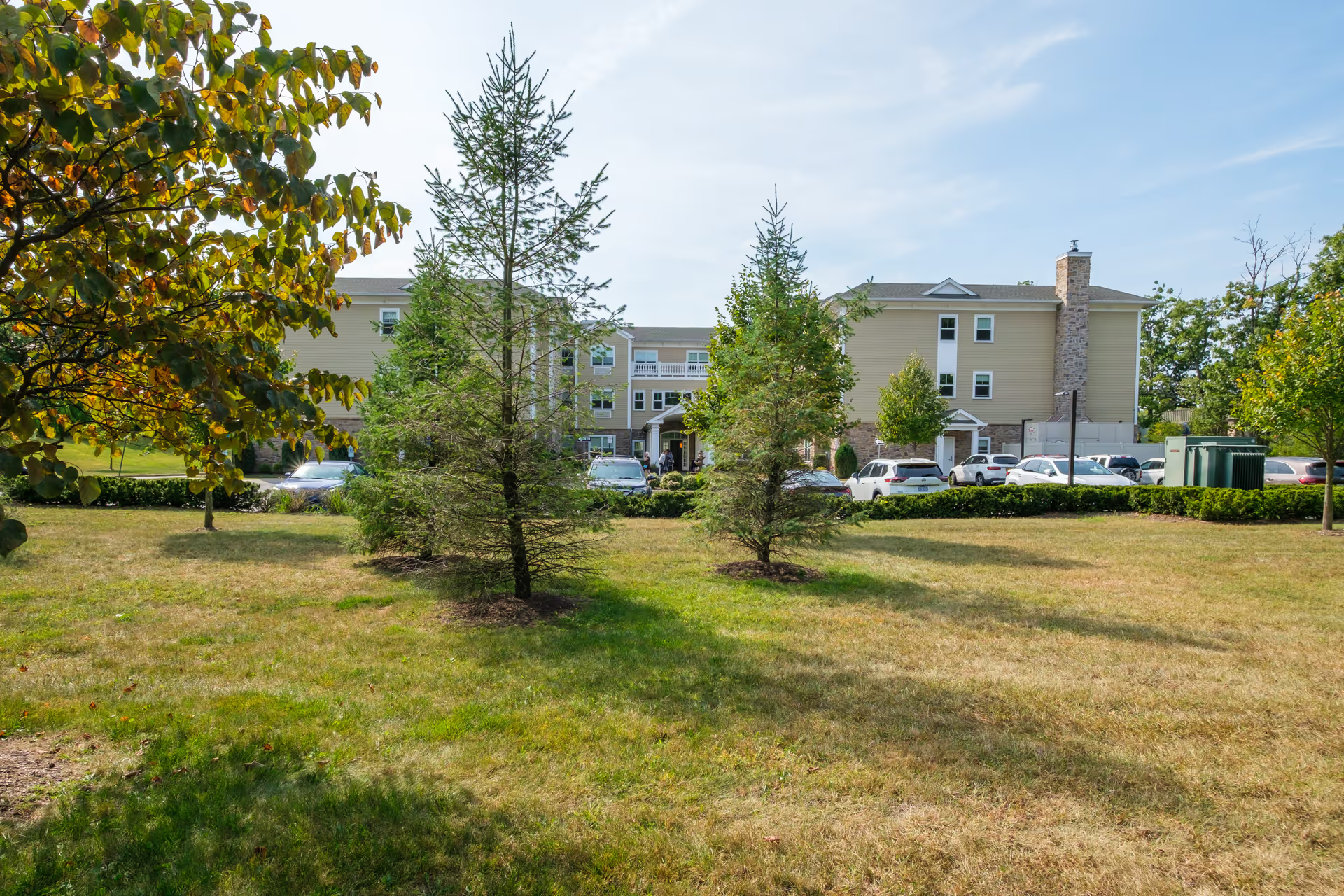
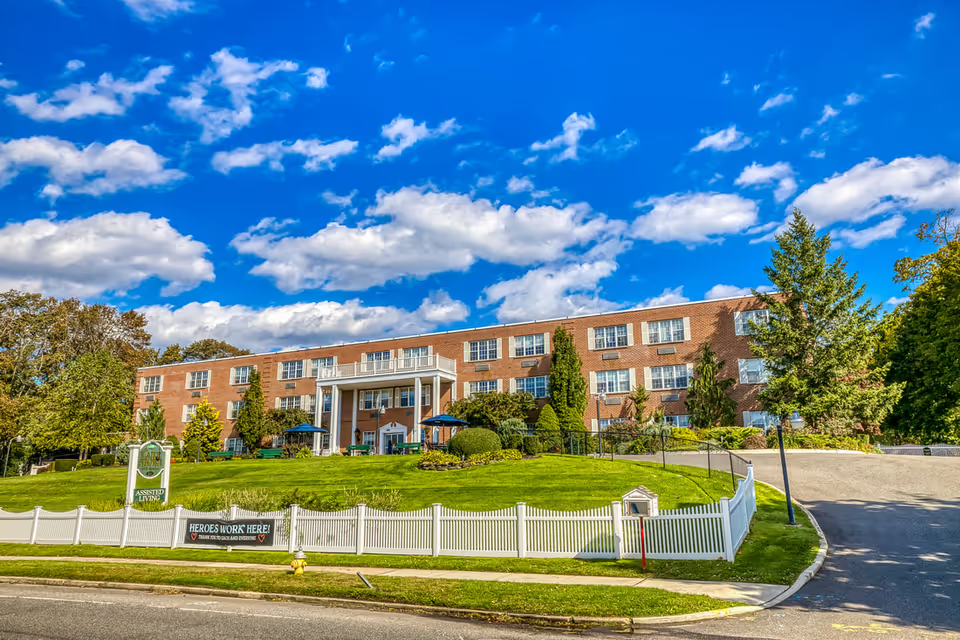
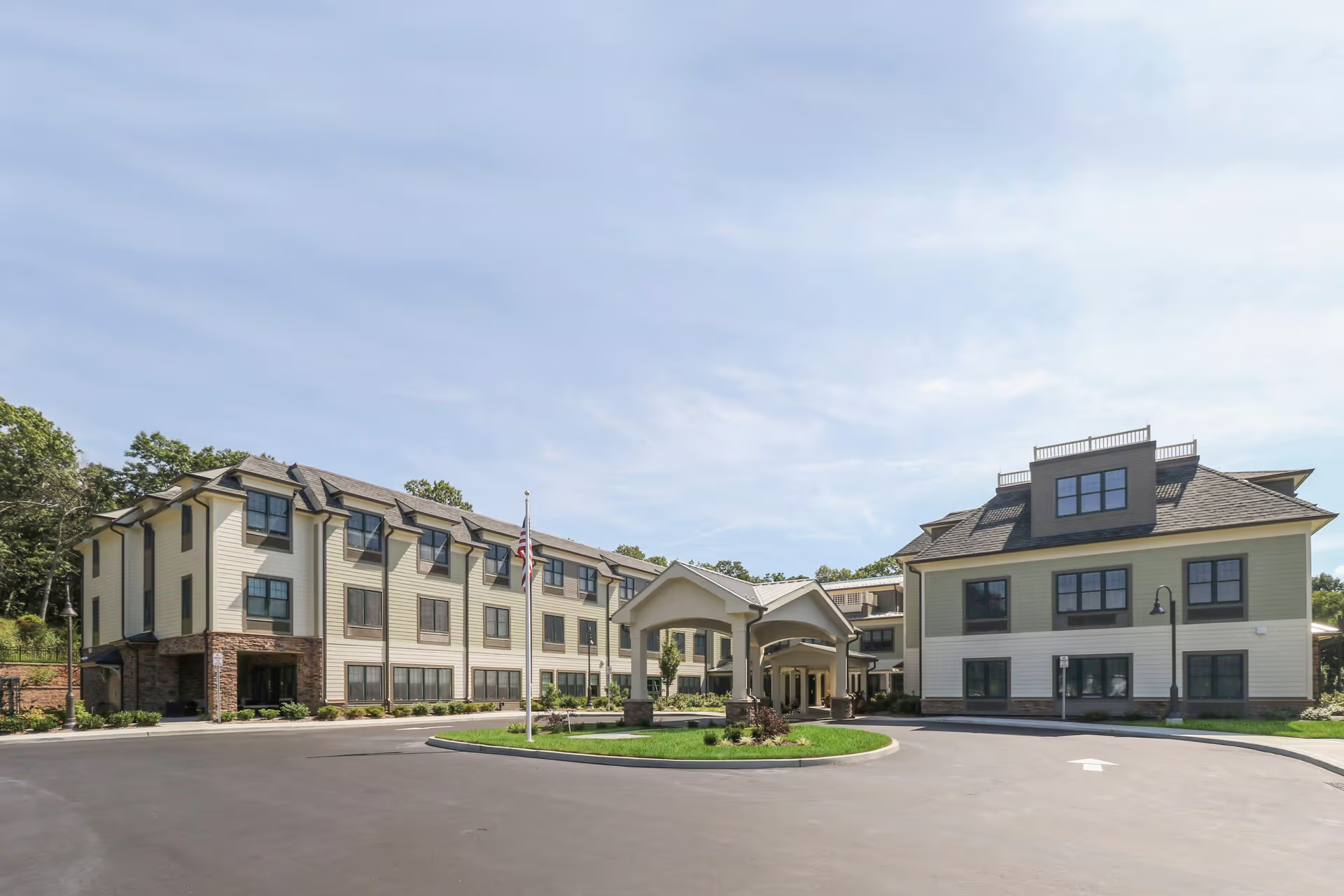
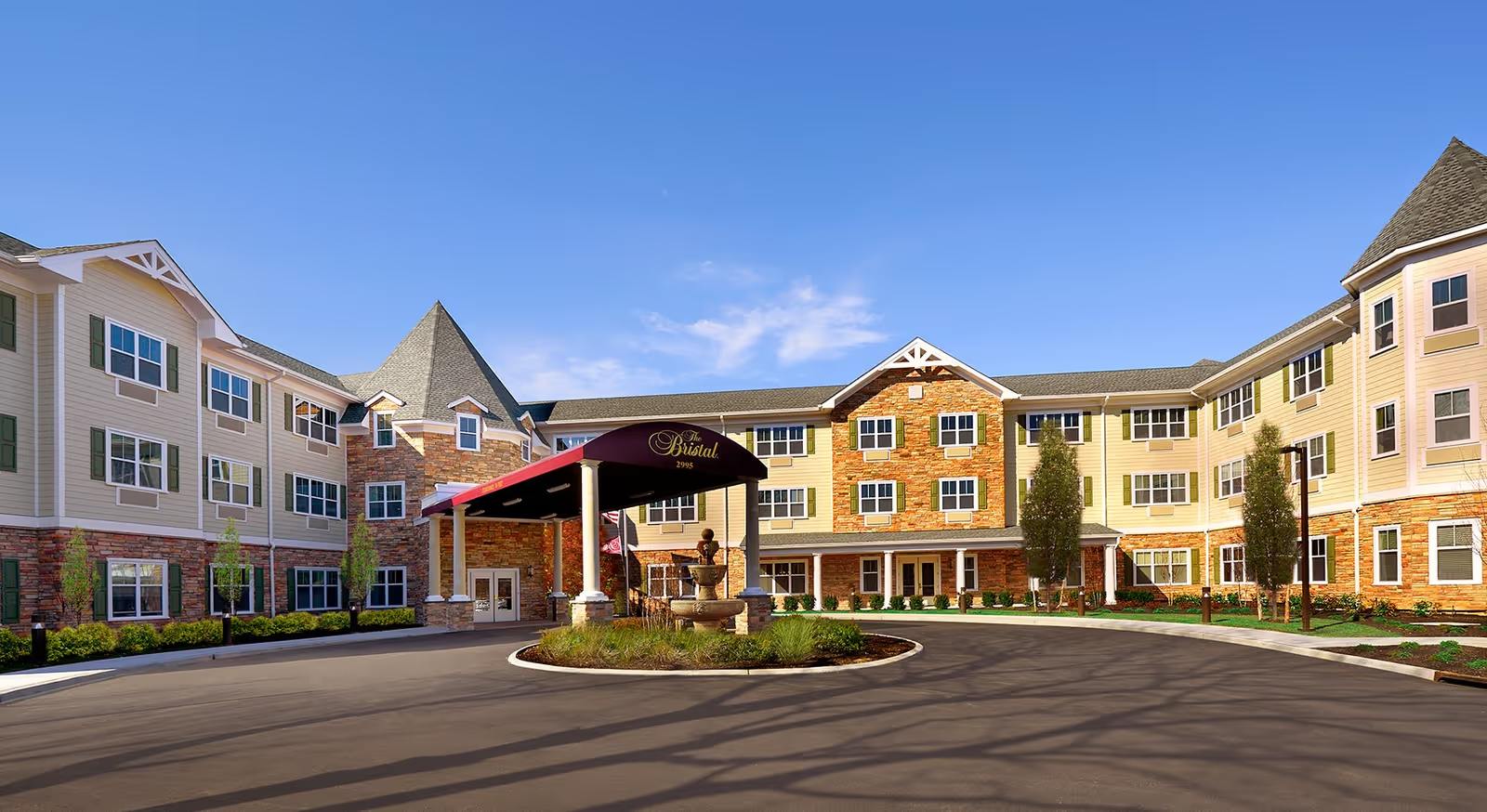
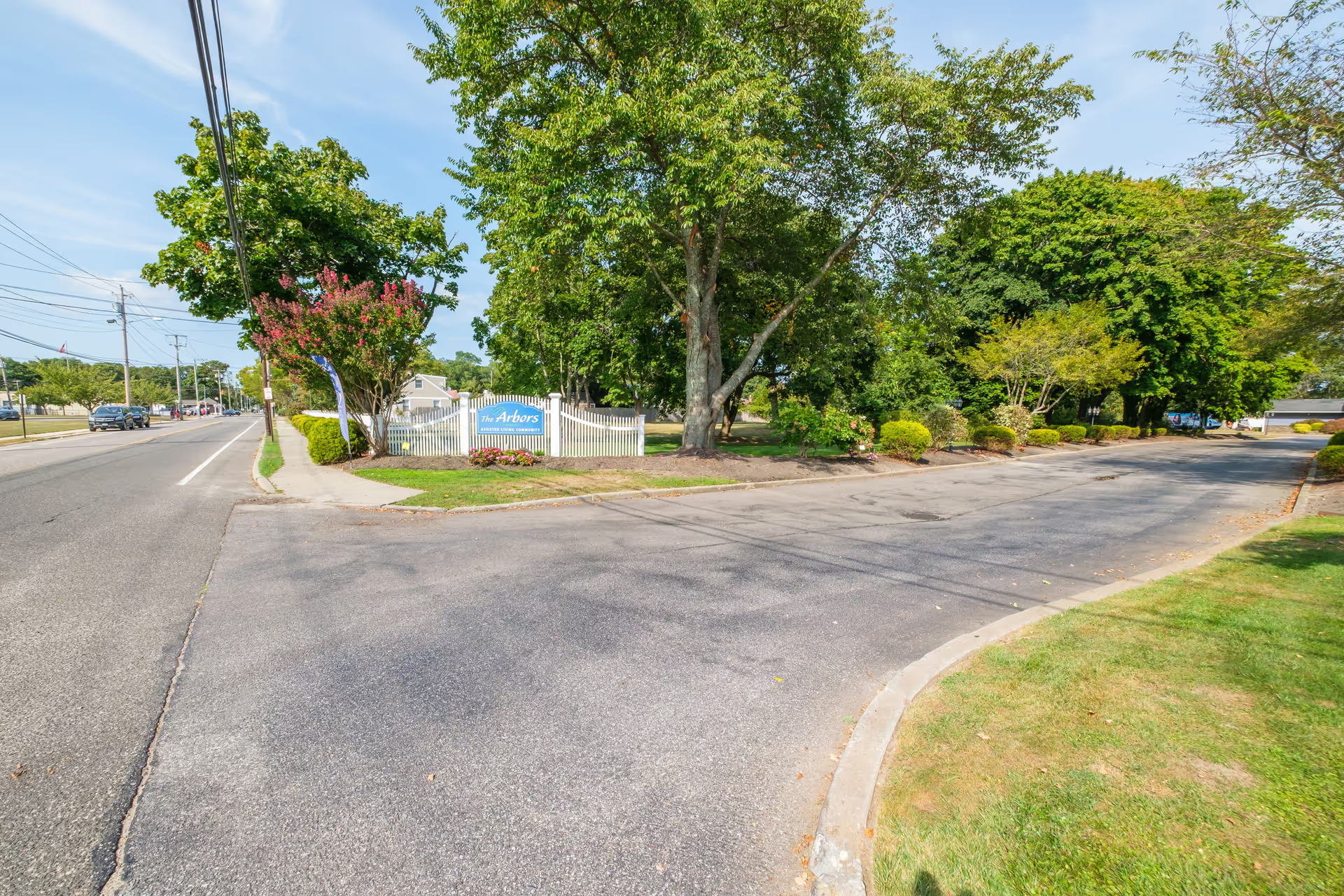
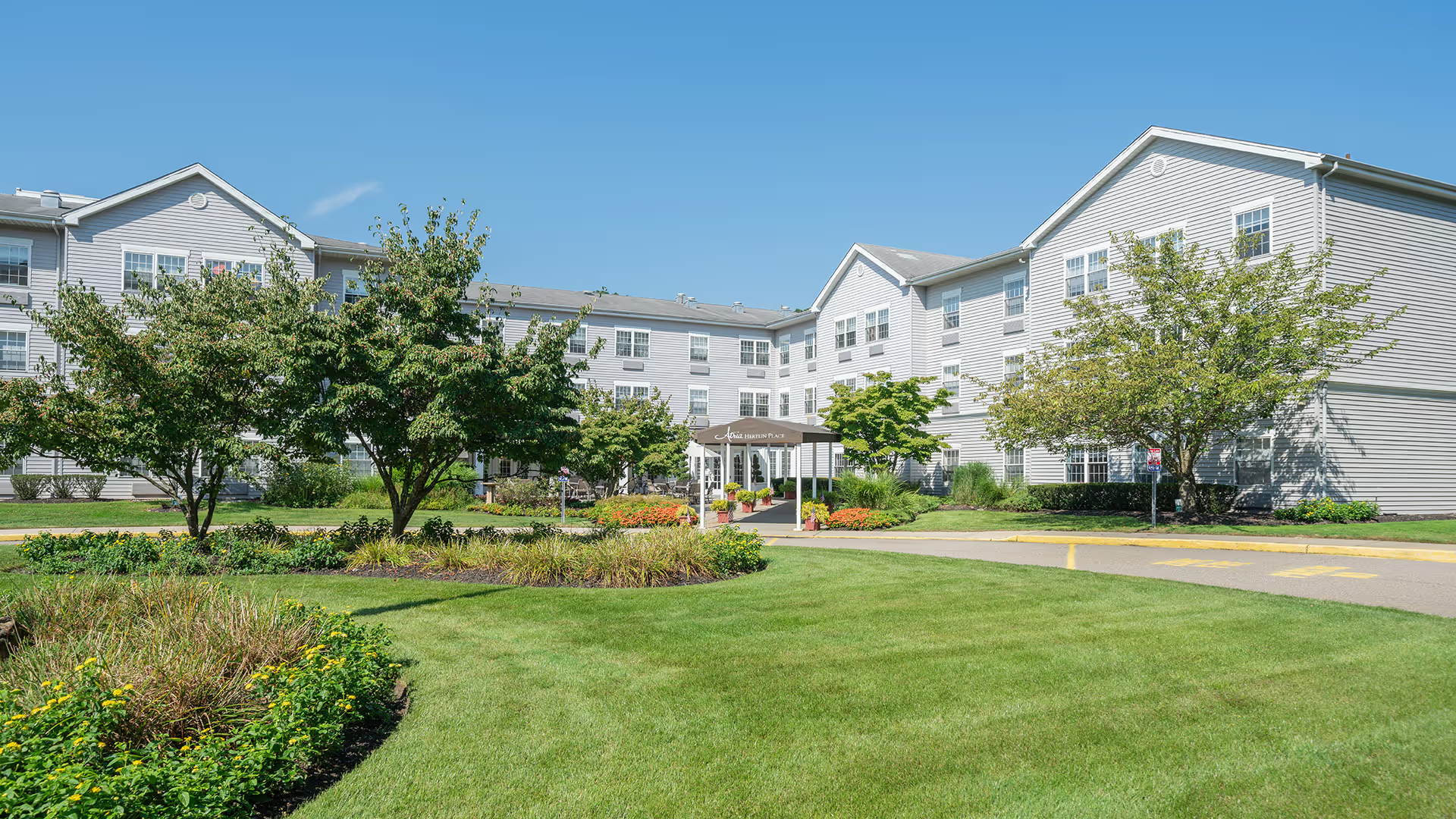
Facilities and environment Physical plant impressions are largely favorable: clean, spacious apartments, multiple gathering areas, media and game rooms, and some recent upgrades. Limitations identified include limited outdoor seating, noise from a nearby highway affecting some rooms, and isolated maintenance issues such as drafty windows or localized leaks. Memory-care and secure-unit design receive mixed comments—some describe a dementia-friendly layout and attentive programming, while others note monitoring and care-quality differences between units.
Notable patterns and recommendations Review content is polarized: many families report exceptional, family-like care and strong programming, while others detail operational weaknesses that materially affected resident safety or satisfaction. A small number of accounts reference serious adverse incidents and regulatory attention; allegations of financial misconduct were also raised in a few narratives. Prospective residents and families should perform targeted due diligence: visit during meal and activity times, ask about current staffing ratios and turnover, review medication- and hydration-management protocols, inspect recent housekeeping/maintenance records, request written fee schedules and refund policies, and ask for examples of how the community handled recent clinical incidents. Asking to speak with current family members or to see recent inspection reports can help clarify whether strengths or concerns are most reflective of present operations.
Bottom line The Arbors at Islandia East offers many amenities, a robust activities program, and numerous staff who are described as caring and effective. However, operational inconsistencies—in clinical oversight, staff continuity, housekeeping, and administrative transparency—are sufficiently recurrent that families should verify specific care processes and contractual terms before making a placement decision.