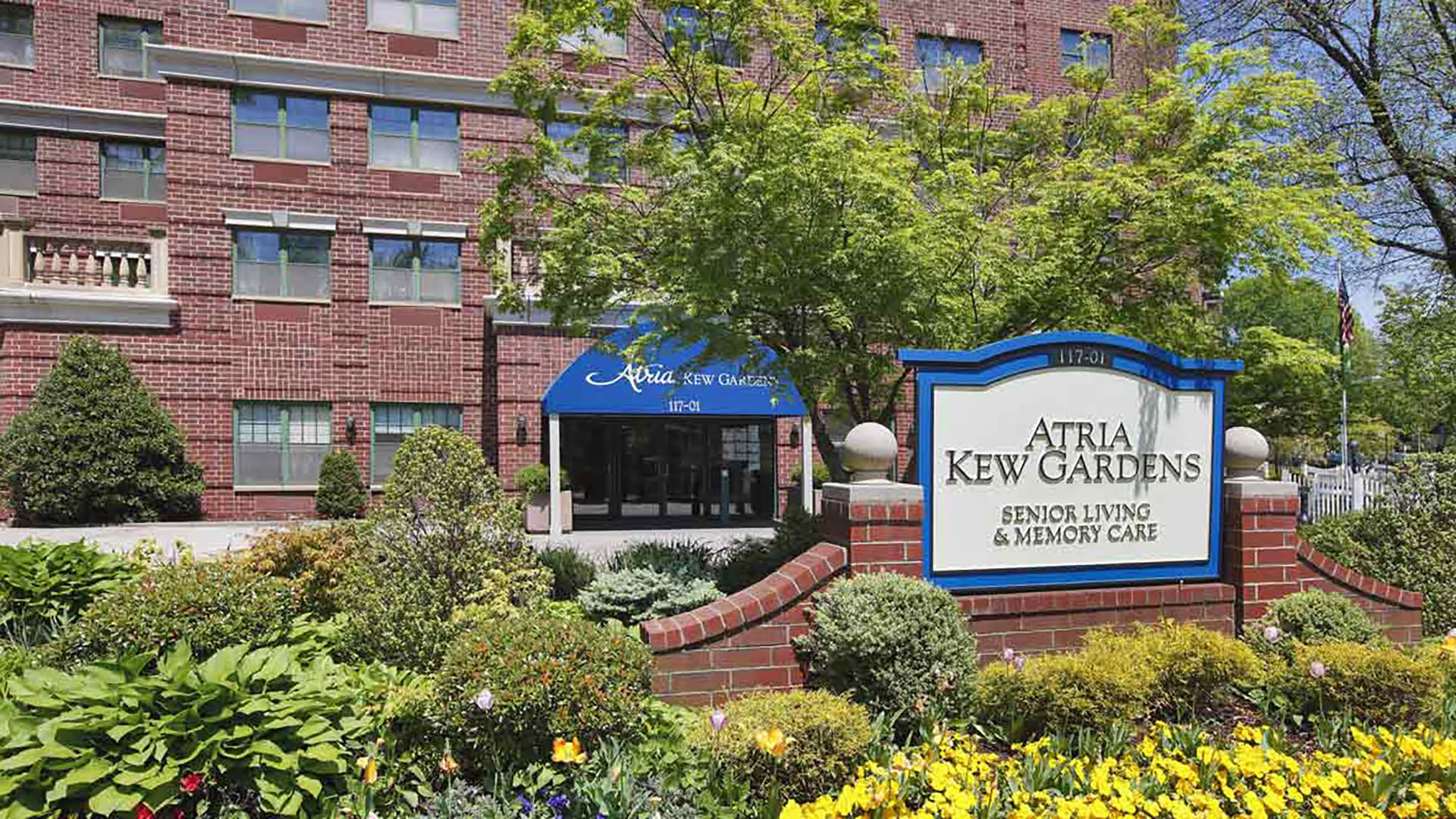
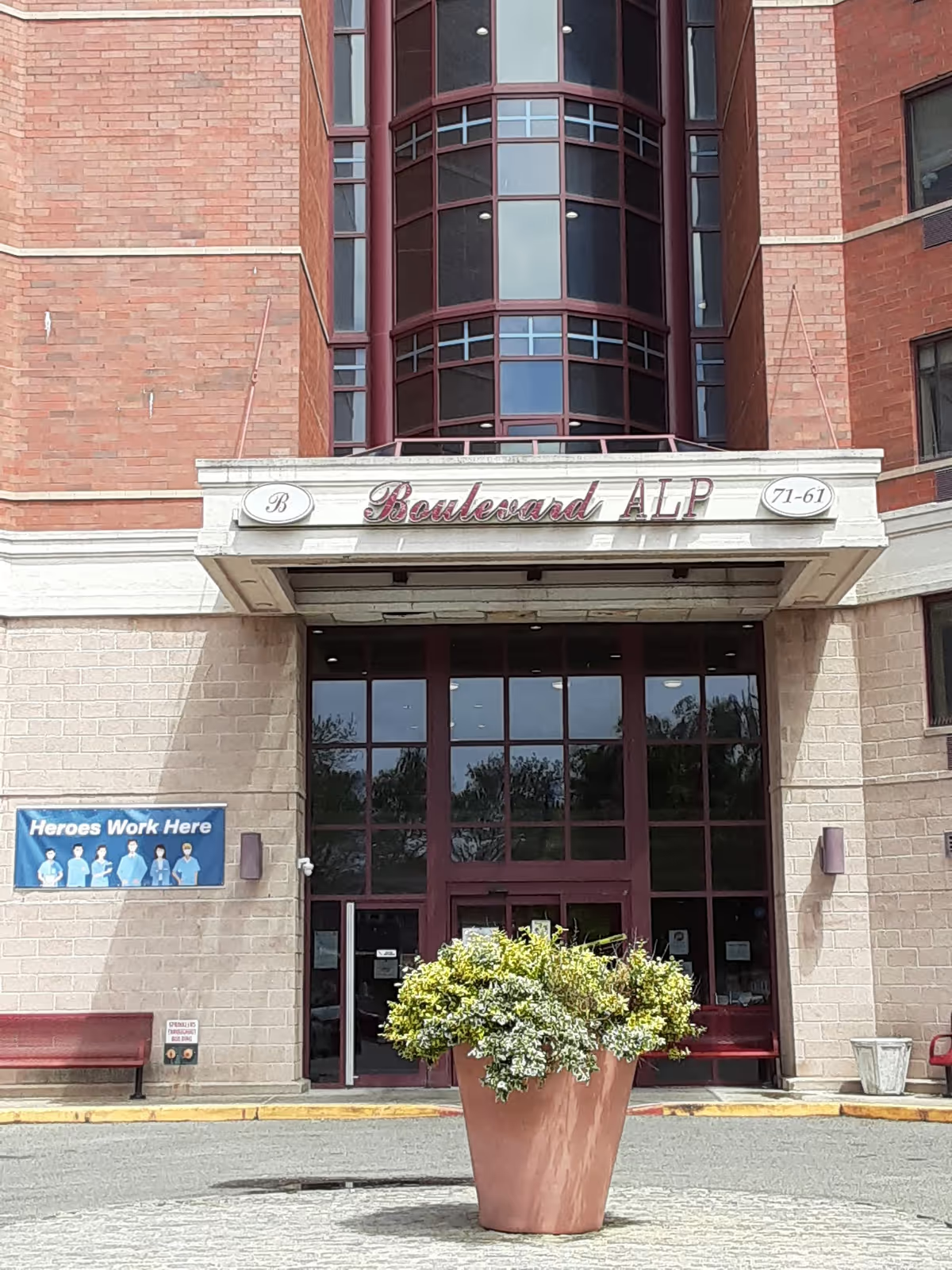
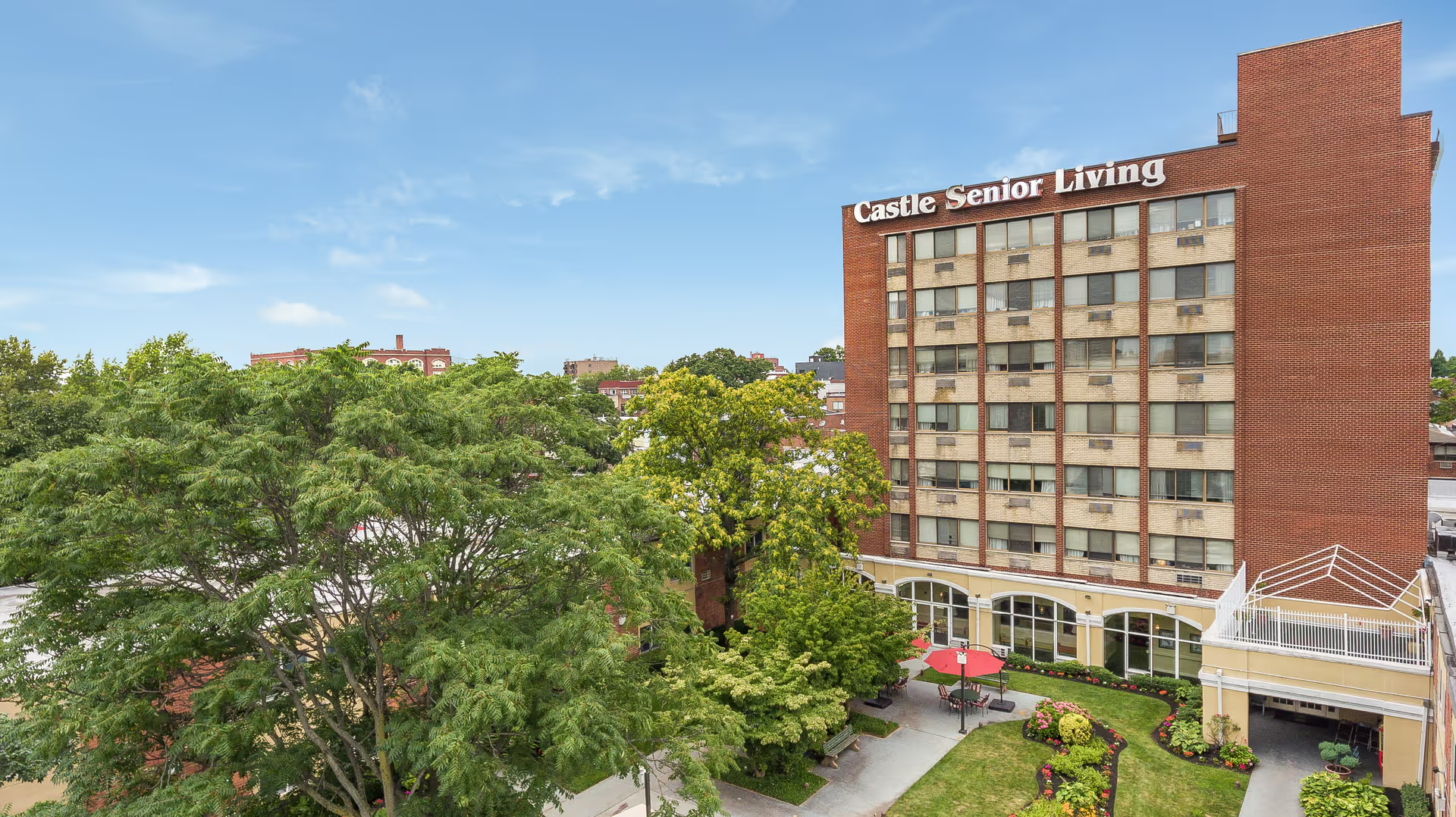
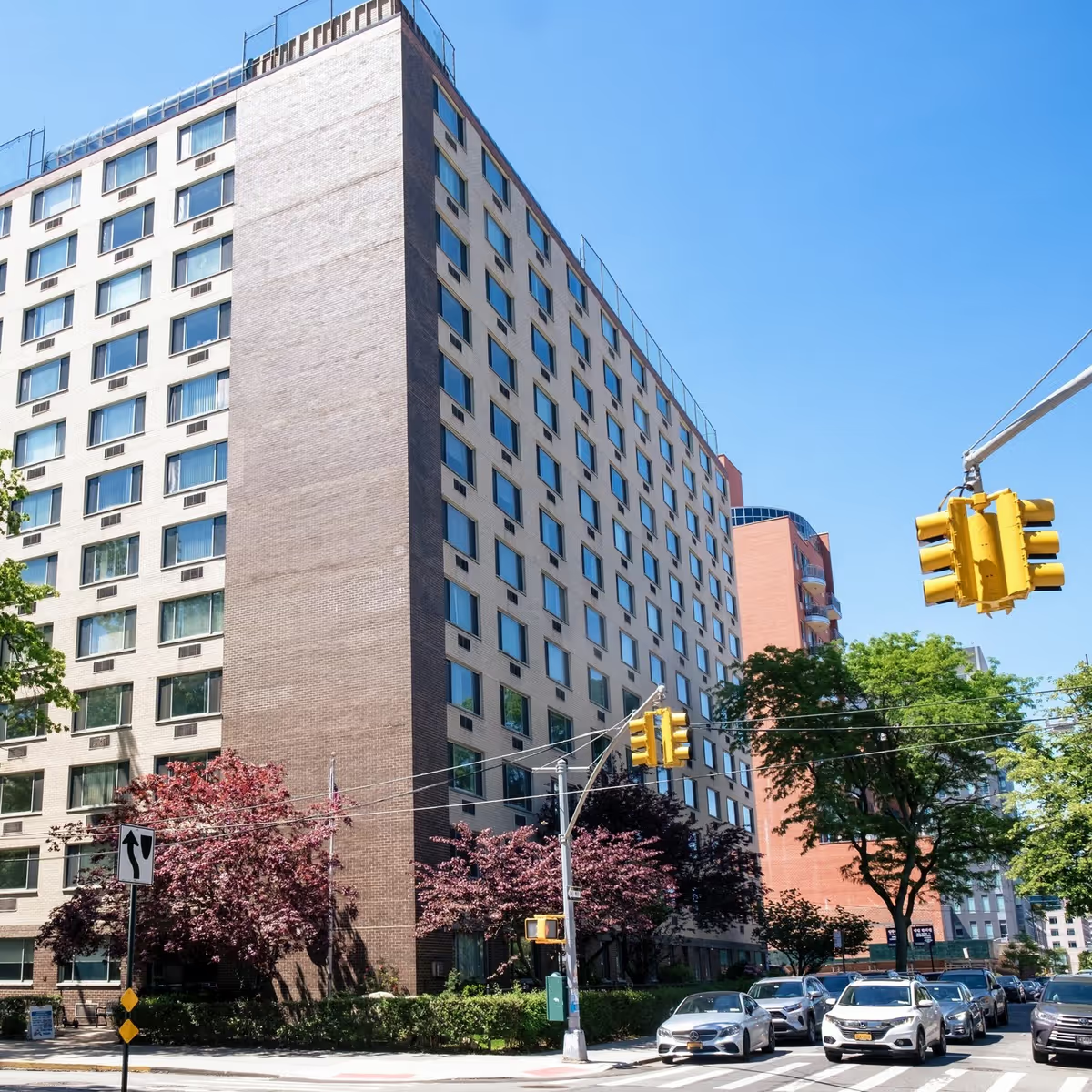
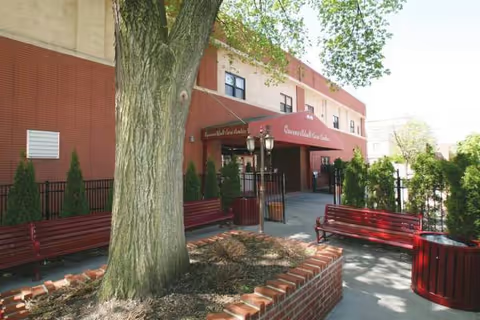
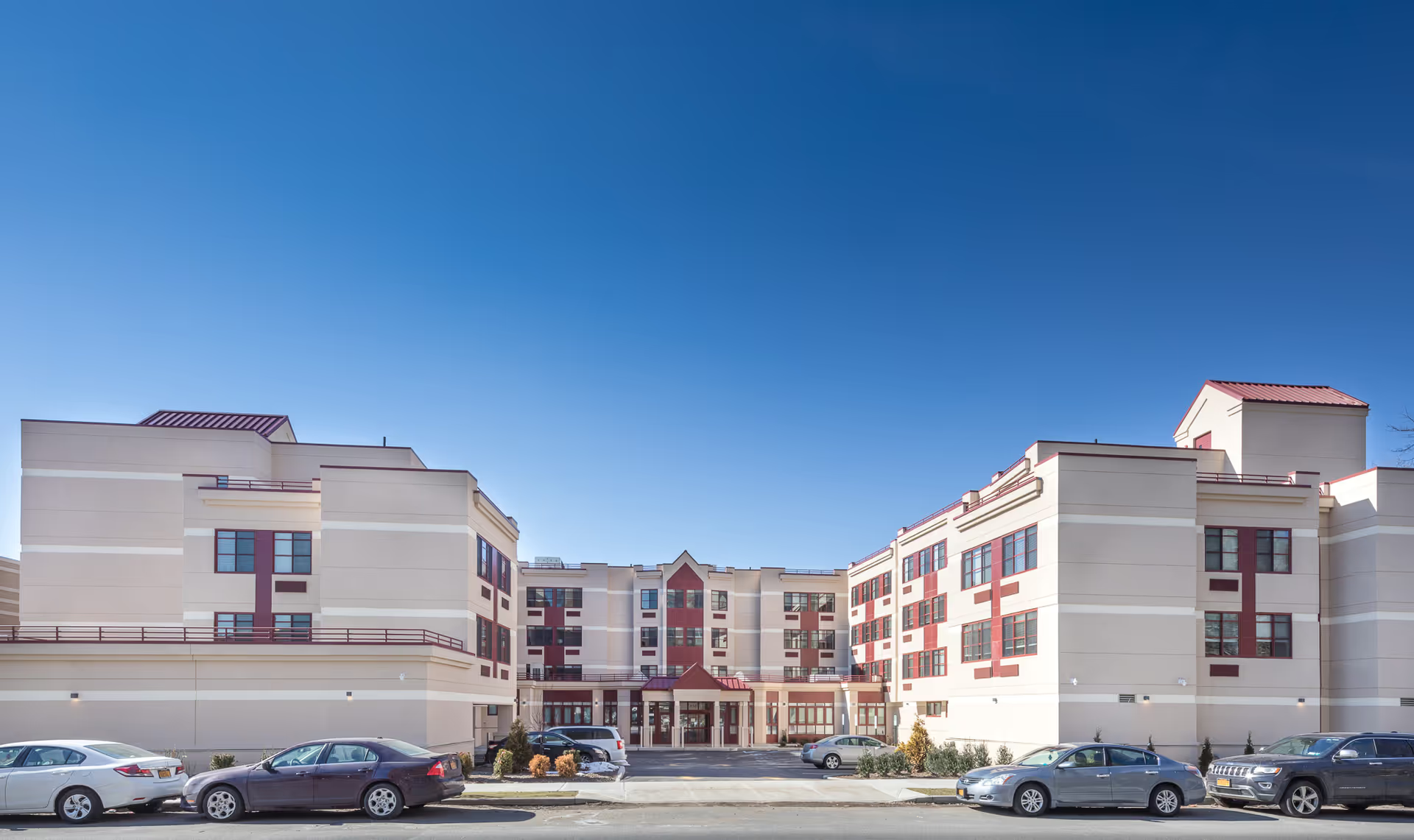
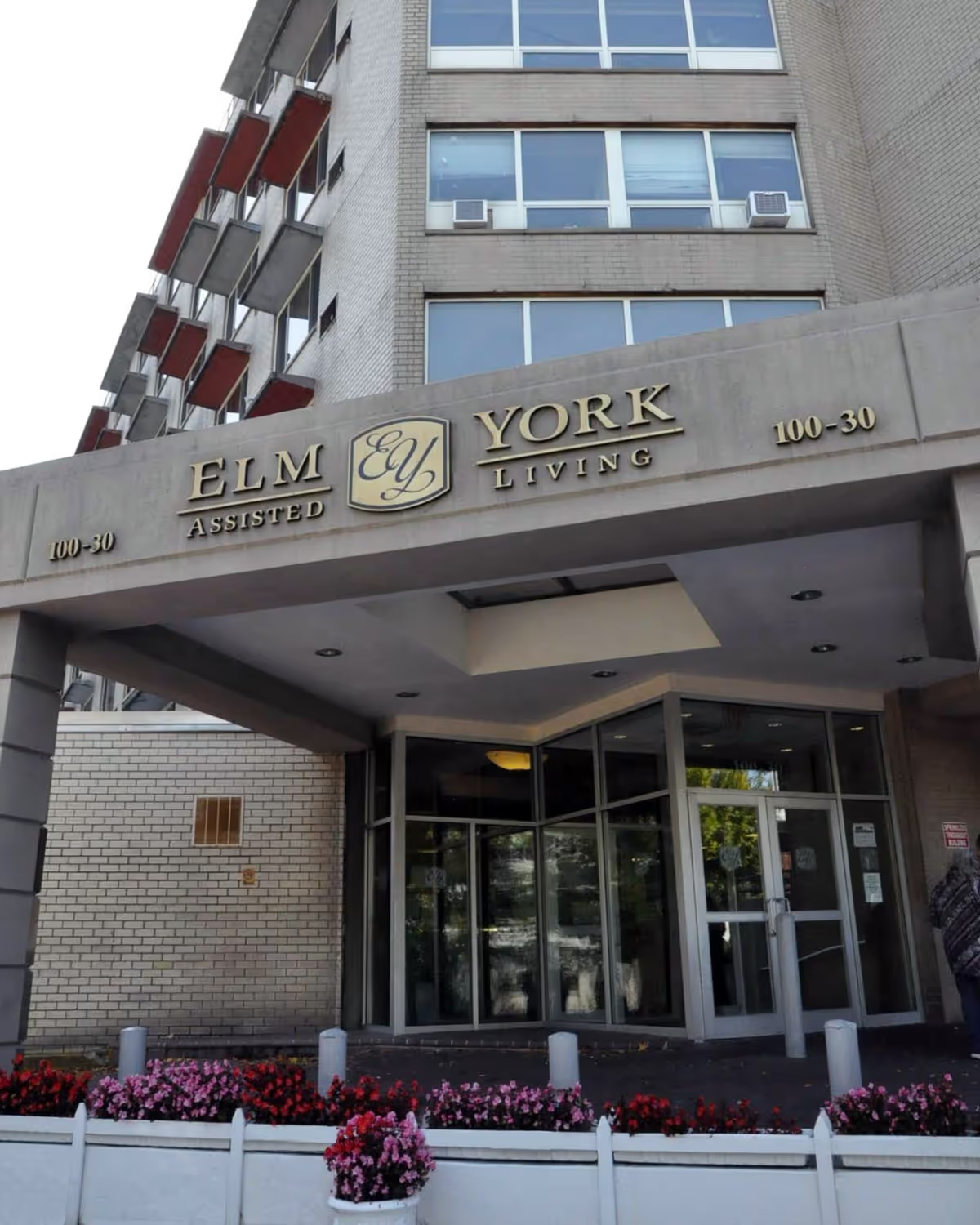
The reviews describe a facility with clear operational strengths in rehabilitation, basic safety, and facility upkeep alongside uneven performance in day-to-day clinical operations and service continuity. Positive comments emphasize an effective rehab program and therapists who engage patients with patience and skill; several accounts note attentive nursing attention during rehabilitation stays. The physical environment is frequently described as clean and orderly, with well-maintained resident rooms, a tidy reception area, secure practices (for example, locked wheelchairs), and access to outdoor areas that residents enjoy. Security staff and certain caregivers are characterized as helpful and professional.
At the same time, a number of operational weaknesses recur across the feedback. Staff performance appears inconsistent: while some staff are praised for responsiveness, others are described as less reliable. This variability ties into broader concerns about clinical-care consistency and medication administration controls — for example, timing of insulin and other medications — which can affect resident safety and stability. Reviewers also describe delays in routine services (meal delivery, laundry, basic wound/stitch follow-up), suggesting that staffing levels or workflow organization may not sustain reliable, timely care at all times.
Dining and activity programming show a mixed picture. Several reviewers appreciated dietitian-planned meals and described food positively, and daily social events were noted as a strength. However, there are also comments about meals that do not match individual taste preferences and instances of meals or meal service being delayed. Activity offerings appear present but limited in scope at times (for example, periodic bingo), so engagement opportunities may vary depending on the unit or staffing on a given day.
Communication and care coordination are additional areas of concern. Families describe difficulty getting timely responses from social-work or administrative staff and inconsistent communication about clinical matters and transitions of care. These communication gaps amplify the impact of other issues (medication timing, service delays) and may complicate discharge planning or family involvement.
For prospective residents and families: the facility demonstrates strengths in rehabilitation services, safety practices, cleanliness, and some elements of resident life. At the same time, there are identifiable patterns—variable staffing reliability, medication-timing gaps, occasional sanitation and laundry process lapses, and inconsistent communication—that warrant careful inquiry. Recommended due diligence includes asking for current staffing ratios, medication-administration protocols (including insulin timing and documentation), sample activity schedules, meal menus and options for individualized diets, laundry turnaround policies, and examples of family communication practices. Visiting during different shifts and speaking with the unit nursing supervisor or therapy director can help assess whether the facility’s positive attributes are consistently applied to an individual’s needs.