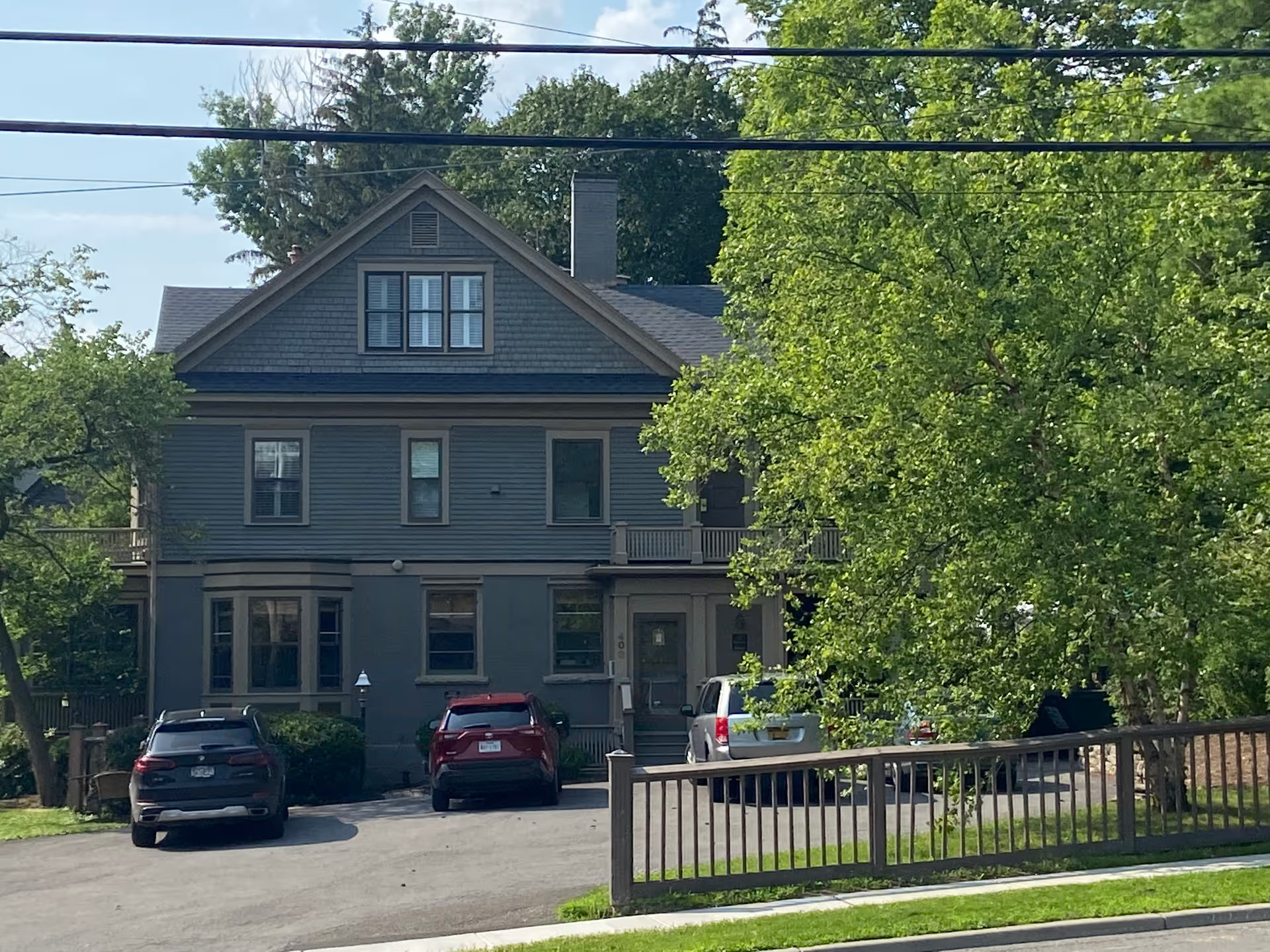
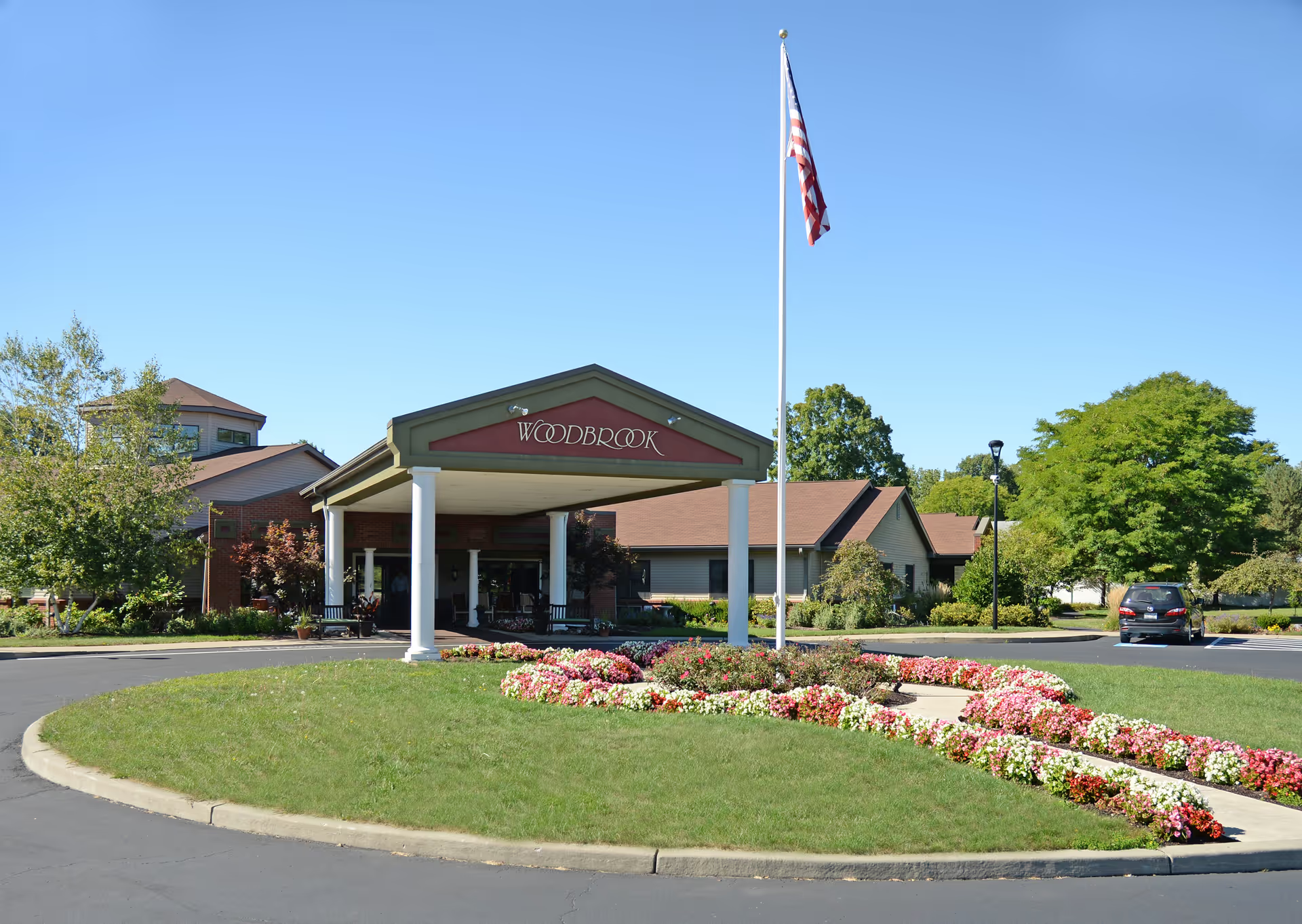
Reviews of United Methodist Homes Hilltop Campus present a mixed picture, with clear strengths in the living environment and interpersonal aspects of care alongside recurring operational concerns. Many families and residents describe a welcoming, well-maintained facility with bright common areas, pleasant grounds, active programming, and spiritual support. Admissions and move-in are frequently noted as smooth, and reviewers often highlight specific staff members as compassionate, helpful, and skilled.
Care quality impressions are polarized. Positive accounts emphasize attentive caregivers, strong resident–staff rapport, and companion support. However, other reports describe inconsistent nursing and clinical performance, including gaps in following individualized service plans and failures to provide timely assistance with activities of daily living. These care-related inconsistencies appear linked in several accounts to staffing instability and turnover.
Staff and teamwork receive both praise and criticism. Many reviewers commend friendly, responsive staff, efficient teams, and workers who helped ease transitions. At the same time, high staff turnover, variable staff conduct, and occasional perceived bias are recurrent themes. This creates an uneven experience: some residents appear to receive consistently good support, while others encounter disruptive staffing changes that affect continuity of care.
Dining and activities are generally positive attributes. Multiple comments cite good food and an active activities schedule; meal quality is often praised. Conversely, there are operational concerns about meal-assistance reliability for residents who require help during mealtimes. The facility’s activities program and chaplaincy are described as meaningful contributors to resident well-being.
Facility upkeep and atmosphere are strengths: reviewers describe clean, bright interiors and pleasant outdoor spaces that support a family-like community feel. These environmental features are cited as important reasons families feel comfortable placing loved ones at the campus.
Management and institutional practices are the area of most consistent concern. Reports point to management responsiveness and professionalism issues, instances of miscommunication about bed availability, and perceptions that aesthetic priorities sometimes outweigh clinical follow-up. There are also accounts criticizing the facility’s infection-control and COVID-related responsiveness. Together, these themes suggest systemic operational areas that prospective residents and families should evaluate closely.
Notable patterns: positive, dedicated staff members and a strong activities and spiritual program coexist with recurring operational weaknesses—chiefly staffing instability, inconsistent adherence to individualized care plans, and management communication gaps. Prospective residents and families would be well advised to observe staffing levels, ask specific questions about individualized care-plan implementation and meal-assistance protocols, request clarity on bed-availability procedures, and seek recent references or examples of infection-control practices during a tour or meeting with leadership.