Alpine Rehabilitation & Nursing Center elicits a strongly mixed set of impressions. Many families and residents praise the frontline caregivers — CNAs, nurses, and therapists — describing them as compassionate, hardworking, and attentive. The facility’s rehabilitation services are consistently identified as a strength, with named therapists and a therapy department that many found effective for recovery and functional improvement. Several accounts describe a family-like, homelike atmosphere and long-term residents who feel well cared for, supported by administrative staff who provide practical help with admissions and insurance navigation.
Care quality is uneven in reviewers’ accounts. Where nursing and aide teams are well organized, families report good communication, timely updates about condition changes, and consistent skin and wound outcomes. However, operational issues undermine care consistency: chronic understaffing and schedule instability contribute to long wait times for assistance, inconsistent bathing or hygiene schedules, and stress among staff. Some reviewers describe gaps in clinical responsiveness, including limited physician availability and slow or inadequate pain management; these are presented as systemic challenges rather than isolated incidents.
Dining and activities attract divergent feedback. The therapy and activities programs (movies, live music, outdoor seating and community spaces) receive positive mention and are viewed as meaningful for resident engagement. Conversely, meal quality is frequently criticized for lack of appeal and perceived low nutritional value; dining service continuity and food temperature/quality are recurring concerns. Prospective residents praise the dining room environment and communal areas, but note variability in meal satisfaction.
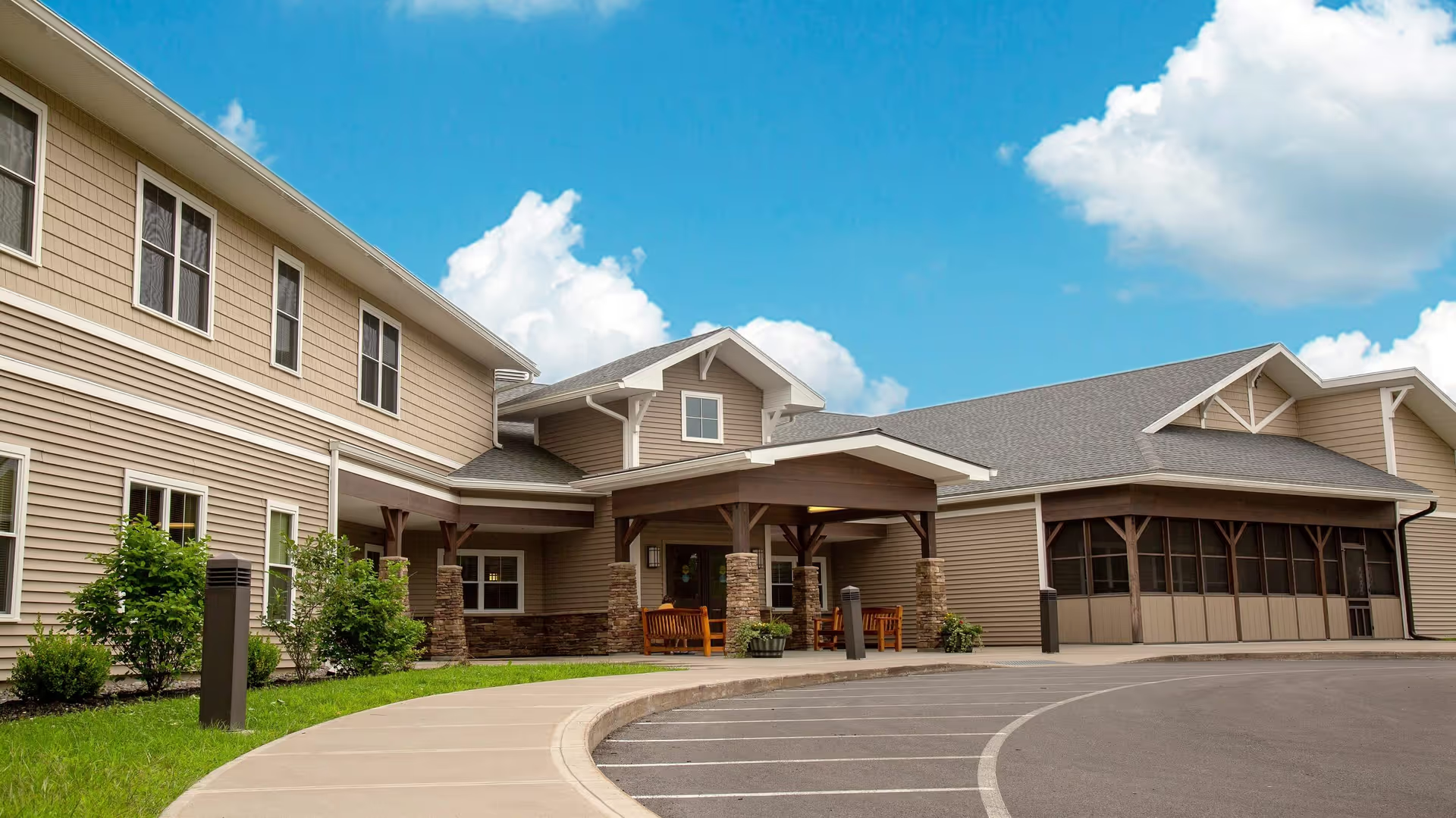
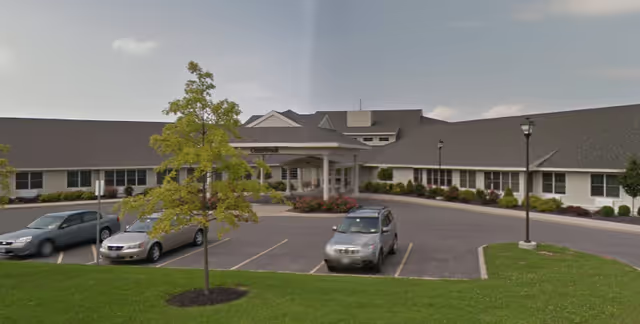
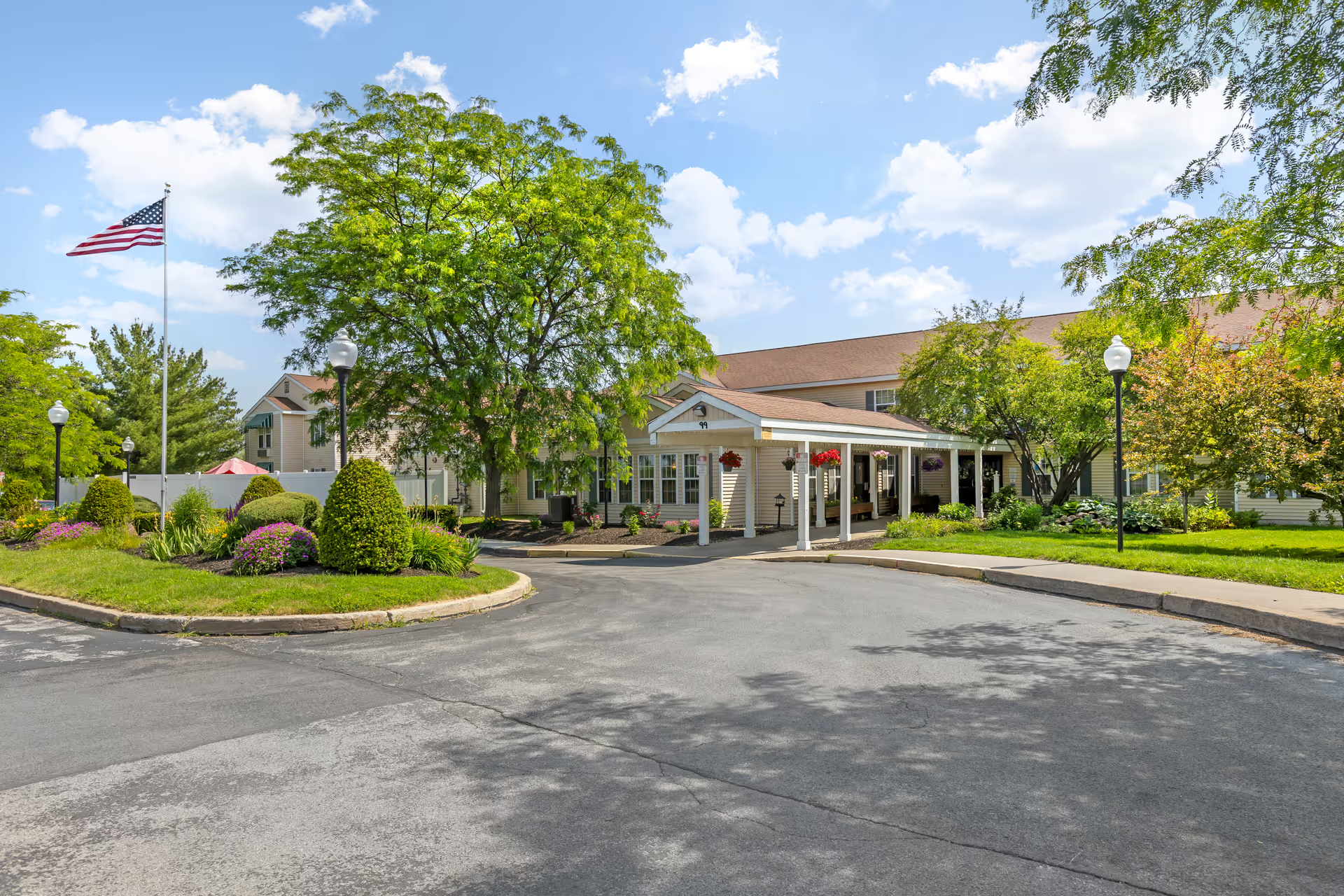
Facility condition and maintenance show variability across reports. Multiple reviewers describe clean, well-maintained areas and thoughtfully laid-out rooms with private bathrooms where available. At the same time, others raise sanitation concerns, broken or outdated equipment, and odor concerns in some common areas — suggesting inconsistent housekeeping and maintenance standards across units. The physical layout (single-floor design, pleasant outdoor seating) and communal rooms are cited as positives, while the limited number of private rooms and older entertainment/phone/TV equipment are operational constraints.
Management and organizational patterns are mixed. Administrative and admissions staff receive specific praise for being welcoming and helpful, especially with insurance and Medicaid processes. Yet other reviews point to weak scheduling communication, perceived favoritism, supply shortages, and a perception that financial considerations can shape care decisions. A few reviewers raised serious concerns following adverse events; those comments indicate a need for transparent communication and review of clinical oversight in specific cases.
Overall, Alpine may offer strong, individualized care when staffing and operational systems are functioning well, particularly for rehabilitation and residents who form relationships with committed frontline staff. At the same time, prospective residents and families should be aware of recurring operational weaknesses — primarily staffing consistency, meal quality, sanitation/maintenance variability, and physician access — and discuss these directly during a tour. Recommended focus areas for families: staffing ratios and typical response times, bathing and toileting routines, physician coverage and pain-management protocols, housekeeping and equipment-maintenance practices, private-room availability, and meal-service samples or menus.