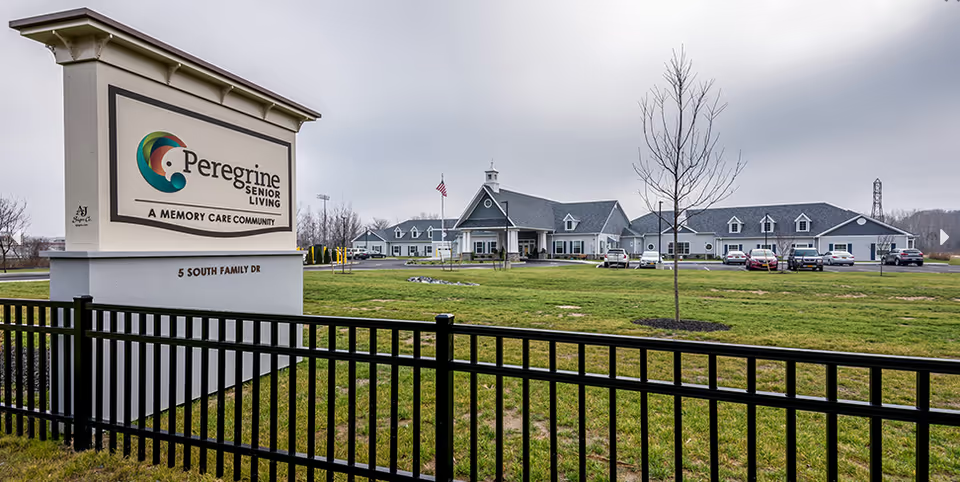
Parkrose Estates presents as an independent-living community characterized by a strong emphasis on resident engagement, hospitality-style dining, and a consistently praised caregiving culture. Across reviews the staff are described as compassionate, attentive, and proactive — providing regular wellness checks, 24-hour supervision and an emergency call system, and frequent family communication. Families and residents repeatedly describe staff who go beyond routine duties to support transitions, safety during public-health events, and individual preferences, creating a family-like atmosphere and high perceived quality of interpersonal care.
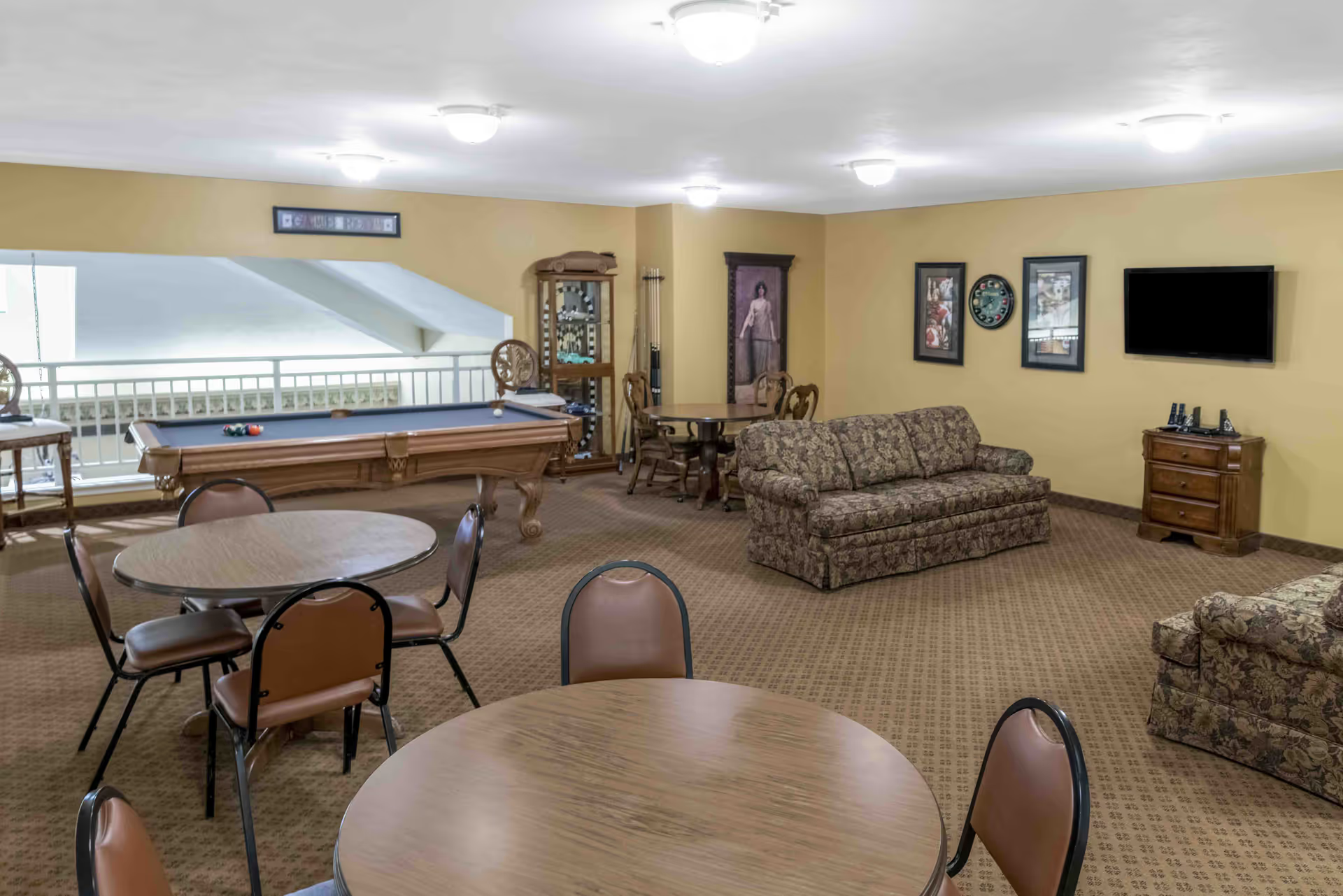
Dining and social programming are core strengths. The community offers chef-prepared meals served in an elegant dining room, waiter service, homemade soups and daily desserts, and a menu with alternatives. At the same time, reviewers note variability in food quality and portioning — comments describe occasional saltiness, lighter soup preferences, and inconsistent meal experiences. Social life is active: a broad calendar of daily and weekly activities (exercise, games, movie nights, theater, book clubs, walking groups, themed parties, and outings) supports socialization and enrichment. On-site amenities such as a movie theater, library, salon, exercise room, and shuttle transportation for shopping and medical appointments further support an engaged independent-living lifestyle.
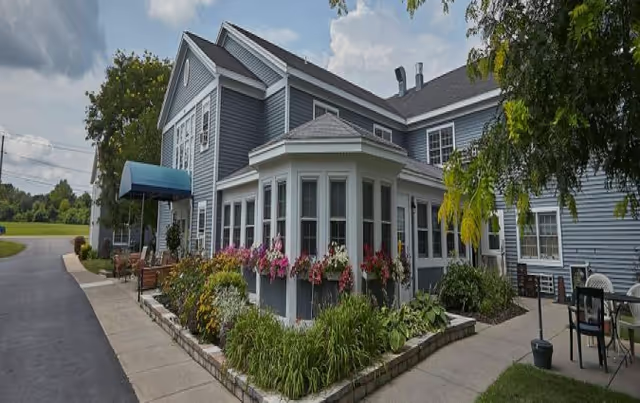
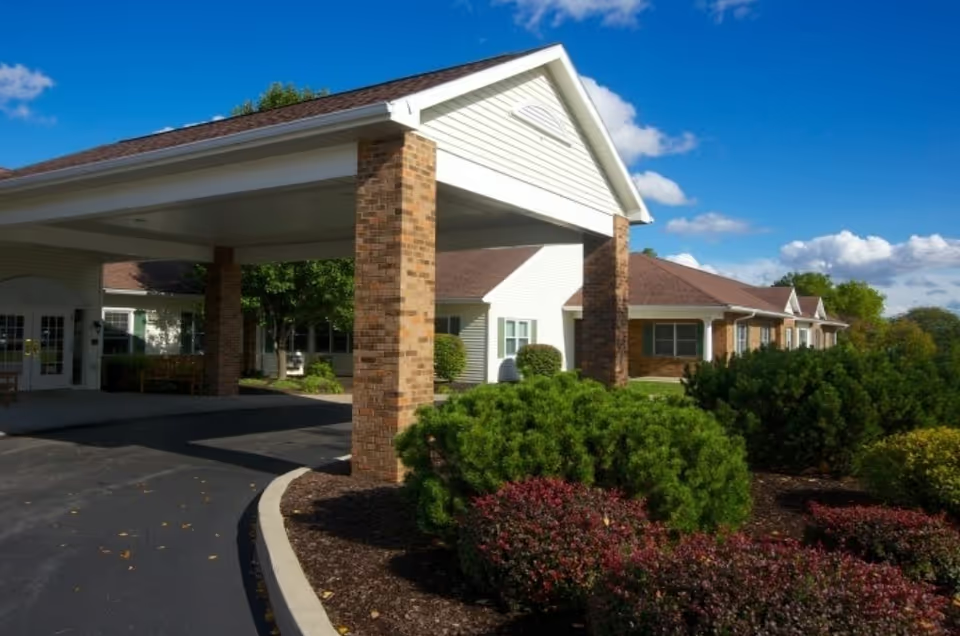
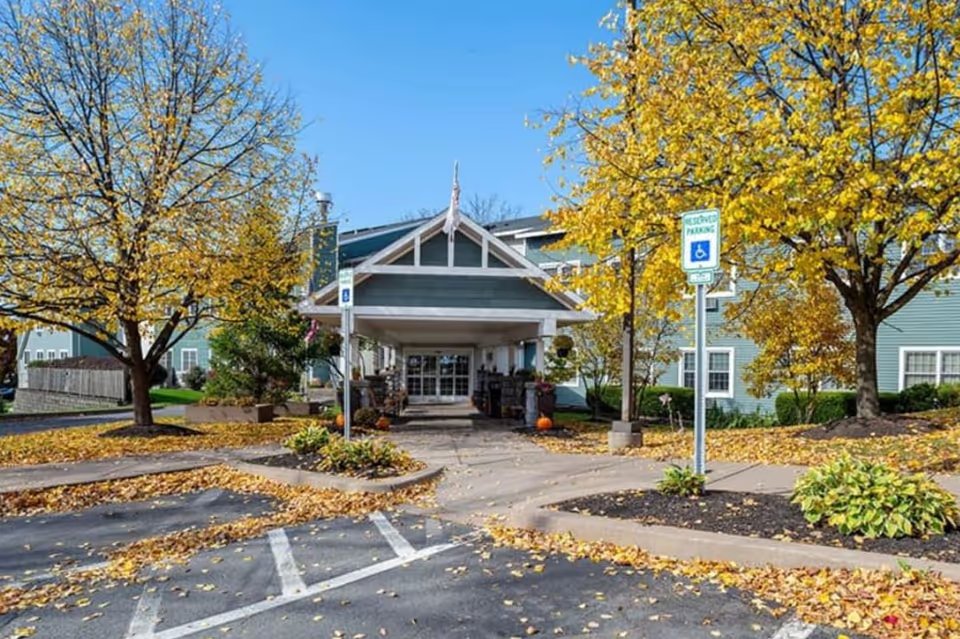
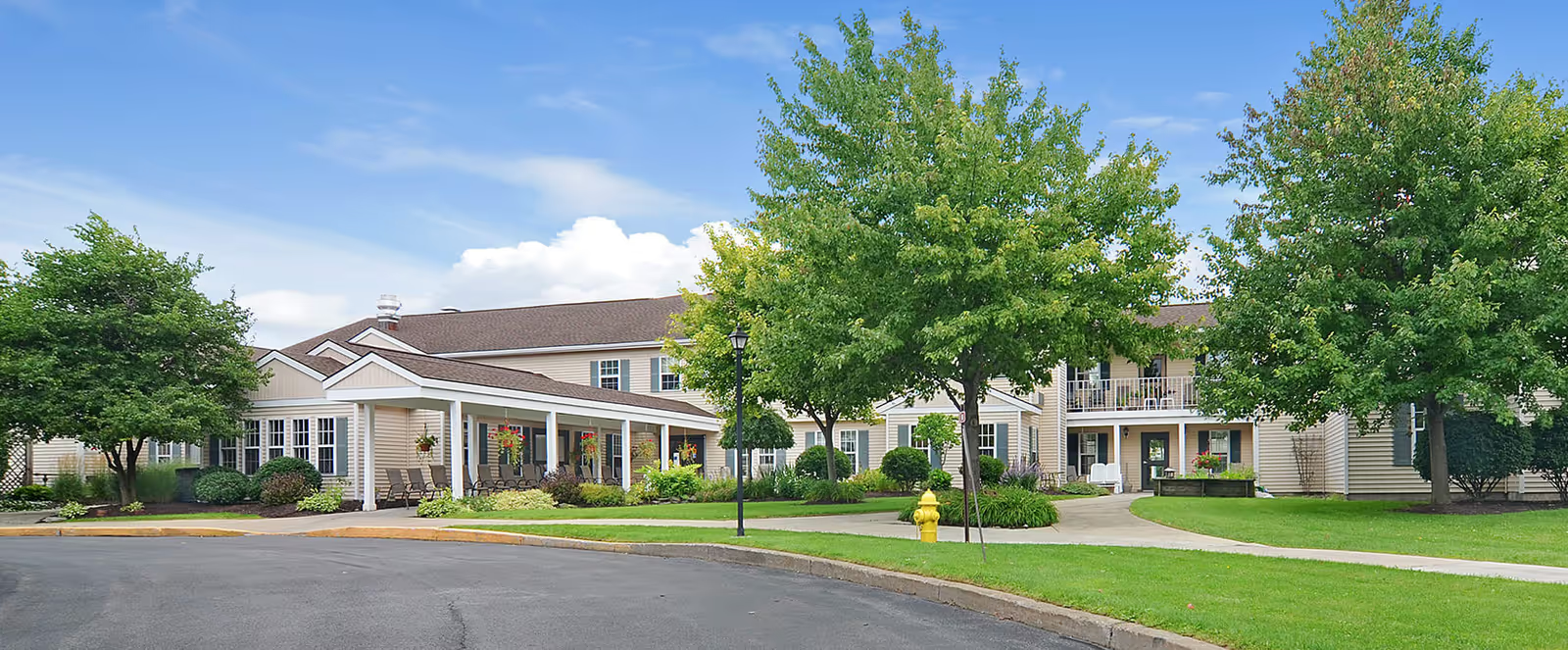
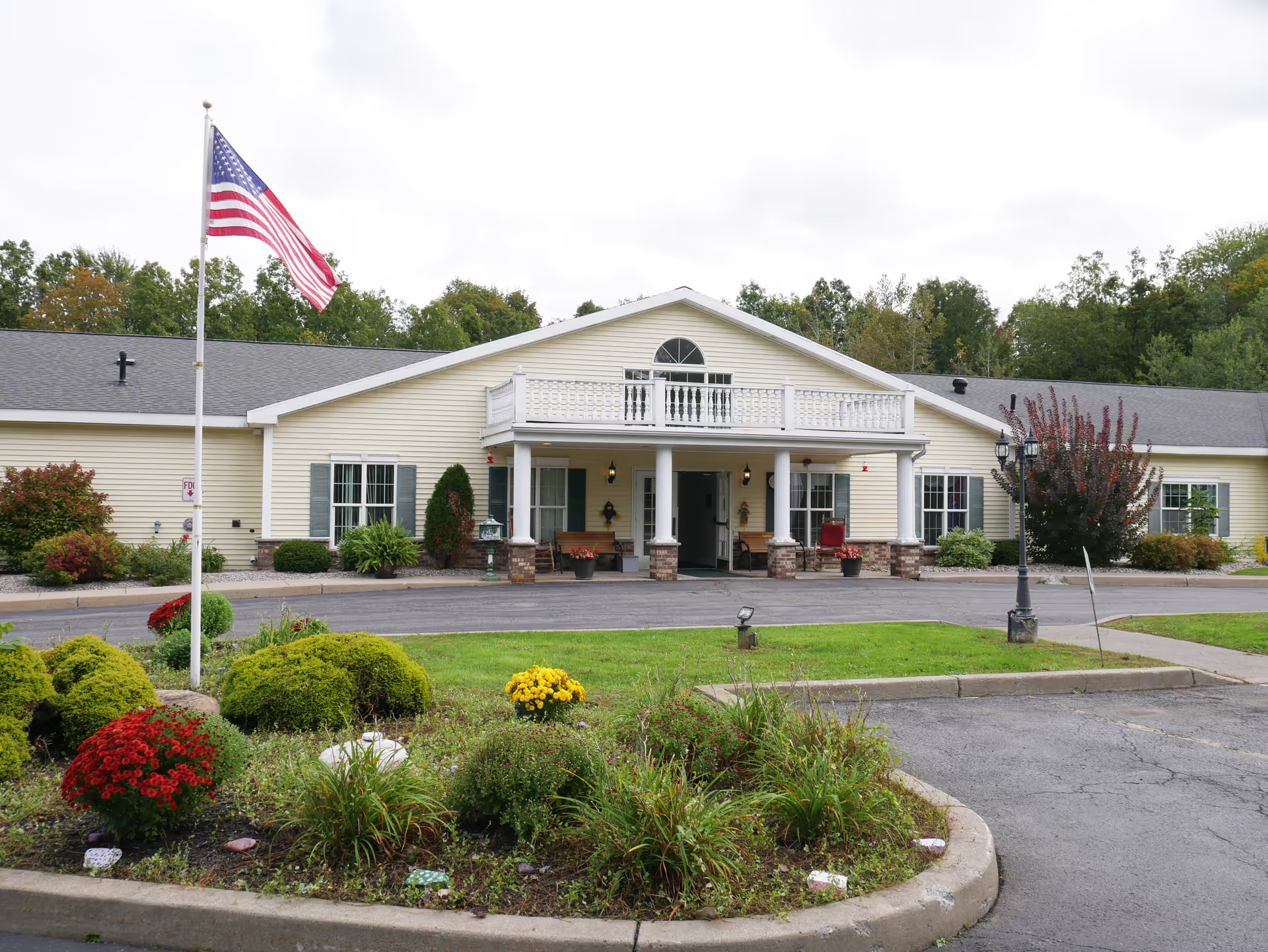
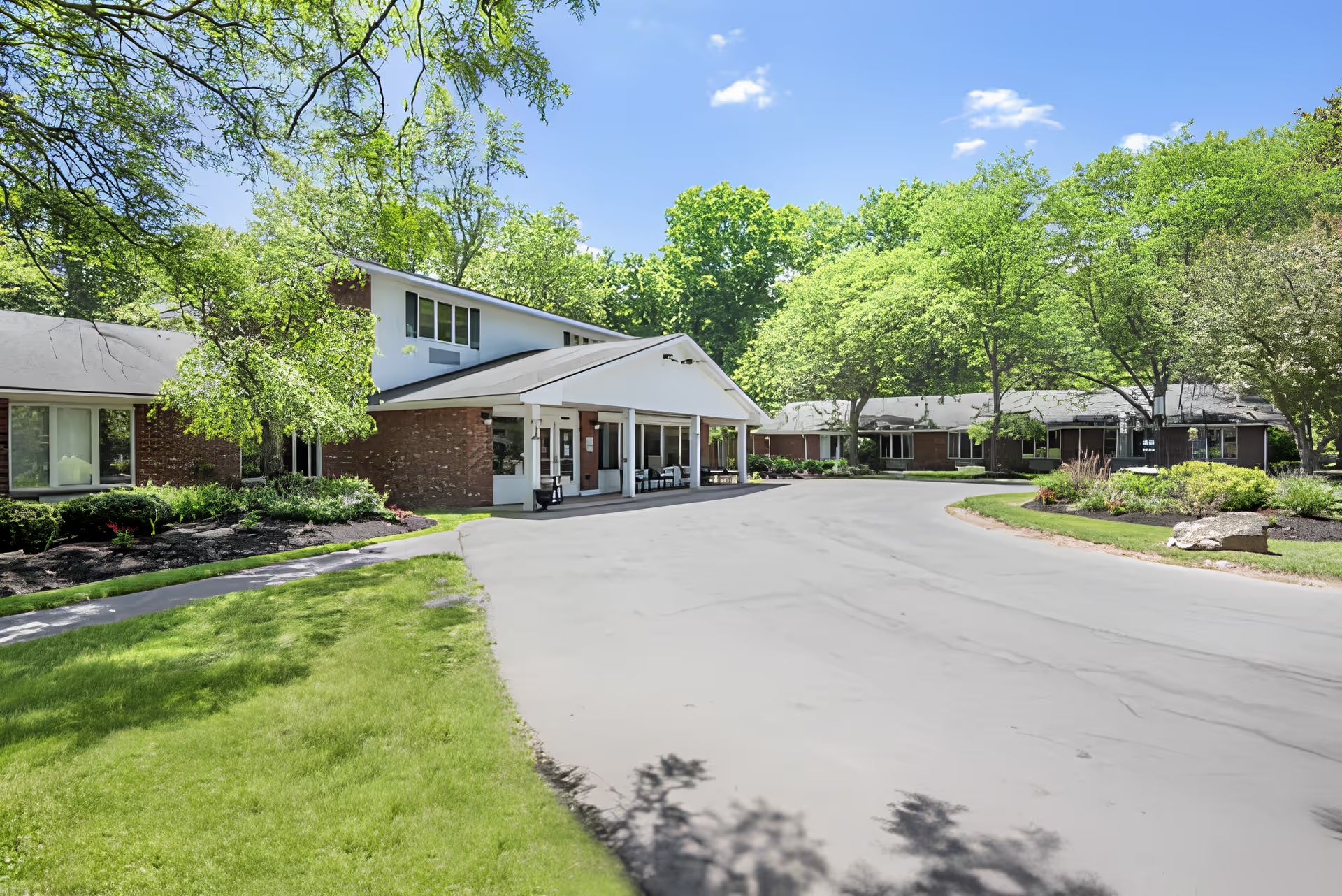
The facility and grounds are frequently described as clean, bright, and well maintained, with hotel-like finishes in common areas and attractive outdoor walking paths and garden spaces. Apartment offerings range from studios to one-bedroom suites with full kitchens; however, several notes reflect relatively small apartment footprints and limited private outdoor options such as balconies or screened porches. Renovation activity is also a recurring operational factor — construction and repairs have temporarily limited access to some common areas and reduced visibility of programming during those periods.
Operational patterns to consider include cost and service transparency and the campus’ fit for residents with escalating care needs. Reviewers cite year-over-year fee increases and occasional lack of detailed fee breakdowns for tax or accounting purposes. Parkrose positions itself as an independent-living community; reviewers indicate the setting is best suited to people who remain largely independent, while those who require more hands-on clinical support may need a higher level of assisted care elsewhere. Additional gaps noted relate to bereavement support and occasional variability in weekend or off-peak activity offerings. A few practical-service items — including uneven Wi‑Fi availability and periodic variability in meal consistency — appear as minor but recurring operational themes.
Overall, Parkrose Estates is consistently described as a warm, socially active community with high marks for staff engagement, cleanliness, and onsite amenities. Prospective residents and families should weigh the strong social/dining environment and attentive staff against apartment size, potential renovation disruptions, and whether the community’s level of clinical services matches future care needs. Clarifying fee details, current renovation timelines, meal-service patterns, and availability of counseling or bereavement resources during a tour or intake conversation would help align expectations before a move-in decision.