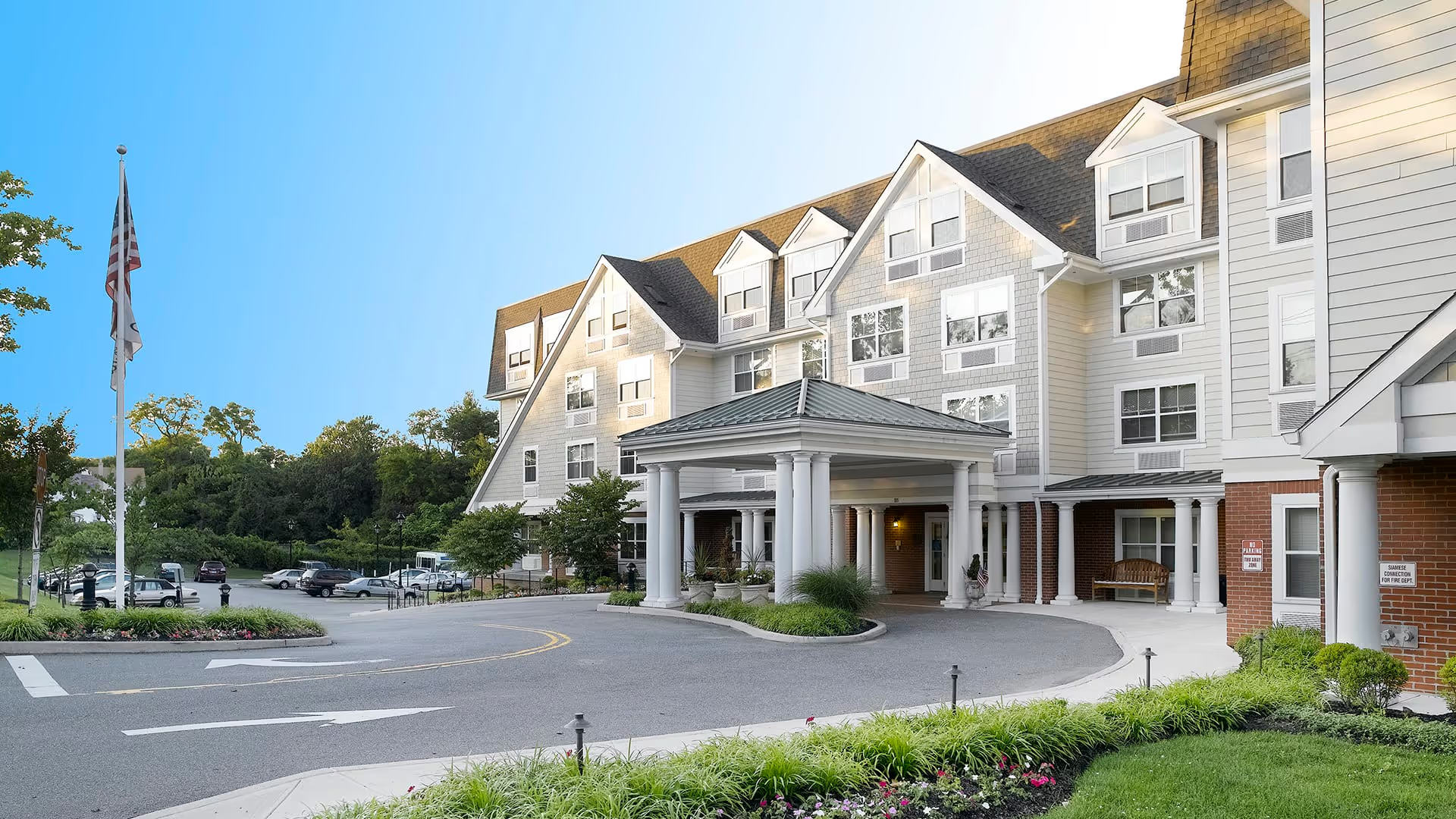
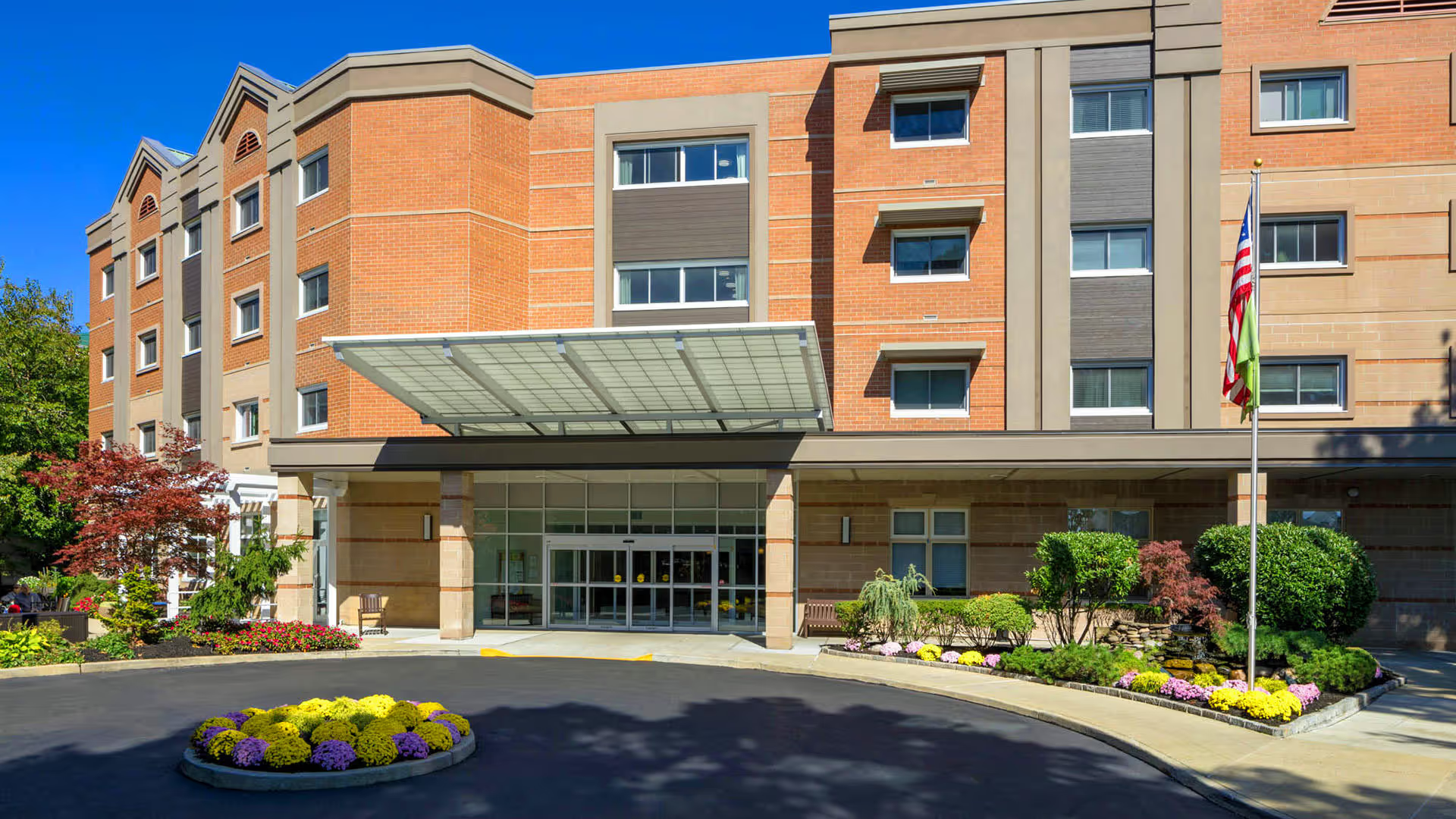
Sunrise of North Lynbrook elicits consistently strong praise for its staff, campus upkeep, and social programming, while also showing recurrent operational weaknesses that prospective families should weigh. The facility is frequently described as clean, attractively landscaped, and home-like, with comfortable common spaces and multiple on-site amenities (salon, chapel, library, bistro). Many families highlight smooth move-ins, visible clinical coordination, and wheelchair-accessible suites. The memory-care program is noted for secure outdoor space and structured stimulation.
Care quality is a mixed but generally positive area. Numerous accounts emphasize compassionate, attentive nursing and caregiving teams, good coordination with physicians, and staff who make families feel included. At the same time, several families raised concerns about medication administration, pain-management follow-through, and the timeliness of clinical follow-up after incidents. There are also mentions suggesting opportunities to strengthen fall-prevention and post-incident communication protocols. Overall, clinical competence is often praised, but consistency of delivery appears uneven.
Staffing and leadership are central to the facility’s reputation. Many reviewers describe the staff as warm, family‑oriented, and highly engaged in residents’ lives; those interactions are repeatedly cited as the community’s strongest asset. However, there are recurring comments about variable staffing levels, role rotation, and turnover that can affect continuity of care and make it harder for residents and families to identify caregivers. Some families also described gaps in managerial follow-up or conflicting information between admissions/sales messaging and operational staff.
Dining and activities are strengths for many residents. The meal program receives frequent commendation for variety, presentation, and options for texture-modified diets; still, a subset of families noted inconsistent food quality or unmet dietary accommodations. The activities program is broad—arts and crafts, music, games, discussion groups, outings, and religious services—with multiple daily options reported. A pattern emerges where activity intensity and staffing can be lower on weekends, and some residents expressed a desire for more outings or enhanced internet access to reduce feelings of isolation.
Facility features generally score well: well-kept grounds, outdoor porches, secure memory-care outdoor space, and accessible suites are commonly praised. At the same time, some units have smaller room footprints, limited overhead lighting, and dated elements; parking availability and the community’s somewhat isolated location were noted as practical considerations for frequent visitors.
Management and administrative themes are mixed. The sales and admissions team is often described as welcoming and informative, yet several families experienced discrepancies between admissions promises and later operational realities. There are also isolated but important concerns about billing practices, auto-pay and double-charge issues, and clarity around what services are included versus add-on fees. Prospective residents should seek clear, written explanations of care levels, medication and supply responsibilities, and billing policies.
In summary, Sunrise of North Lynbrook is frequently recommended for its caring staff, attractive environment, and active programming. Those strengths appear to provide meaningful quality of life for many residents. At the same time, families should probe consistency of clinical practices, staffing continuity, activity coverage on weekends, room size/lighting in specific units, and financial transparency during their tour and contract review. These targeted questions will help determine whether the community’s strong interpersonal culture aligns with a prospective resident’s clinical and practical needs.