Parkview Care and Rehabilitation Center elicits strongly mixed impressions. Many families and residents praise the clinical rehabilitation services and frontline caregivers: physical therapy is frequently described as effective and individualized, nursing staff are often characterized as compassionate and attentive, and several accounts note good short‑term recovery trajectories and a welcoming, social atmosphere. Multiple reviewers highlighted structured daily activities, resident council engagement, and the presence of a nutritionist or meal customization options, all of which contribute positively to resident morale and rehabilitation goals.
At the same time, a recurring pattern of operational weaknesses is evident. Staffing variability and what reviewers describe as inconsistent attention across shifts contribute to concerns about continuity of care. Relatedly, reviewers reported gaps in medication-administration practices and in clinical coordination—issues serious enough that at least one reviewer framed a specific medication incident as an allegation families should investigate further. Reviewers also described delays in clinical response and escalation, which include slow responses to emergent needs and missed or delayed documentation of medical appointments.
Dining and nutrition present a mixed picture. Several accounts commend the food quality, accommodating dietary adjustments, and pleasant meal times. Conversely, other reports indicate missed meals, uneven meal-service continuity, and instances where nutrition needs were not consistently met. Families interested in Parkview should ask about meal schedules, dietary accommodations, and mechanisms that ensure continuity of service during staff transitions.
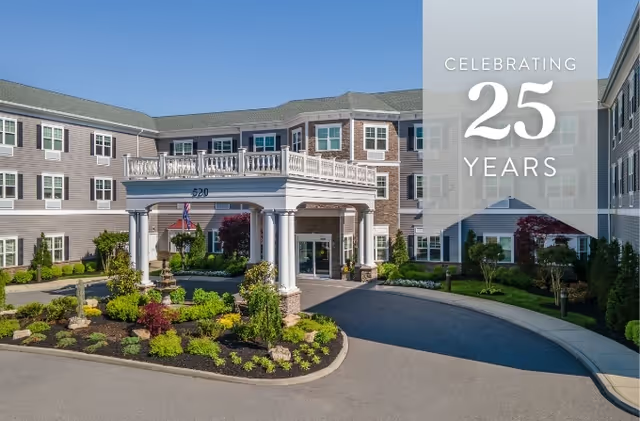
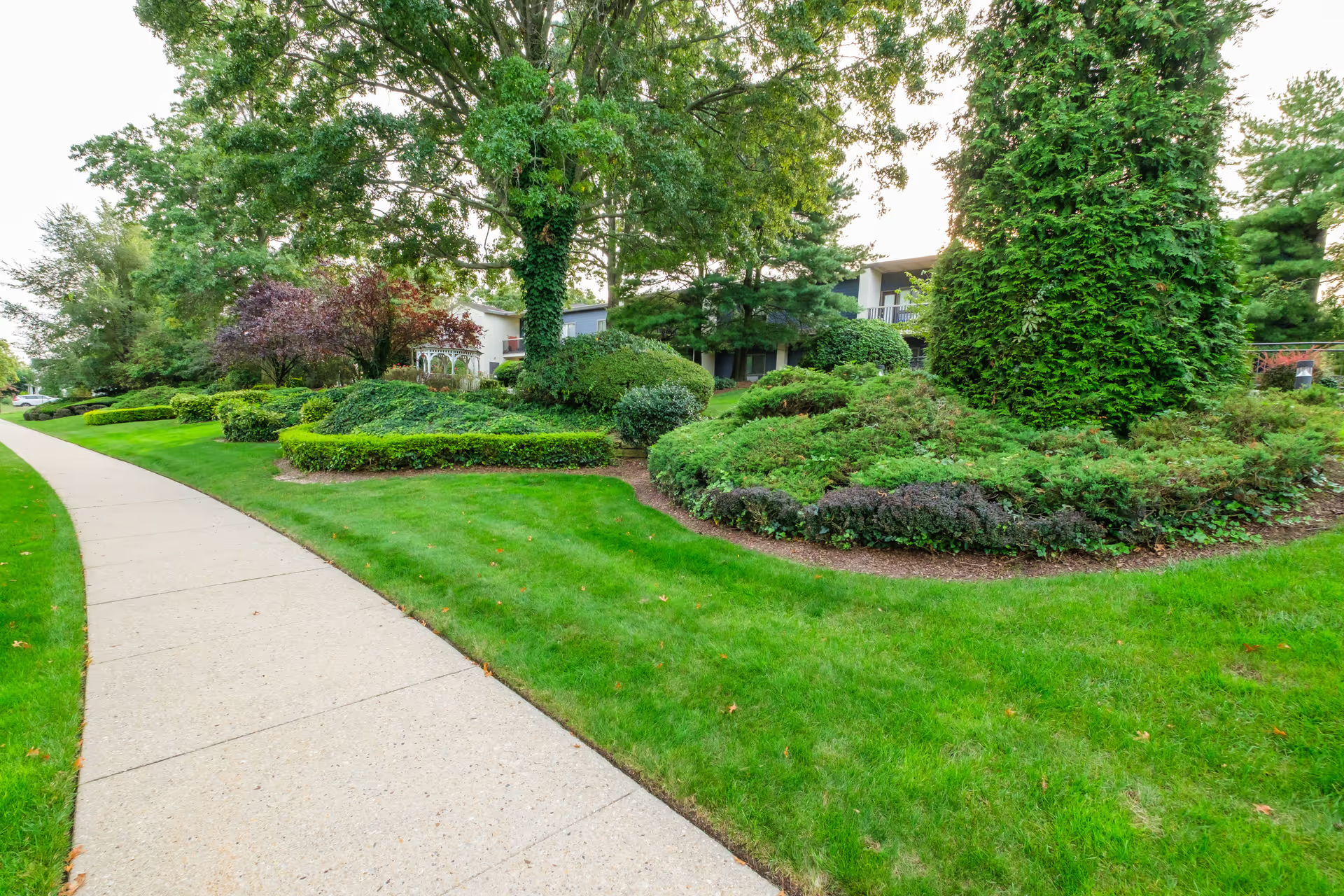
Facility condition and infection control were also sources of divergence. Some visitors describe clean, hotel‑like common areas and well‑maintained rooms, while other accounts raise sanitation and pest‑control concerns, odor concerns in shared spaces, and dated or shabby areas. There are also reports referencing an infectious outbreak and questions about the facility’s outbreak-management processes. Shared rooms, hallway placements, and occasional overcrowding were noted as constraints on privacy and comfort.
Communication and management responsiveness appear uneven. Positive experiences include proactive care planning, clear communication from particular nurses or therapists, and helpful reception staff. Negative experiences emphasize inconsistent family updates, front‑desk unresponsiveness, lapses in documenting appointments, and variable administrative oversight. These contrasts suggest that the facility’s performance may depend significantly on unit leadership and specific staff on duty.
Recommendation for prospective residents and families: schedule a tour that includes observation of mealtimes, therapy sessions, and common areas; speak with the nursing supervisor about staffing ratios and shift coverage; request documentation or explanation of medication‑administration procedures and incident reporting; ask about incontinence-care protocols, infection‑control practices, pest‑control measures, and how the facility ensures meal continuity; and, when possible, speak with current residents or the resident council to gauge daily life. Reviewing recent regulatory inspection reports and asking facility leadership for references can help clarify whether the strengths or the operational concerns are most representative of current practice.