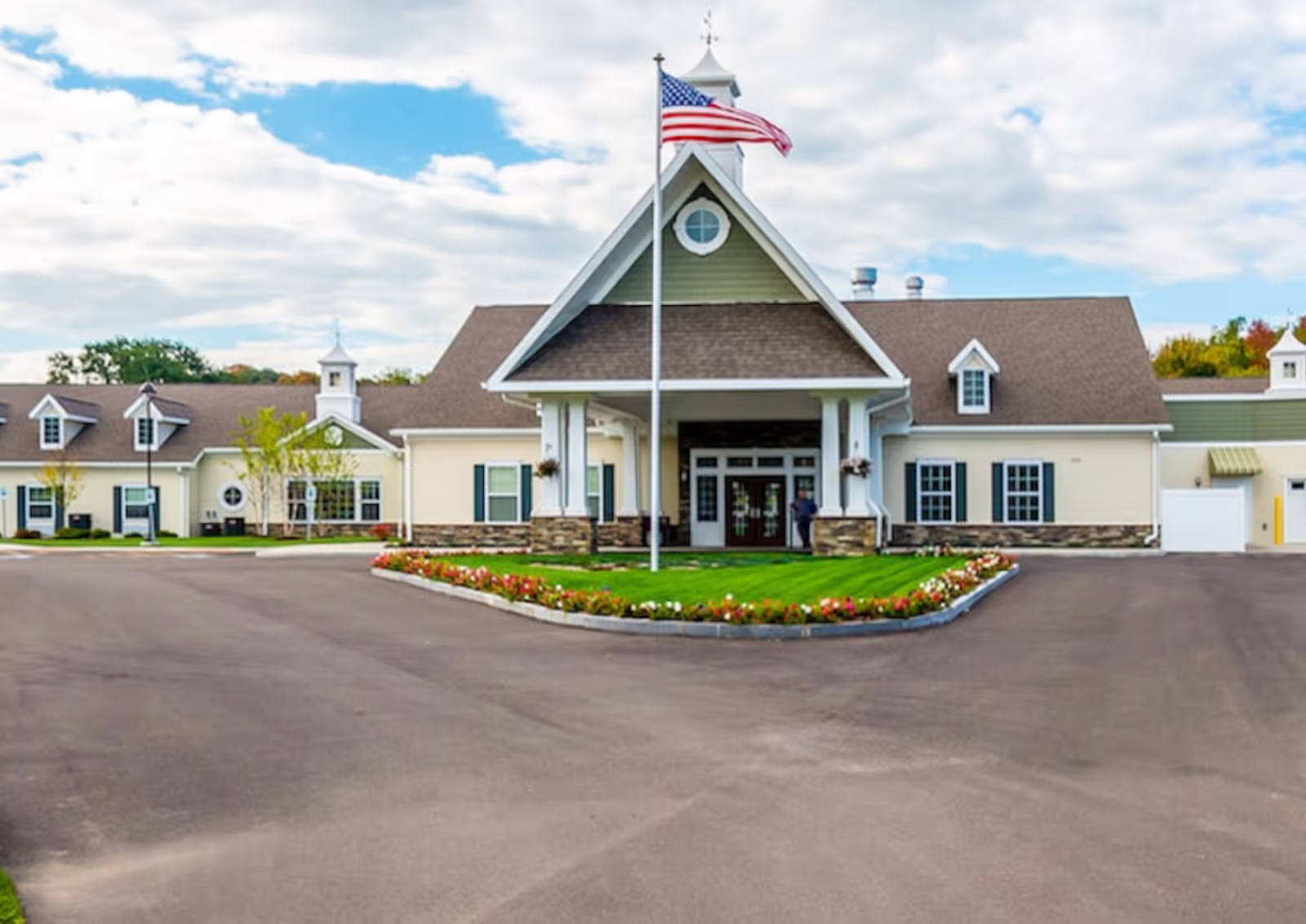
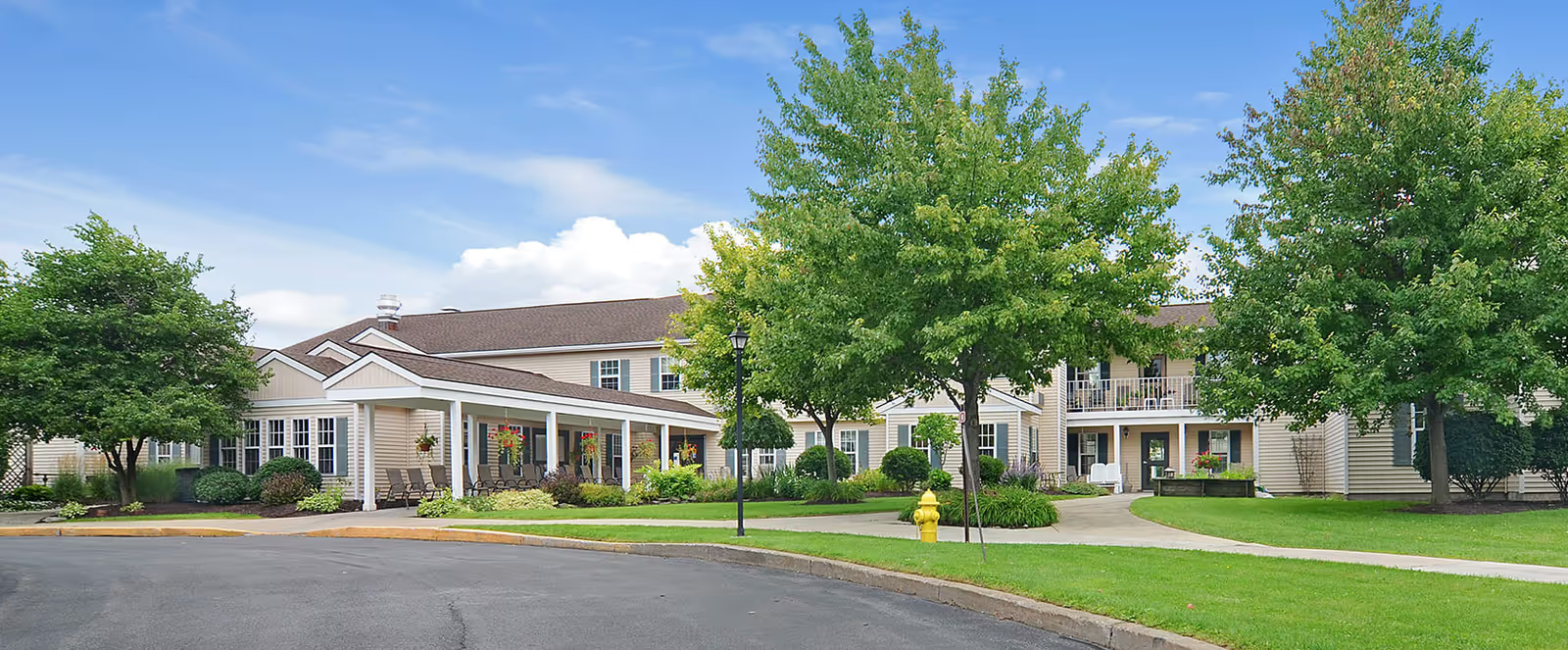
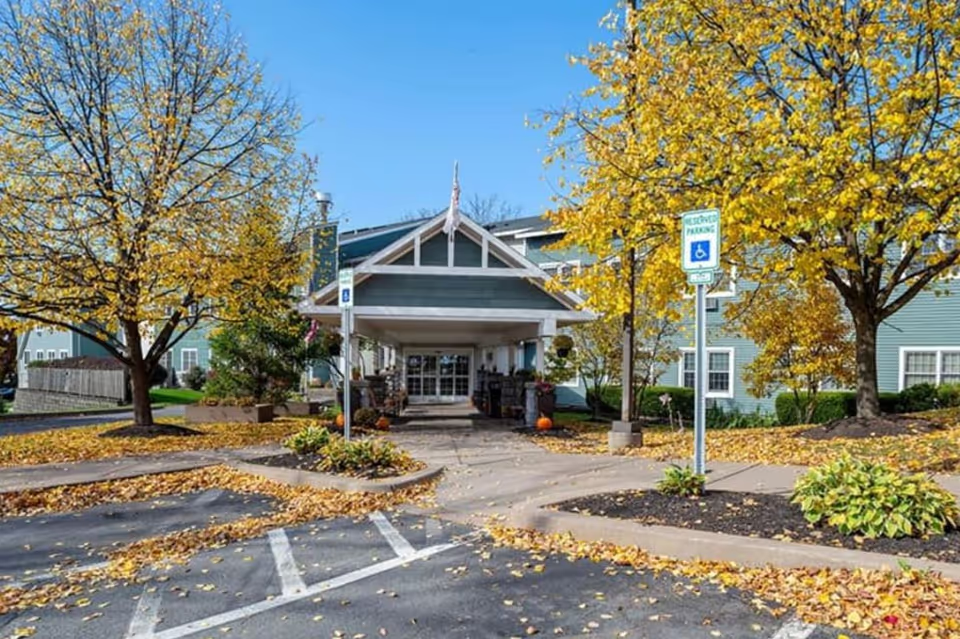
The reviews paint a mixed picture of care at this facility. Many families highlight strong, compassionate hands-on care: nurses and aides are frequently described as caring, hardworking, and attentive, with staff praised for dementia-care skills and offering regular progress updates to families. The small, home-like setting is repeatedly framed as conducive to personalized attention, and several reviewers compliment the facility’s mealtime experience and assistance with activities of daily living.
At the same time, several operational concerns recur across the feedback. Reviewers describe staffing pressure and overwork, including regular use of agency personnel whose training and familiarity with the facility’s routines appear uneven. These workforce issues are tied to reports of inconsistent professionalism and variability in everyday care oversight. There are also cleanliness and sanitation concerns referenced for resident and common areas, which some families cited as a substantive issue when evaluating the environment.
Communication and incident-management patterns are another notable area of division. While many families report timely, respectful updates and responsive staff, others describe gaps in family notification and in how clinical incidents are handled — including communication surrounding infectious events. A small number of reviewers raised serious concerns following a resident’s hospitalization and subsequent death; these accounts underline the importance of clear clinical oversight and transparent family communication.
For prospective residents and families, the pattern suggests tangible strengths in direct caregiving, dementia expertise, and a small-facility atmosphere, alongside operational risks tied to staffing stability, agency-staff integration, and environmental cleanliness. When evaluating the facility in person, consider observing staffing levels on different shifts, asking about agency-staff training and turnover, reviewing cleaning schedules and infection-notification protocols, sampling meals, and requesting examples of how the team manages clinical incidents and family communication.