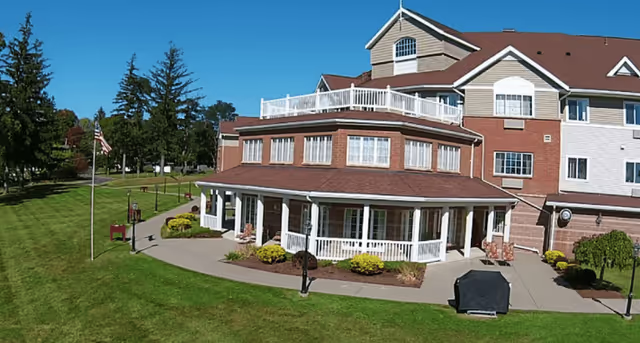
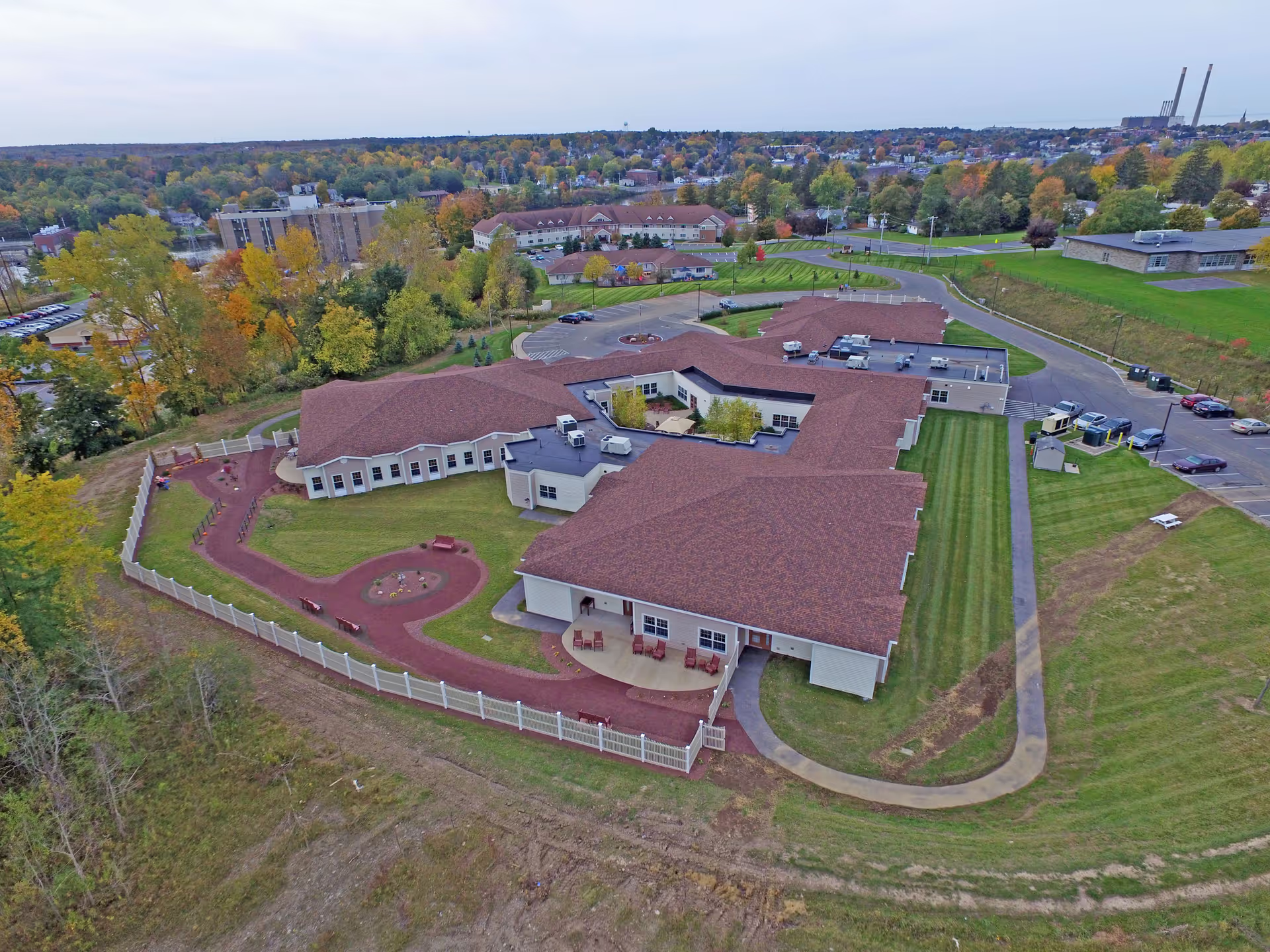
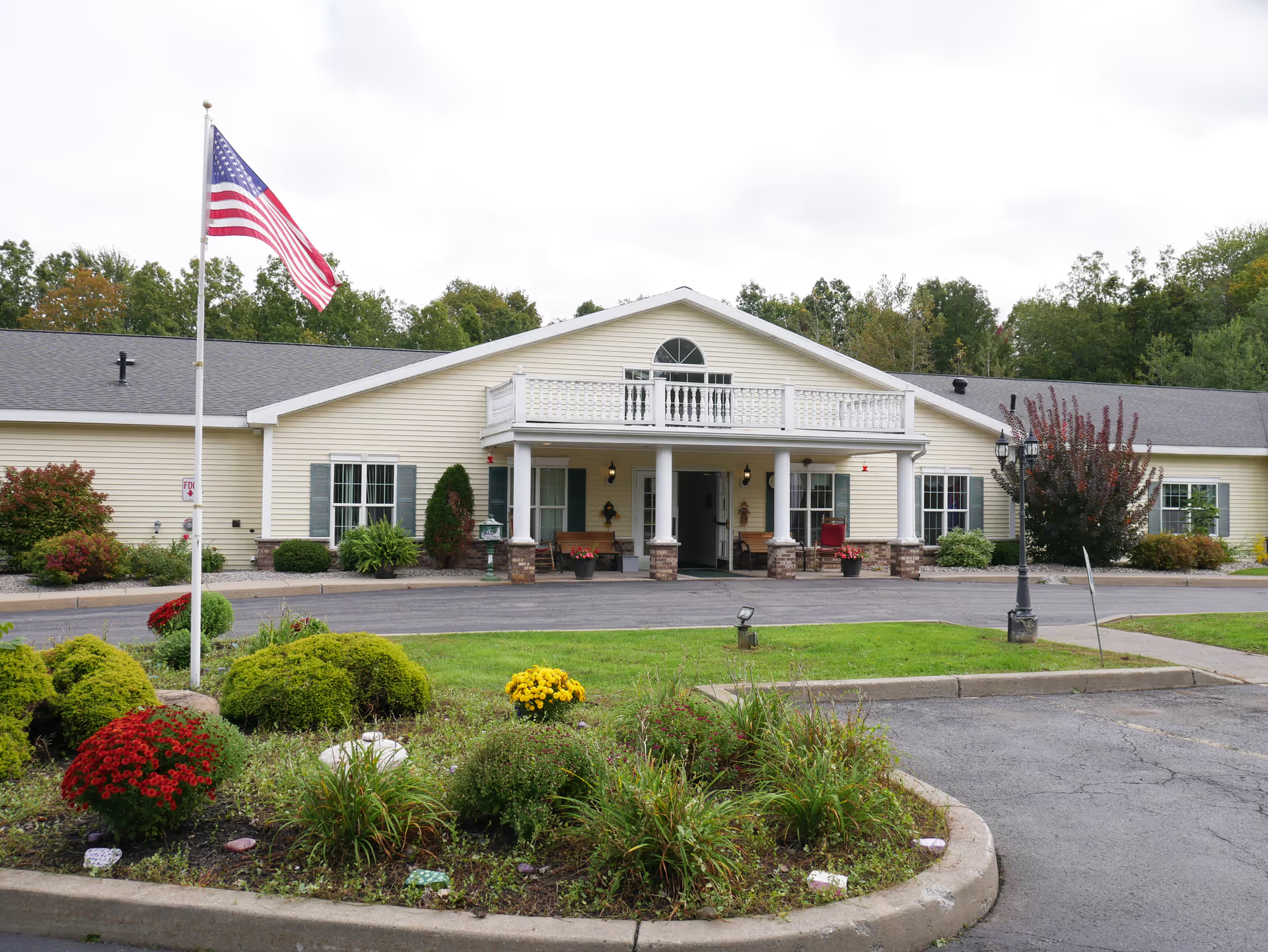
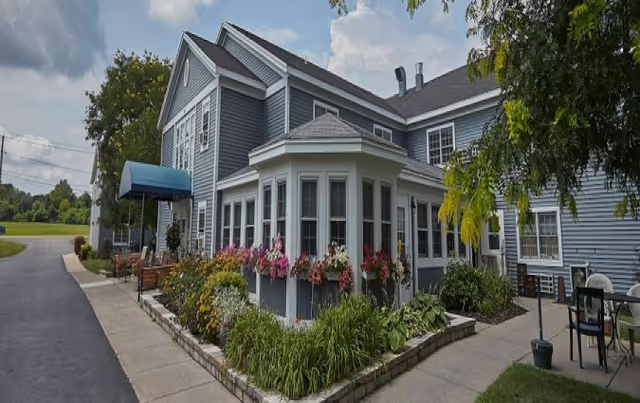
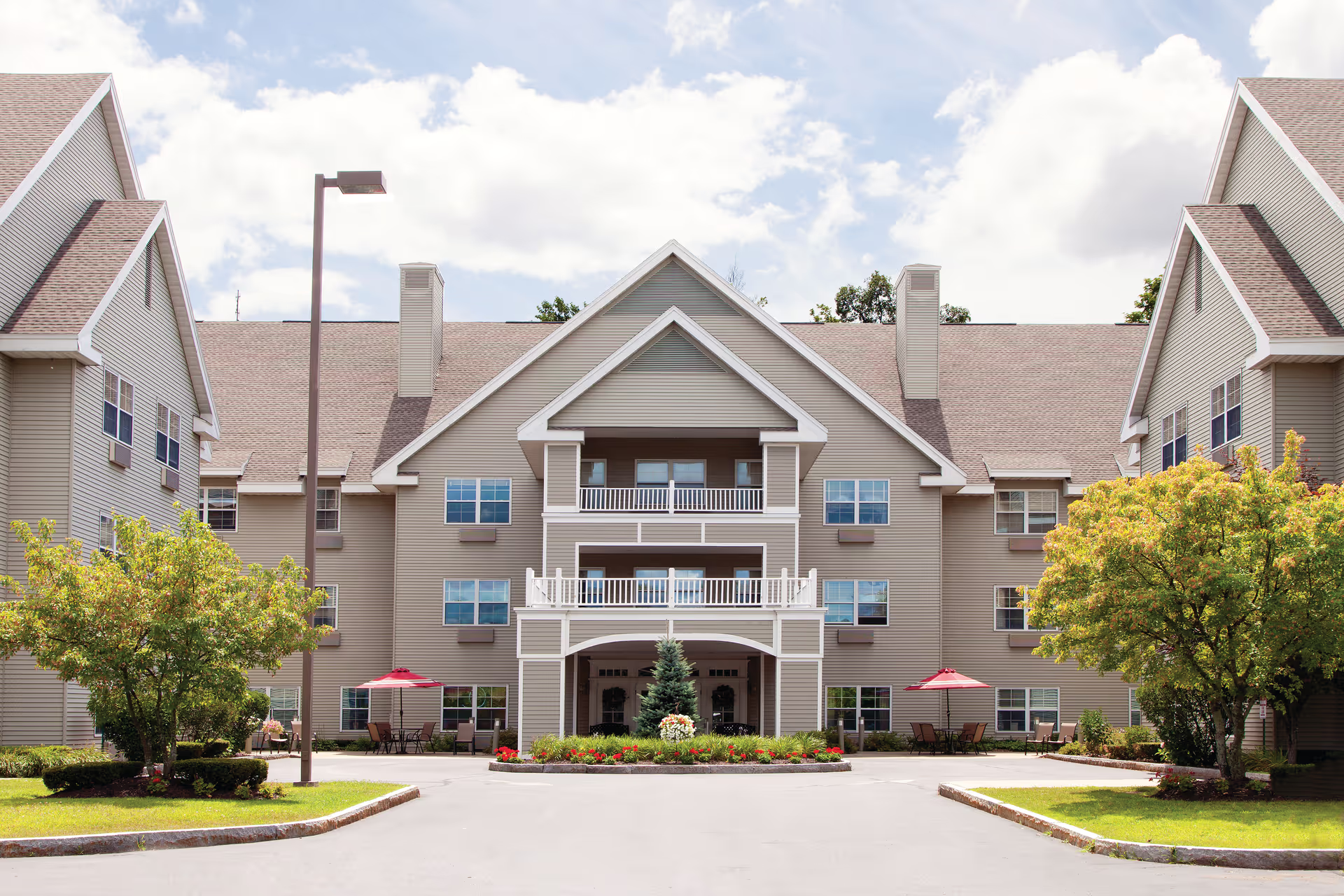
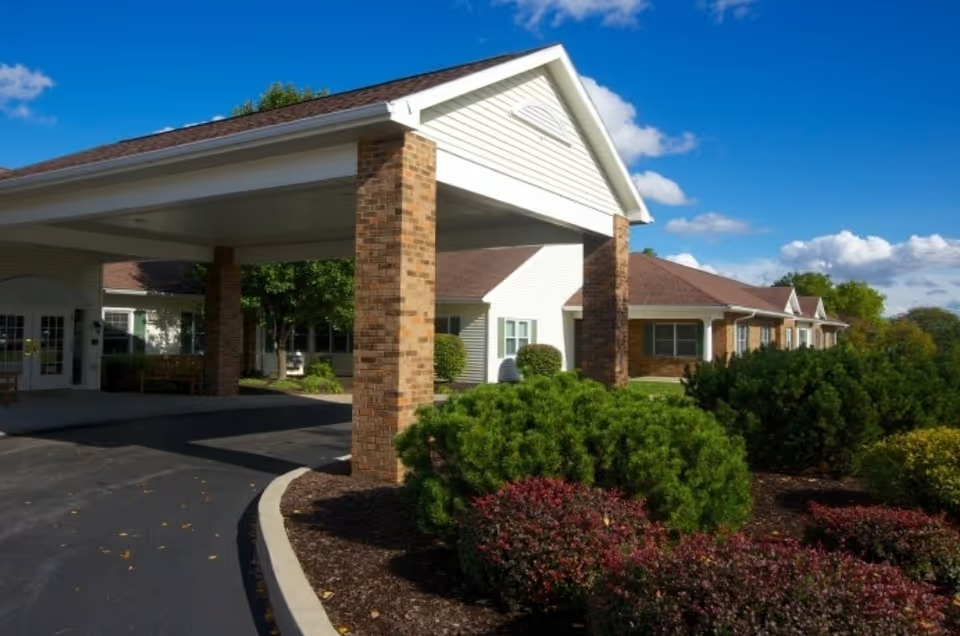
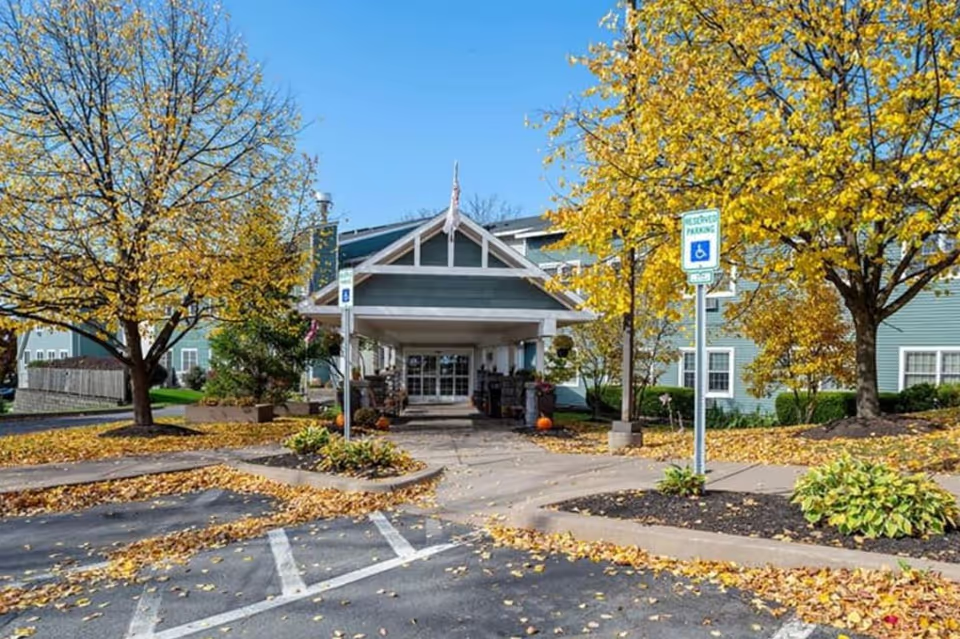
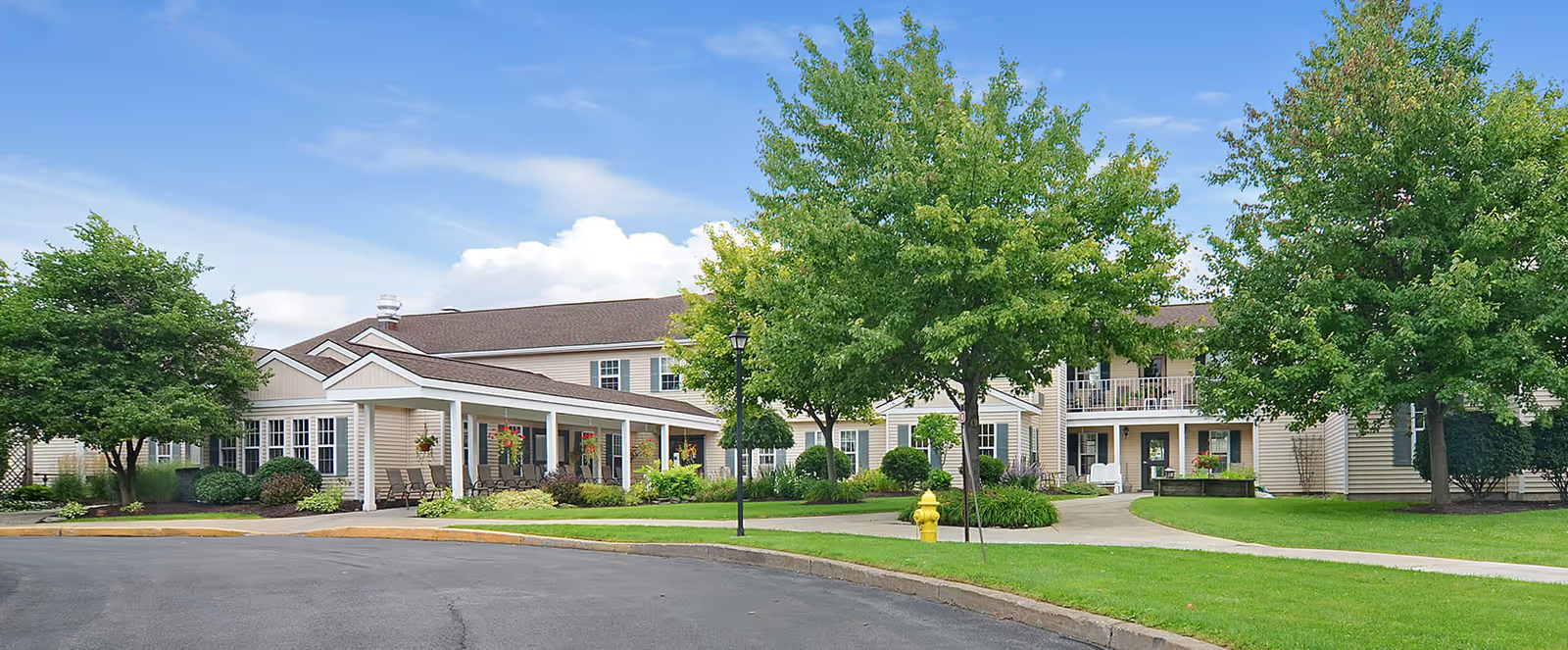
Morningstar Residential Care Center elicits mixed impressions. Many families praise the facility’s rehabilitation focus, daily therapy offerings, and a number of caregivers who are described as compassionate and attentive. The building and common areas are frequently described as modern and well maintained, with private rooms that include in-room televisions, flexible meal options, and open social spaces used for activities such as bingo and group socials. Several accounts indicate good admission and transition support and measurable therapy progress for residents in need of rehab services.
Care quality appears uneven. Positive experiences often reference dedicated nurses and aides who provide attentive, family-centered care and successful rehabilitation outcomes. Counterbalancing those reports are a pattern of operational weaknesses: staffing levels and shift coverage are described as inconsistent, which contributors linked to delays in responding to call systems, slow assistance after falls, and inconsistent pain or hydration support. Multiple entries express concerns about wound care and clinical monitoring processes leading to delayed medical attention in serious cases; a handful of accounts describe hospital transfers following infection-related complications. These items suggest gaps in clinical-incident response and ongoing wound monitoring rather than isolated administrative errors.
Staff and management impressions are mixed. Reviewers cite both compassionate, engaged caregivers and instances of poor conduct or dismissive interactions from particular staff members. Family communication is uneven: some families received prompt follow-up from leadership, while others experienced phone and voicemail problems, lost paperwork, or slow responses to concerns. There are also allegations regarding mishandled personal property and documentation discrepancies, which point to weaknesses in property-management and recordkeeping procedures.
Dining and activities receive generally positive notes when operational: flexible meal choices and regular activities and therapies are present under normal conditions. However, activity programming has been disrupted during infection-control periods, and some families would like more variety and opportunities for religious services. Facility cleanliness and modern appearance are strengths in many accounts, but a subset of families describe sanitation or odor-related concerns in corridors and communal areas that warrant attention.
Overall, Morningstar shows strengths in rehabilitation programming, warm caregiving from many staff members, and a well-appointed physical environment. At the same time, consistent themes—staffing variability, responsiveness delays, gaps in wound/clinical monitoring, communication and documentation breakdowns, and concerns about property handling—appear across reviews and represent operational risks to quality and family confidence. Prospective residents and families should consider asking about current staffing ratios, call-response protocols, wound-care procedures and escalation policies, property-tracking practices, and how activity programming is maintained during infection-control events when evaluating the facility.