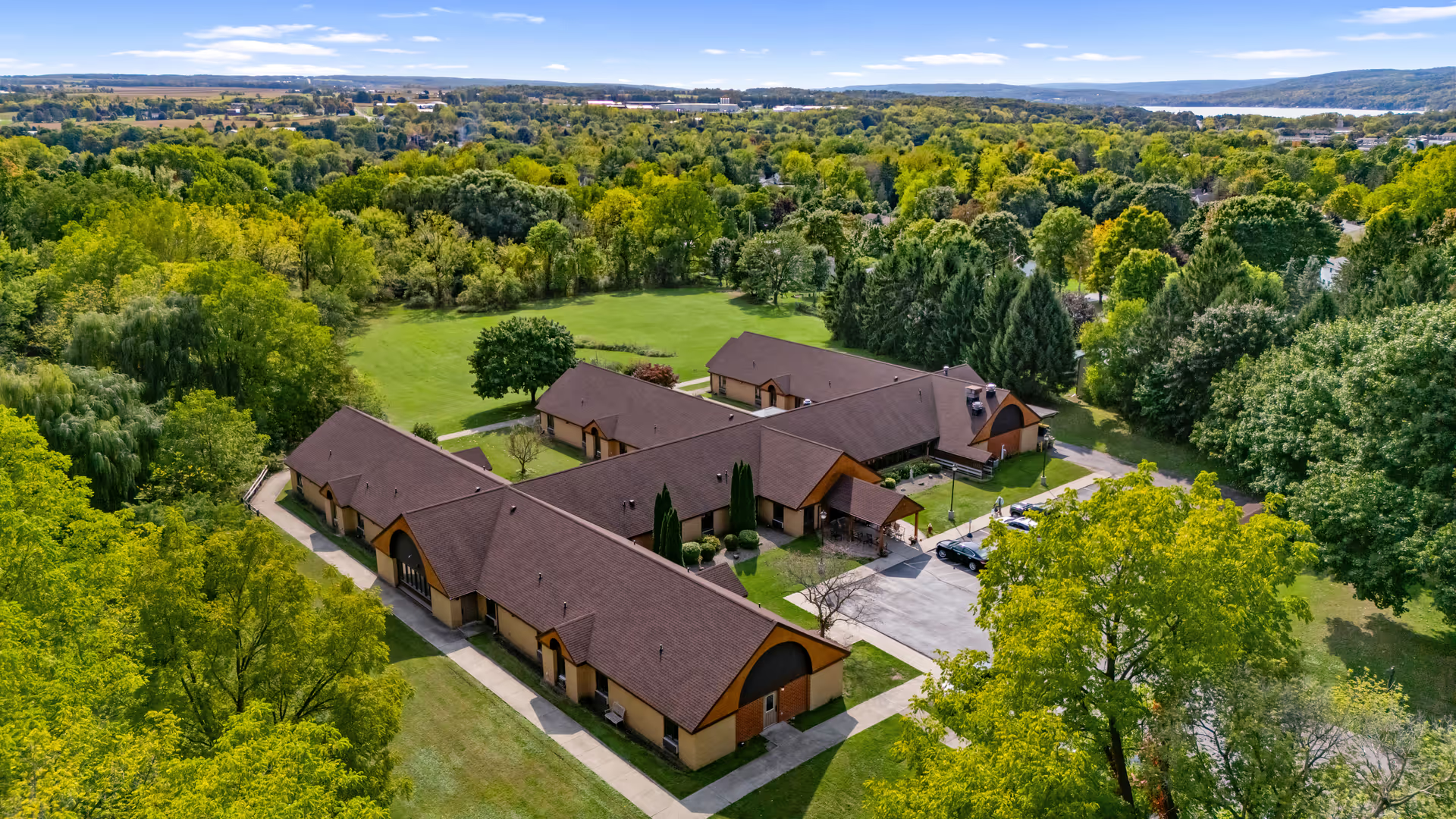
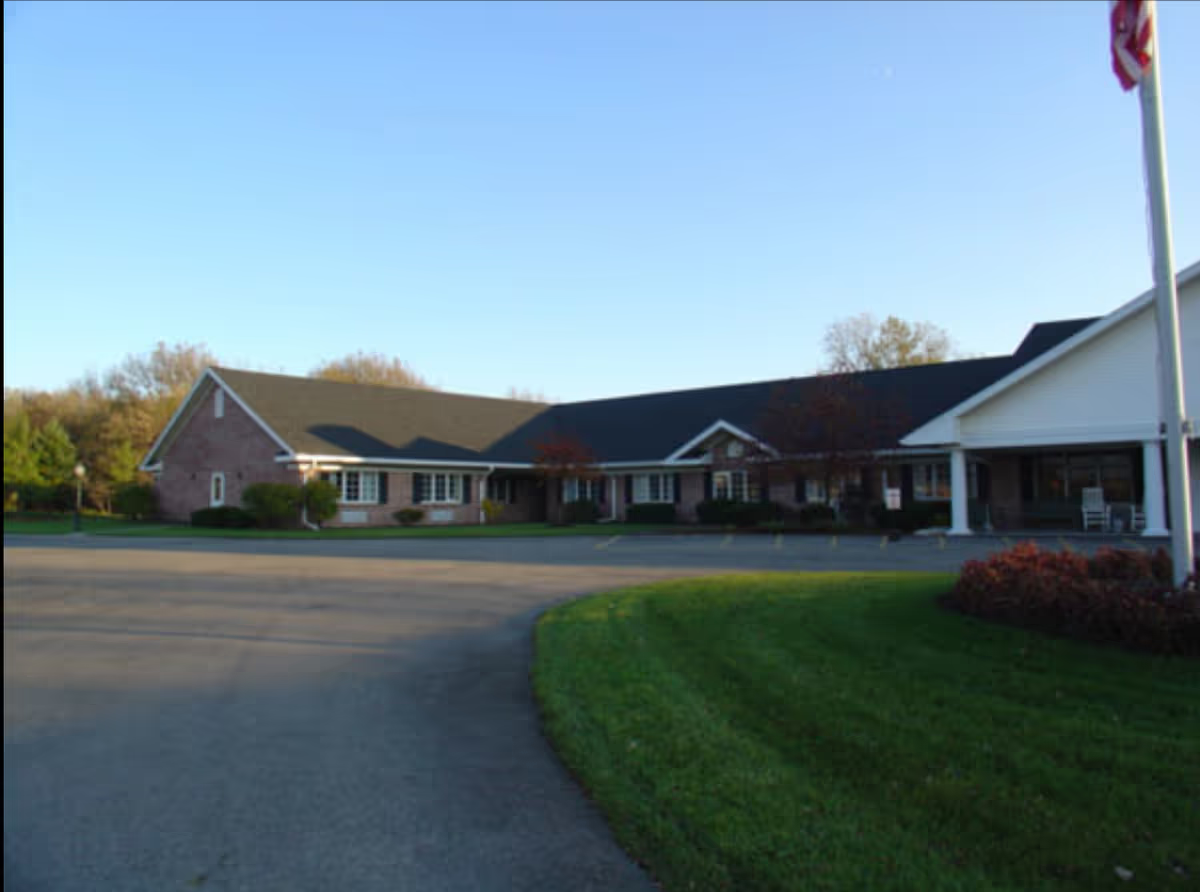
Penn Yan Manor is described as a facility with clear clinical connections: it sits on a campus with hospital and rehabilitation services, and reviewers highlight that affiliation as a practical advantage for residents who require transitional or higher-acuity care. The facility receives repeated praise for its caregiving staff; nurses and nurse practitioners are characterized as compassionate, attentive, and supportive to families. Several accounts describe meaningful end-of-life presence and comfort measures from staff, and individual employees were named for particularly positive interactions.
Daily life elements such as dining and activities were generally viewed positively. Reviewers commented on satisfactory meal quality, a program of arts and physical-therapy offerings, and a clean, well-maintained interior. Room arrangements such as semi-private rooms with extra furnishings and the site's convenient location were also noted as strengths. The availability of nurse practitioner consultation was cited as helpful when home care was not feasible.
Operational patterns of concern emerged alongside the positive remarks. Multiple observations point to limited in-person physician availability, which some families experienced as a gap in clinical access. There are also indications of inconsistent follow-through on routine treatment tasks (for example, application of prescribed patches) and variability in basic-care assistance such as providing or refilling water at meals. Reviewers noted that some residents had difficulty orienting to their surroundings, suggesting opportunities to strengthen cognitive-support and orientation practices. Additionally, there are allegations of restrictive hiring practices toward applicants with criminal histories; this is a serious governance issue that prospective families or advocates may wish to probe directly with management.
For prospective residents and families, the balance of accounts suggests Penn Yan Manor offers strong interpersonal care—particularly from nursing staff and advanced-practice clinicians—and useful rehabilitation/hospital links, combined with acceptable dining and an active programming slate. At the same time, visitors should inquire specifically about physician coverage, medication- and treatment-administration protocols, meal-time assistance policies, cognitive-support services, and the facility’s hiring policies. These targeted questions can help clarify whether operational practices align with a family’s clinical and values-based expectations.