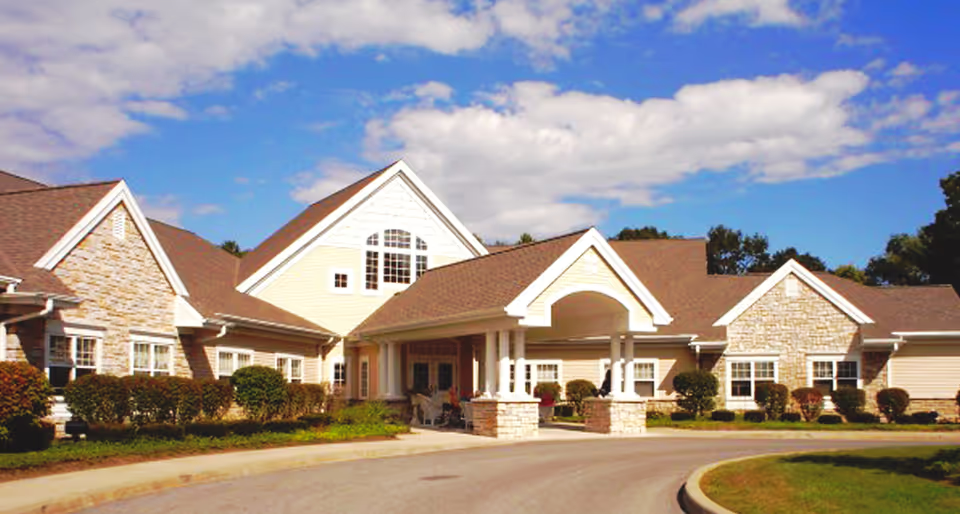
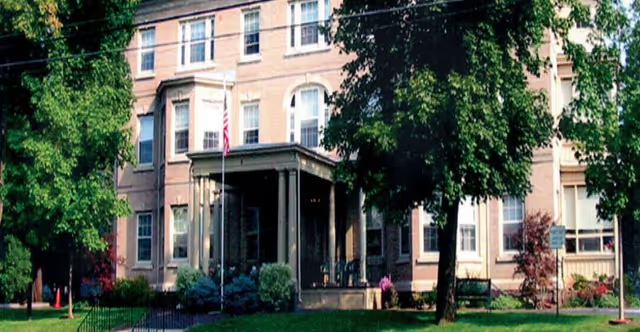
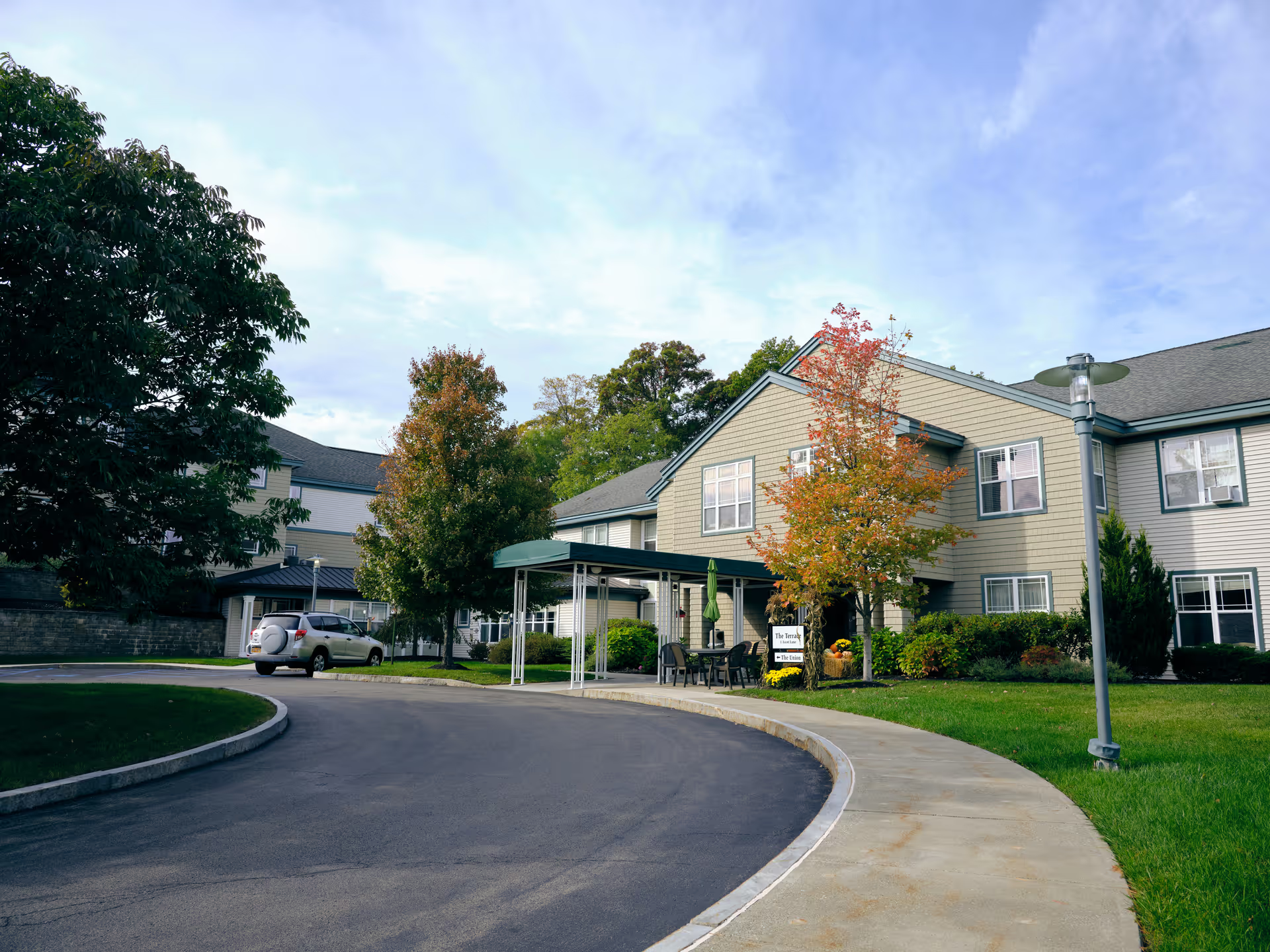
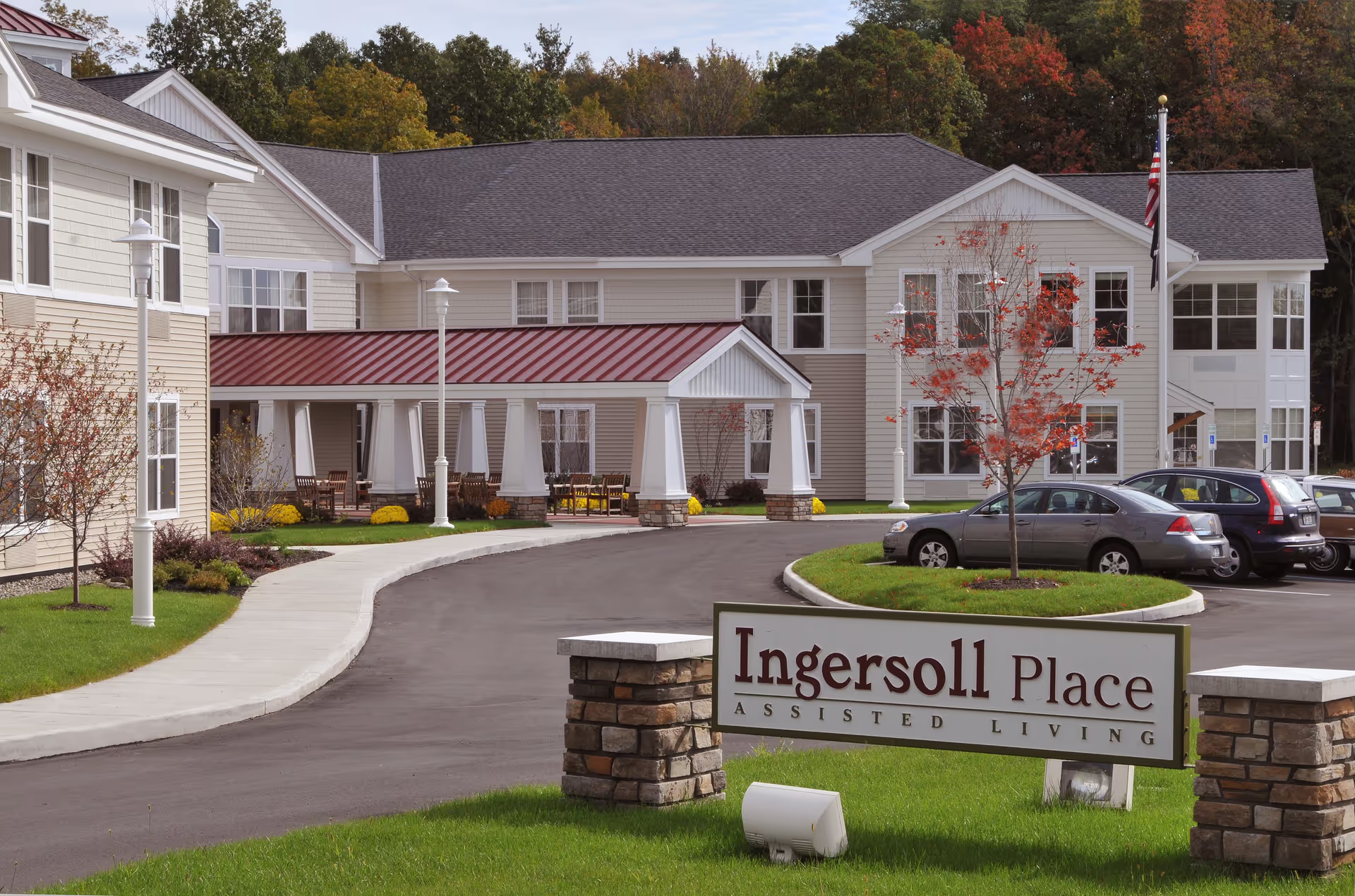
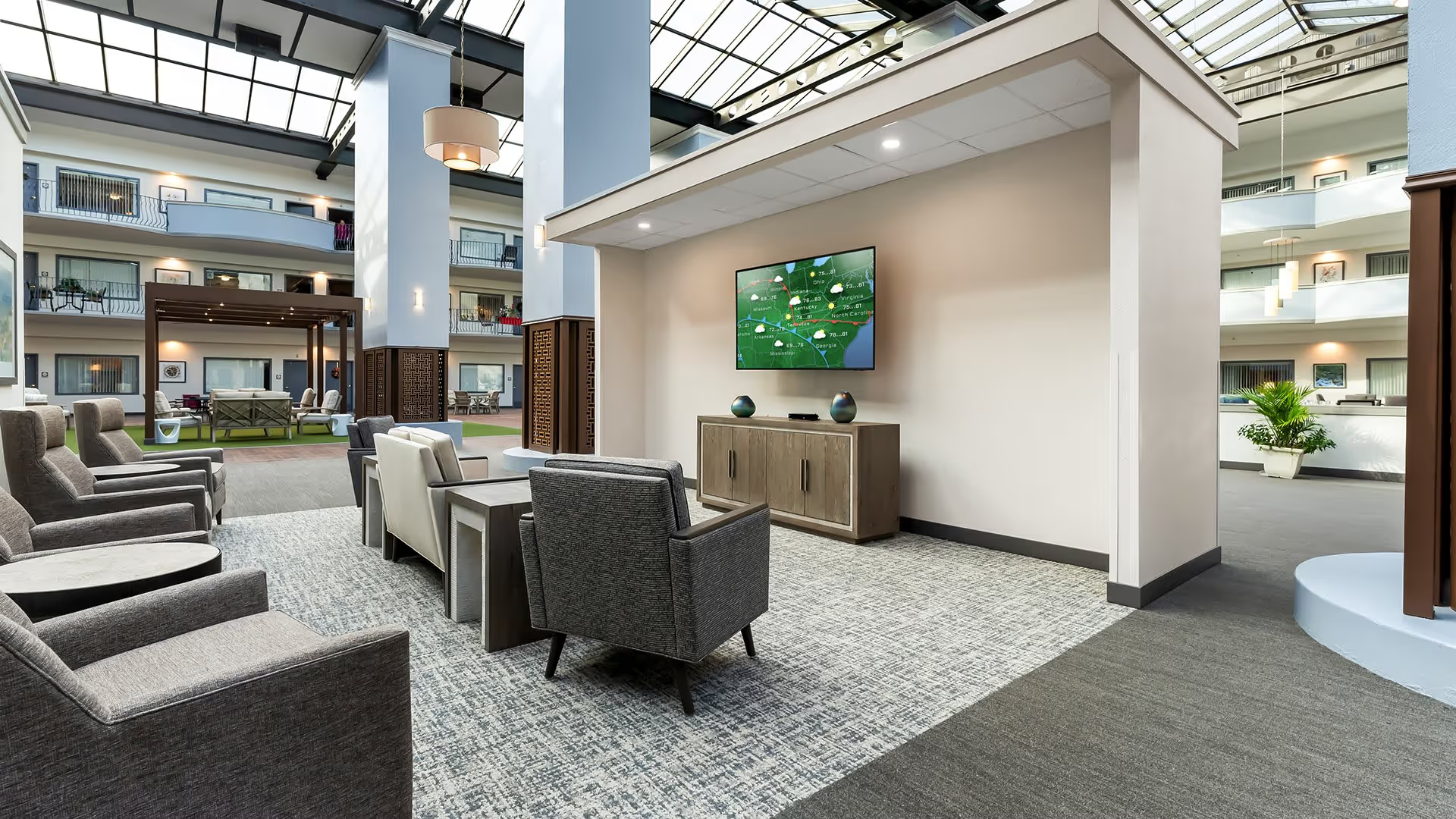
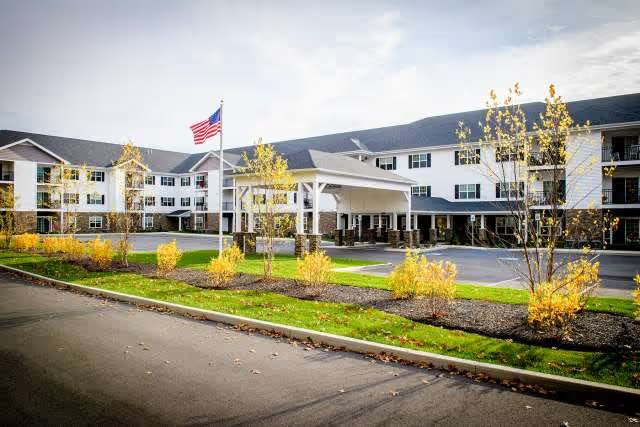
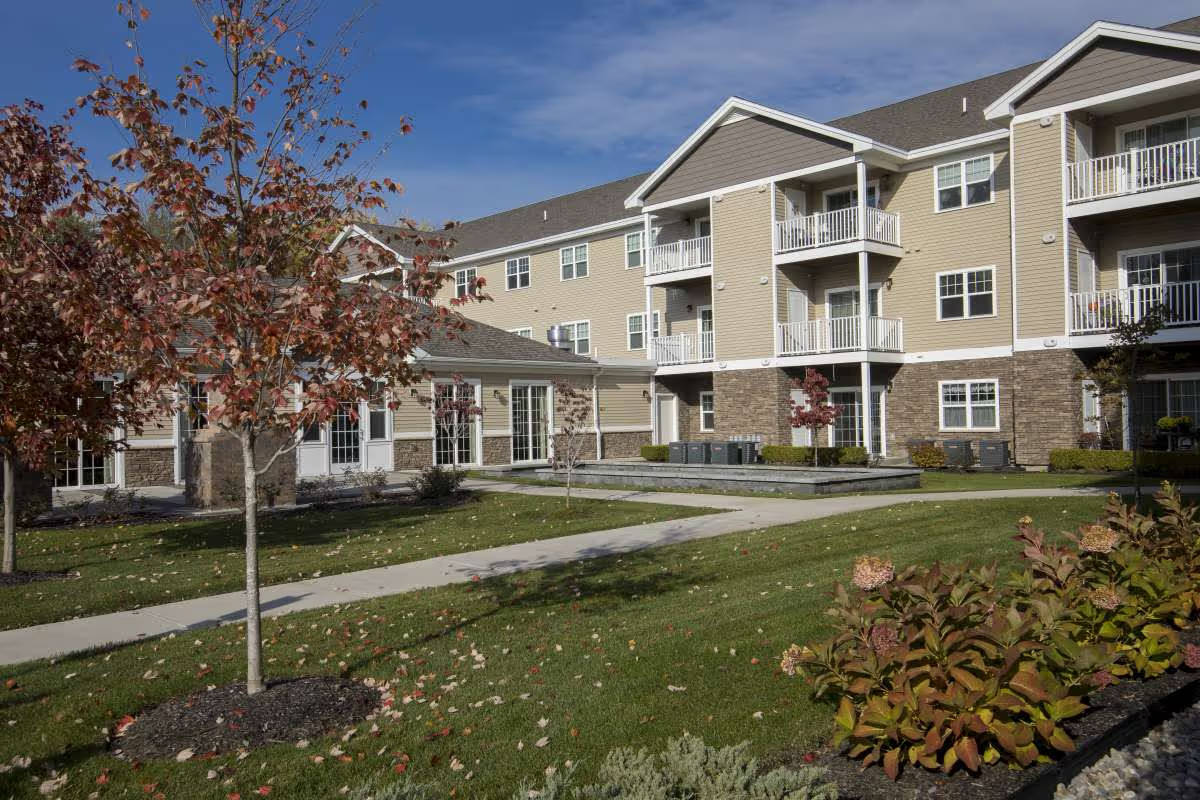
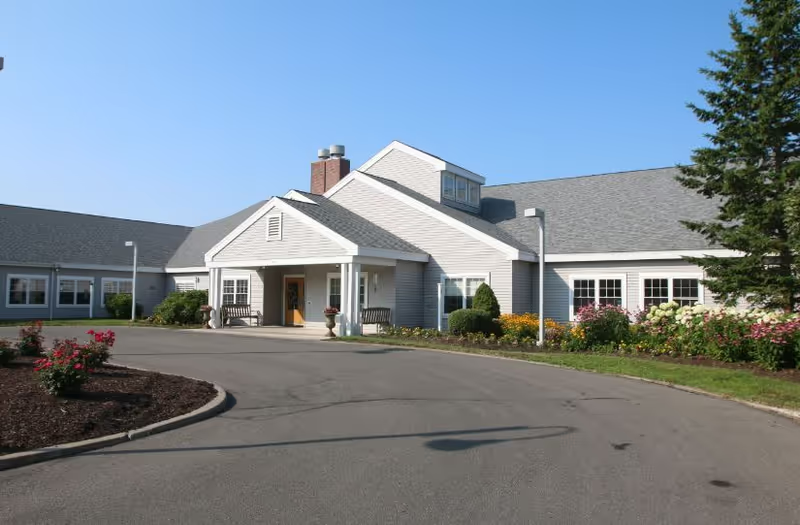
Coburg Village presents as a well-maintained, amenity-rich senior community with many features that attract residents and families. The campus and interiors are frequently described as clean and landscaped, with recent capital improvements such as a new pool and spa. Apartments are characterized as spacious and comfortable, often including safety-focused bathroom features and desirable additions such as screened porches. Recreational infrastructure is broad: residents have access to multiple outdoor and indoor amenities (putting green, bocci, greenhouse/gardens), social dining options, and three to four dining venues across the property.
Staff and day-to-day operations receive largely positive comments. Many reviews describe staff as attentive, supportive, and proactive — housekeeping and maintenance are repeatedly noted as responsive. On-site services such as transportation and physical therapy are available, which supports an active lifestyle and ease of access to off-campus activities. Long-term residents and visible social programming contribute to an engaged community environment for many residents.
Dining is a clear area of mixed experience. Several reviewers praise experienced chefs and varied meal venues, noting enjoyable dining and social-meal formats; however, other accounts describe a decline in meal quality and characterize the culinary experience as inconsistent. Meal-service continuity and current menu quality appear to vary over time, so prospective residents should sample food options and ask about current dining schedules and management of meal quality.
Clinical care is available in part — for example, on-site physical therapy is highlighted — but there are repeated notes that skilled nursing and higher-level clinical services are limited or not provided. Families seeking significant clinical nursing support should verify the scope of on-site clinical services and transfer/partnering arrangements for higher-acuity care.
Management and communication patterns are a recurrent theme. Some reviewers describe effective resident voice and prompt problem resolution historically, while others cite diminished responsiveness to complaints, variability in staff attitude, and communication gaps that can reduce resident participation in activities. There are also references to legal and tenant-dispute concerns involving administration; these items suggest prospective residents should review lease/contract terms and ask about the facility’s current dispute-resolution processes and any recent regulatory or legal matters.
Practical guidance: schedule an in-person visit that includes a dining sample, a review of the current activity calendar, and a walk-through of the apartment and common areas to assess layout and accessibility. Ask specifically about current dining management, staffing ratios and shift coverage, the availability of nursing or clinical services, transportation schedules, how resident complaints are handled, and any recent or ongoing administrative disputes. Those priorities will help match the community’s operational realities to a prospective resident’s care and lifestyle needs.