Atria Rye Brook presents as a well-appointed, activity-rich independent living community with consistent praise for its frontline staff and visible, hands-on local leadership. Multiple reviews highlight engaged executive directors and accessible management who prioritize safety and family communication; leadership actions during the COVID-19 period are repeatedly described as proactive and reassuring. The caregiving team, front desk, dining-room servers, housekeeping, and maintenance staff receive frequent commendation for warmth, attentiveness, and individualized attention, contributing to a family-like atmosphere and strong resident–staff relationships.
Clinical and care-quality patterns are mixed. Reviewers consistently note that on-site medical and licensed nursing coverage is limited—there is no overnight nursing staff and clinical services are primarily arranged through private homecare or external providers. Families seeking a higher level of clinical or memory-care services should expect to coordinate external supports. At the same time, short-term medical response and coordination (transportation to appointments, PT/OT access, and engagement with hospice when needed) are described positively when available.
Dining feedback is polarized. Many residents and families praise the culinary team, varied menus, fresh choices, and restaurant-style presentations. Conversely, recurring operational complaints describe inconsistent meal service: late or cold plates, incorrect orders, and weekend staffing gaps that affect buffet and dining-room continuity. These conflicts suggest variability in dining-service performance tied to staffing levels and shift coverage rather than a uniform culinary standard.
Programming and social life are major strengths. The community offers a broad schedule—daily movies, fitness and balance classes, ceramics, lectures, musical performances, trips to museums and Manhattan, holiday programming, and religious services—sustaining an active, socially engaged resident population. On-site amenities (salon, gym, theater, library, outdoor spaces) and included transportation support independence and access to community resources.
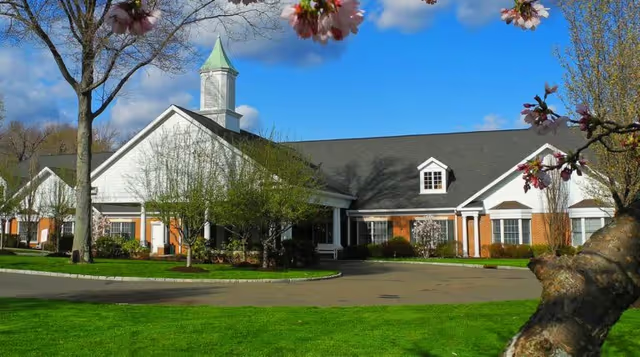
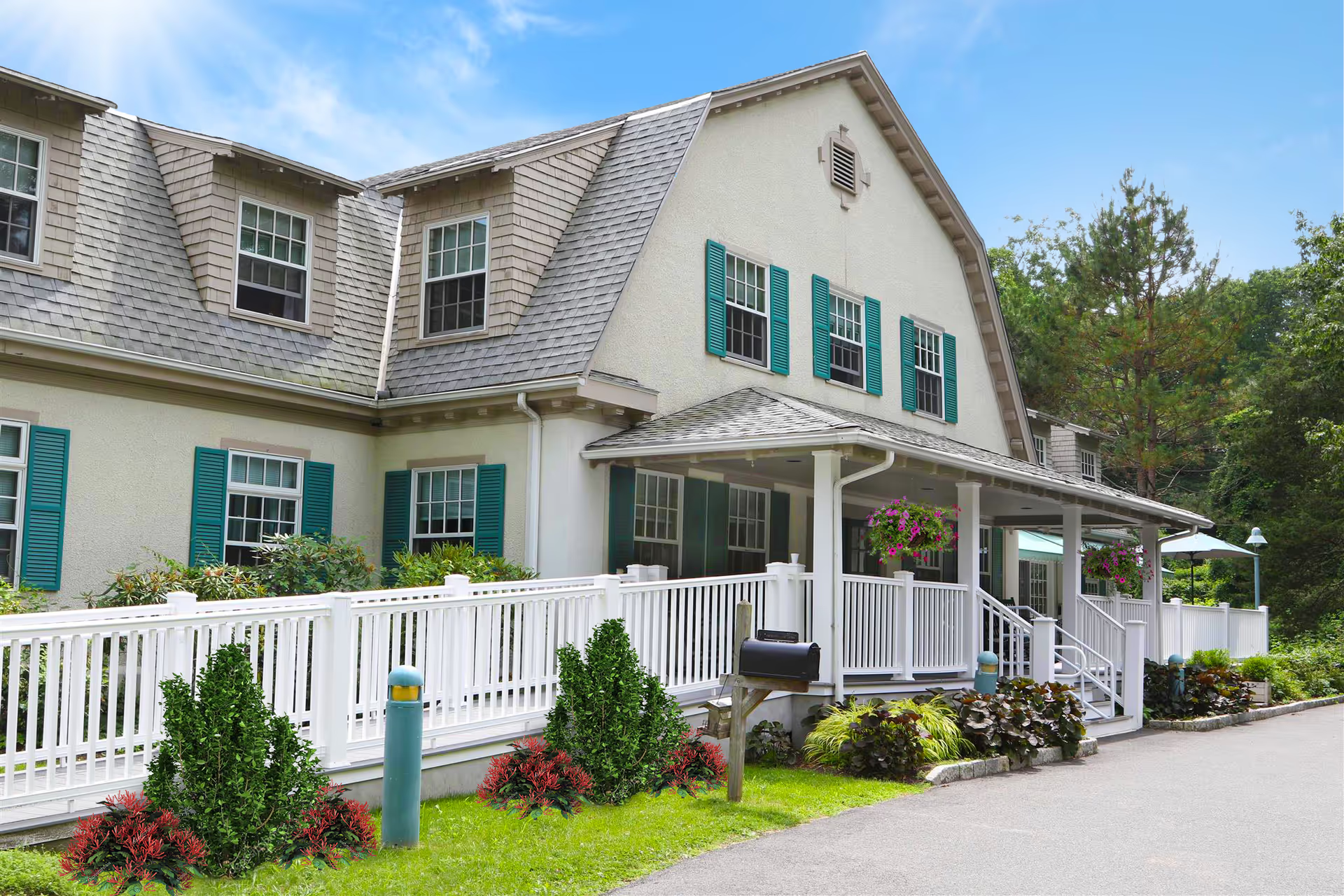
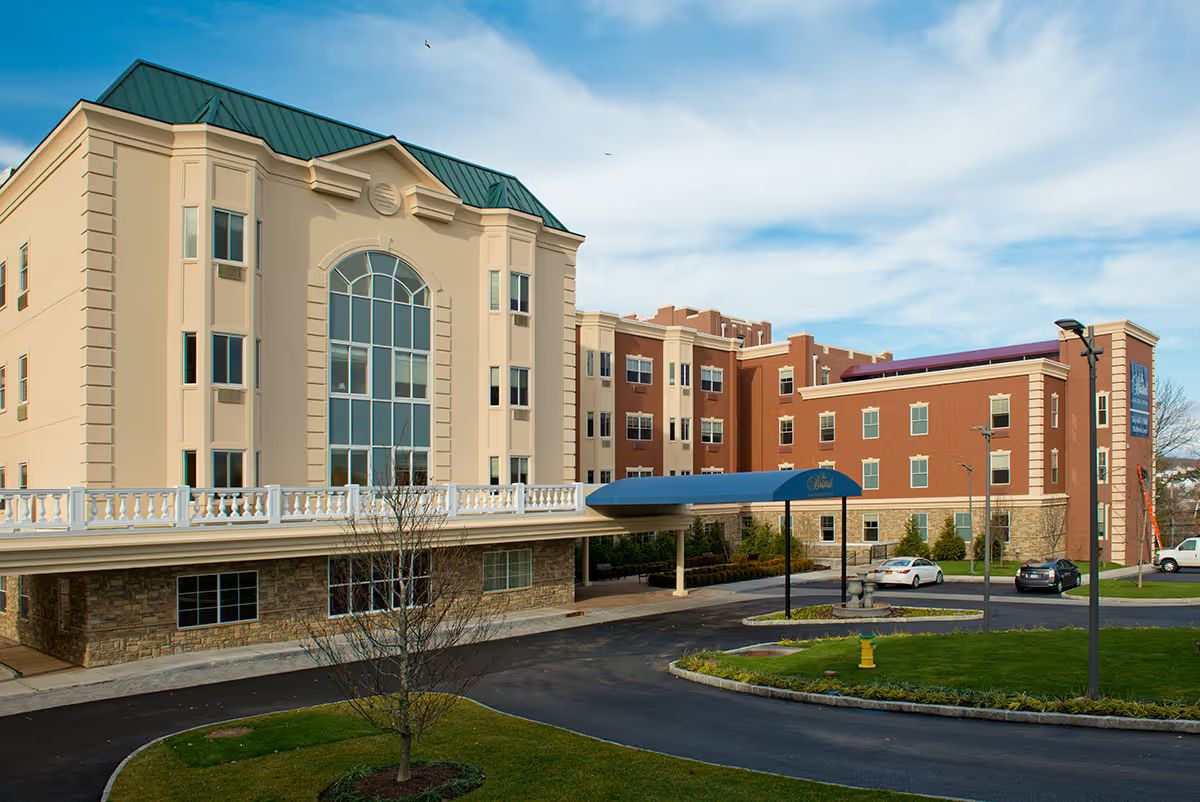
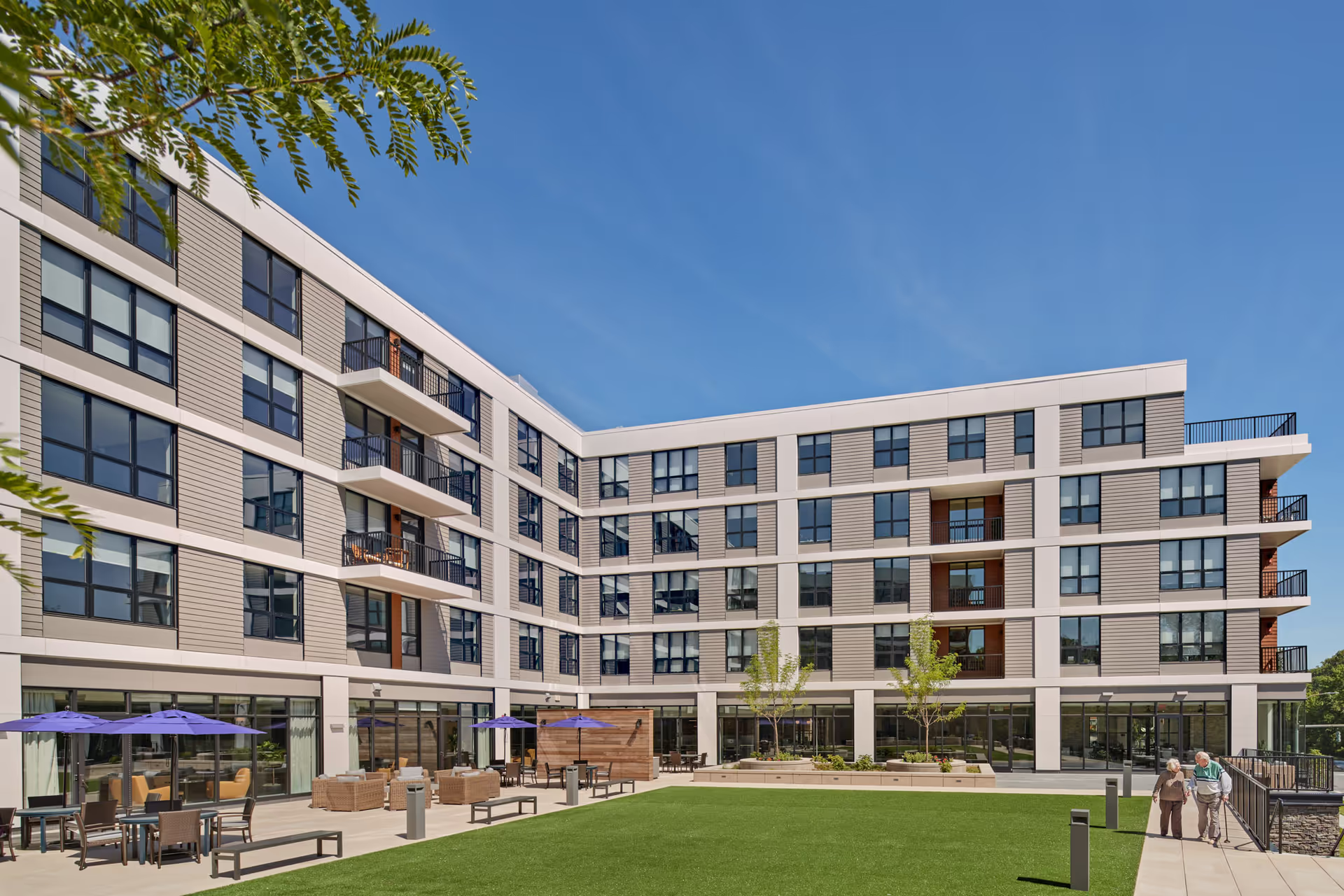
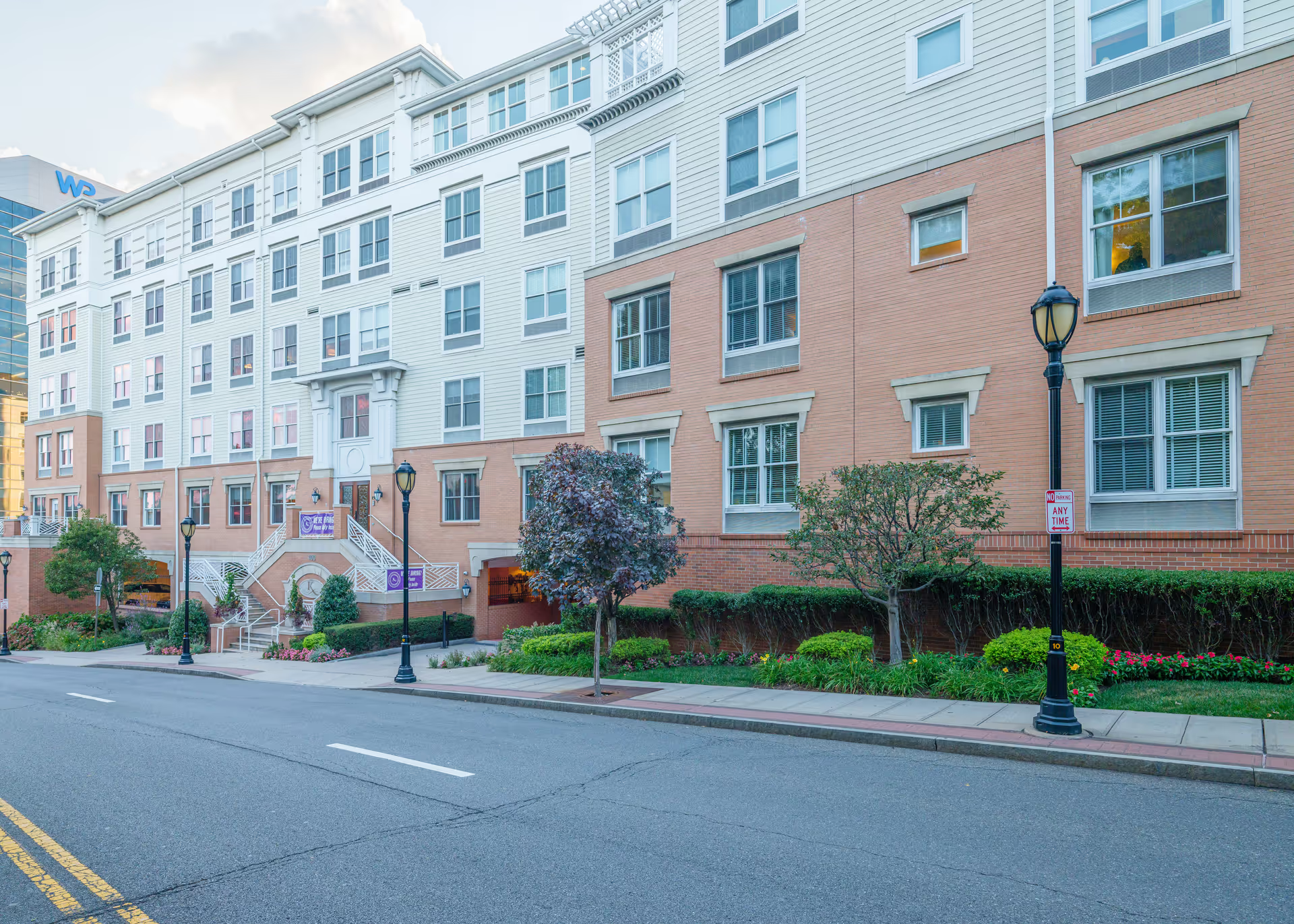
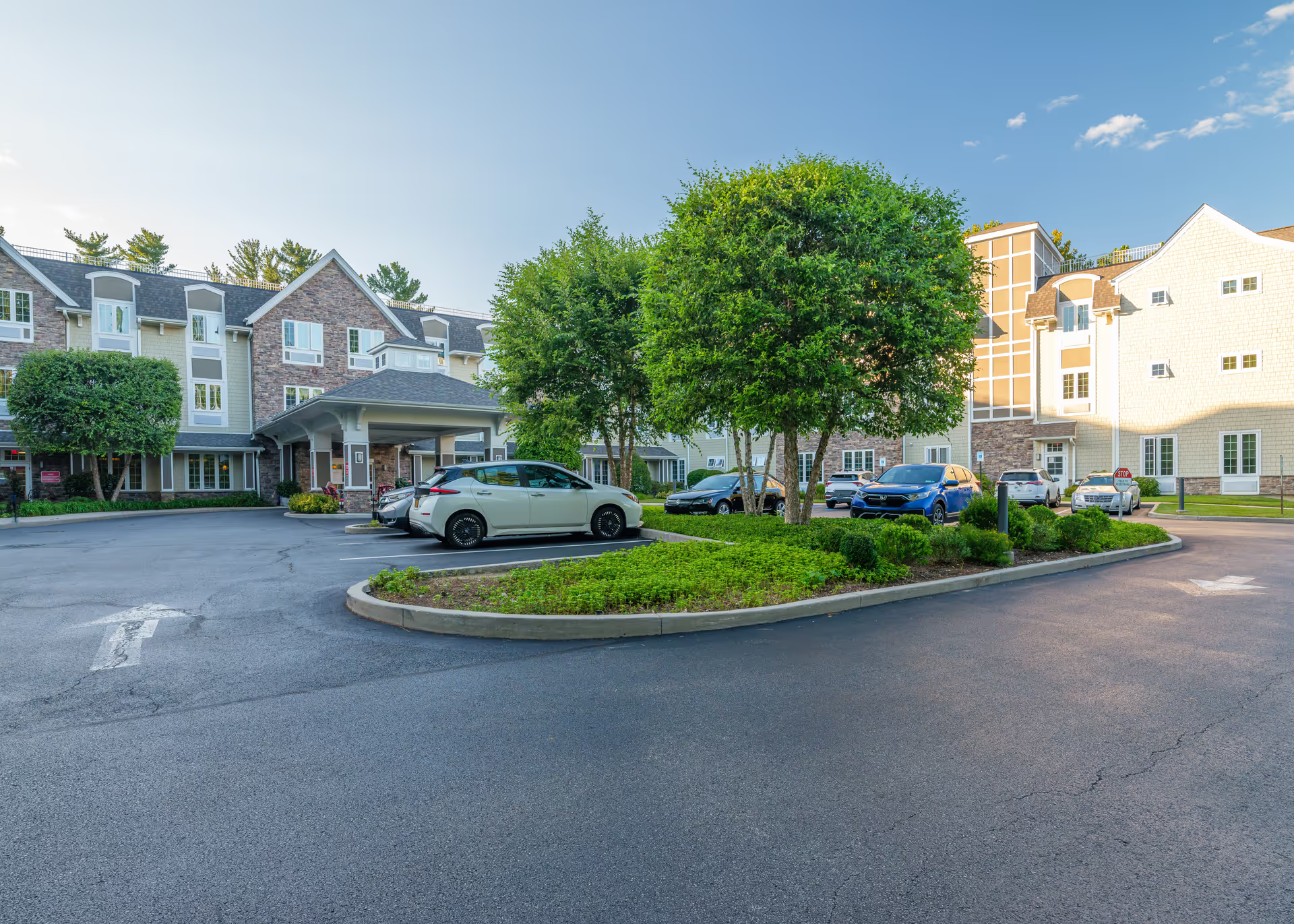
Facility and infrastructure impressions are generally favorable for cleanliness and aesthetics, with many reviews noting bright, well-kept public areas and spacious apartments. However, some operational maintenance issues are reported: intermittent HVAC failures, noisy apartment systems, and occasional repair items (windows, corridor updates). These items point to maintenance reliability concerns that prospective residents should clarify during tours.
Administrative themes include accessible local management and concierge responsiveness, contrasted with instances of billing inaccuracies, perceived corporate unresponsiveness, and rising fees. Pricing is commonly characterized as above average for the market, and several families expressed concern about annual increases and perceived value relative to the full range of services, particularly clinical coverage.
Notable patterns for prospective residents and families: the community excels in social engagement, hospitality-style services, and an attentive staff culture led by hands-on directors. Areas to evaluate during decision-making include the level of on-site licensed nursing desired, dinner-service consistency (especially on weekends), the anticipated resident-dependency mix, infrastructure condition in selected apartments, and contract/billing clarity. A trial stay or targeted questions about weekend dining coverage, clinical escalation procedures, and recent maintenance logs may help align expectations with actual service delivery.