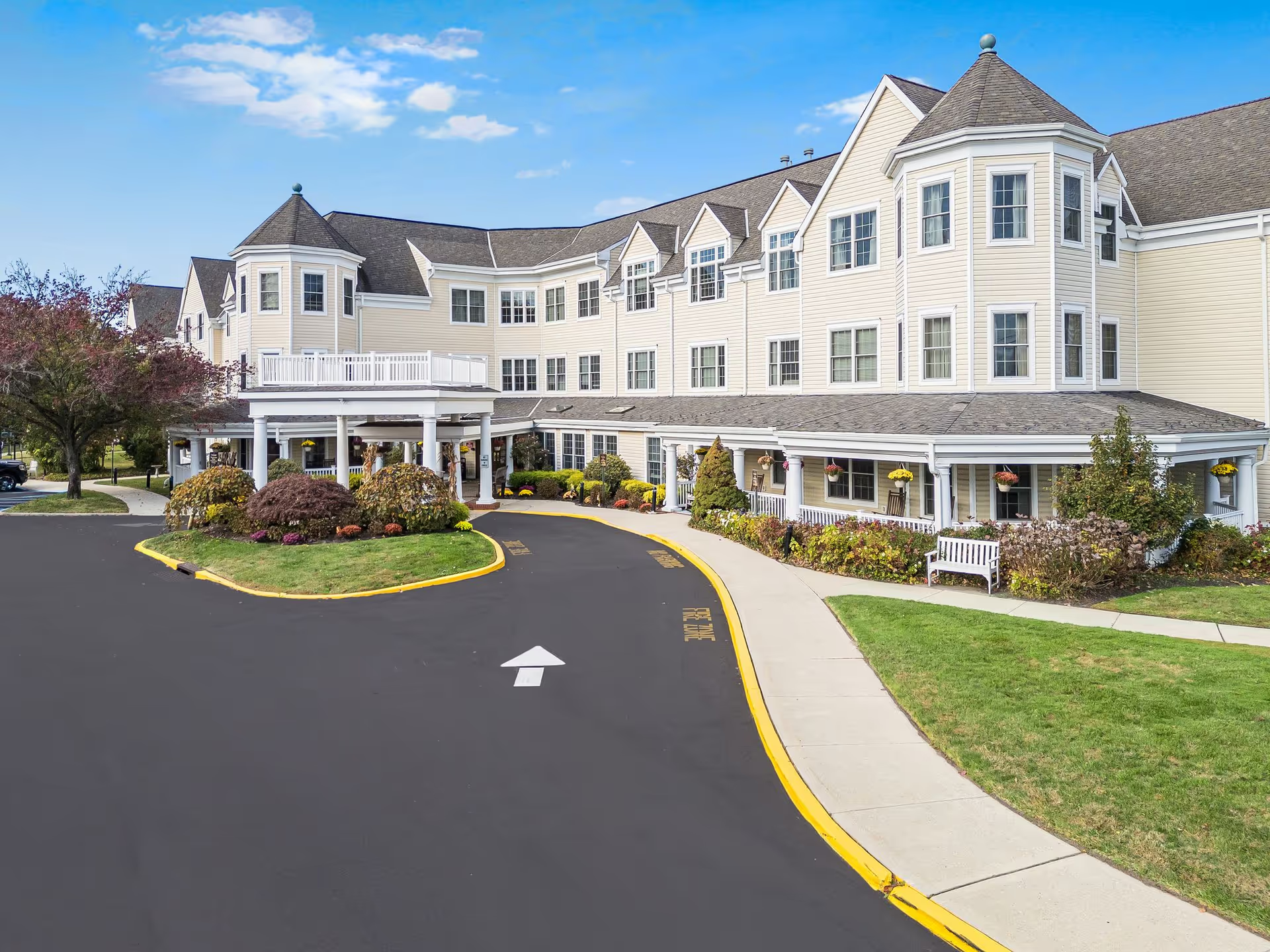
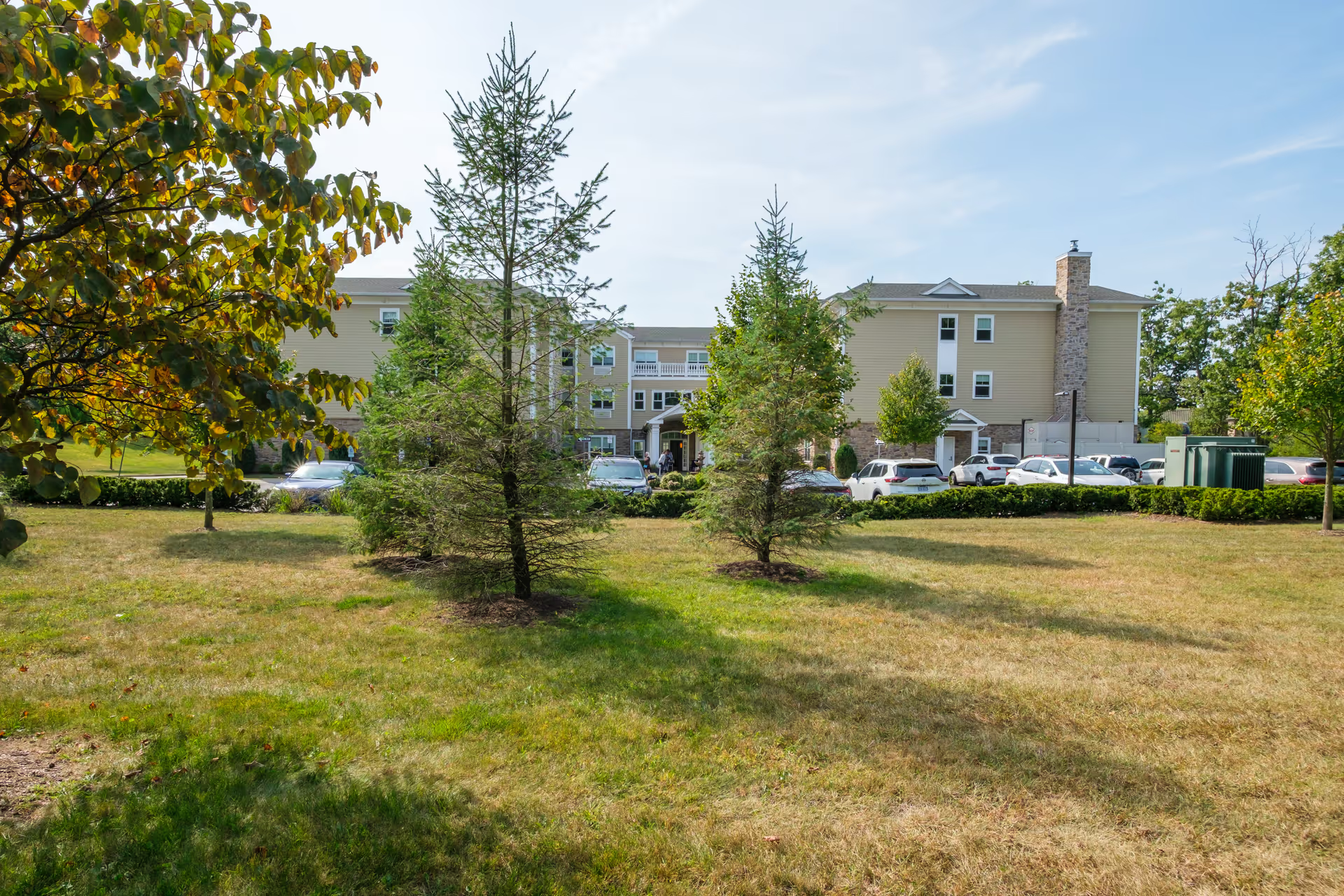
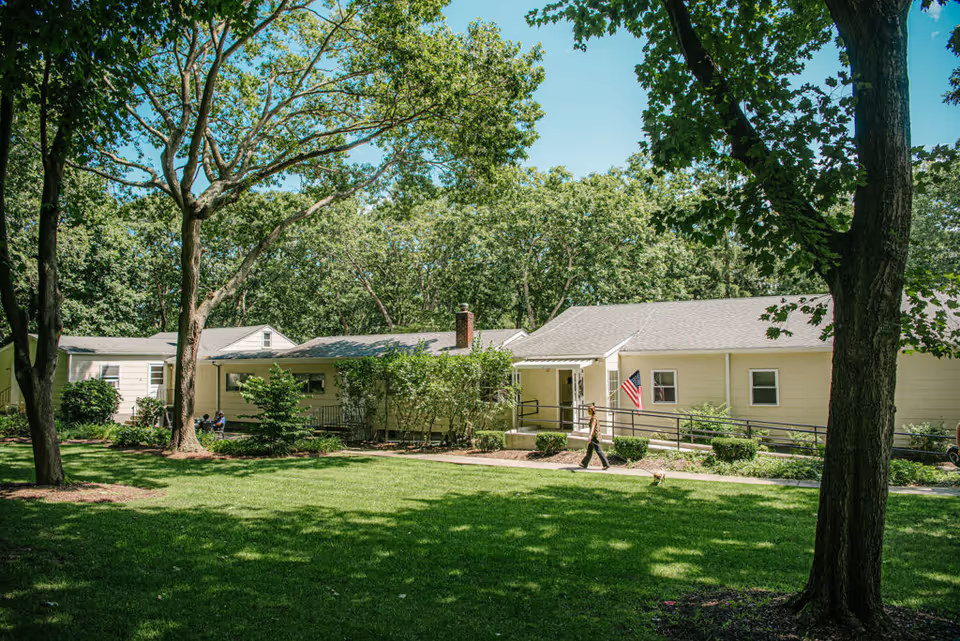
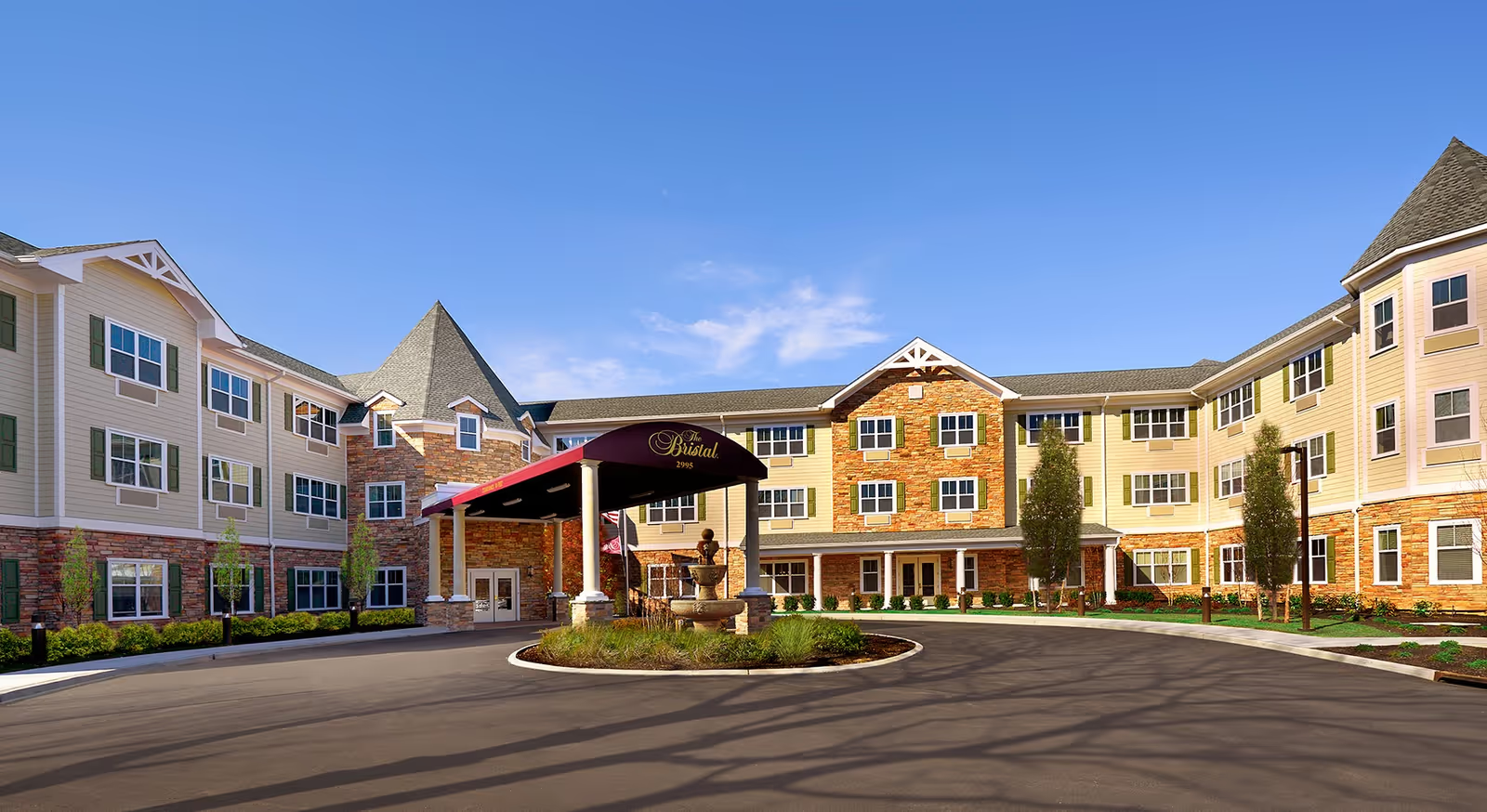
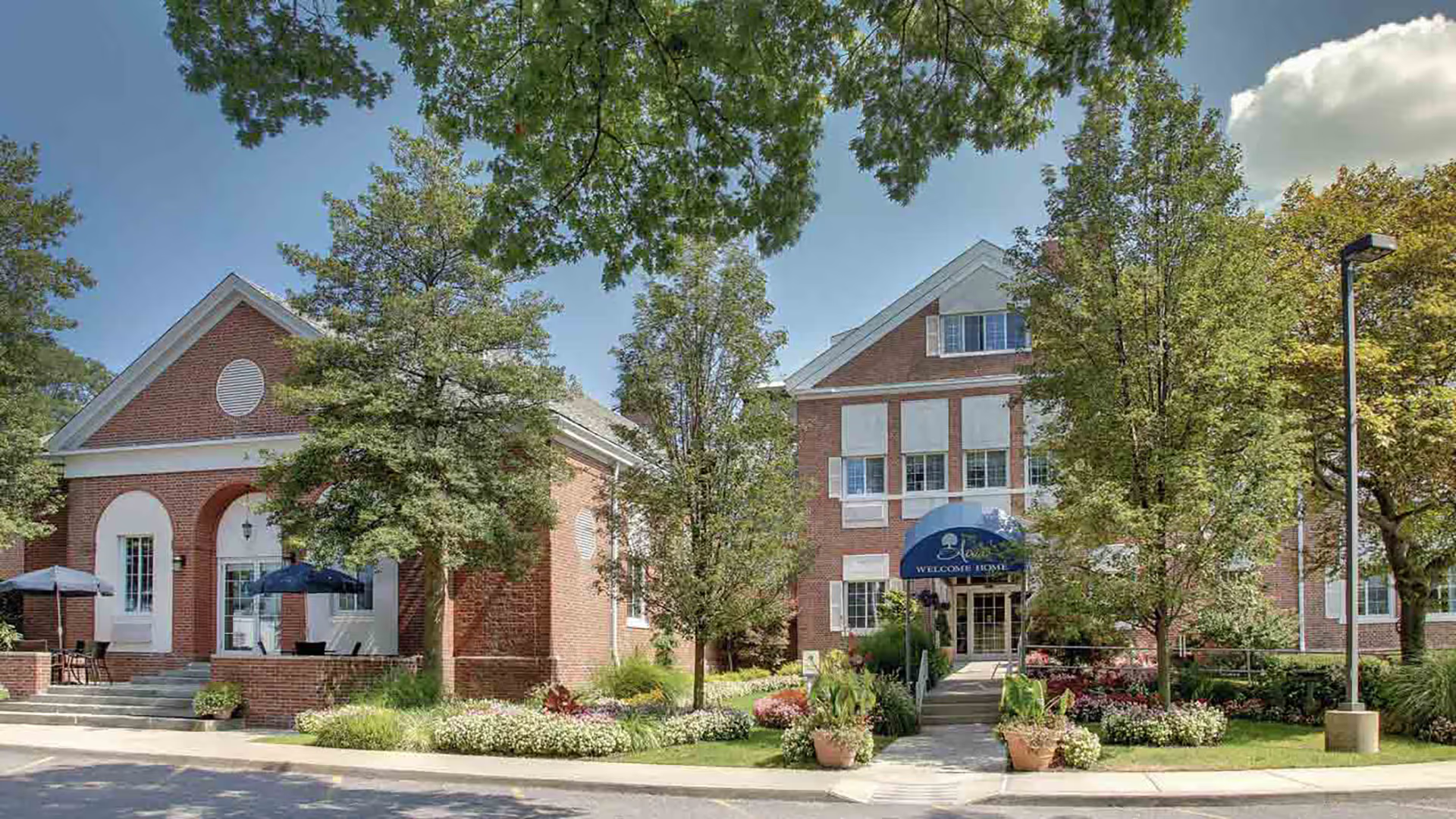
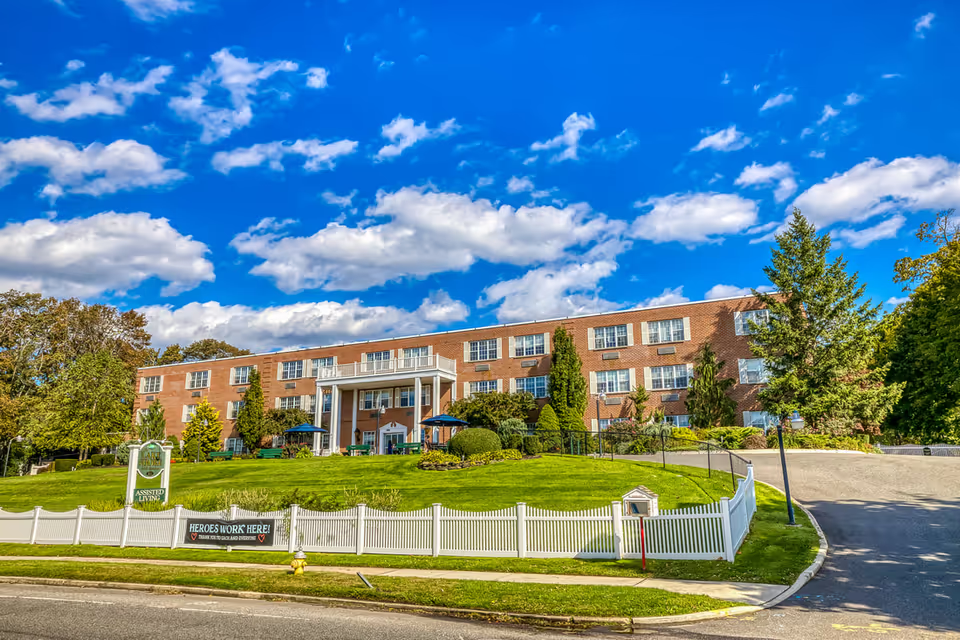
Whisper Woods of Smithtown is consistently described as a new, well‑appointed assisted‑living and memory‑care community with a strong emphasis on clinical support and resident engagement. The facility's physical environment — recently built, clean, and furnished with hotel‑style finishes — is frequently highlighted, along with well‑maintained grounds and a secure courtyard. Families and residents repeatedly note the sense of a warm, family‑like atmosphere coupled with active common areas (piano, parties, and social spaces) and a variety of amenities such as a gym, beauty parlor, and event kitchen.
Clinical care and staffing are central strengths in the reviews. Residents benefit from on‑site nursing, regular physician and nurse‑practitioner visits, therapy access, and nearby rehabilitation services; several accounts praise end‑of‑life and hospice support. Reviewers consistently use language such as compassionate, knowledgeable, and attentive when describing aides, nurses, and administration. Specific staff and admissions team members are named positively, and many families credit the team with providing reassurance and skilled handling of clinical needs and transitions.
Dining and food service receive mixed but generally favorable feedback. The community operates a free‑flow or open dining model with flexible meal times and an executive chef offering varied menus; breakfast and lunch are often praised. At the same time, reviewers note variability in meal quality across service periods (dinner is mentioned less favorably in some accounts) and limited capacity to meet certain dietary restrictions, including lactose, gluten, and unclear diabetic accommodations.
Activity programming is a prominent positive overall: daily schedules with multiple options (arts and crafts, gardening, choir, music, exercise, book clubs, bingo, walking clubs) support social engagement and resident participation. The memory‑care program's music offerings receive specific praise, though several accounts indicate that activity variety and frequency within the memory unit can be inconsistent and may require further development to meet all residents' needs.
A few operational patterns warrant attention for prospective families. Cost is a recurring limitation — the community is described as mid‑to‑expensive to expensive, and Medicaid is not accepted. Unit configuration is another consideration: many rooms are shared and some private units share bathrooms, which may affect privacy preferences. Reviewers also report variability in staffing levels and continuity (including recruitment activity and occasional shortages), with related comments about response times to calls and communication gaps. Infection‑control measures such as quarantine periods have at times restricted access and visitation; a small number of families raised alleged instances of restrictive placement and limited family access in dementia care — these reports are not the dominant theme but warrant follow‑up during a tour and preadmission conversations.
In sum, Whisper Woods presents as a modern, clinically capable community with strong relational care, robust amenities, and active programming. Prospective residents and families should weigh the benefits of the facility's clinical services, cleanliness, and social offerings against the higher cost, room configuration options, and the need to confirm specific dietary, activity, and visitation expectations during the admissions process.