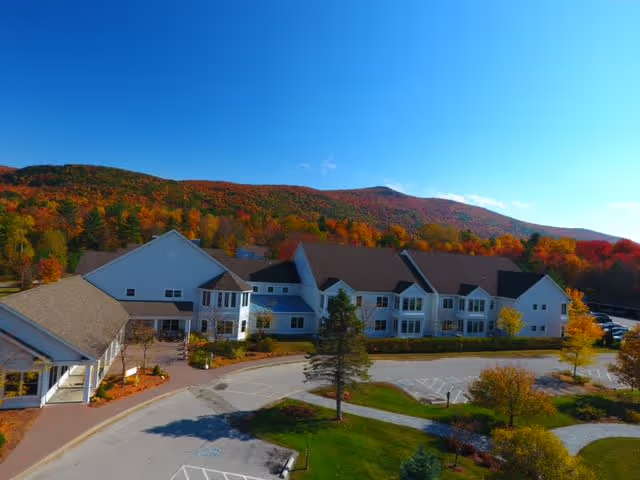
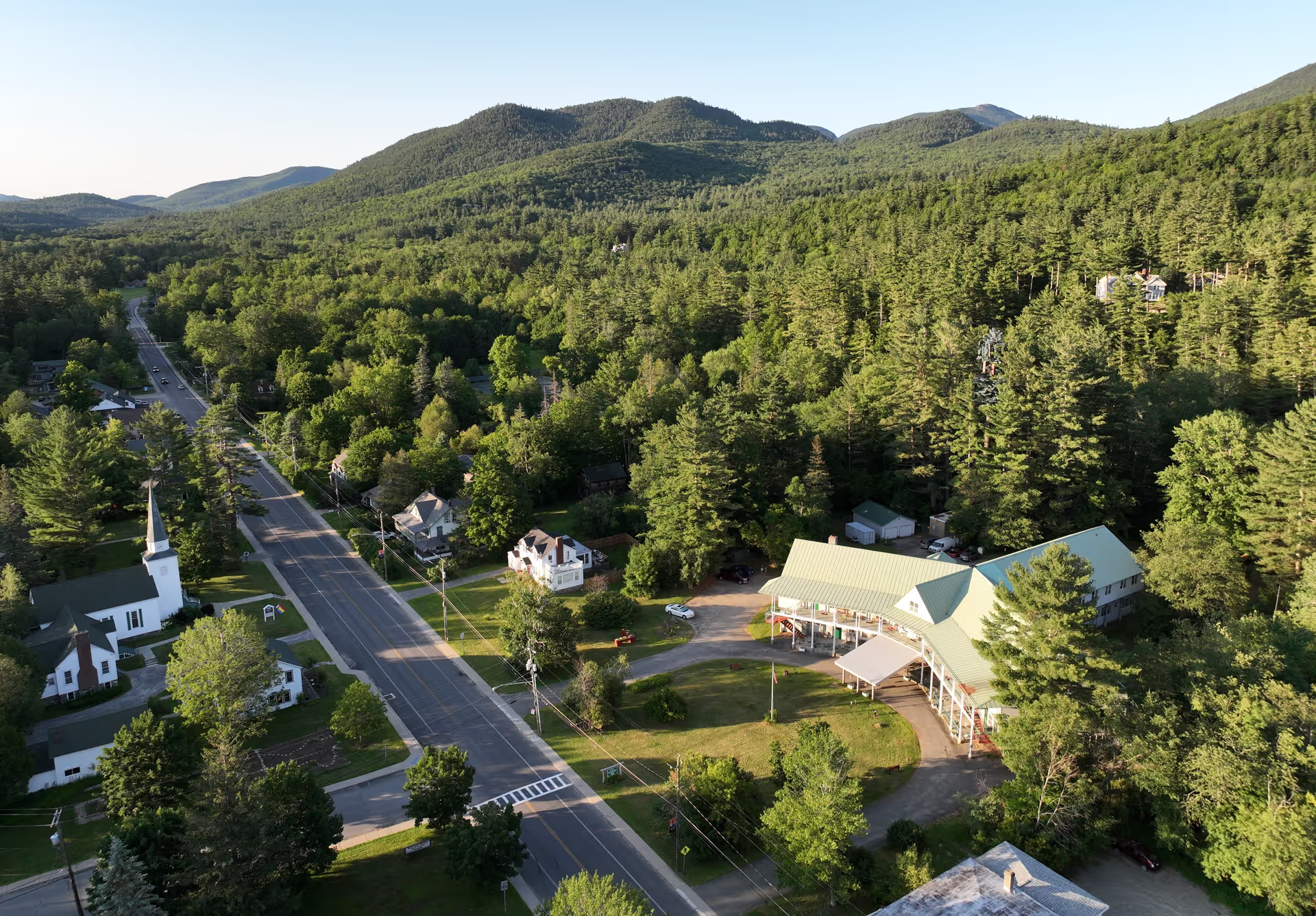
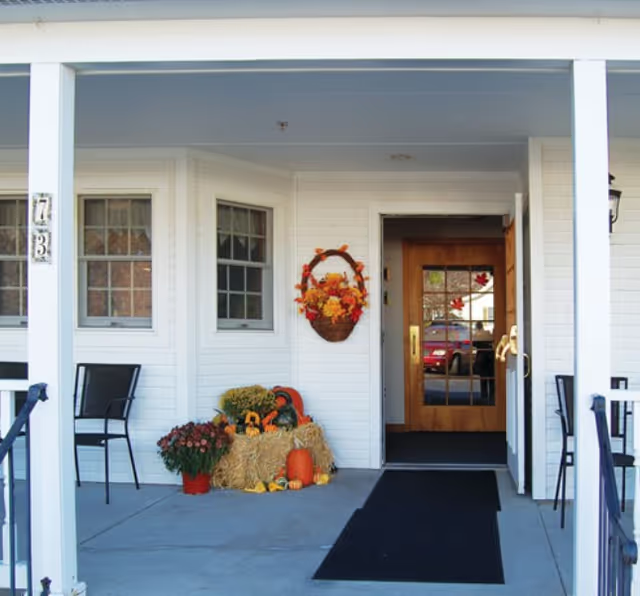
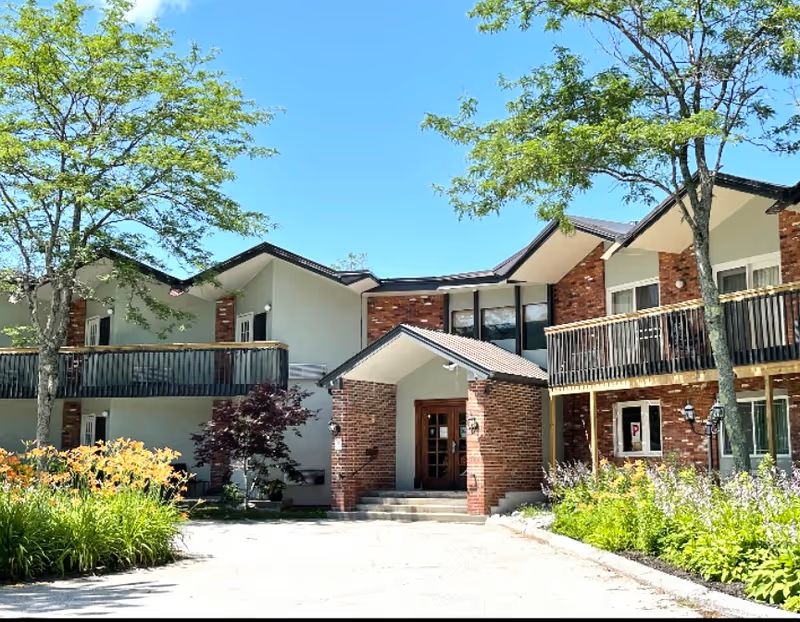
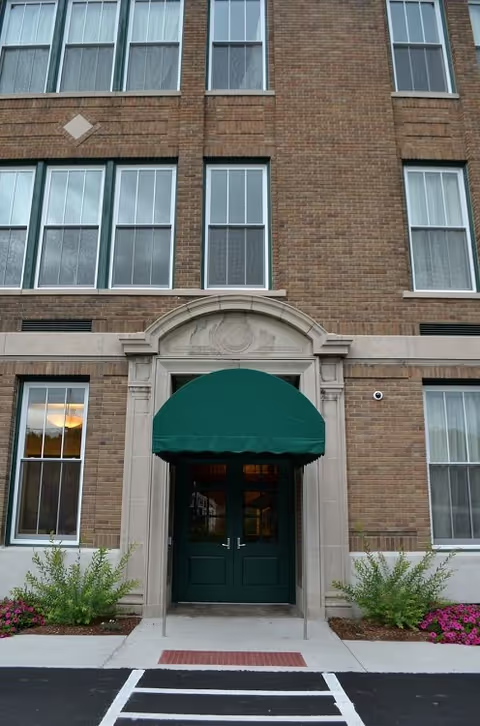
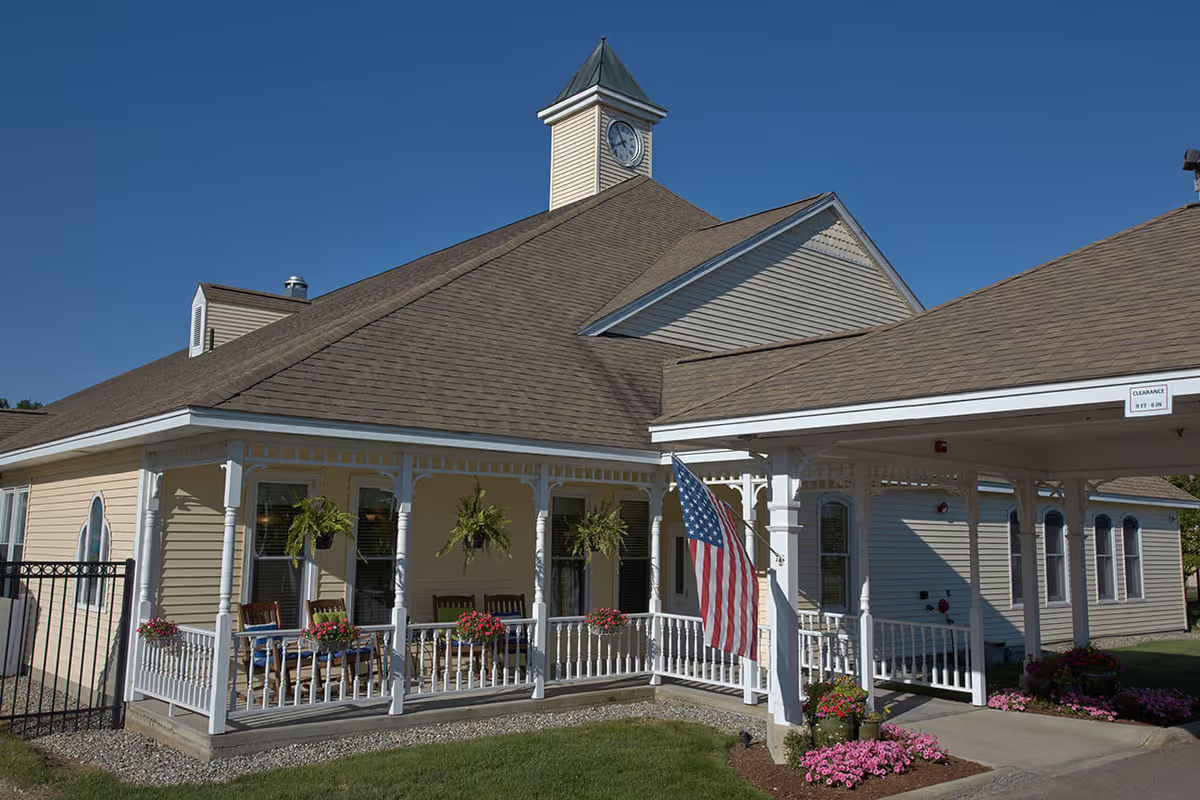
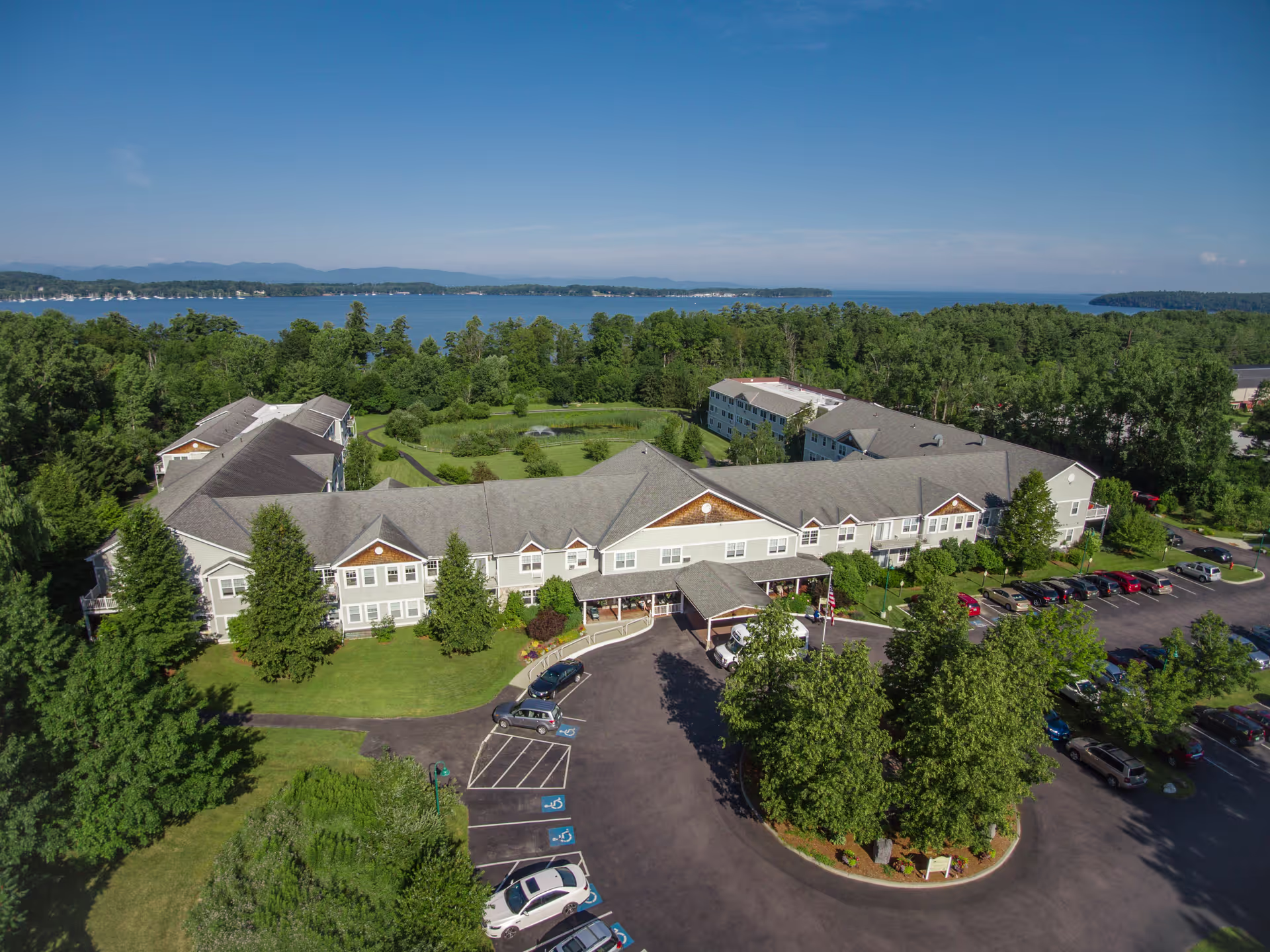
Elderwood Village at Ticonderoga is described by many families as a small, modern, and well-maintained community offering private rooms with en-suite bathrooms and a home-like atmosphere. Positive comments emphasize a community feel, bright dining and gathering spaces with mountain views, an outdoor courtyard and gardening opportunities, and convenient on-site or nearby services including rehabilitation, urgent medical care, pharmacy access, transportation, and a barbershop. The facility’s therapy and rehabilitation services, in particular, receive consistent praise, and several families highlighted successful rehab outcomes and attentive physical-therapy staff.
Care and staffing assessments are mixed but tilt positive in volume. Numerous accounts describe compassionate, respectful nursing staff, strong CNAs, and an activities department that engages residents with regular programming and special seasonal events. Families frequently report personalized attention in the smaller environment and note medication-management processes and dietary accommodations (including cook-to-order meals) as strengths that contribute to residents’ comfort and dignity.
However, a set of serious concerns also appears in the feedback. Some families describe significant lapses in clinical monitoring and personal-care oversight, manifested as unintended weight loss, hygiene issues, and inadequate attention to hydration or nutritional changes. These reports suggest gaps in ongoing clinical surveillance and response processes rather than a uniform, facility-wide practice. Alongside these clinical concerns, commentary about management and administrative oversight is inconsistent: while some reviewers praise attentive leadership and clear communication, others characterize management responsiveness as weak. This pattern points to variability in leadership or oversight practices that may affect the consistency of resident care.
Communication and responsiveness to families are additional mixed areas. Many families cite good communication and clear introductions to departments, but others report delays or unsatisfactory interactions during adverse events or care transitions. Prospective residents and their families should consider these patterns when evaluating the facility: ask about staffing ratios, clinical monitoring protocols (weight and hydration tracking, incontinence and bathing schedules), incident-response procedures, turnover among leadership and direct-care staff, and how families are notified about changes in condition.
Overall, Elderwood Village at Ticonderoga offers several tangible strengths—clean, comfortable private rooms; strong therapy services; engaging activities; and helpful on-site amenities—paired with a small-community model that supports one-on-one attention. At the same time, the presence of isolated but significant care concerns and uneven reports about management suggest that quality may vary by unit, shift, or period. An in-person visit, targeted questions about clinical oversight, and review of care-plan and communication practices are advisable for families weighing this community for long-term or post-acute placement.