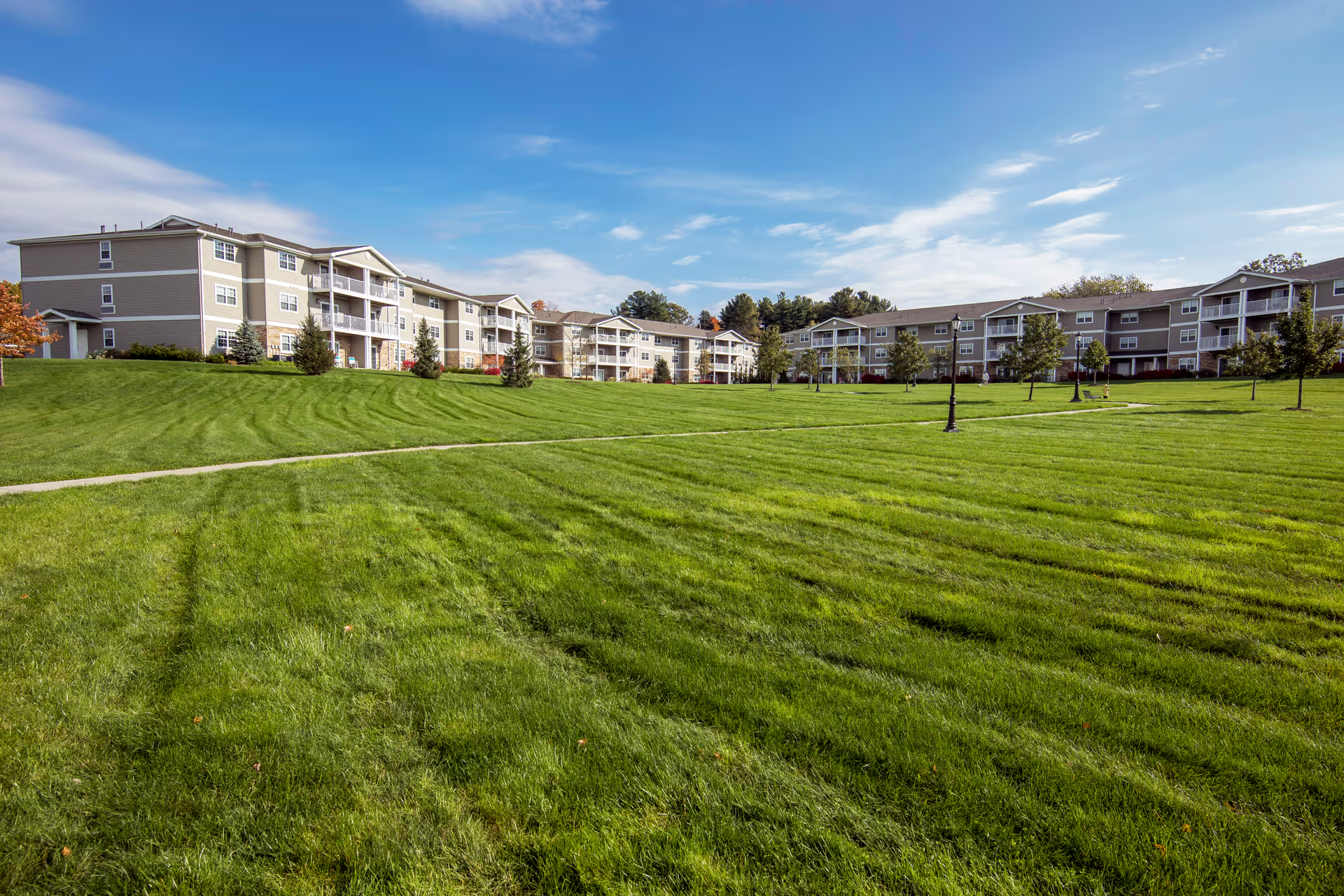
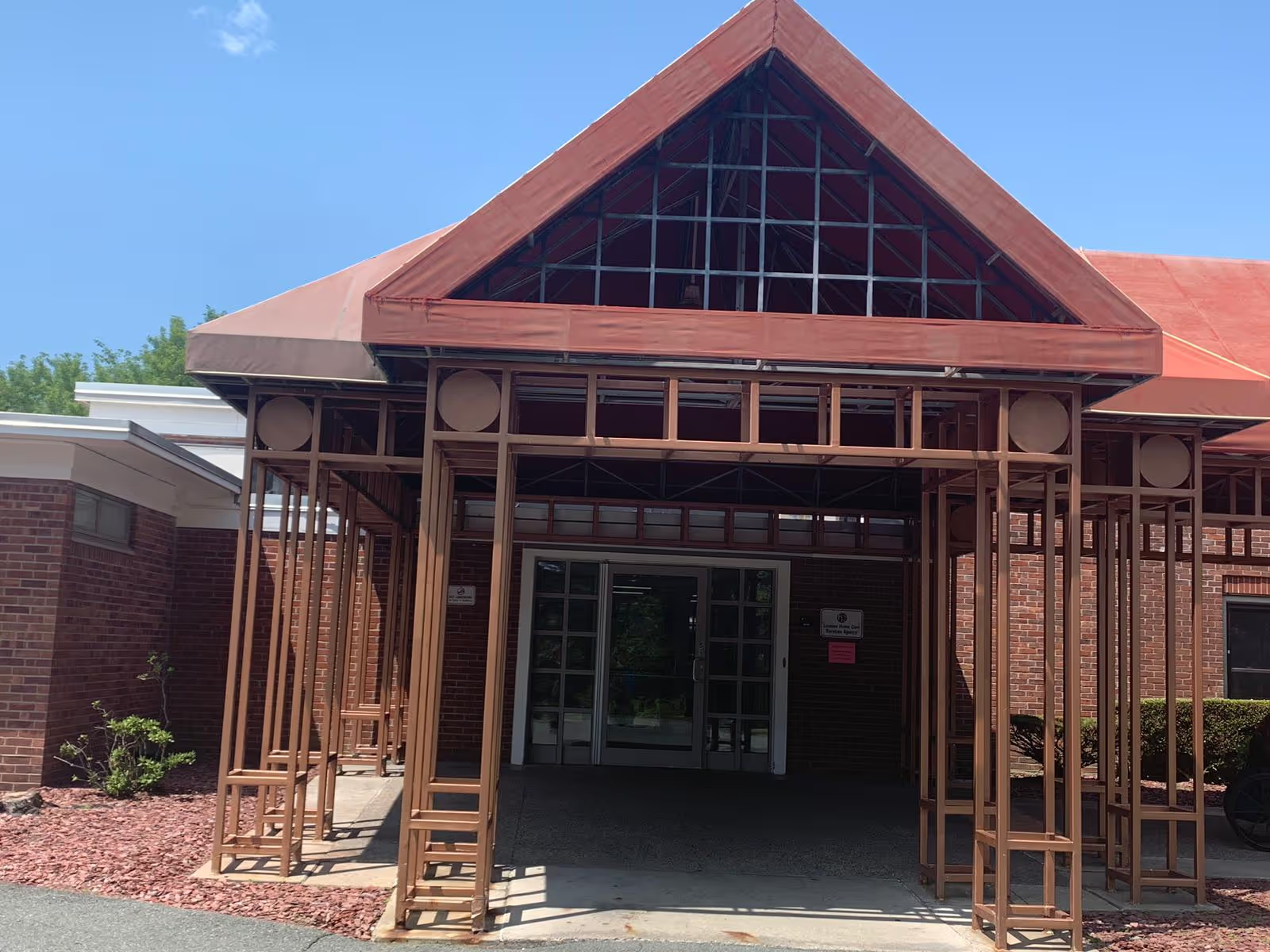
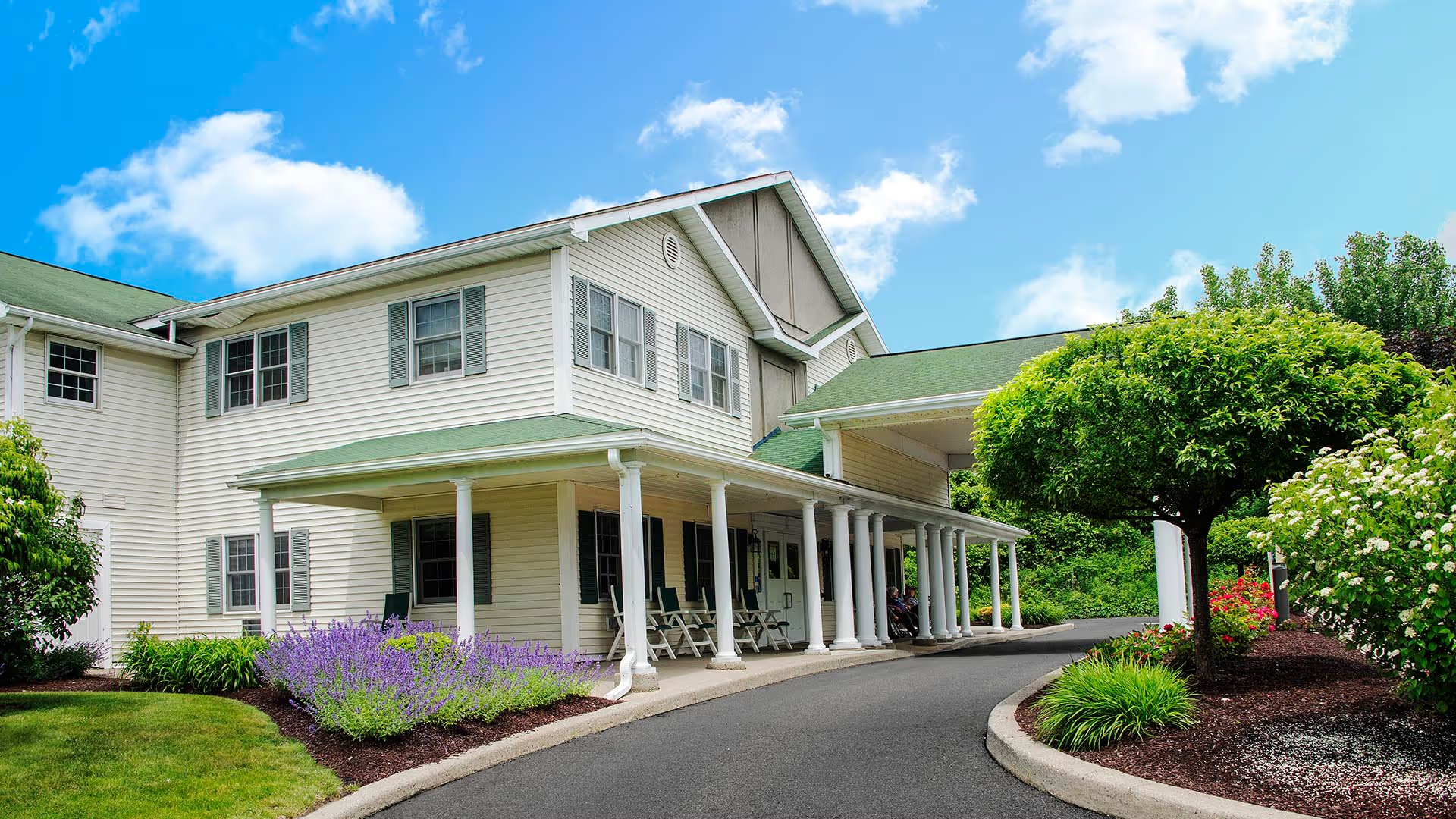
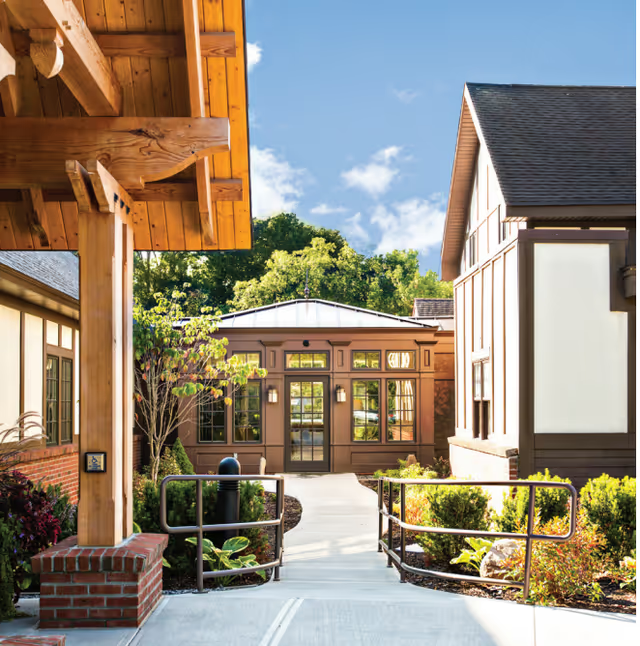
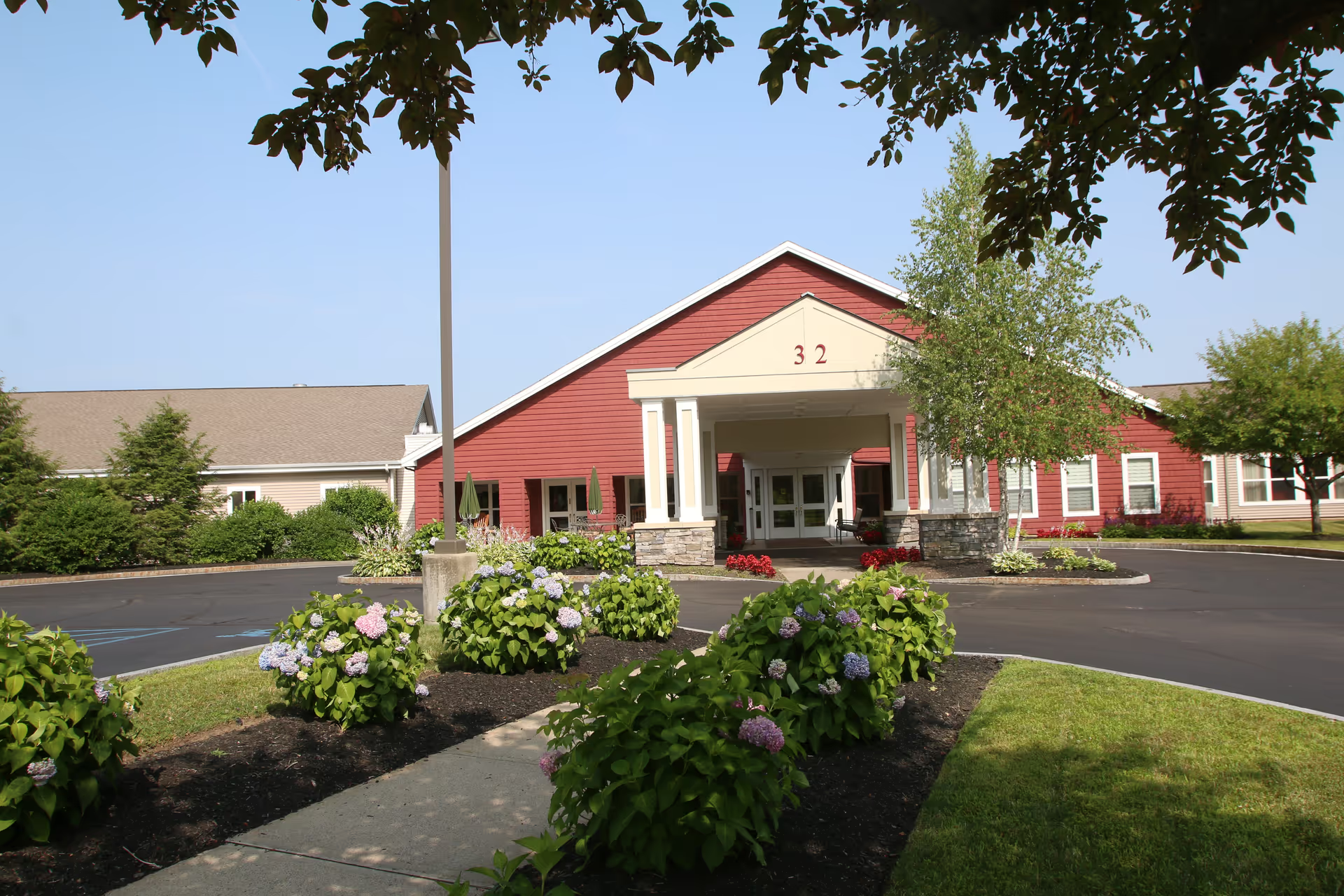
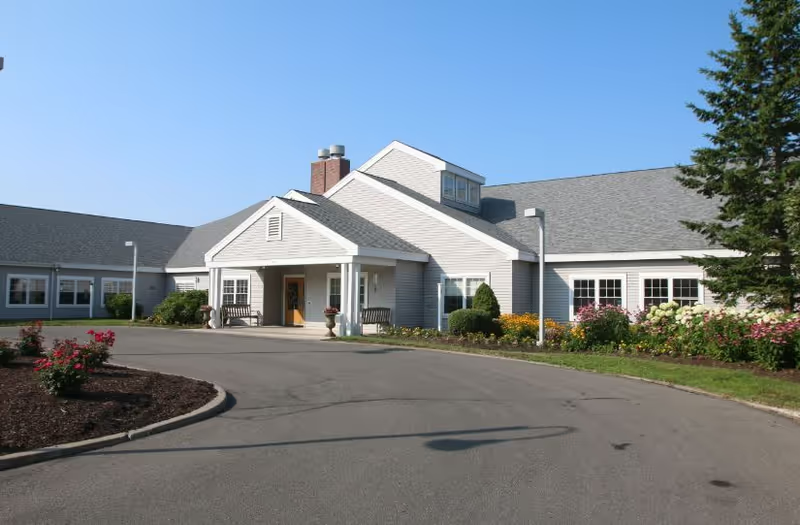
The reviews of Van Rensselaer Manor present a polarized picture: many accounts describe a clean, comfortable facility with compassionate caregivers and robust rehabilitation services, while other accounts raise operational concerns that could affect resident safety and daily quality of life. Strengths commonly noted include a welcoming, home-like atmosphere, attractive outdoor grounds and communal spaces, and a large, well-equipped PT/OT area. The facility also provides useful on-site services (dental, podiatry, hairdressing) and offers private and double-room configurations, oxygen-equipped rooms, and a visible security presence, which contribute to a sense of safety for many residents and families.
Care quality and staffing are presented as mixed. Numerous reviewers praise individual nurses, therapists, and aides for attentive, compassionate care and dedication—some wings and staff members are called out as exemplary. At the same time, there are consistent operational concerns: staffing levels appear inconsistent, with reports of high resident-to-staff ratios, slow responsiveness to call bells, and variable personal-care delivery (including delays in bathing and continence assistance). Rehabilitation and therapy services are frequently highlighted as a relative strength, with positive notes about outcomes and facility resources for PT/OT.
Staff behavior and management receive divergent impressions. While many families describe helpful, kind, and hardworking employees who make the facility feel like home, other accounts describe poor conduct, rude interactions, and a workplace culture that can tolerate unprofessional behavior. These differences often appear to be unit- or shift-specific rather than uniform across the building. Reviewers also note management and communication shortcomings—examples include perceived lack of supervisory follow-through, confusing or inaccurate public information, and uneven responsiveness to family concerns.
Dining and activities are similarly mixed. The dining room and communal meal spaces are described as attractive, and the facility runs regular exercise classes, birthday and holiday events, and occasional outings to plays or musicals. However, food quality is described as inconsistent, and scheduling practices—such as an early communal lunch gathering—have been disruptive for some residents. Families who value active social programming will find strengths here, but prospective residents should evaluate meal timing and menu options during a visit.
Facility maintenance, cleanliness, and infection-control practices receive both praise and criticism. Many reviewers call the facility spotless and well-maintained, but others describe sanitation issues and concerns about infection risk in certain units. This inconsistency suggests variable performance across wings and shifts rather than a single, uniform condition.
Notable patterns: long-term residents and families who have had extended stays often emphasize continuity of care and staff dedication, while other accounts reflect short-term negative experiences tied to specific shifts, units, or management lapses. Given this variability, prospective residents and families should arrange an in-person tour that includes observing a mealtime and a therapy session, asking for current staffing ratios by unit and shift, reviewing medication-administration and infection-control protocols, and discussing supervisory practices and complaint-resolution procedures. Such targeted questions can help clarify whether the facility’s strengths align with a particular resident’s care needs and expectations.