Overall impression: Reviews indicate a facility with a highly capable rehabilitation program but uneven performance in other areas of care. The physical-therapy and occupational-therapy teams are consistently described as skilled, compassionate, and effective at improving mobility and function during short stays. Many families and residents credited the rehab staff with measurable gains and described coordinated transportation and rehabilitation planning as strengths.
Care quality and clinical oversight: There is a clear divide between the rehabilitation services and broader nursing/subacute care. While some nursing staff and aides receive praise for kindness and attentiveness, multiple accounts describe inconsistent nursing quality across shifts, particularly overnight. Several reviews raise concerns about medication-management processes (including delayed transfers of medications and missed scheduled doses), inconsistent PRN administration, and limited physician/NP engagement or timely follow-up. These patterns suggest variability in clinical oversight and care coordination that can affect outcomes for residents with complex needs.
Staffing, conduct, and responsiveness: Staffing shortages for CNAs and direct-care aides are a recurrent operational weakness; caregivers were sometimes unavailable for routine needs, call lights went unanswered, and assistance during mealtimes and toileting was inconsistent. Some reviews also describe concerns about staff conduct and professionalism, including reports of on-duty smoking and lapses in respectful communication. Conversely, many reviewers praised individual aides, nurses, and rehabilitation staff for going above and beyond when available, indicating variability in staff performance rather than a uniform culture.
Dining and nutrition: Dining receives mixed but specific feedback. Many reviewers found meals acceptable and predictable, and rehab residents often appreciated the food. At the same time, there are operational issues such as inaccurate diet/menu transfers from hospital to facility, occasional shortages or interruptions in meal service, and instances where meal selections did not meet dietary needs. These point to gaps in meal-service continuity and diet coordination during transitions of care.
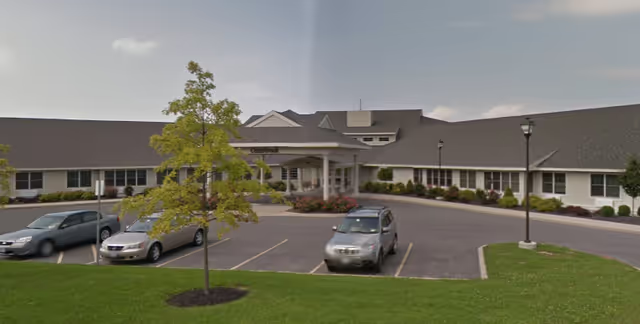
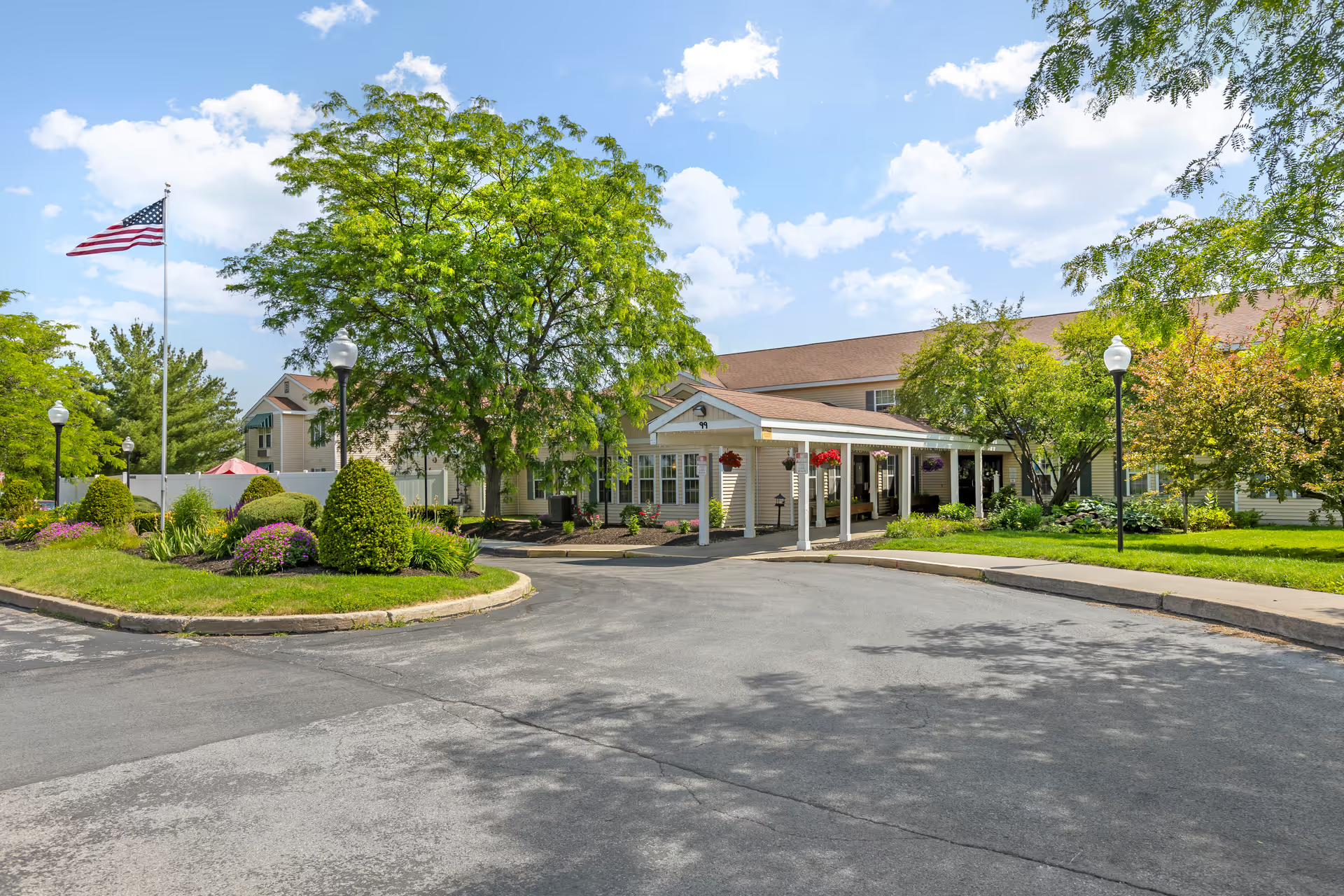
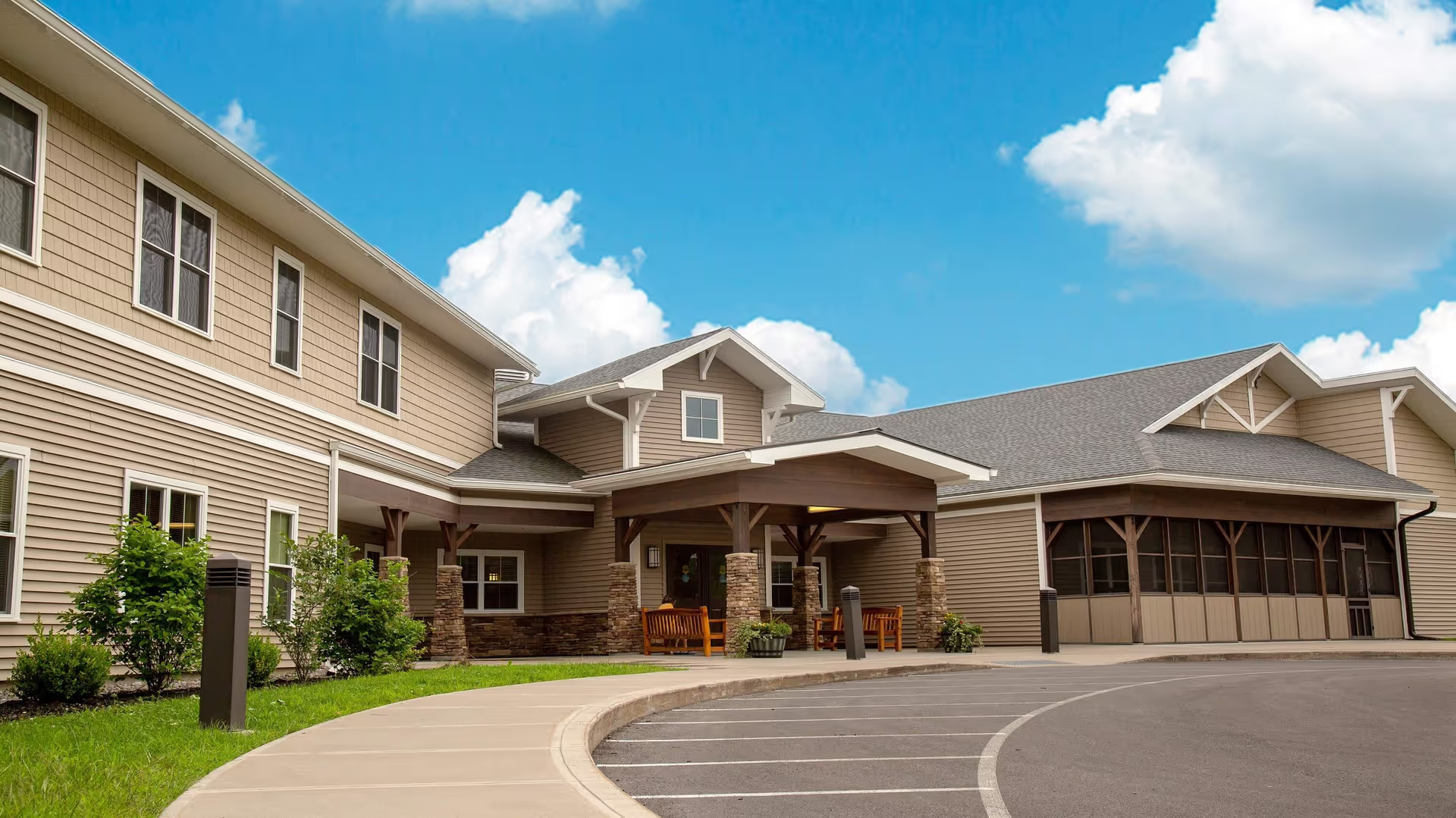
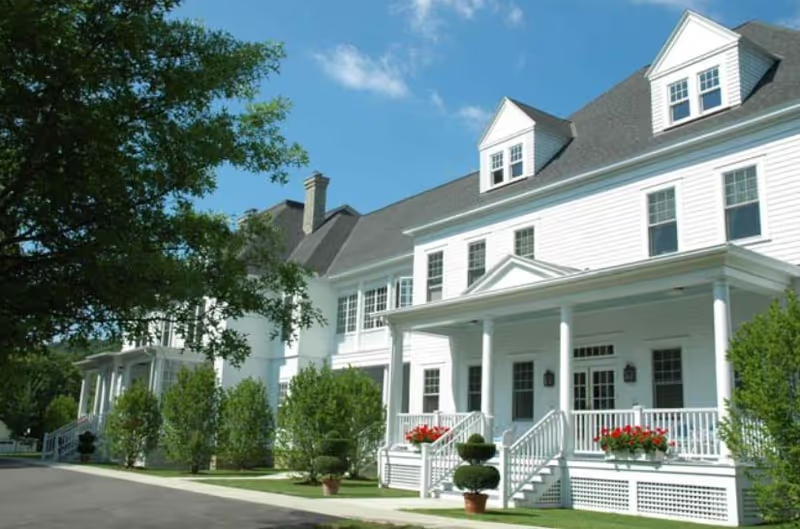
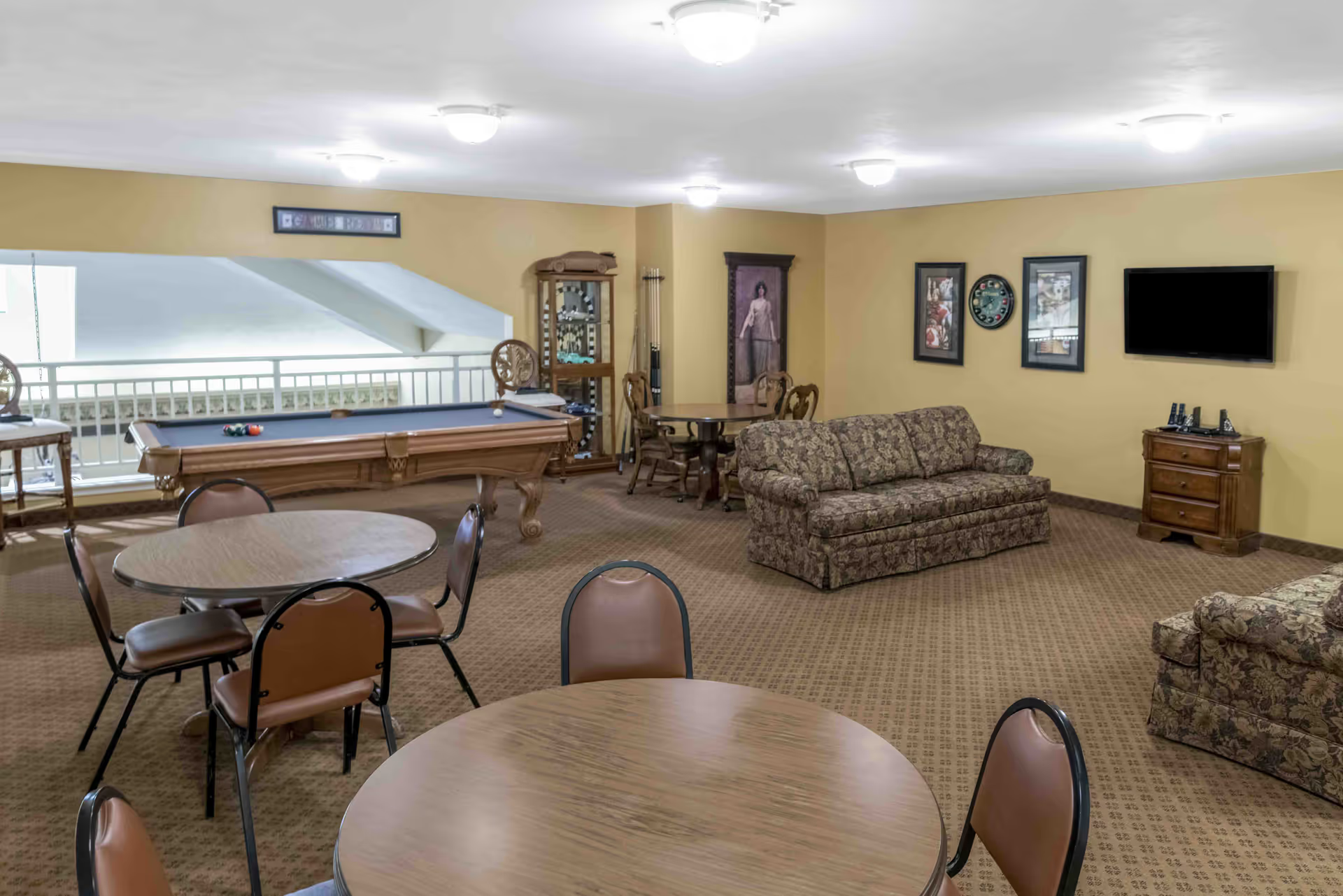
Facilities and amenities: The facility is frequently described as clean and comfortable in common areas, and sanitation staff were singled out for positive contributions. However, there are sanitation and odor concerns reported in select areas and inconsistent bathing/grooming care for some residents. Rehabilitation rooms were noted to lack some conveniences (phones, senior-friendly TVs) and there were occasional complaints about environmental comfort (notably cold air conditioning).
Management and communication: Several reviews highlight communication breakdowns between staff and family members, delayed family notification about clinical events, and documentation or care-plan inconsistencies during transitions from hospital to facility. Medication transfer delays and diet/menu mismatches also point to care-coordination gaps. Together, these suggest opportunities for management to strengthen clinical handoffs, staffing allocation, and family communication protocols.
Notable patterns and takeaways: The most consistent positive pattern is the high-quality rehab experience and effective therapists who produce measurable functional improvement. The most consistent concerns relate to uneven nursing coverage, staffing shortages for aides, medication and clinical oversight gaps, and intermittent sanitation and meal-service issues. Prospective residents and families seeking intensive short-term rehabilitation may find the facility’s therapy services strong; those needing steady, around-the-clock nursing and consistent personal-care support should inquire specifically about shift staffing, medication protocols, and recent quality-improvement actions the facility has taken to address the operational weaknesses described above.