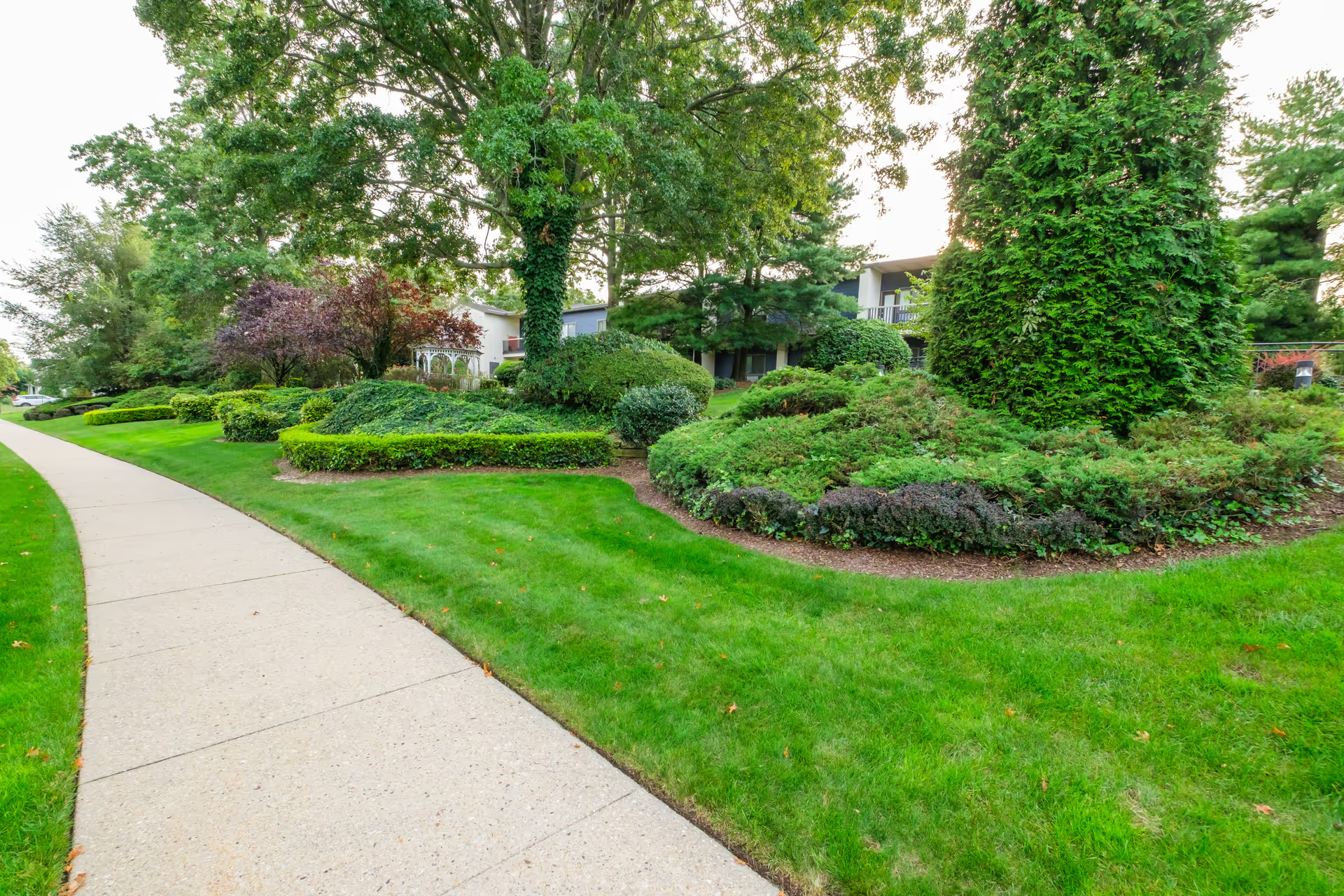
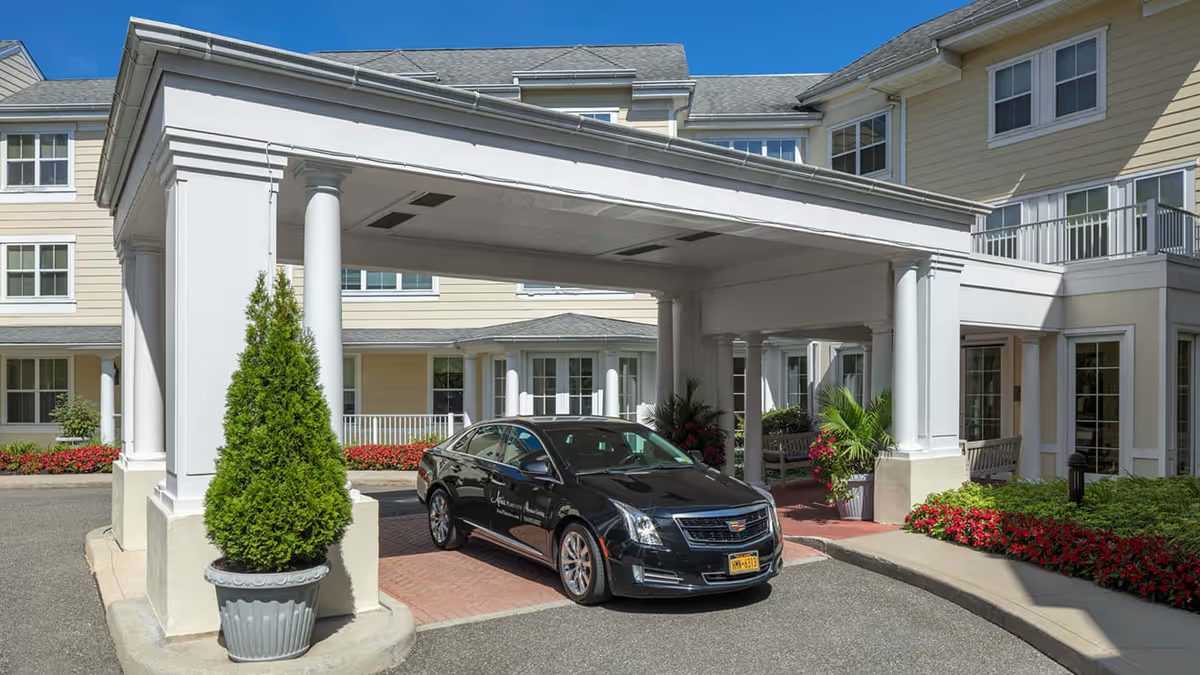
Amber Court of Westbury elicits strongly mixed impressions. Many families and visitors describe warm, attentive caregivers, an organized admissions experience, and an active social program. The community offers a number of tangible amenities — roomy, well-lit dining spaces, a pleasant outdoor courtyard and gardens, an on-site salon and recreational areas, and a memory-care unit — that contribute to an engaging daily life for residents. Several accounts highlight responsive leadership, knowledgeable tour guides, weekday on-site medical coverage, and ongoing facility upgrades that improve common areas and public spaces.
At the same time, a recurrent cluster of operational weaknesses appears across reviews. Cleanliness and sanitation are inconsistent: while common areas are often described as well-kept, some resident rooms and certain hallways or carpeting are reported as in need of more consistent housekeeping and maintenance. Reviewers also raised odor concerns in specific areas and noted pest-control issues in some units. Laundry management, including misplaced clothing and delayed returns, is another repeated operational shortcoming. These issues suggest variability in day-to-day environmental controls and housekeeping processes.
Staffing and care quality present a mixed picture. Numerous reviewers praise individual aides, nursing staff, and activity leaders for compassionate, hands-on care and strong programming; other reviewers describe staffing shortages, slow response times, inconsistent assistance with personal care needs, and variability in staff conduct. These patterns point to an operational strain — periods when staffing levels and training appear adequate and periods when coverage and timeliness fall short. Relatedly, some families reported delays or inconsistencies in meal delivery and menu execution, indicating opportunities to strengthen kitchen-to-resident service continuity.
Communication and administrative matters are another area of divergence. Positive reports cite proactive directors and helpful admissions staff; critical reports describe communication gaps with caseworkers, limited transparency in billing, and concerns about accountability when belongings are lost or clinical incidents occur. A small number of reviews raise serious individual concerns (missing items, billing disagreements, and clinical incident follow-up); these have been characterized here as allegations where appropriate and underscore the importance of verifying current practices during a visit.
For prospective residents and families, Amber Court appears to offer solid social programming, a home-like common environment, and practical amenities (memory care, Medicaid acceptance, on-site services). However, experiences vary sufficiently that a careful, in-person evaluation is advisable: inspect both common and resident-room cleanliness, ask about staffing ratios and recent turnover, review laundry and housekeeping schedules, clarify billing and what is included in room-and-board, and request details about clinical-incident reporting and pest-control measures. Balancing the facility’s clear strengths in activities and community life against the documented operational inconsistencies will help determine fit for an individual’s care needs.