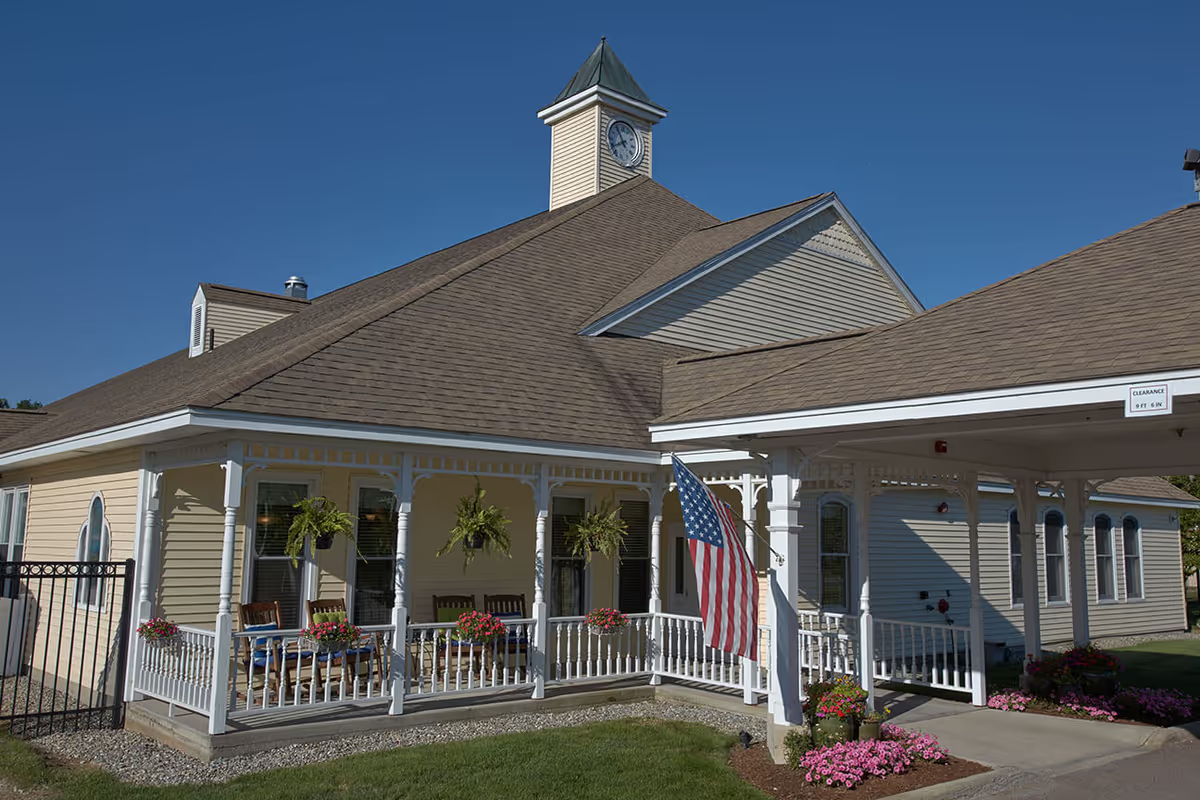
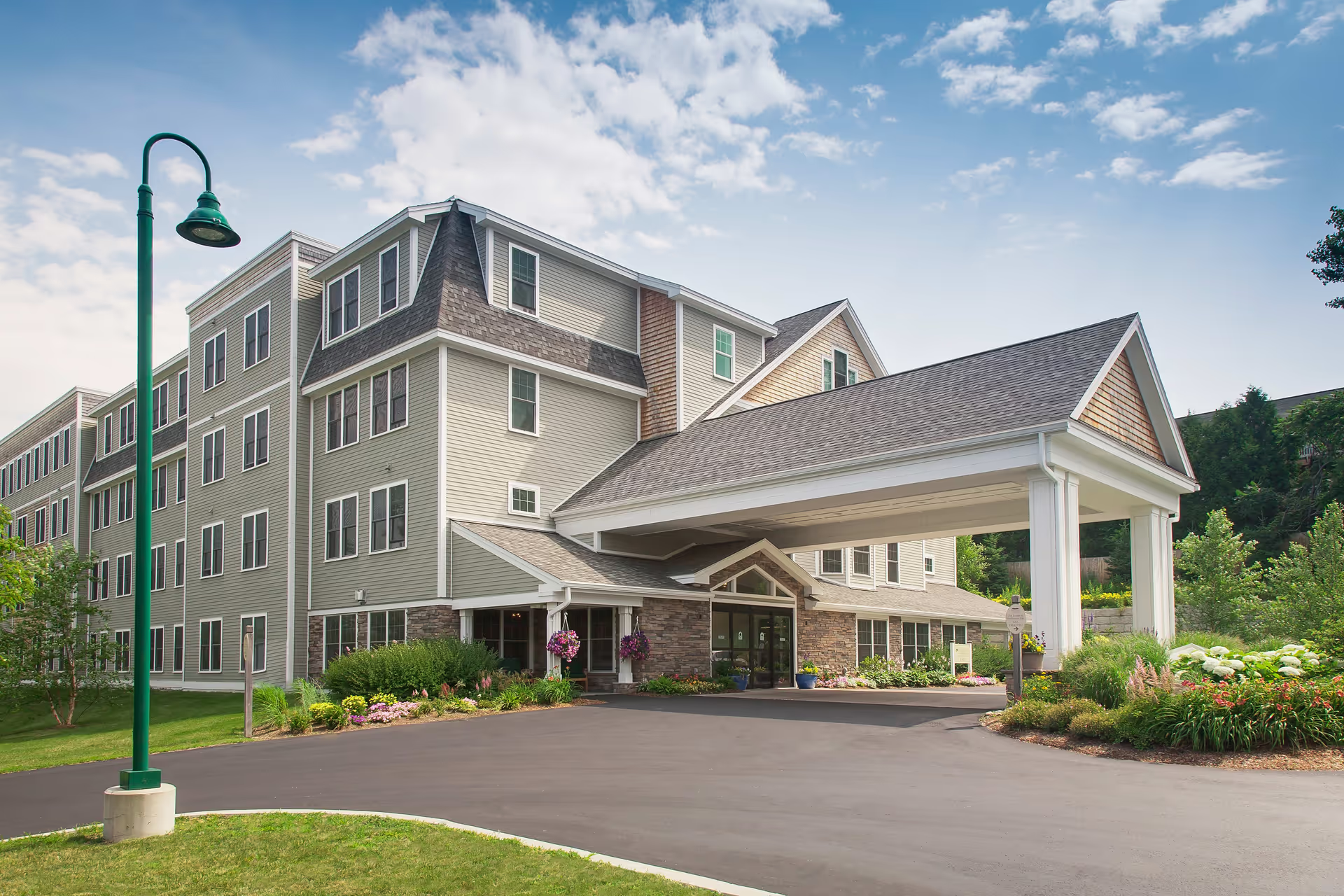
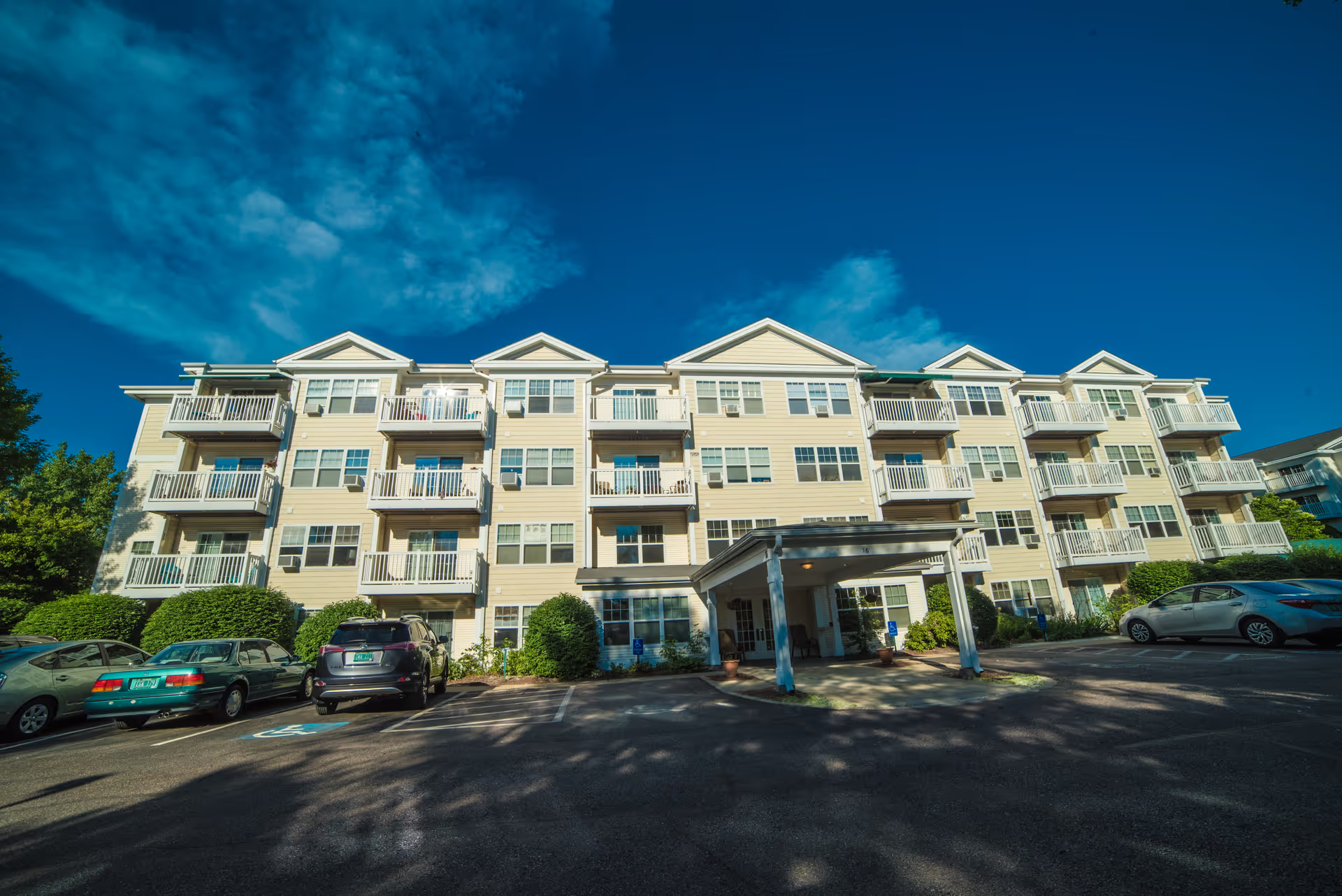
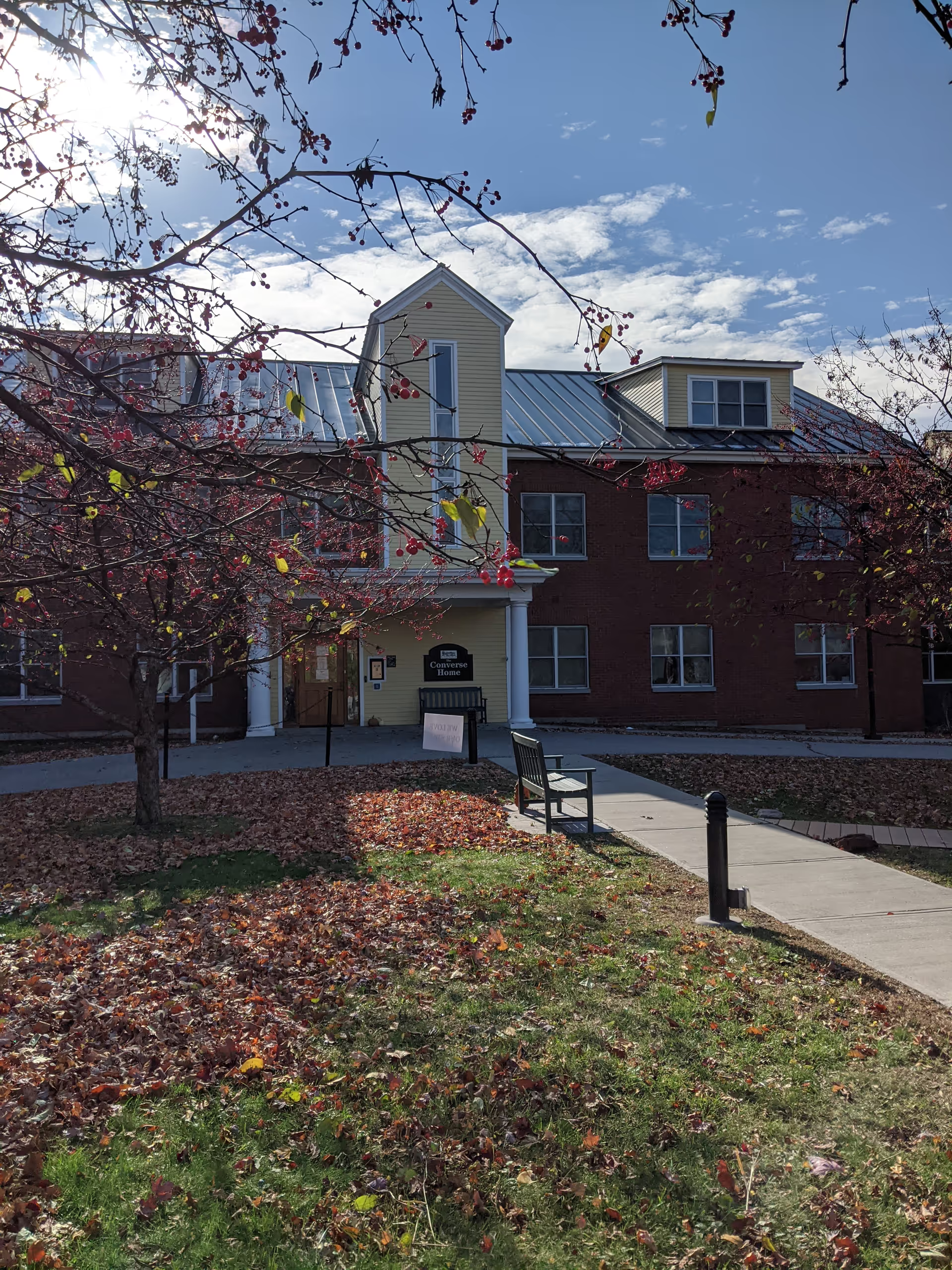
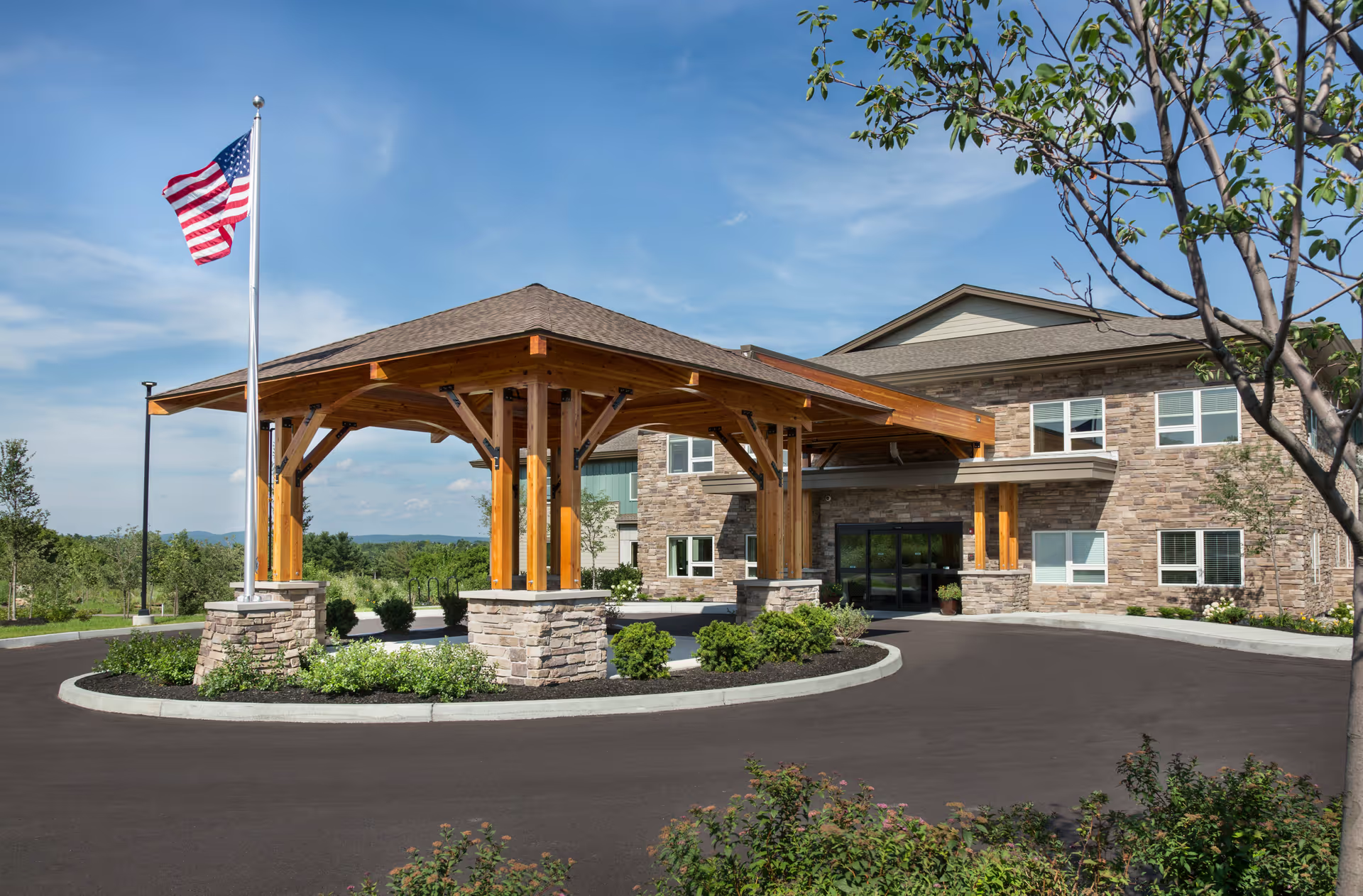
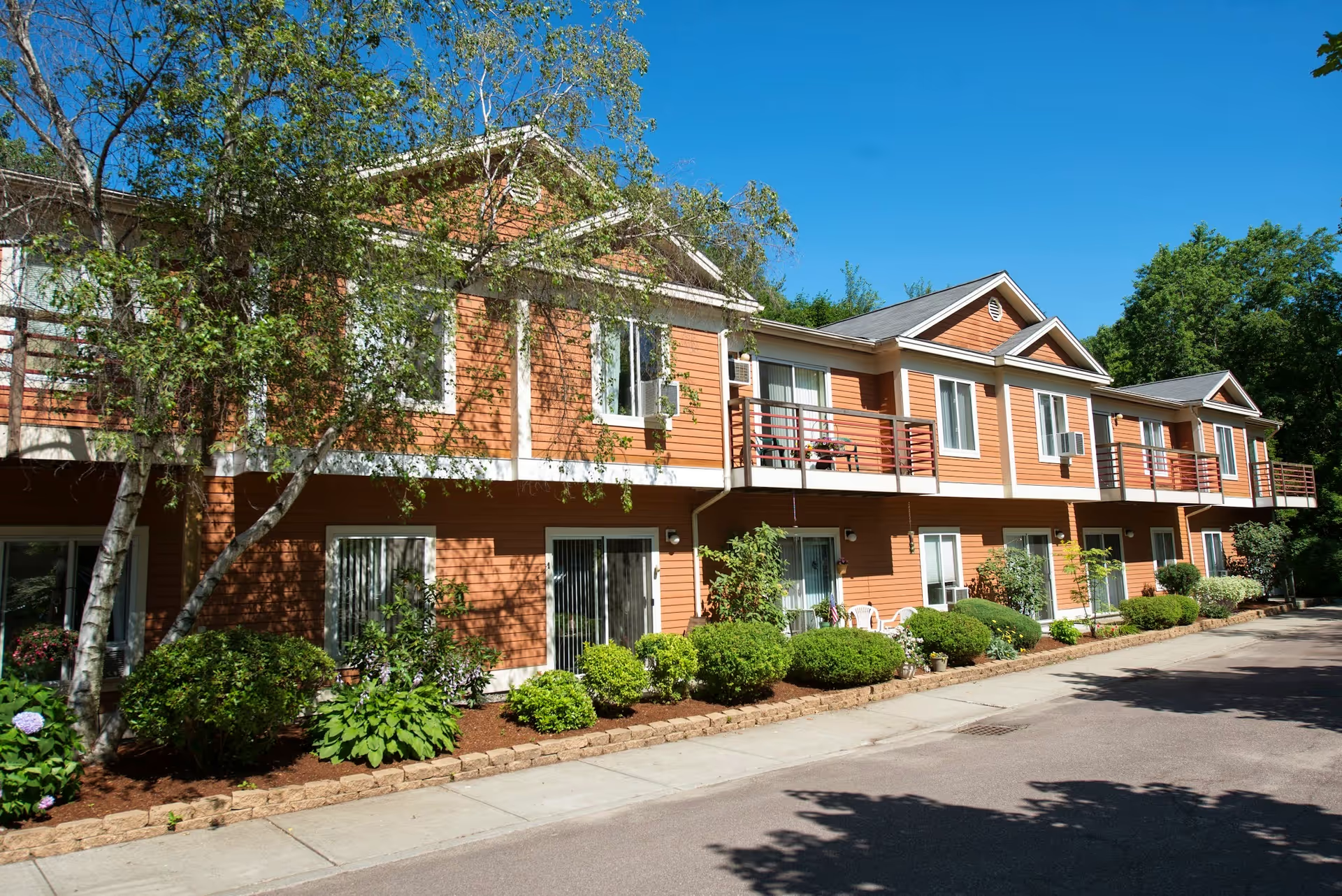
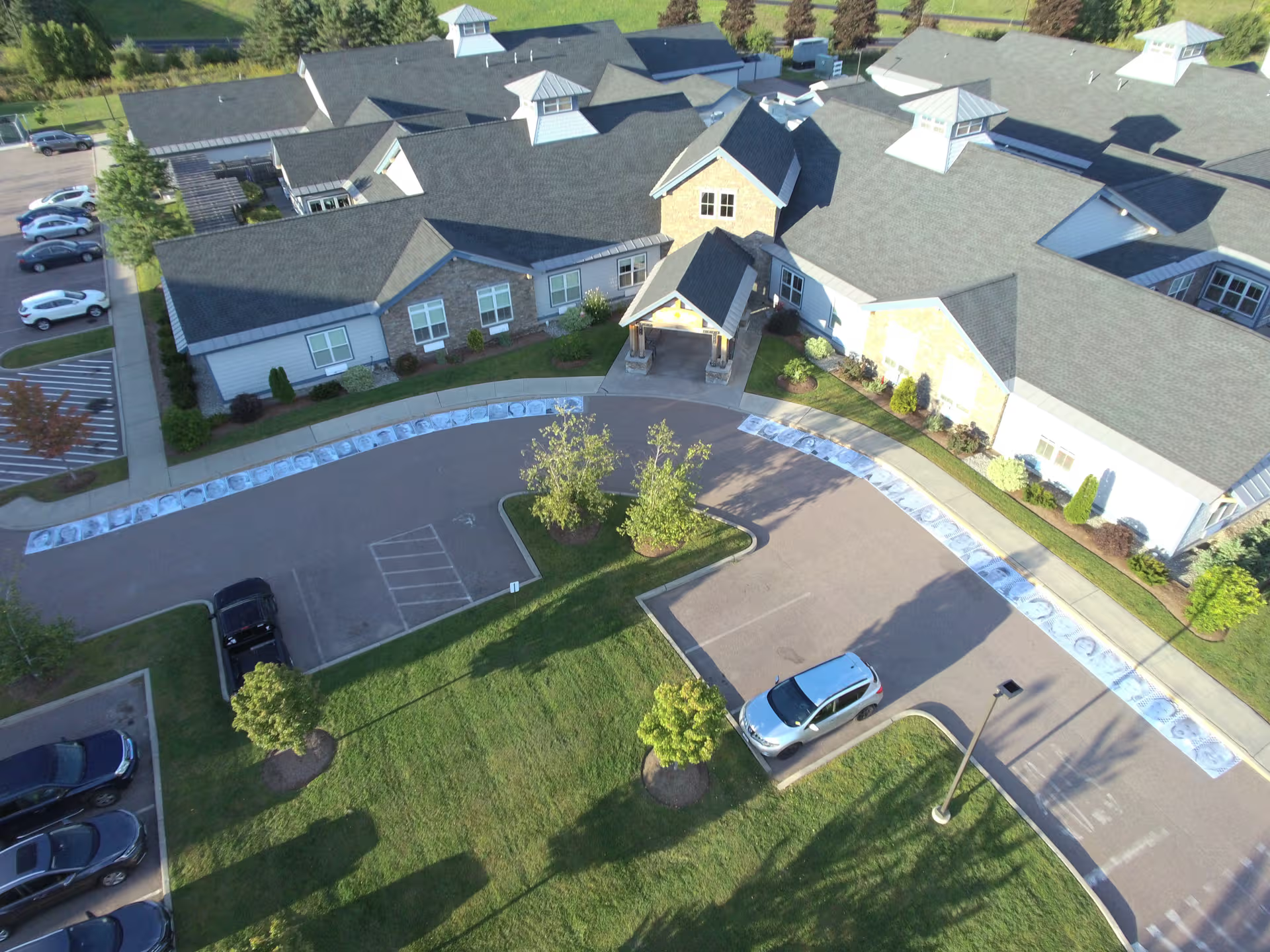
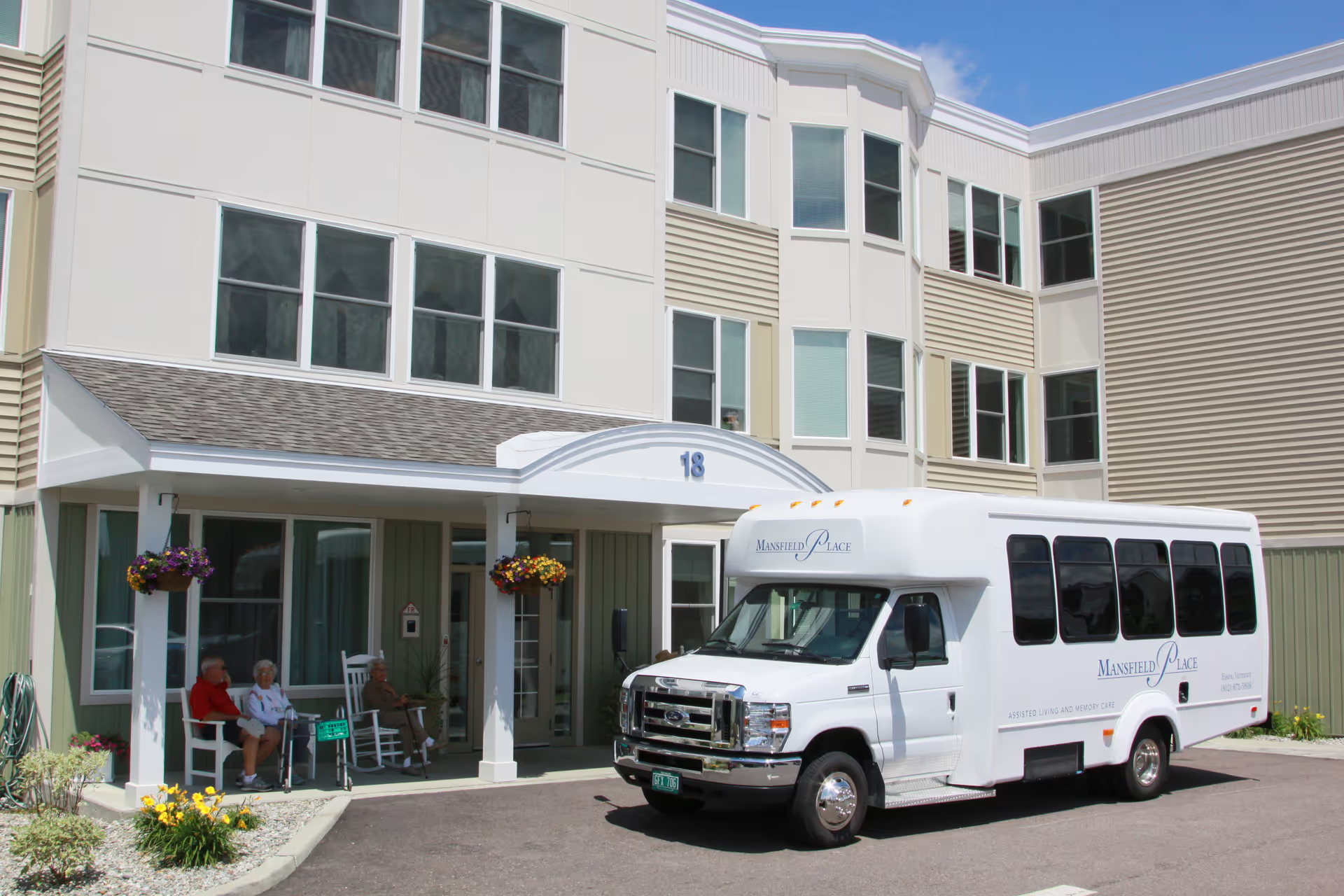
Champlain Valley Senior Community is frequently described as a recently renovated, well-kept campus with spacious, apartment-style rooms and a range of amenities that position it toward the higher end of regional options. Families commonly praise the clean appearance, scenic outdoor spaces (gazebo, gardens, river views), and a comfortable, home-like atmosphere. The building offers a variety of resident conveniences — salon, chapel, library, a noted on-site ice cream parlor, and multiple family dining/visiting areas — that contribute to social engagement and a hotel-like feel for some residents.
Care and staffing are central strengths for many families. Review summaries emphasize a compassionate, personable caregiving team, accessible case management, and proactive family communication. The community is noted for memory-care capability and for coordinated end-of-life services with hospice partners; several accounts highlight respectful, family-centered approaches during transitions and final-care periods. Medication administration and round-the-clock staff presence are cited positively in numerous summaries, and COVID-prevention measures and a COVID-free record are often mentioned as reassuring.
Dining and activity programming are consistently praised. Meals are described as restaurant-quality with regular special meals and treats; 24/7 dining access and frequent social food events (ice cream socials, holiday dinners) are recurring positives. Activity staff offer a broad mix of on-site and off-site options — live music, bingo, movie nights, shopping and seasonal outings, hikes and gardening — which families report as contributing to socialization and emotional well-being. The facility’s scale and program variety support individualized preferences and encourage community integration for many residents.
Despite many positive themes, the reviews also reveal recurring operational concerns. Staffing levels and workload variability appear to be an issue during some shifts, with indicators of overtime among support staff and occasional overwhelmed staff. That variability correlates with several operational weaknesses identified in the summaries: inconsistent resident-check frequency, gaps in supervision for residents at risk of wandering, and variability in personal hygiene and prosthetic-care support. There are also references that suggest opportunities to strengthen medication-administration oversight and to clarify accountability and management priorities so individualized care is consistently maintained.
In practice, the community presents a largely positive option for families seeking an attractive, activity-rich environment with strong memory-care and hospice integration. Prospective residents and families should validate operational details during a tour: ask about current staffing ratios by shift, elopement-prevention procedures, protocols for hygiene and prosthetic support, medication-administration policies and staff training, and turnover/backup staffing plans. Clarifying these operational items will help align expectations with the facility’s evident strengths in environment, programming, and family-centered end-of-life care.