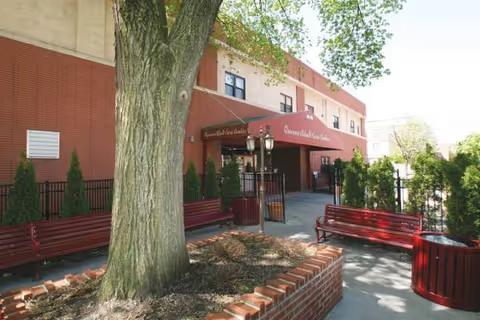
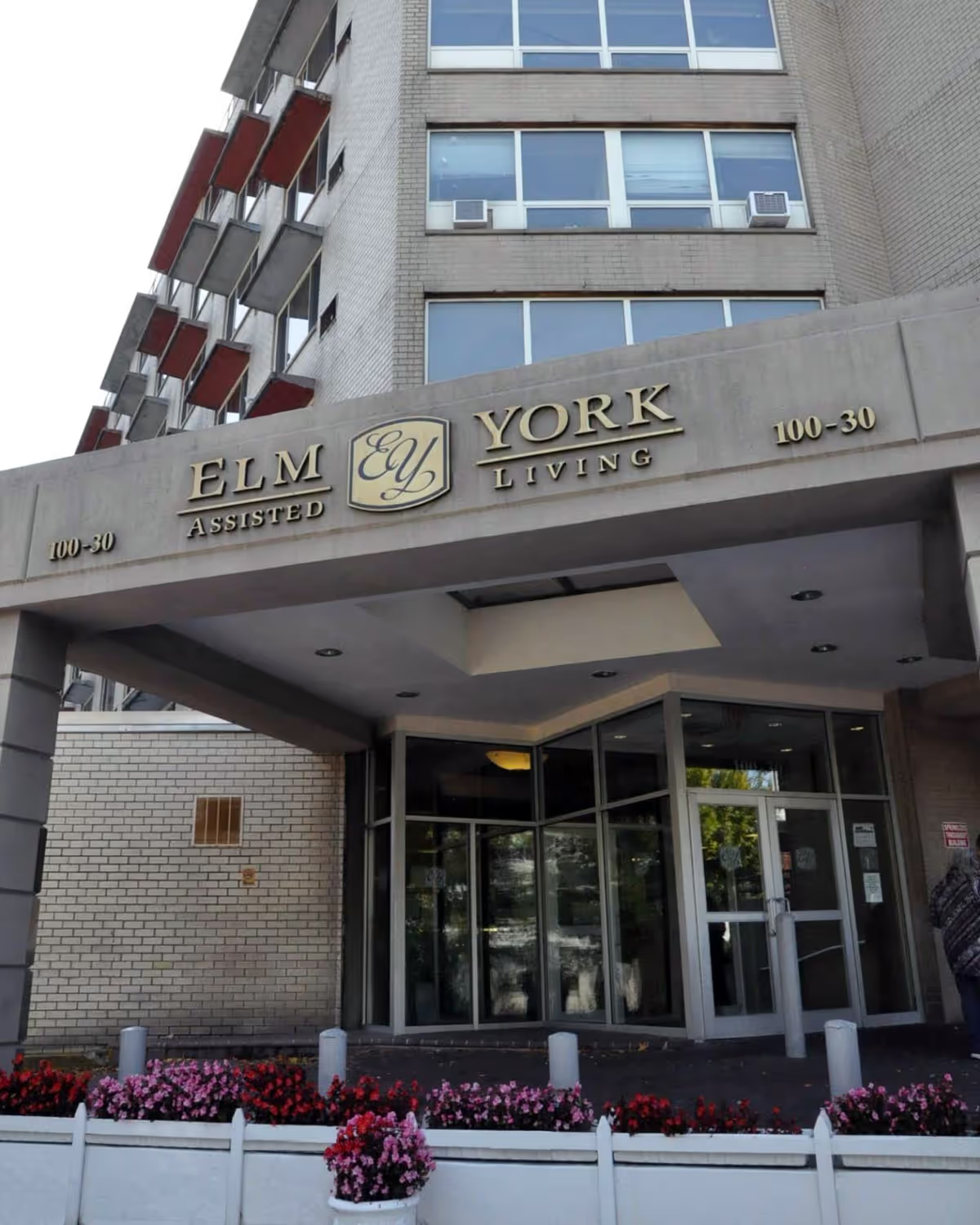
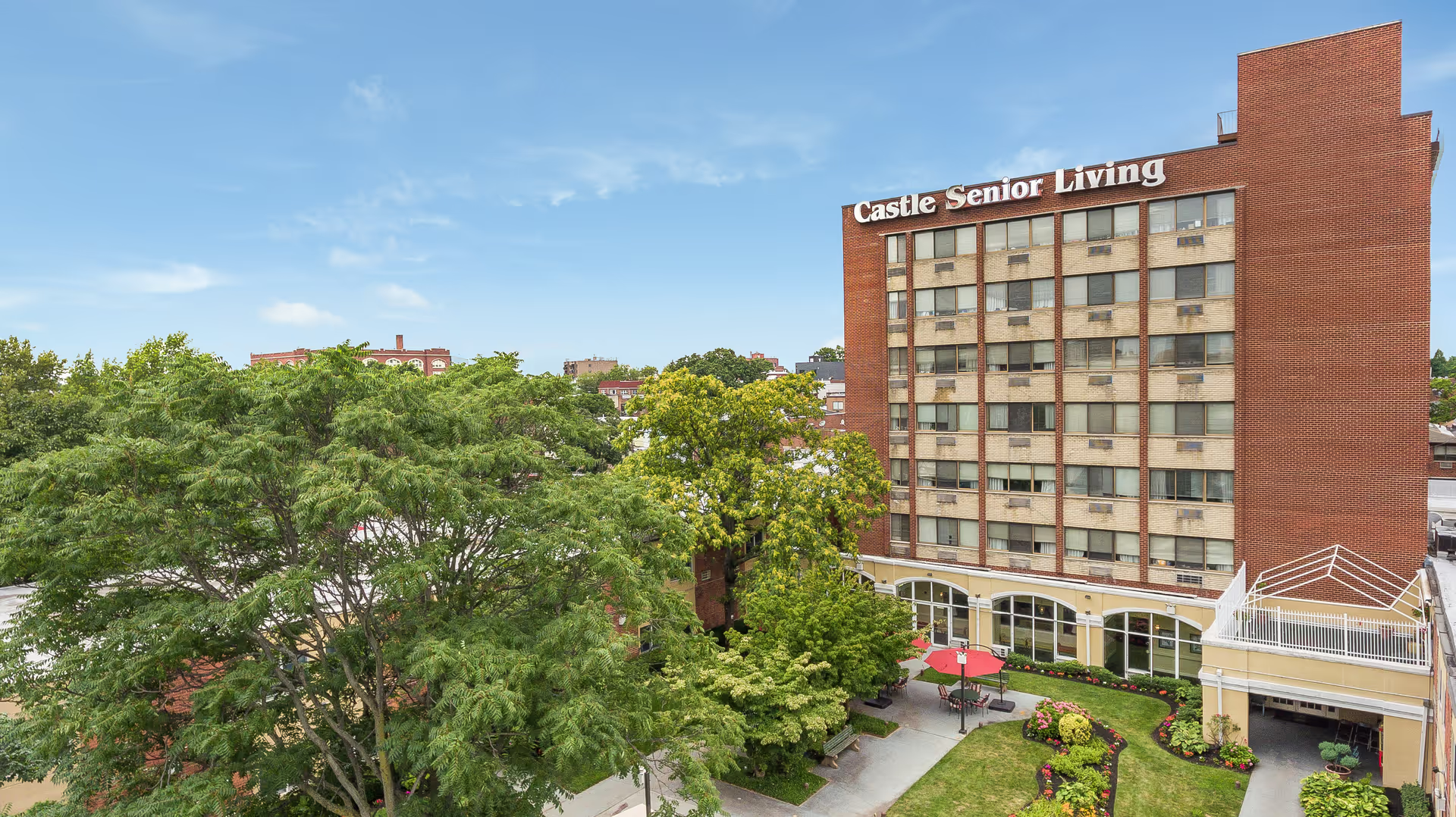
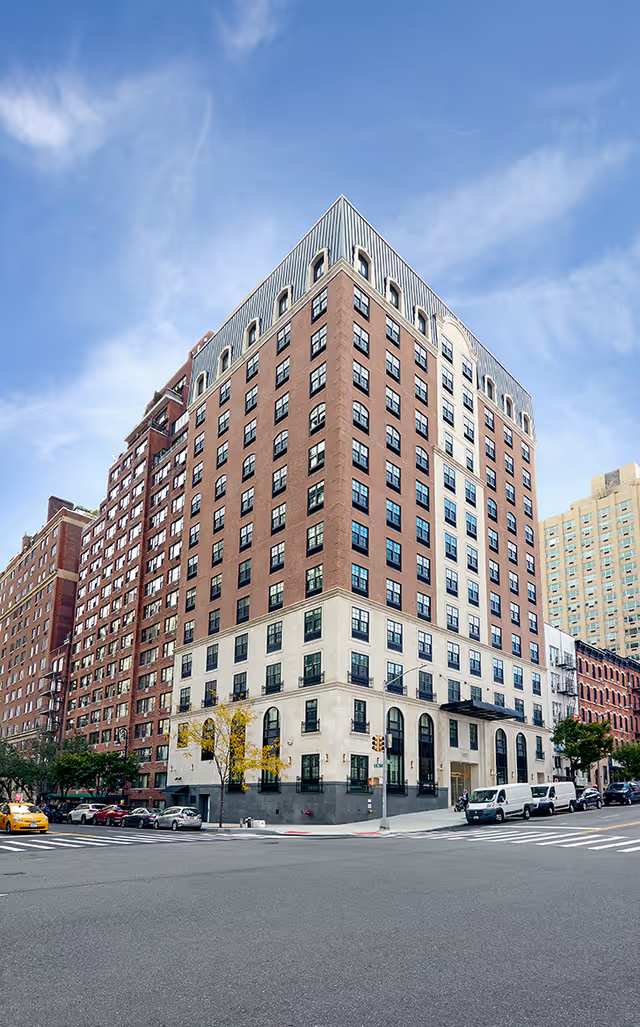
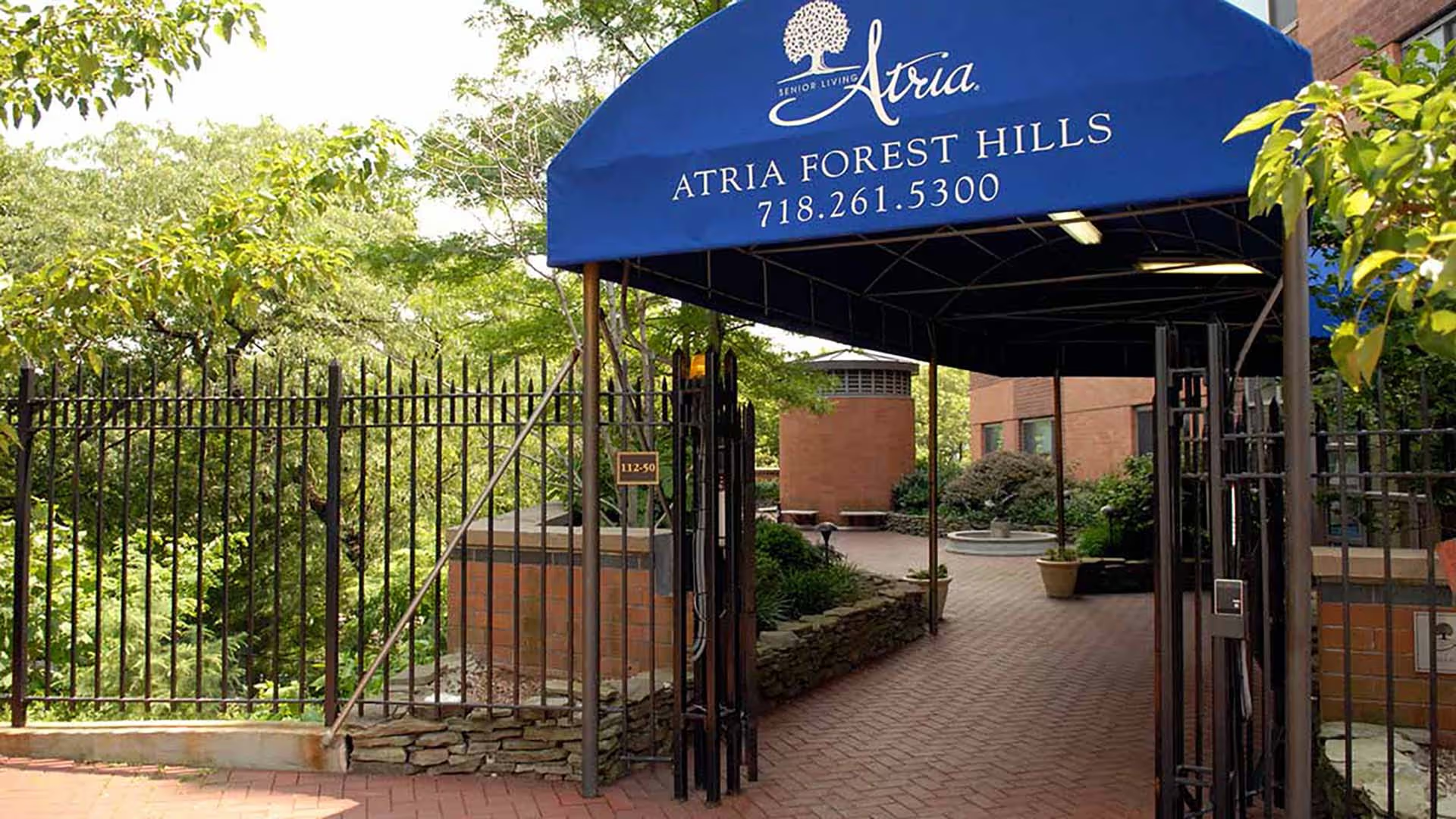
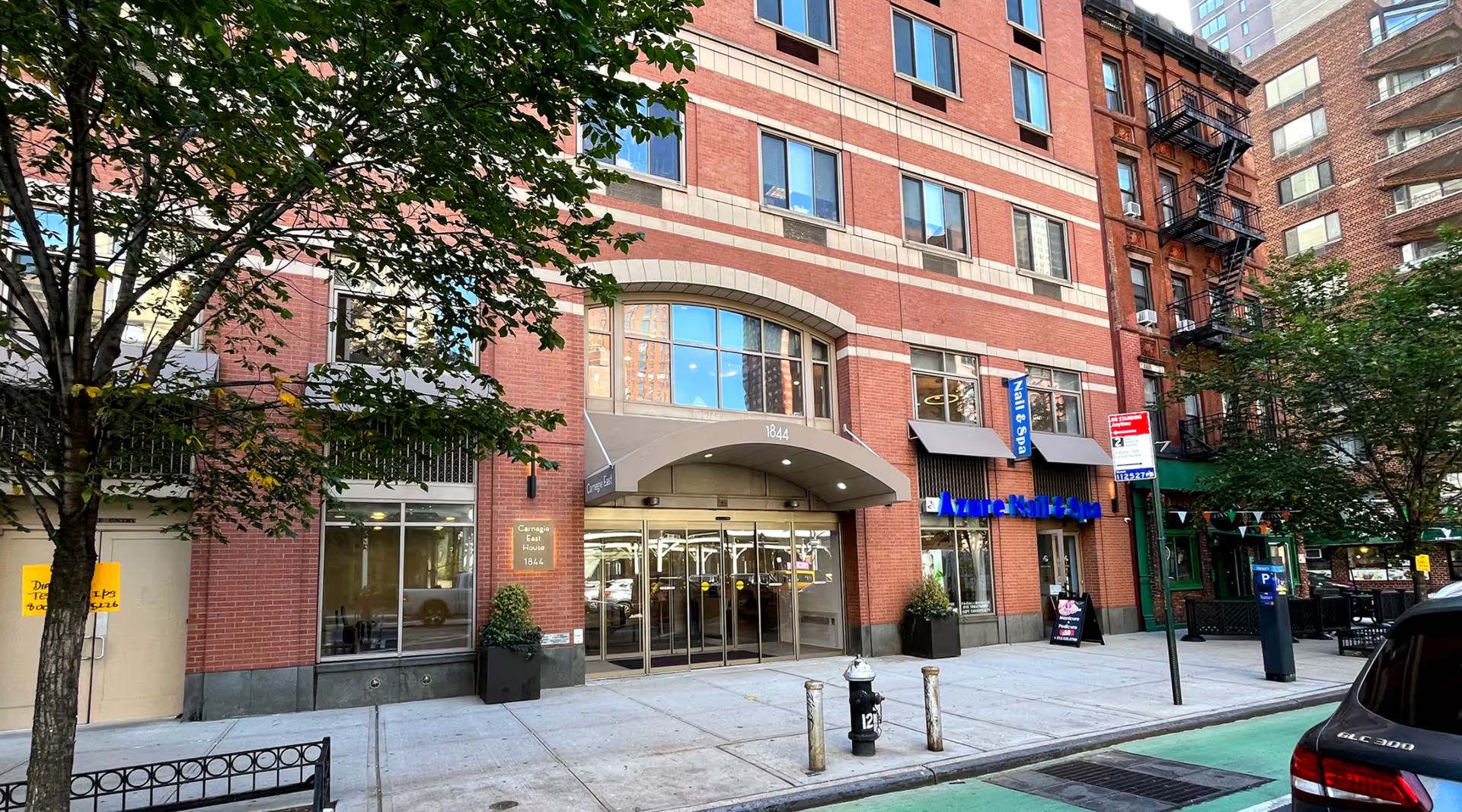
Reviews describe a facility with a mix of clear strengths and recurring operational weaknesses. Many accounts emphasize empathetic, effective frontline caregiving: nursing and therapy staff are frequently described as attentive and capable, with specific therapists and nurses named for providing firm-yet-gentle rehabilitation and helping residents regain function. Admissions personnel and certain fiscal staff are also singled out for being helpful and for providing clear billing explanations. The facility’s size, location near transit, bright rooms and corner studios, and an active, home-like atmosphere were positively noted; several reviewers described well-kept interiors, comfortable rooms with natural light, and a variety of communal activities that contribute to resident engagement.
Dining and activities are generally viewed favorably. Multiple reviews mention decent, varied meal options that accommodated different tastes, and an activities program that includes cards, bingo, religious services, and baking classes. These offerings appear to support socialization and daily structure for residents. Rehabilitation and recovery-oriented care is highlighted in several positive accounts, with staff praised for helping residents get back on their feet.
At the same time, a number of operational problems recur across reviews. Staffing consistency and responsiveness are common concerns: reviewers describe periods when call bells or requests are delayed and when nursing coverage feels limited. Several accounts raise sanitation concerns and inconsistencies in housekeeping and laundry handling, including damaged clothing or missed cleaning tasks. Communication gaps between clinical teams and families are also a repeated theme, including unclear administrative follow-up, difficulties with discharge coordination, and errors in device or item handling.
Administrative and fiscal processes appear uneven. While certain fiscal staff are praised for assistance, other reviewers describe long delays in benefit or payment processing and general confusion over administrative procedures. There are also indications of equipment and inventory control gaps and at least one instance of a problematic discharge or missing surgical item, suggesting opportunities to strengthen clinical coordination and inventory tracking. Concerns about medication management and the variability of staff conduct and professionalism round out the primary operational issues raised.
Taken together, the pattern is one of a facility that delivers meaningful clinical and social benefits for many residents but struggles with consistency in operations, communication, and staffing levels. Prospective residents and families would benefit from direct questions about staffing ratios and medication practices, verification of administrative/fiscal procedures, and an on-site review of room maintenance and activity schedules before admission. For families already involved, documenting communication preferences and establishing a point person in the facility may help mitigate some of the coordination and notification gaps described.