Sunrise of Crestwood elicits a broadly mixed but actionable portrait: many families and residents praise compassionate caregiving, strong nursing presence, and an attractive, well-maintained facility with numerous amenities, while others describe operational inconsistencies that affect clinical coordination, dining, and daily-life services.
Care and clinical services: Nursing and medical staff receive frequent positive notes for attentiveness and clinical competence, and the community offers 24/7 care and flexible levels of assistance that meet the needs of many assisted-living residents. At the same time, there are recurring concerns about the facility's ability to reliably support higher-acuity or advanced memory-care needs. A number of families described delays in incident response and uneven follow-through after clinical events; these accounts point to gaps in training, handoffs, or escalation protocols rather than a uniform absence of clinical skill.
Staff and management: Staff interactions are often described as warm, personable, and familiar, contributing to a home-like atmosphere for many residents. Admissions and tour personnel are consistently highlighted as knowledgeable and helpful. However, reviewers also describe uneven frontline staffing, a degree of turnover, and instances where less-experienced supervisors made significant care decisions without full family or clinical input. Communication breakdowns between departments and occasional perceived management indifference or lack of coordination are recurring themes, and billing clarity and fee handling have been identified as an operational area needing improvement.
Dining and nutrition: Dining impressions are variable. Several families and residents report high-quality meals, a personable chef, and the ability to accommodate dietary preferences, including individualized meals. Conversely, other accounts describe inconsistent food temperature, occasional poor meal preparation, small portions, and concerns about nutrition management (including supplement coordination and the expense/complexity of medication distribution). These mixed impressions suggest that dining quality may fluctuate by shift or kitchen staffing and that clinical-nutrition coordination could be strengthened.
Activities and social life: The community offers a broad calendar — bingo, karaoke, art classes, movie nights, live entertainment, day trips, and holiday events are commonly mentioned — and many residents experience meaningful engagement and socialization. That said, the vibrancy and frequency of activities appear to vary across time and units; some families found programming lively and well-suited to their loved one, while others perceived a decline or an overall lack of stimulating options for residents with higher needs.
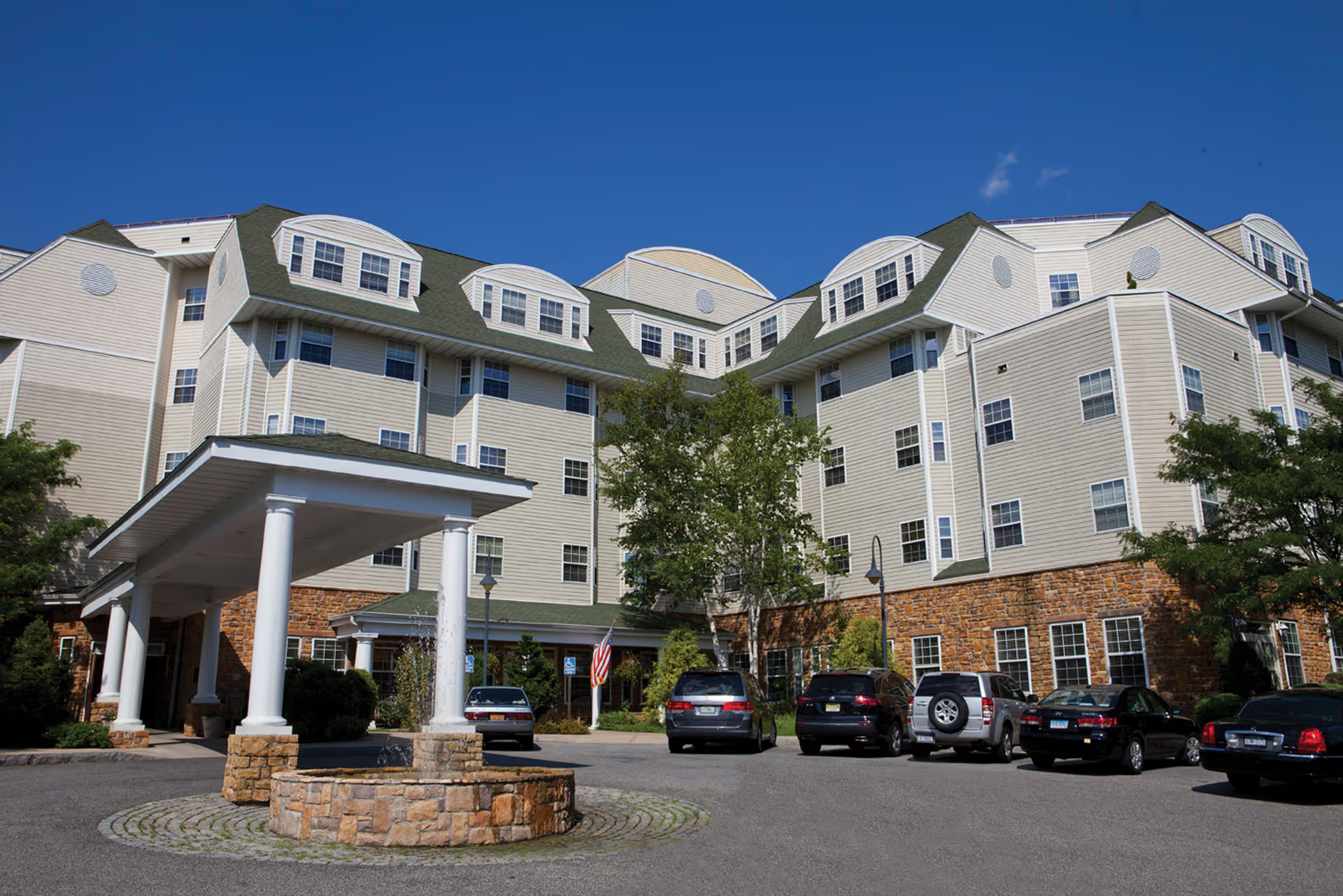
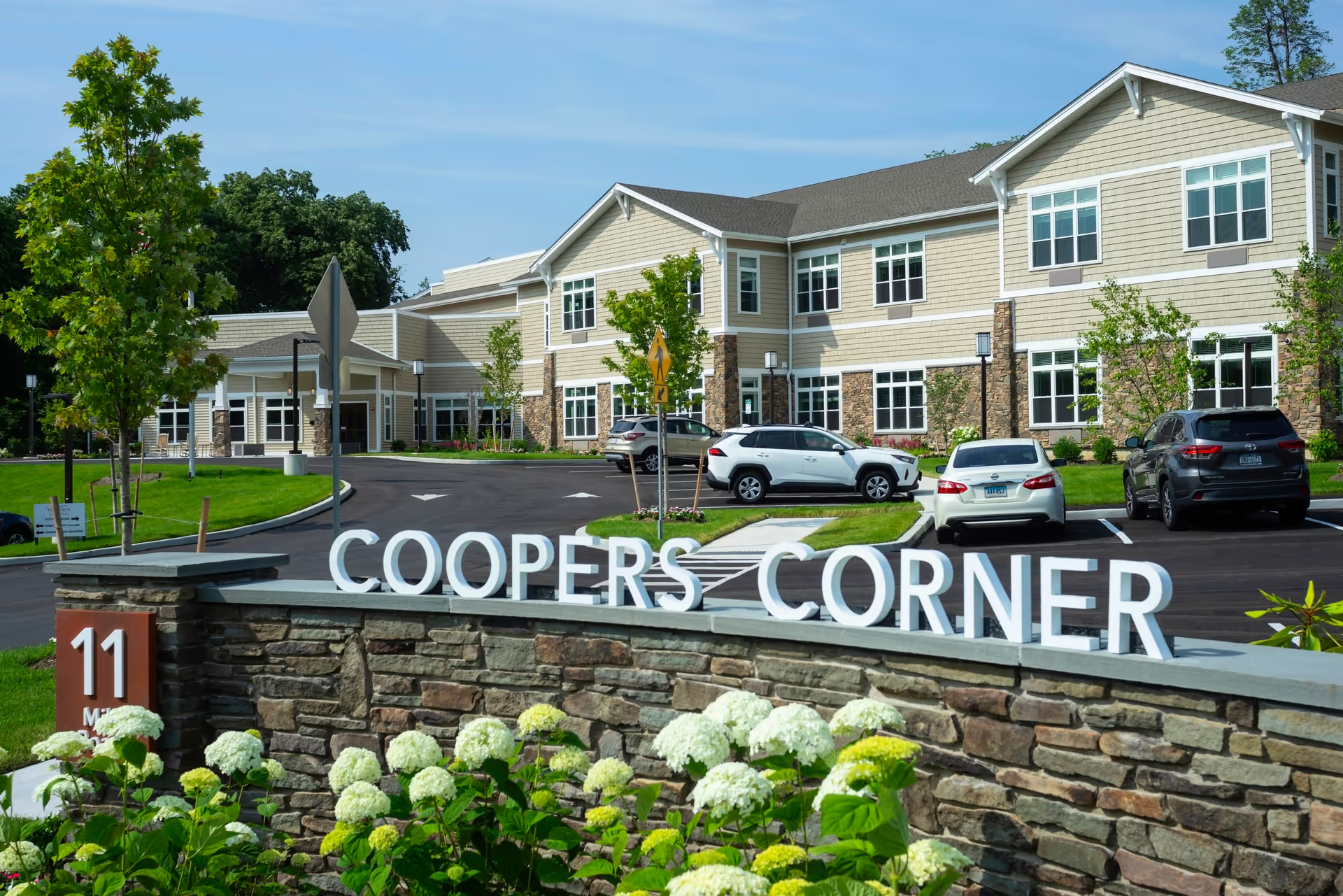
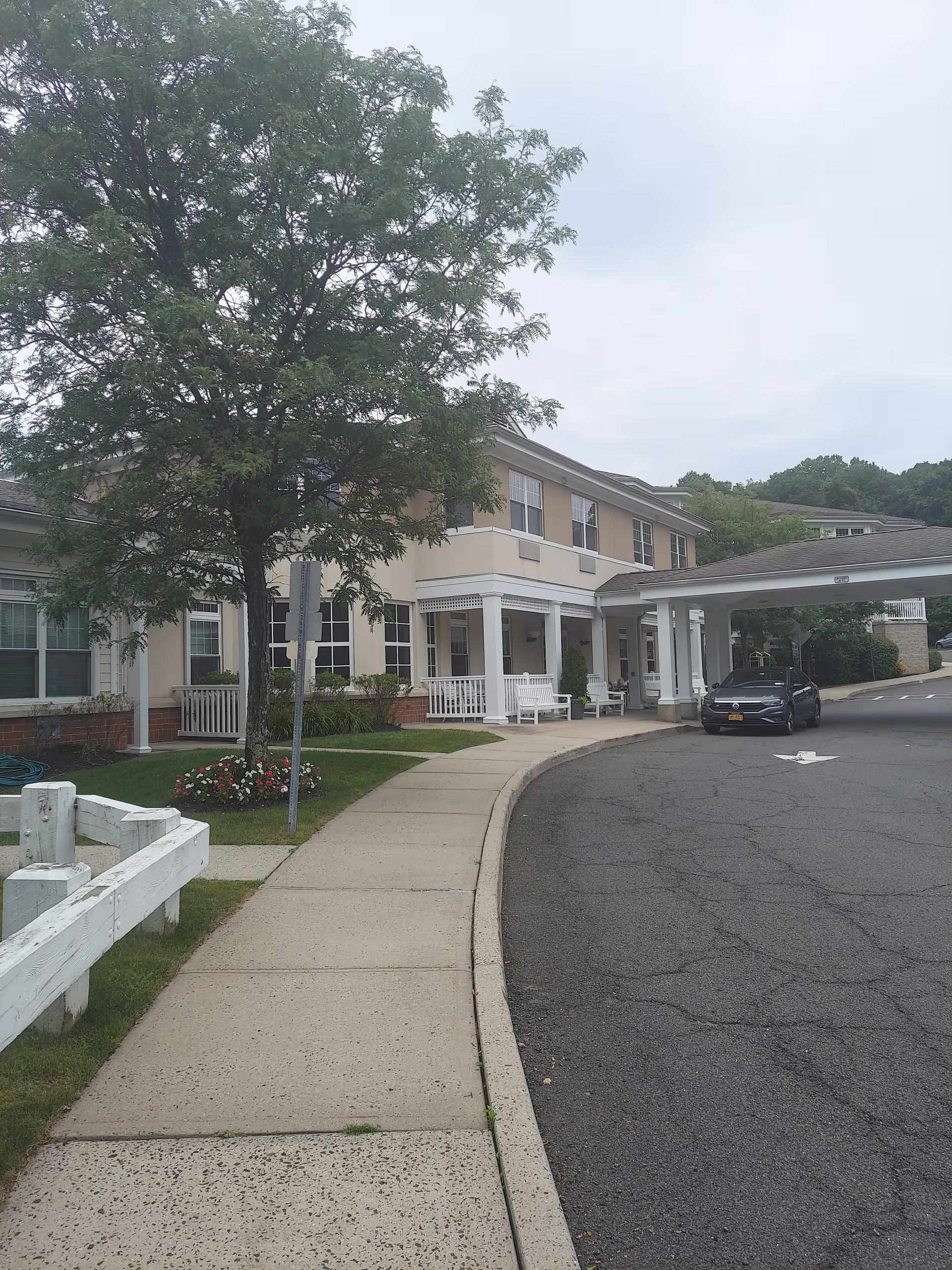
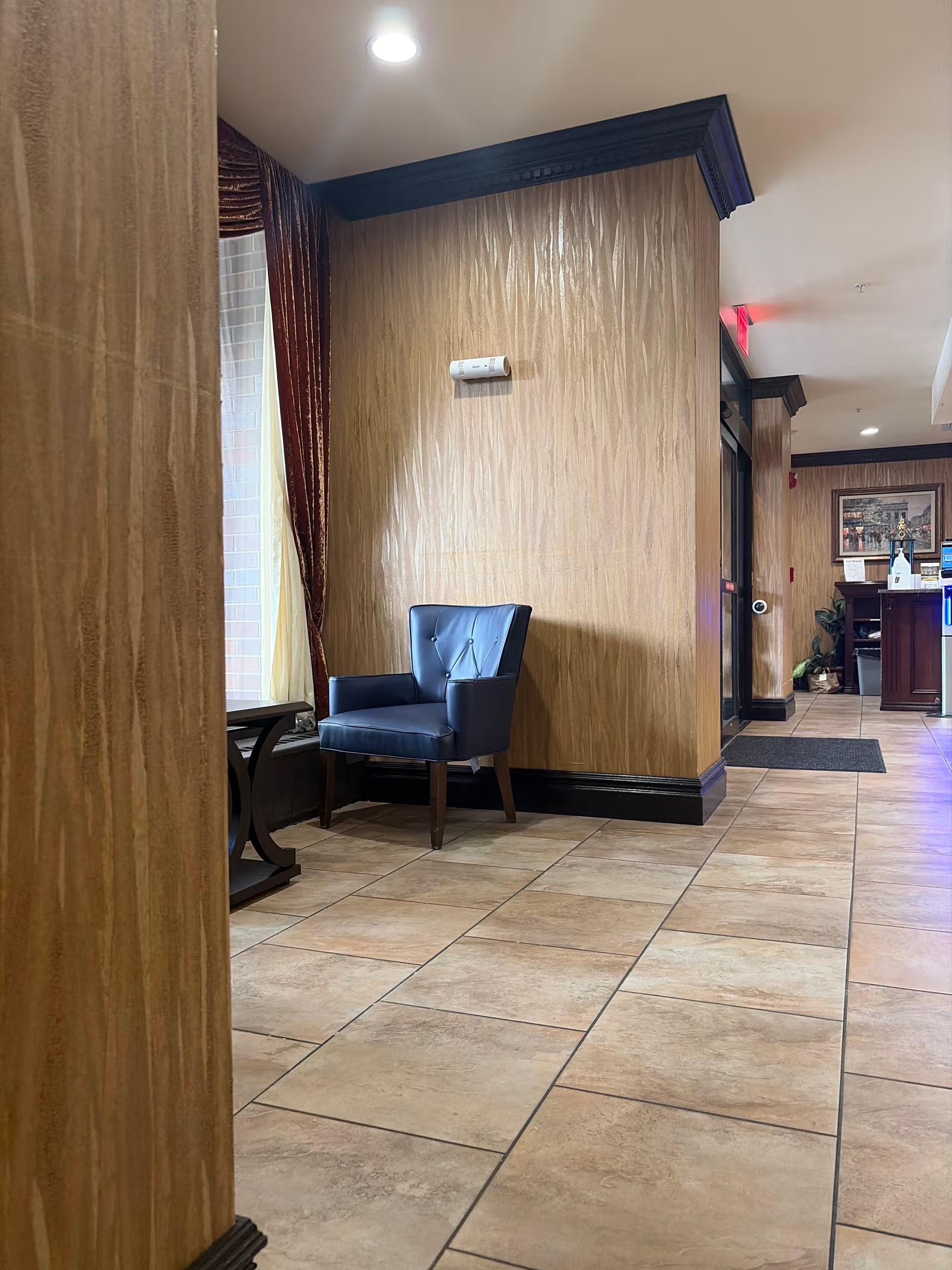
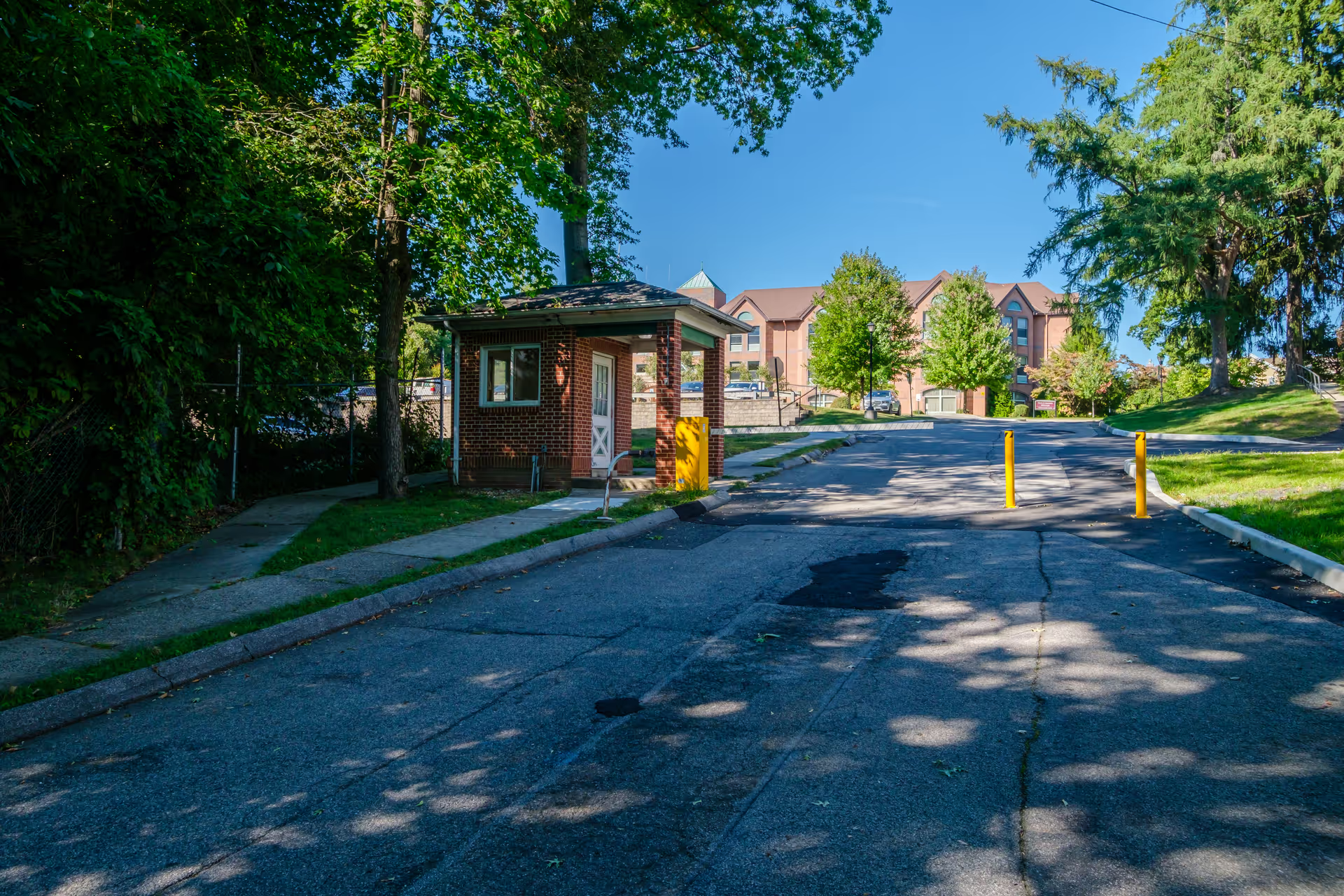
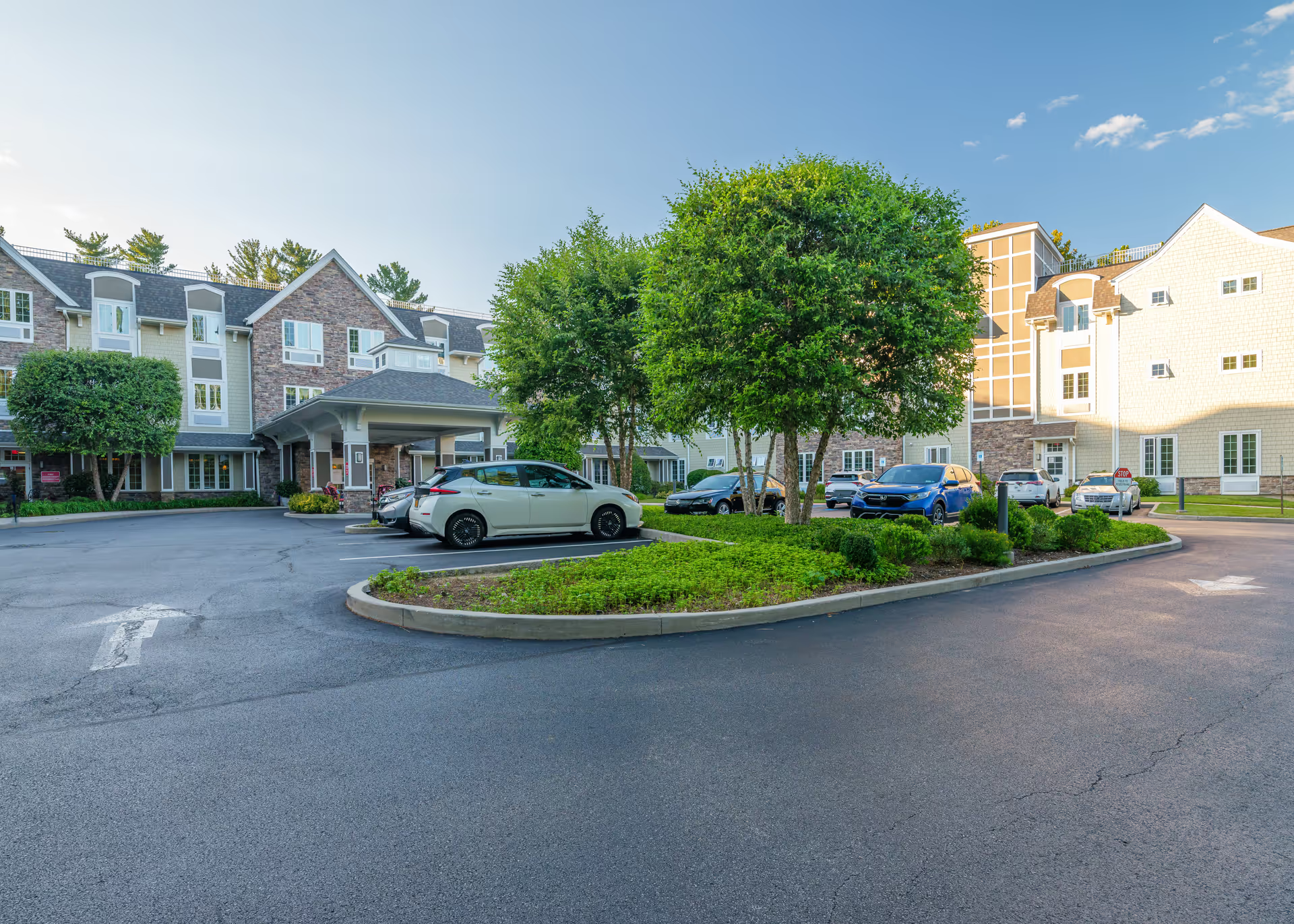
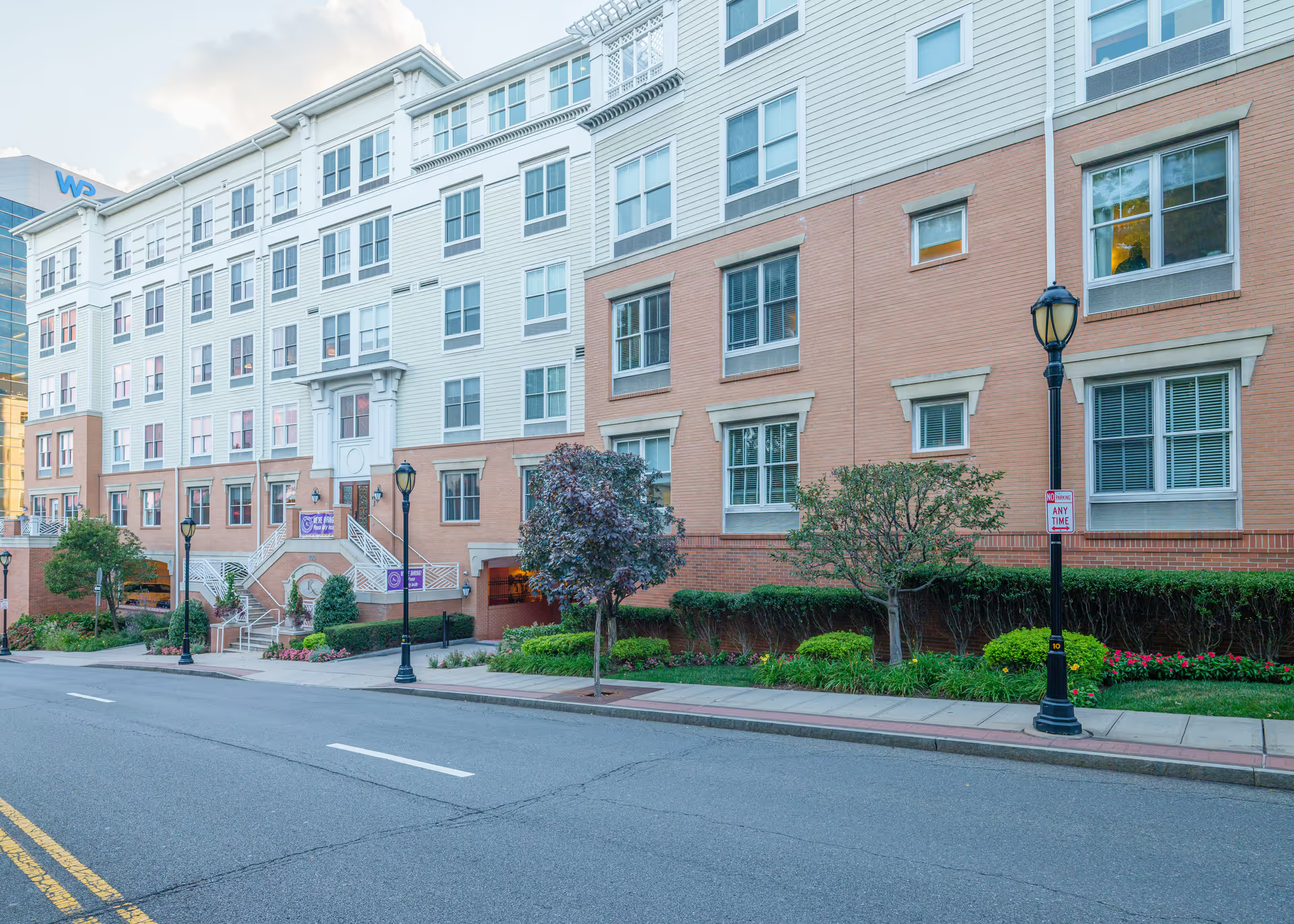
Facilities and operations: Physical spaces are widely praised: clean, recently renovated apartments; accessible bathrooms and walk-in showers in some units; multiple common areas such as a bistro, library, and art room; and attractive outdoor spaces. Housekeeping and maintenance are generally seen as strengths, though consistent attention to dusting, sink/room cleaning, and vacuuming practices was called out as an area for improvement in certain units. Room sizes and layouts vary, with both small and large units available.
Notable patterns and decision points: Experiences are polarized — many families find peace of mind, excellent social programming, and strong nurse-level care; others encountered operational gaps that materially affected quality of life or clinical outcomes. Prospective residents and families should tour multiple unit types, ask specifically about staff continuity, on-site rehabilitation services, incident-response protocols, and billing practices, and clarify the facility's approach to residents with advancing medical or cognitive needs. Where medical complexity is present, confirm availability of regular on-site therapy, interdisciplinary care meetings, and explicit escalation pathways before committing.