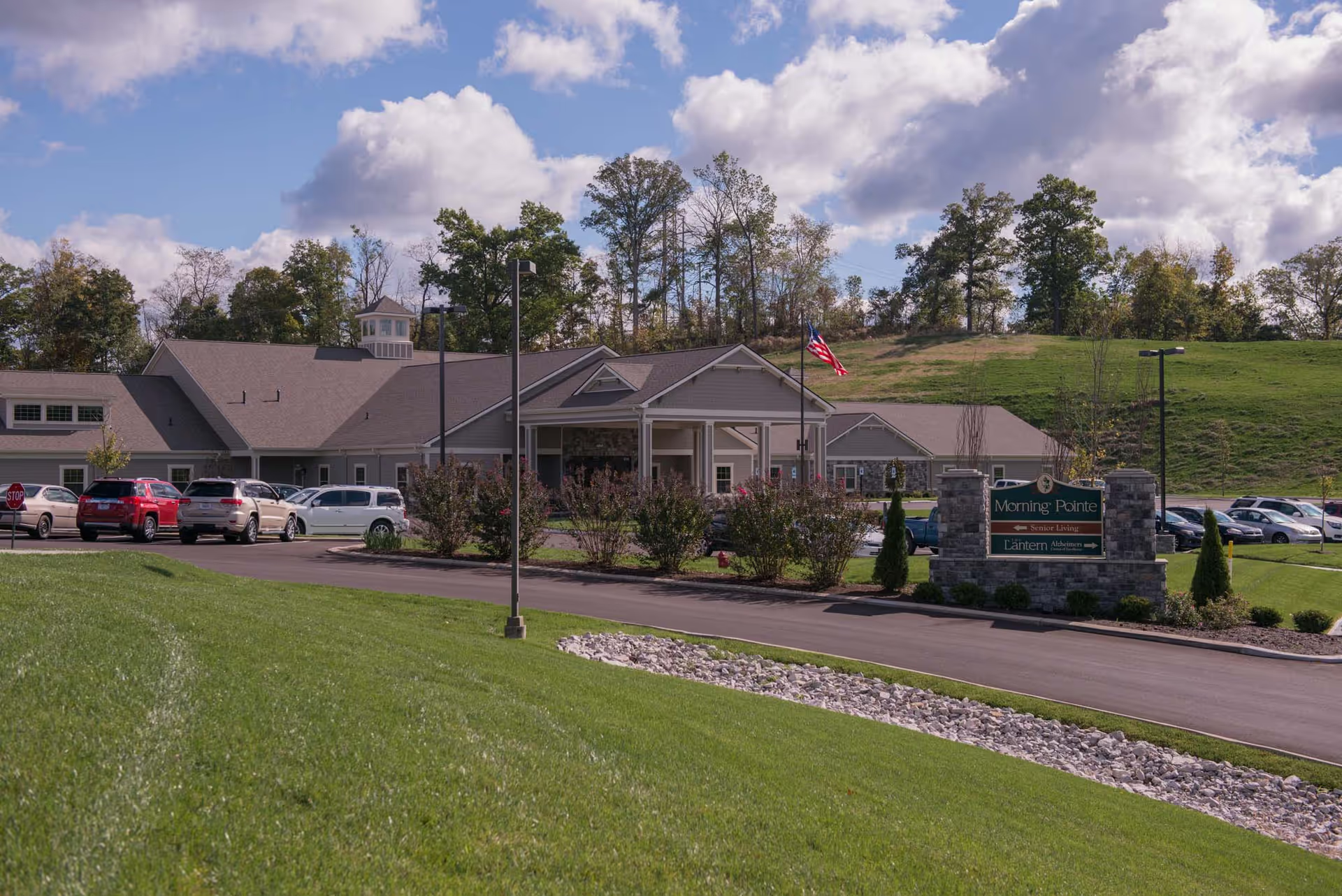
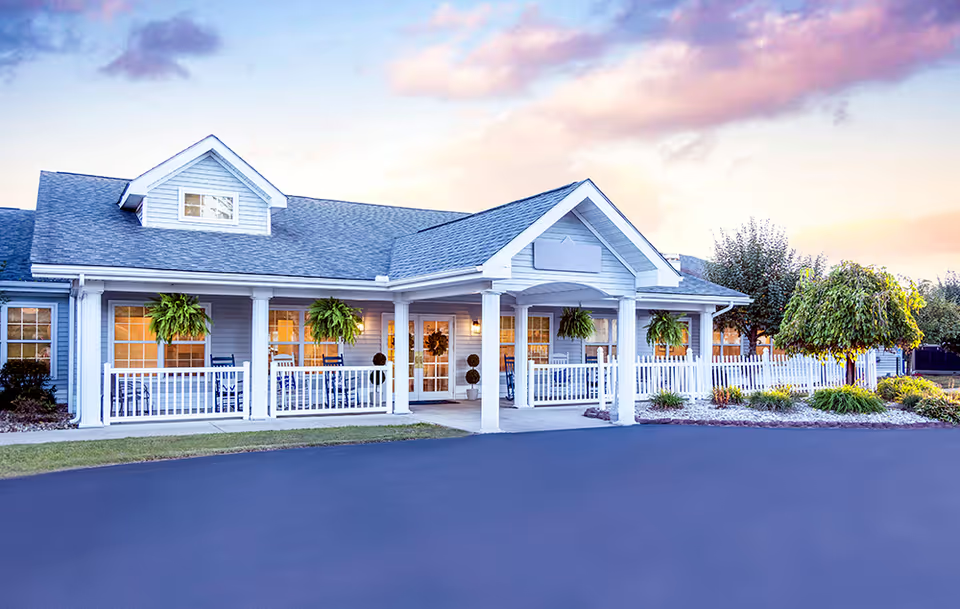
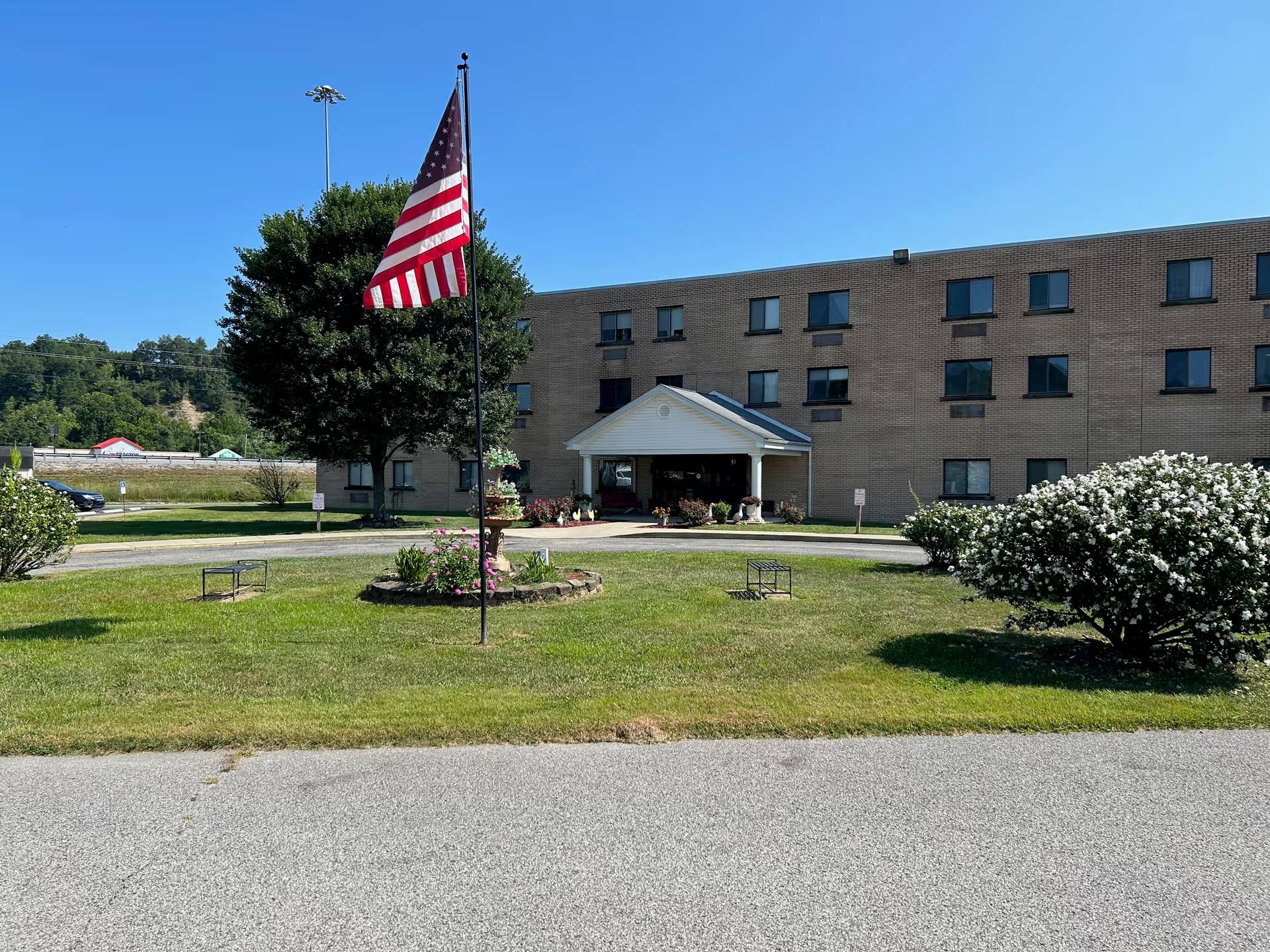
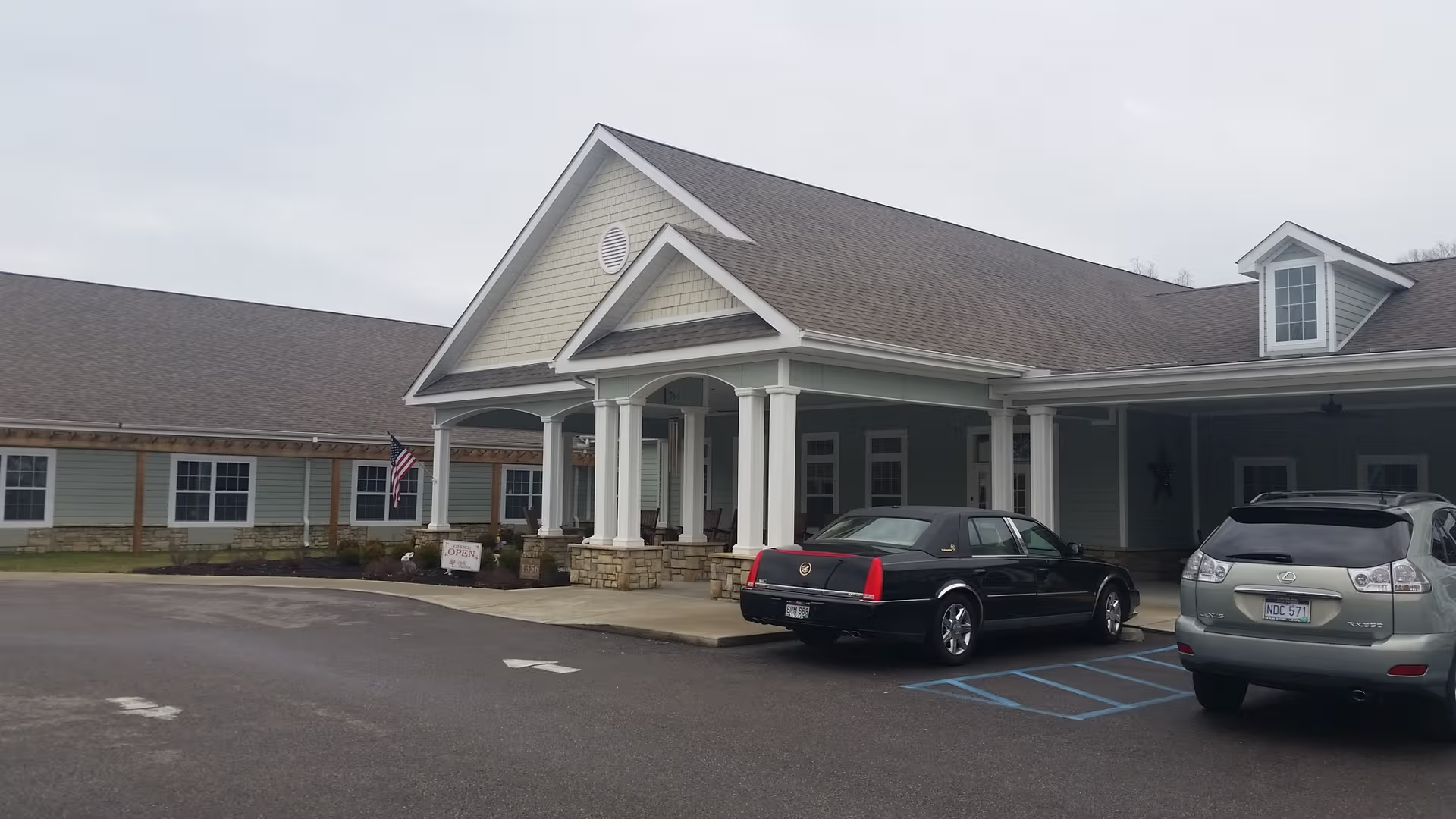
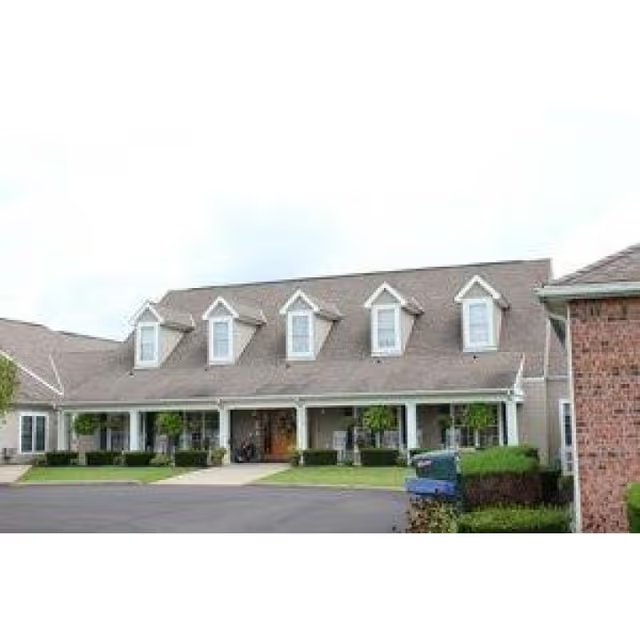
Harbor Healthcare of Ironton is described as a facility with a strong caregiving culture at the frontline and notable operational challenges at the facility and corporate levels. Care quality and direct patient interaction are repeatedly highlighted as strengths: nursing assistants, RNs, therapists and activity staff are characterized as compassionate, attentive and family-oriented. Families and staff comment on genuine resident-centered interactions, frequent communication from on-site leaders, and a general sense that direct-care employees go above and beyond typical expectations.
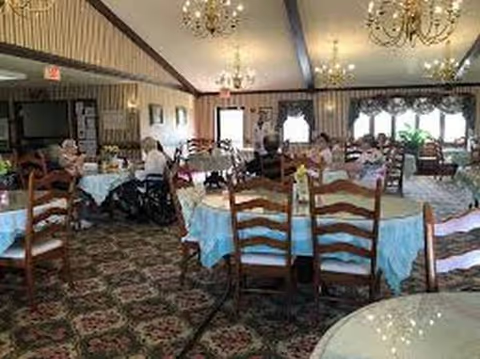
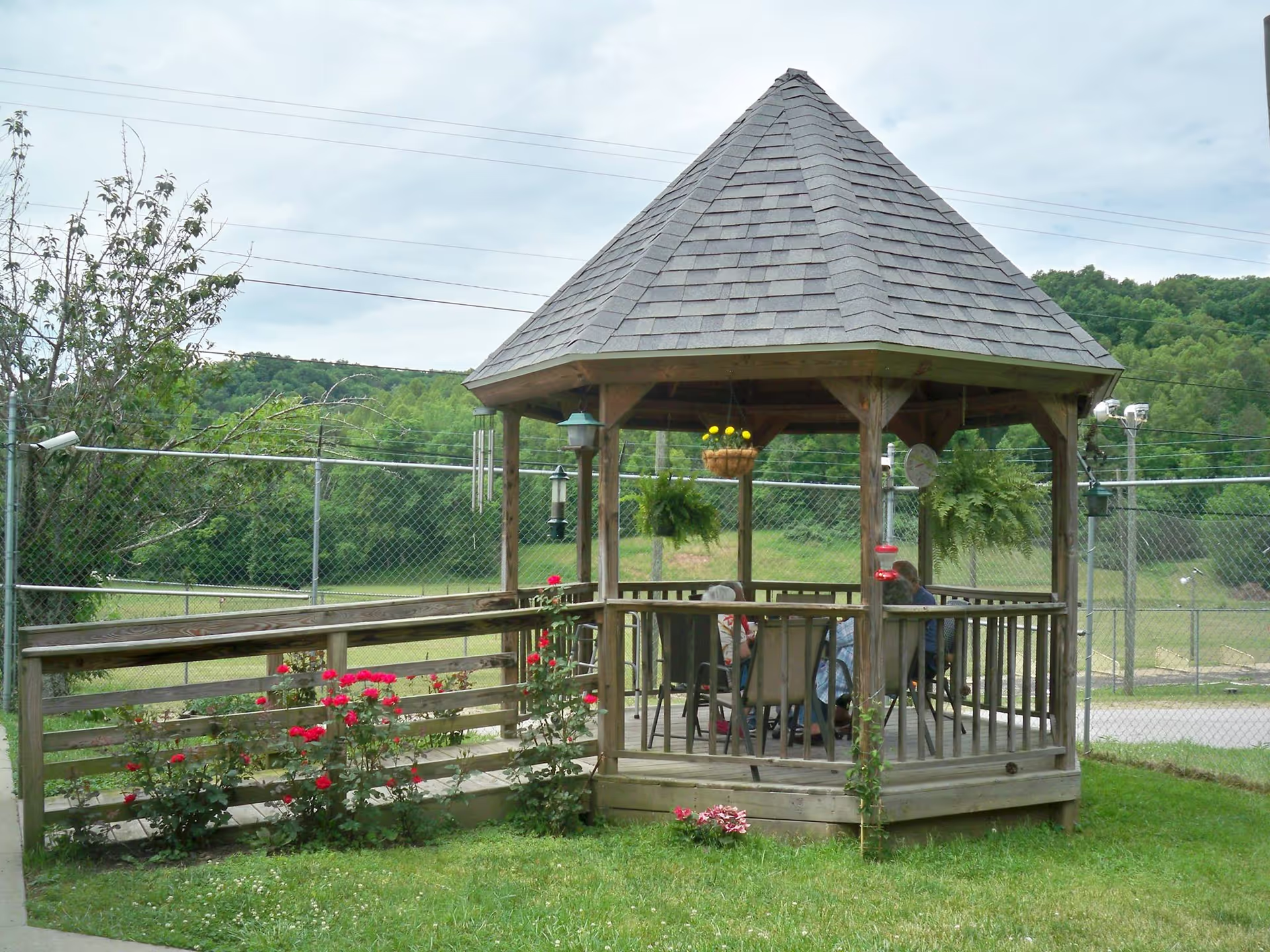
Rehabilitation services and therapy programs are consistently identified as robust, with physical therapy singled out for producing positive functional outcomes. Clinical coverage appears comprehensive in many shifts, with 24/7 nursing availability and proactive updates to families. Housekeeping and food-service staff are often praised for their responsiveness and hospitality, and many reviewers described resident rooms and common areas as kept clean. The facility also provides social and spiritual supports, including an activities program and on-site services, which contribute to a home-like atmosphere.
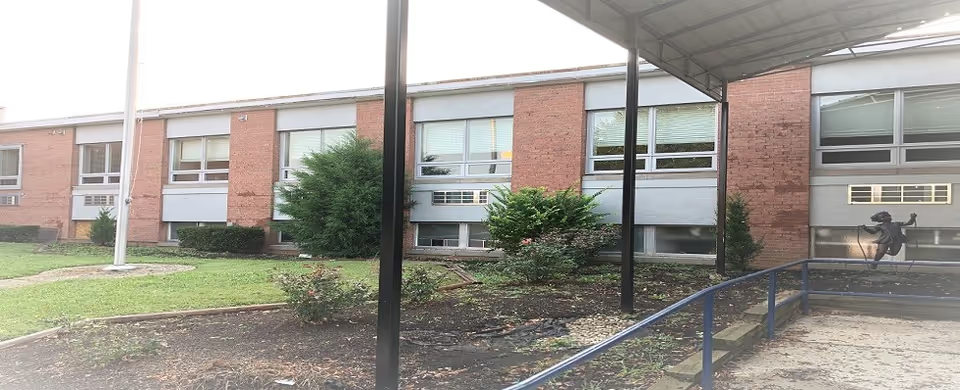
At the same time, multiple concerns arise around the facility’s physical plant and higher-level management. Reviewers describe recurring infrastructure problems—electrical issues, flooding events, and mold-related worries—that create sanitation and safety concerns and require ongoing repairs. These operational problems are linked to perceived gaps in corporate-level prioritization and funding for maintenance, producing a tension between responsive on-site leadership and limitations imposed by ownership. Pest-control concerns are also called out as an area needing stronger, sustained attention.
Staffing and workflow pressures surface as an operational vulnerability. Several accounts describe periods when staff were overwhelmed by patient load, producing delays in response times and longer waits for assistance. While many caregivers are praised for stepping in under pressure, capacity constraints appear to be a recurring pattern that can affect timeliness of routine care. Additionally, some comments express reservations about conduct and transparency among upper-level management, whereas on-site leaders (named by reviewers) are credited with making improvements and being approachable.
Dining is generally viewed positively in terms of service and hydration availability, but there are consistent notes about limited menu variety and restricted breakfast options. Overall, the dominant pattern is one of high-quality, compassionate direct care delivered within a facility that struggles with infrastructure upkeep and corporate-level support. Prospective residents and families should weigh the strong interpersonal and clinical strengths of the staff against the documented facility maintenance and operational challenges, and consider asking management about current remediation plans, pest-control protocols, staffing ratios, and capital-improvement timelines before making a placement decision.