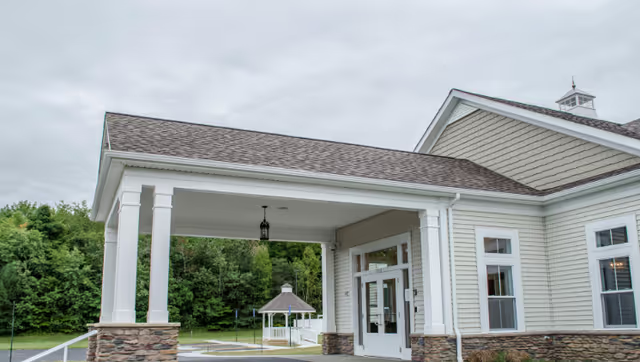
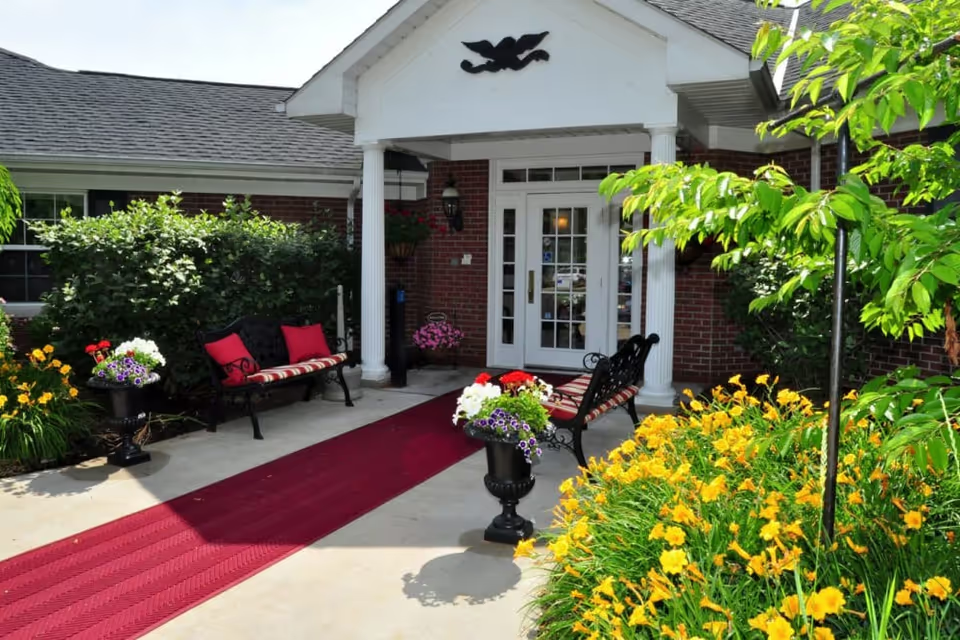
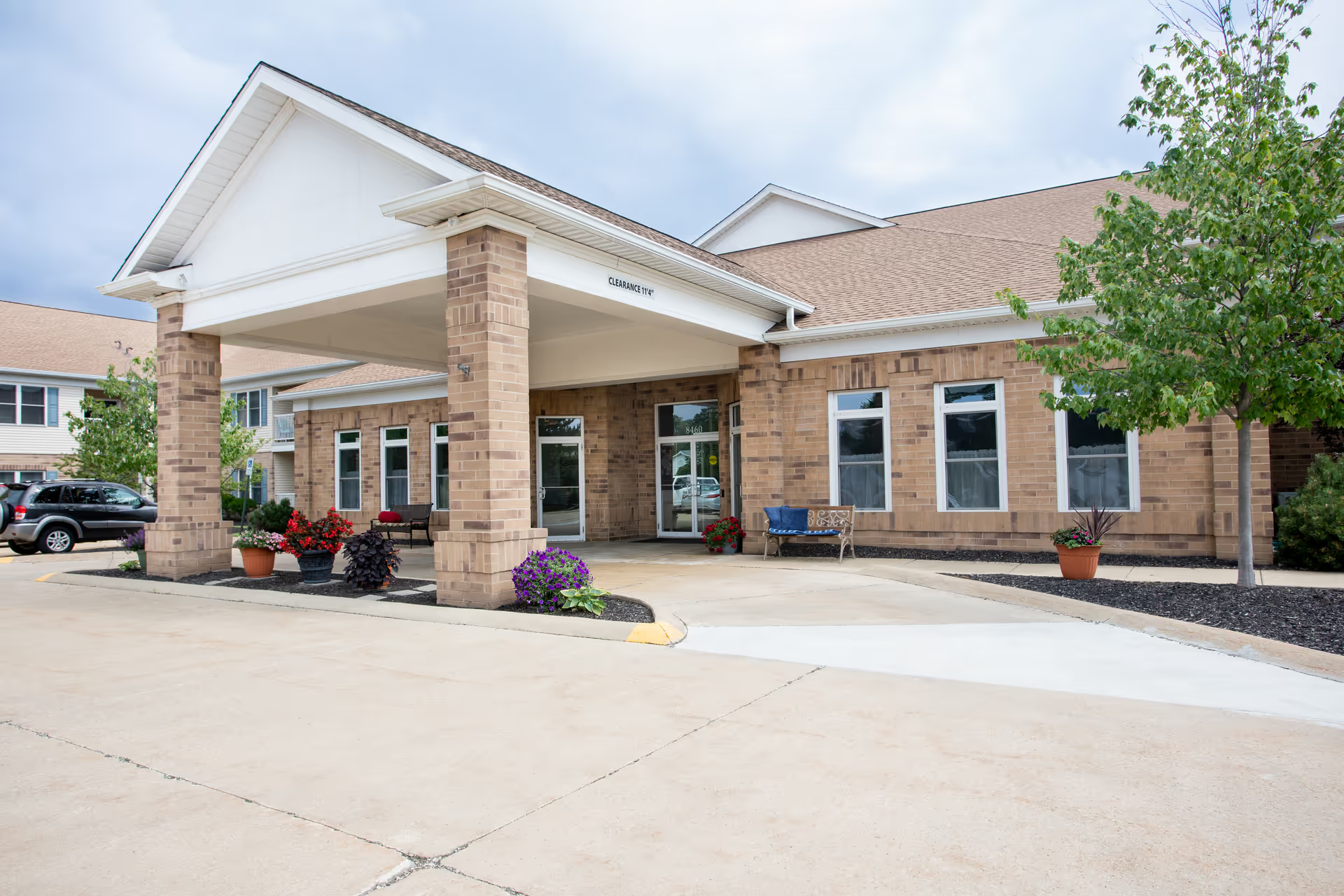
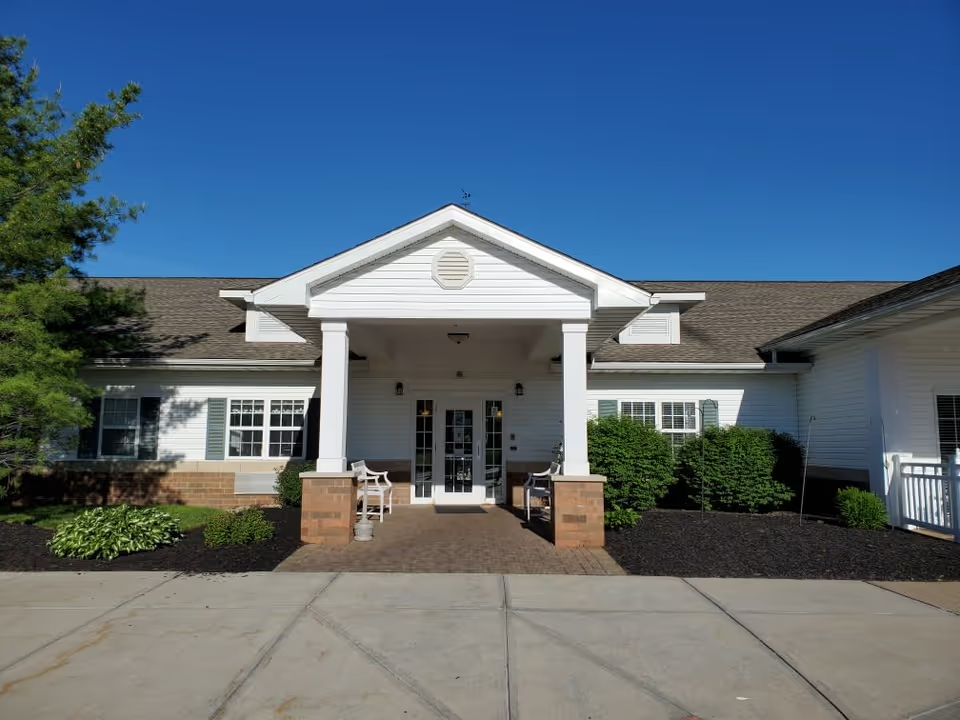
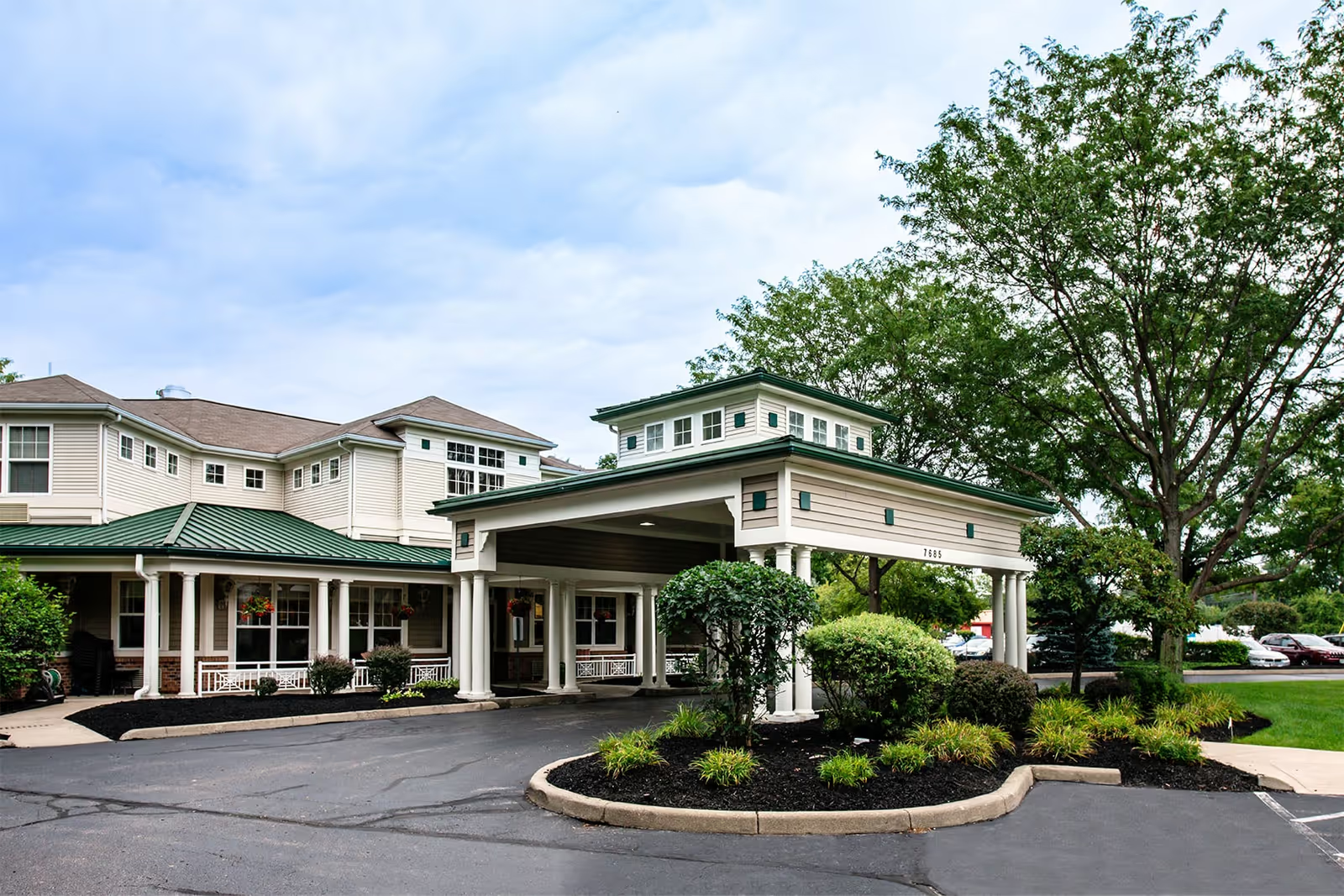
Cardinal Woods Skilled Nursing & Rehab elicits a strongly mixed set of impressions. Many reviewers praise the facility's physical environment and rehabilitation services: the campus is frequently described as quiet and woodsy with pleasant outdoor space, recent upgrades, clean and tidy rooms, in-room high-definition televisions, and a gazebo. Physical and occupational therapy receive consistent positive mention, and daily housekeeping and punctual laundry services are commonly noted as strengths.
Direct-care staff receive varied but substantial positive feedback. Numerous families and residents describe caregivers as compassionate, caring, and attentive; several reviewers highlight an engaged activity director who provides creative programming and social opportunities. The facility is often characterized as family-oriented and home-like, with some reviewers noting pet-friendly policies and a friendly resident population. Admissions support and frontline responsiveness during transitions are also cited as helpful by multiple families.
However, multiple operational weaknesses recur across reviews. Staffing consistency and clinical oversight are areas of concern: reviewers describe a reliance on agency or travel nurses, turnover among leadership and direct-care roles, and instances where staffing shortages appear to delay assistance for basic needs. Several comments point to gaps in medication administration and documentation processes, and there are reports of communication breakdowns between staff and families, including difficulties obtaining medical records and delayed post-death process communication. Training and role-definition issues are also mentioned, with accounts suggesting occasional delegation of tasks beyond expected scopes of practice.
Dining and therapy present a mixed picture. While some meals and kitchen staff receive praise and some reviewers note improved food quality over time, others cite inconsistency in menu execution, an overreliance on starchy items for residents with dietary restrictions, and intermittent kitchen staffing issues that affect meal service continuity. In contrast, rehabilitation and therapy programming are consistently described as strong and beneficial for short-term recovery.
Sanitation and infection-control perceptions vary. Many reviewers find the facility clean and well-kept, while others raise sanitation and odor concerns in certain areas and express unease about infection-exposure risk during high-transmission periods. Management impressions are similarly divided: some reviewers commend a compassionate administrator and recent positive changes under new leadership, while others report unresponsiveness, governance instability, and serious allegations related to financial or guardianship practices and visitation restrictions.
Taken together, the pattern suggests a facility with significant strengths in environment, therapy, and activity programming, supported by many caring staff members, but with notable operational and administrative inconsistencies that can materially affect resident experience. Prospective residents and families should consider an in-person tour, ask specific questions about staffing ratios and use of agency personnel, review medication administration and record-access policies, inquire about dietary management for restricted diets, and request recent inspection or survey reports to assess how the facility is addressing the concerns identified by families.