Reviews of Meadow Falls of Madison describe a community with clear strengths alongside recurring operational concerns. Many families and residents praise the caregiving team as compassionate, engaged, and personable; reviews frequently mention attentive aides, knowledgeable nursing staff on site, and staff members who create a family-like atmosphere. The community also receives positive comments for organized activities and outings, a variety of therapeutic and social programming (exercise, ceramics, themed events), and personal grooming services such as weekly hair and nail care. Several reviewers noted renovated interiors, private apartment living, dining-room and in-room meal options, transportation for appointments and outings, and responsive maintenance for routine issues.
Dining and nutrition emerge as a mixed area. A number of residents and families applaud the kitchen team for varied, tasty meals and nutritious snack options, while other accounts describe cold or low-quality meals, limited menu diversity, and difficulties obtaining stricter dietary accommodations (for example, low-sodium preparations). This pattern suggests inconsistency in meal execution and in how dietary needs are implemented. Prospective residents should ask about current dining oversight, sample menus, and protocols for therapeutic diets during a visit.
Staffing and clinical operations are another area of divergence. Positive reports highlight individualized attention, clear medication explanations, and timely medical communication. Conversely, several reviews raise concerns about staffing levels, high turnover, and delayed responses to call lights and care requests — concerns that extend to medication-administration documentation and hand-off reliability. Memory-care capacity also appears variable: the community offers a dementia-friendly unit and some families report appropriate, secure programming, while others report staff unprepared for higher-acuity dementia needs. These patterns point to uneven performance across shifts and resident acuity levels.
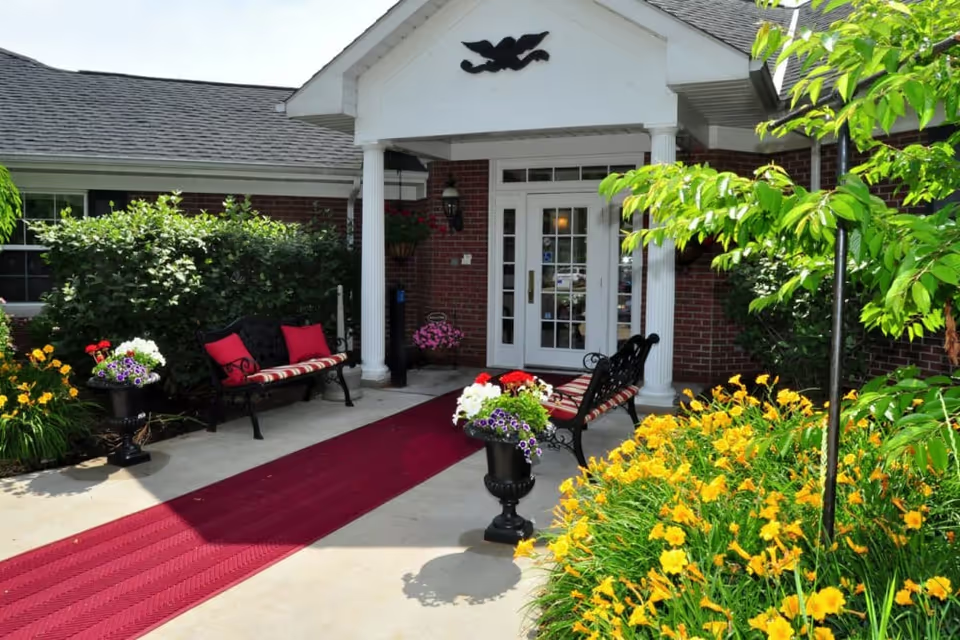
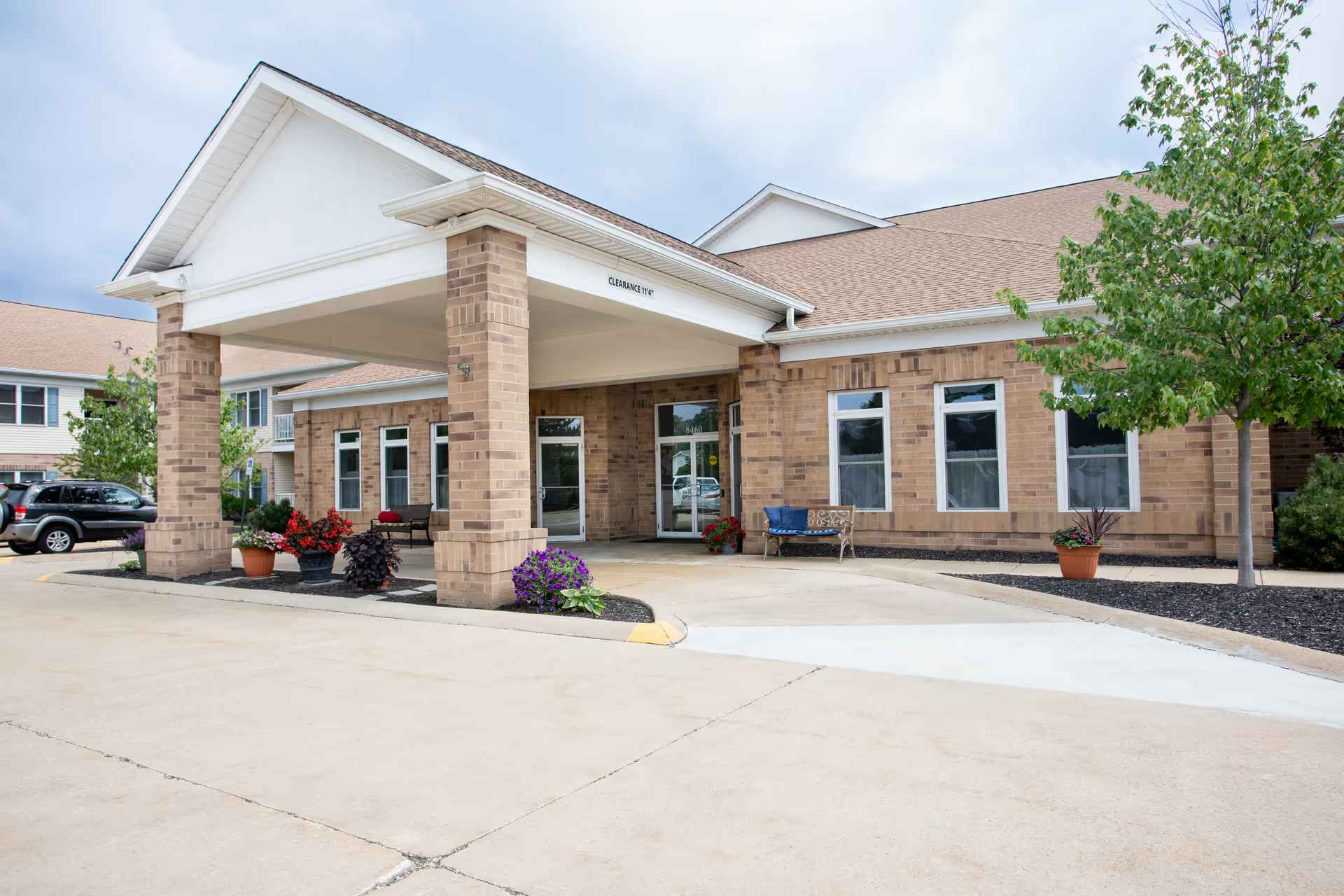
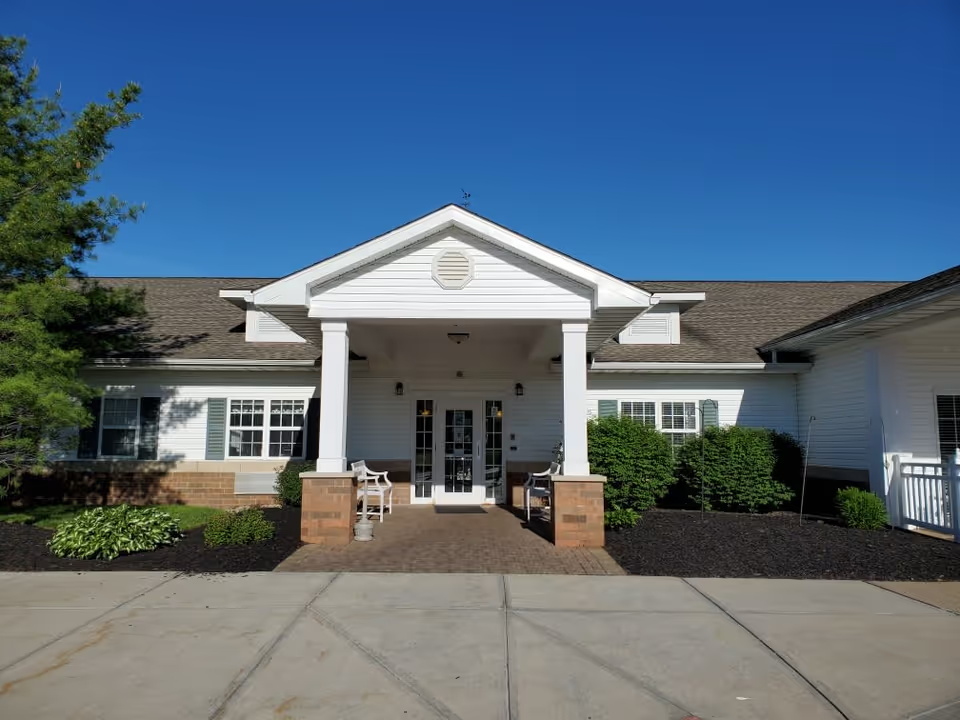
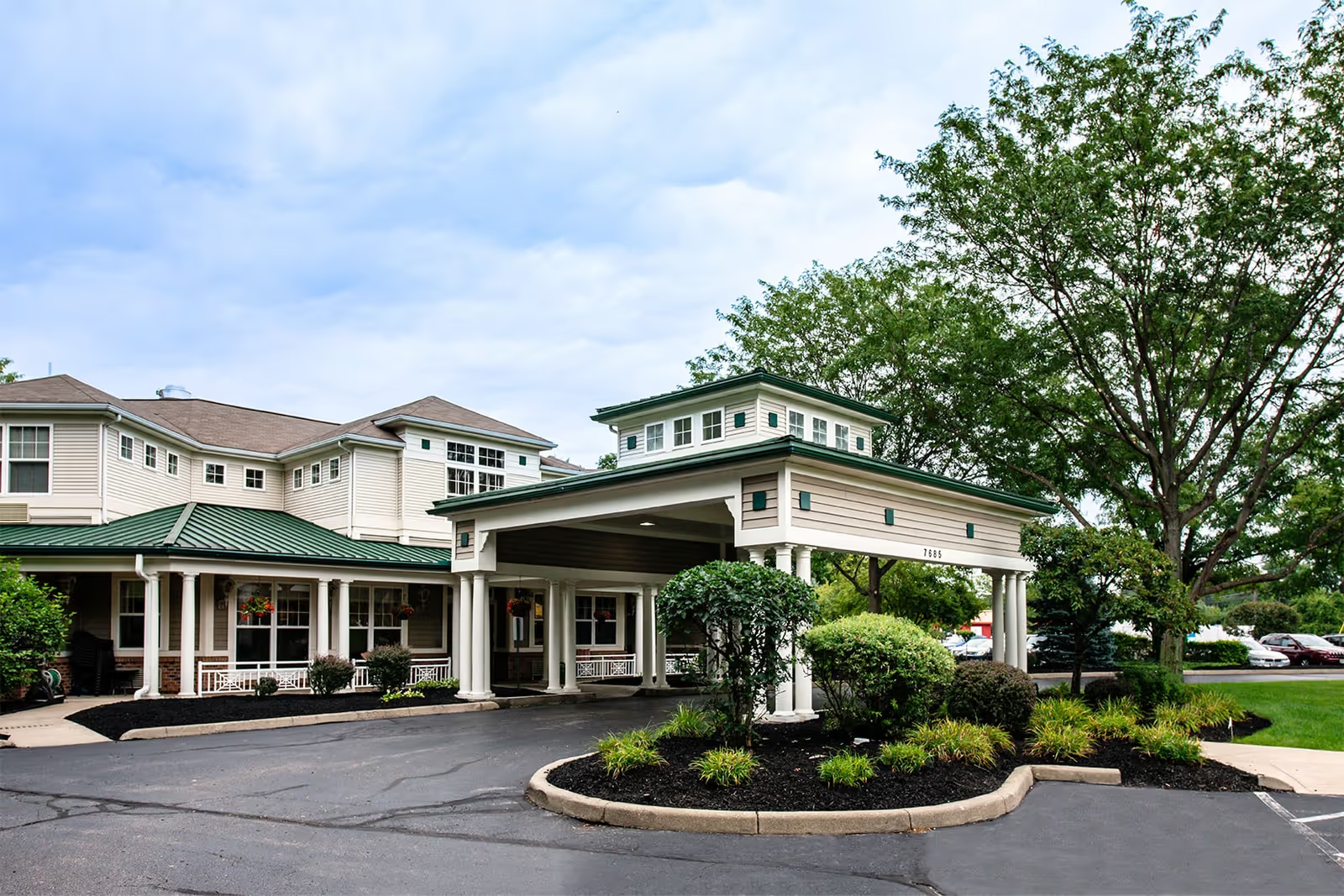
Facility amenities and environment are generally praised for interior renovation, cleanliness in many areas, and communal spaces such as a theater and dining areas. However, reviewers also note physical constraints in parts of the building — darker or more cramped units, limited closet space, and a memory-care location in a lower level that some families find less desirable. Maintenance and housekeeping are described as reliable by many but inconsistent by others; sanitation and pest-control concerns are present in some accounts and warrant direct inquiry.
Management, communication, and administrative processes are similarly mixed. Several reviewers specifically commend the director and management team for professionalism, quick issue resolution, and strong family communication. At the same time, others report difficulties with admissions coordination, an unresponsive sales or front-desk experience, voicemail or complaint follow-up delays, and occasional billing or refund processing problems. There are also a small number of more serious allegations — including claims of retaliatory behavior and pest-control incidents — that prospective families may want to ask about directly and verify through facility policy review and regulatory records.
Notable patterns for prospective residents and family members: the community can offer a warm, activity-rich environment with dedicated staff and renovated living spaces, but experiences vary considerably by unit, shift, and resident acuity. Before making a placement decision, recommended steps include touring the specific unit and dining area the resident would use, meeting direct-care staff and nursing leadership, asking for current staffing ratios by shift, reviewing medication and incident-reporting protocols, requesting recent pest-control and inspection records, and clarifying dietary accommodation processes and billing/refund policies. These checks will help align expectations with current operational performance and identify whether the facility’s strengths meet the resident’s clinical and lifestyle needs.