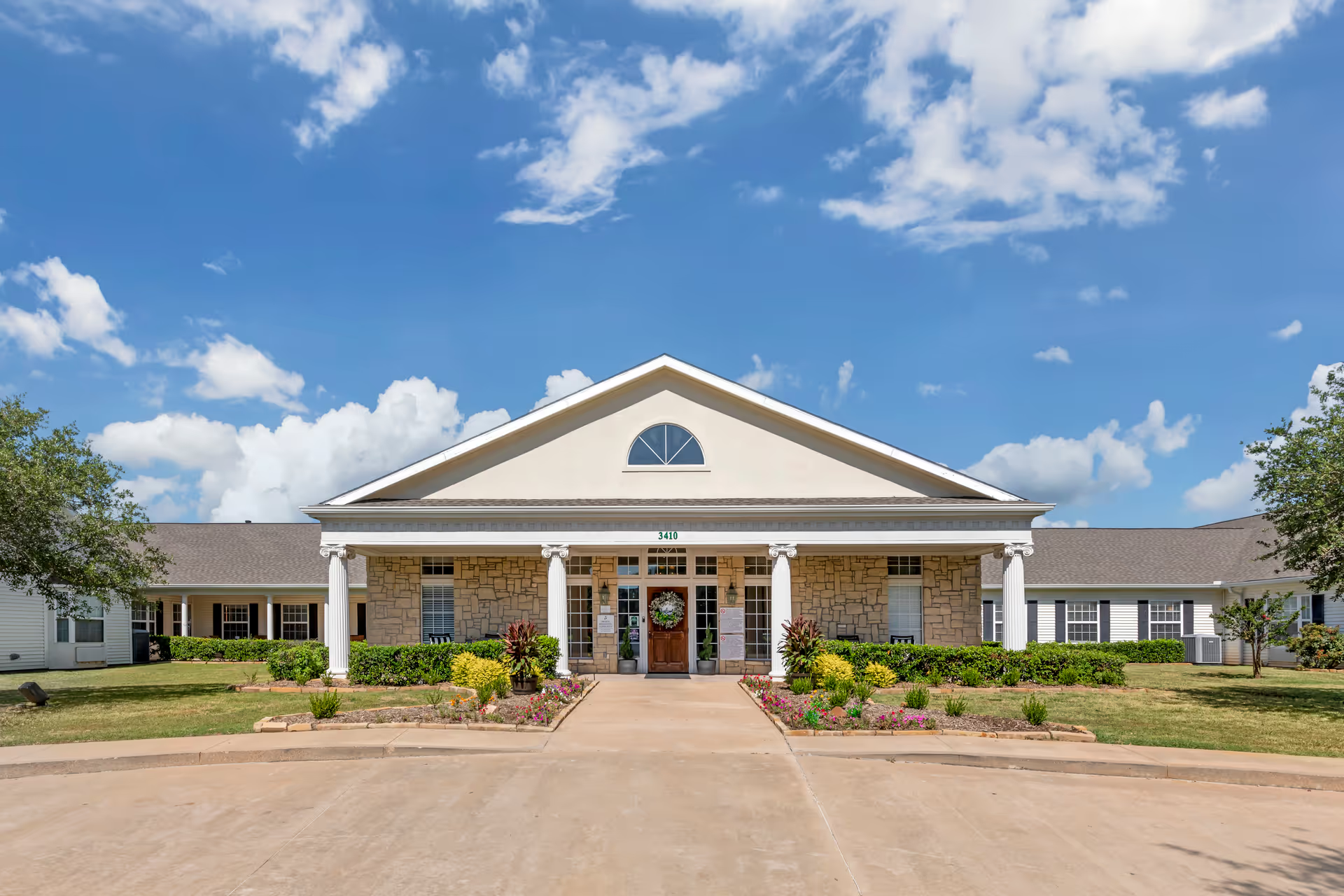
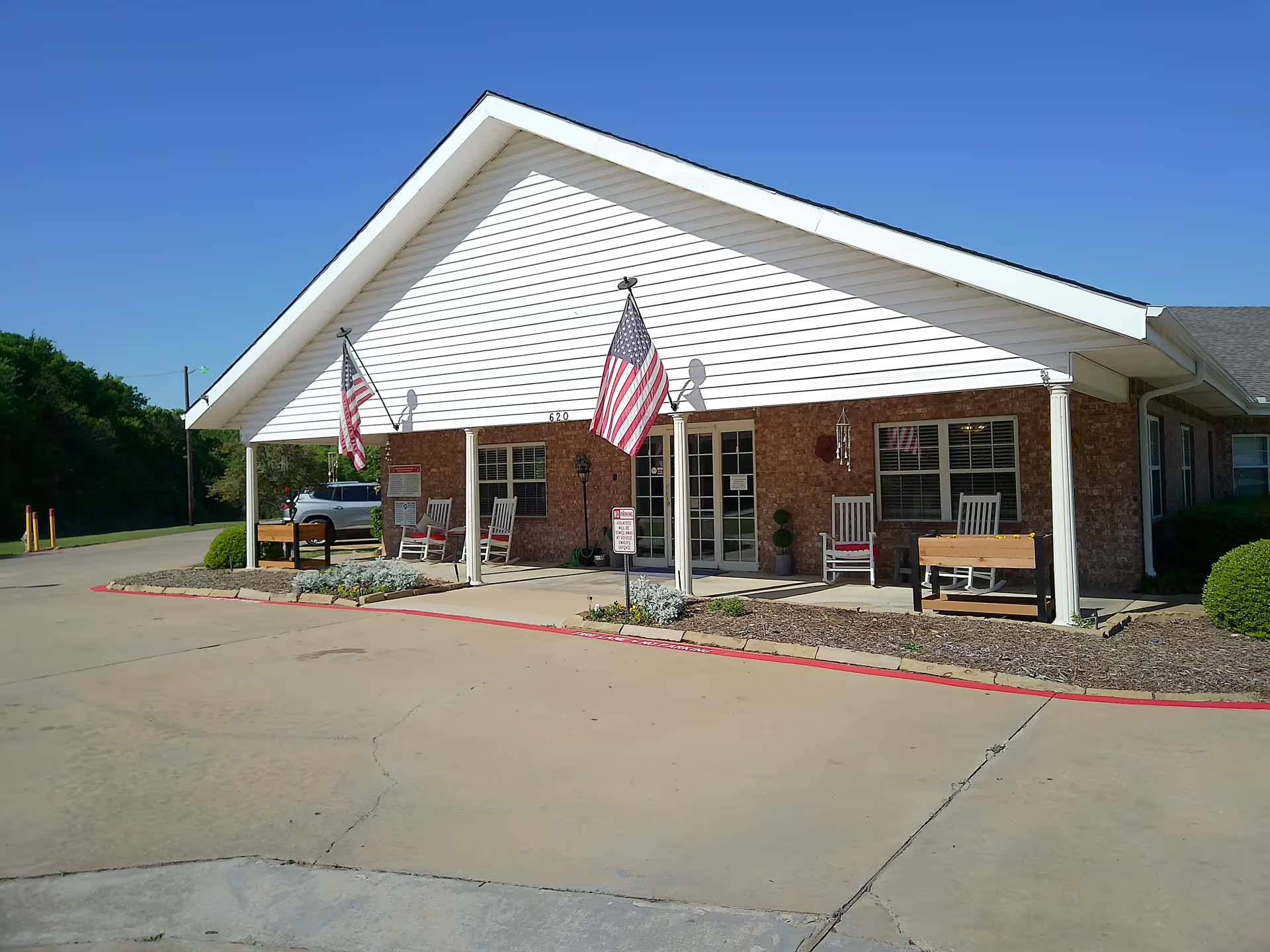
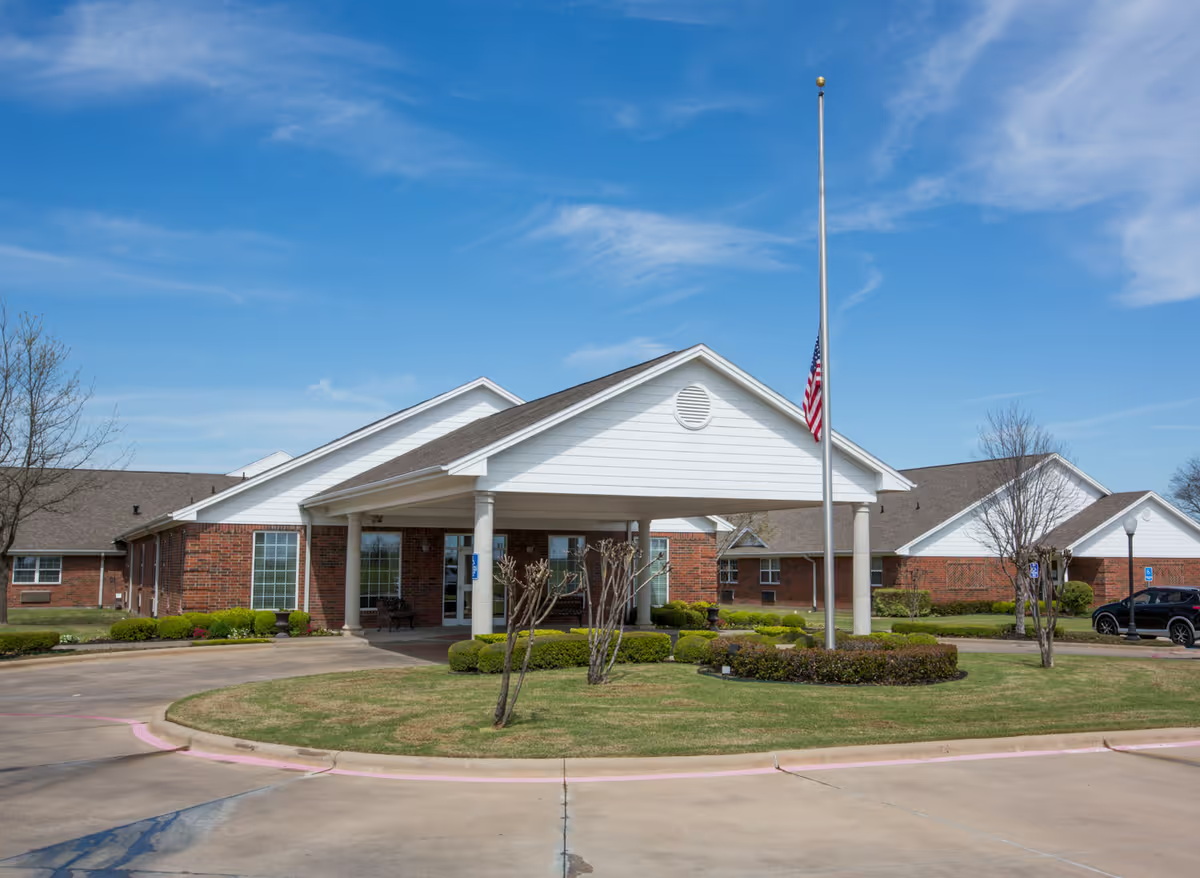
The reviews present a mixed but consistent pattern: many families describe compassionate, attentive caregivers and effective clinical support for procedures and rehabilitation, while other accounts point to operational weaknesses that affect daily resident experience. Positive comments emphasize individualized, dignified care—particularly from nursing staff—and highlight strong ancillary services such as radiology, pre-surgery teams, kitchen and housekeeping. Several families characterized activity programming and snack availability as meaningful quality-of-life contributors, and some noted successful short-term rehabilitation that allowed residents to return home.
Contrasting reports raise concerns about responsiveness and environment. Multiple reviewers noted delays in answering call lights and in attending to resident needs, which suggests inconsistent staff availability or allocation. Cleanliness and odor-control issues in certain areas were mentioned alongside descriptions of cigarette and marijuana smoke on or near campus; these indicate gaps in environmental maintenance and outdoor supervision. There are also recurring references to communication problems—family members reporting that they were not notified of care changes or experienced restricted visitation—pointing to weaknesses in family communication protocols and visitor-access procedures.
Clinical-safety themes include questions about infection-control practices and cohorting during infectious outbreaks. Some reviewers expressed unease about how infectious patients were managed within the facility, which signals a need for clearer infection-prevention policies and transparency. Additionally, comments about management responsiveness and calls for external inspection reflect perceived oversight deficits; these items suggest families want more visible administrative accountability and clearer grievance-resolution pathways.
Taken together, the facility appears to offer strong points of care—compassionate staff, capable clinical teams, and supportive services—while also exhibiting operational inconsistencies that can materially affect resident comfort and family trust. Prospective residents and relatives should consider an in-person visit focused on observable operations: watch mealtime service and food transparency, test call-bell response times, observe common-area cleanliness and odor-control, inquire about staffing ratios and infection-control procedures, and ask how the facility communicates clinical changes and visitation policies to families. These targeted checks can help determine whether the facility’s strengths align with a particular resident’s needs and whether management is addressing the operational gaps noted by some families.