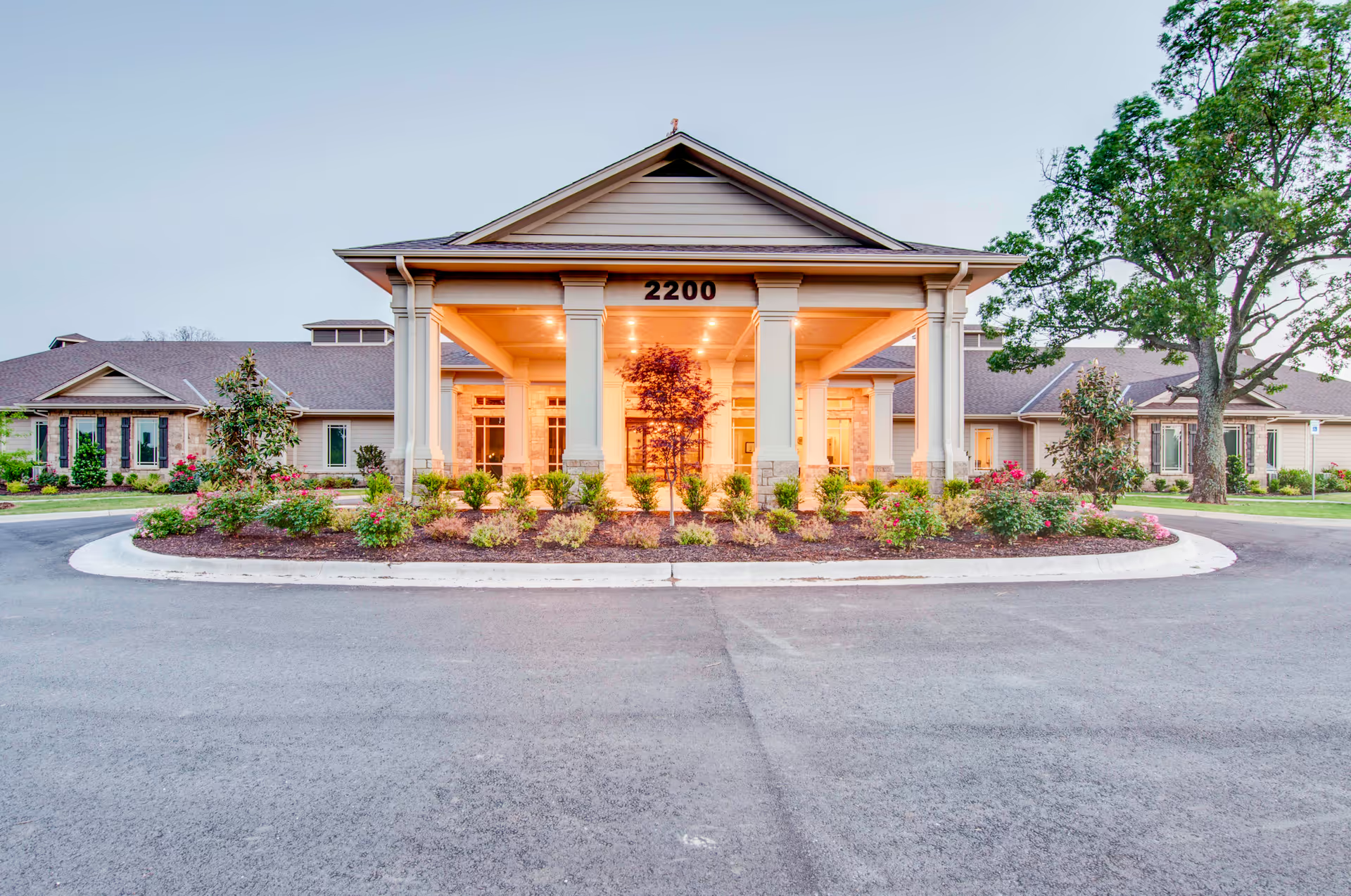
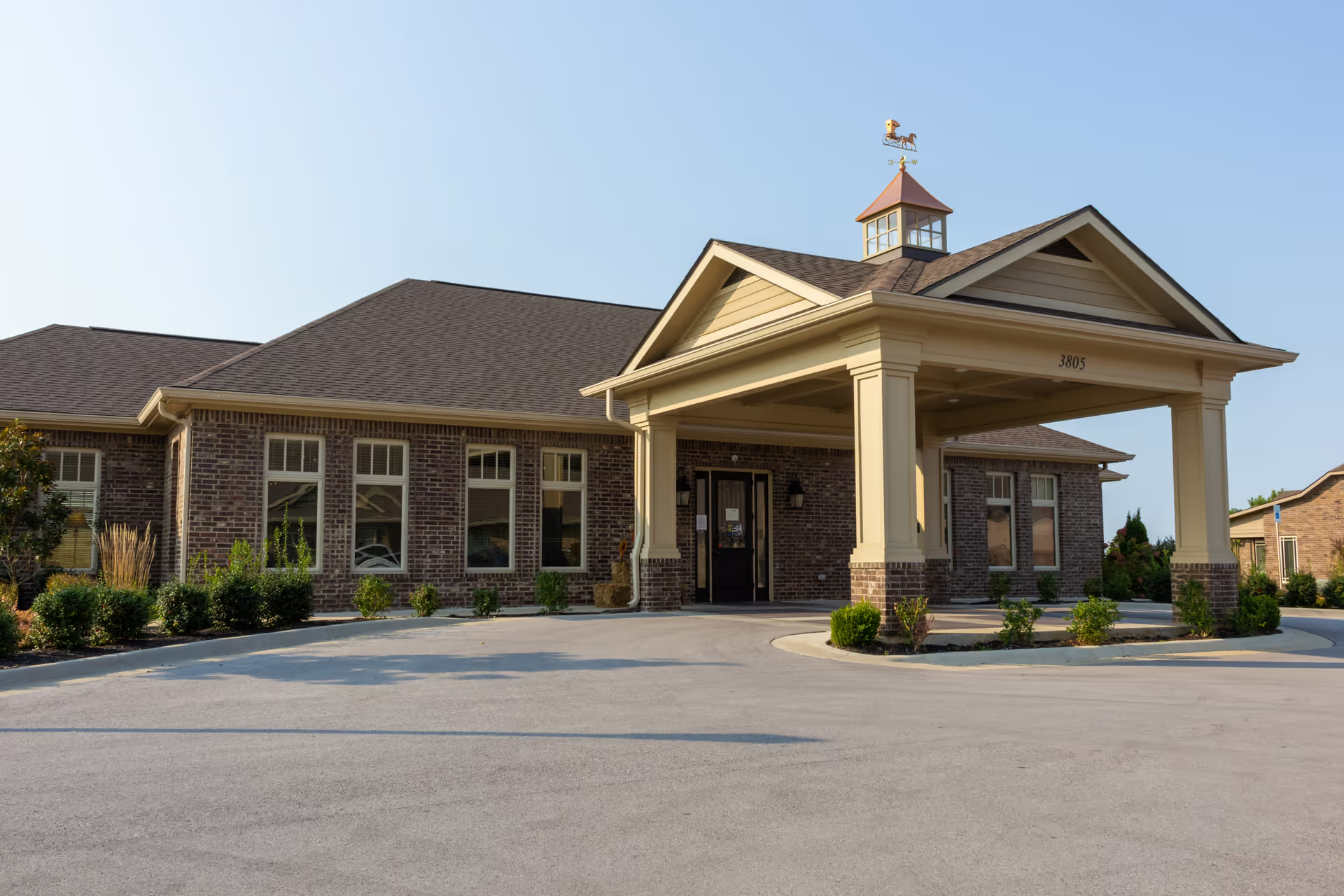
Spiro Nursing Home elicits a mixed set of impressions. Many families describe positive hands-on care experiences — nursing staff characterized as compassionate and personable, helpful housekeeping, appetizing meals, and engaging activities that contribute to residents’ sense of autonomy and enjoyment. The facility also has experience providing hospice and end-of-life services, and several reports cite clean common areas and a willingness by staff or management to resolve discrete family concerns.
Counterbalancing those positives are operational concerns that relate to safety, supervision and communication. Several accounts describe medication mishandling events (lost medication, unsecured storage, and medications handed to persons without standard verification). These types of incidents indicate medication-management and security weaknesses that should be treated as a material safety risk. There are also descriptions of lapses in resident-identification and handoff procedures that can compound medication and care-safety problems; one account includes an allegation of medications being released without appropriate identification verification.
Staff performance is described unevenly. Direct-care workers and some nurses receive praise for respectful, supportive interactions, but other comments highlight inconsistent conduct, limited responsiveness, and an unprofessional tone from some supervisory staff. Related operational themes include insufficient supervision or staffing coverage at times, and variable clinical oversight — patterns that appear to affect timeliness of care and monitoring for some residents.
Dining and activities are a relative strength. Multiple observations point to enjoyable meals and a program of entertainment and opportunities for resident choice that contributes positively to quality of life. Housekeeping and general cleanliness are also frequently mentioned as satisfactory, though those positive notes are balanced by descriptions of areas that feel run-down or in need of maintenance in places.
Management and family communication present additional mixed signals. While there are examples of management resolving issues (for example, a laundry dispute), there are also documented gaps in family notification and privacy controls in clinical or administrative spaces. Admissions and transfer practices are described as inconsistent in some situations, including decisions related to clinical acuity and transfer to other facilities or acute care.
Overall, the facility appears to provide high-quality, person-centered experiences for many residents, particularly in daily care, housekeeping, dining and activities. However, recurring themes around medication handling, identification and handoff procedures, supervision levels, and inconsistent leadership merit careful consideration. Prospective residents and families should evaluate current medication-management policies, staffing levels, incident-reporting practices, and family-communication protocols during a visit, and review recent inspection records to assess whether corrective actions have been implemented for the safety-related issues noted.