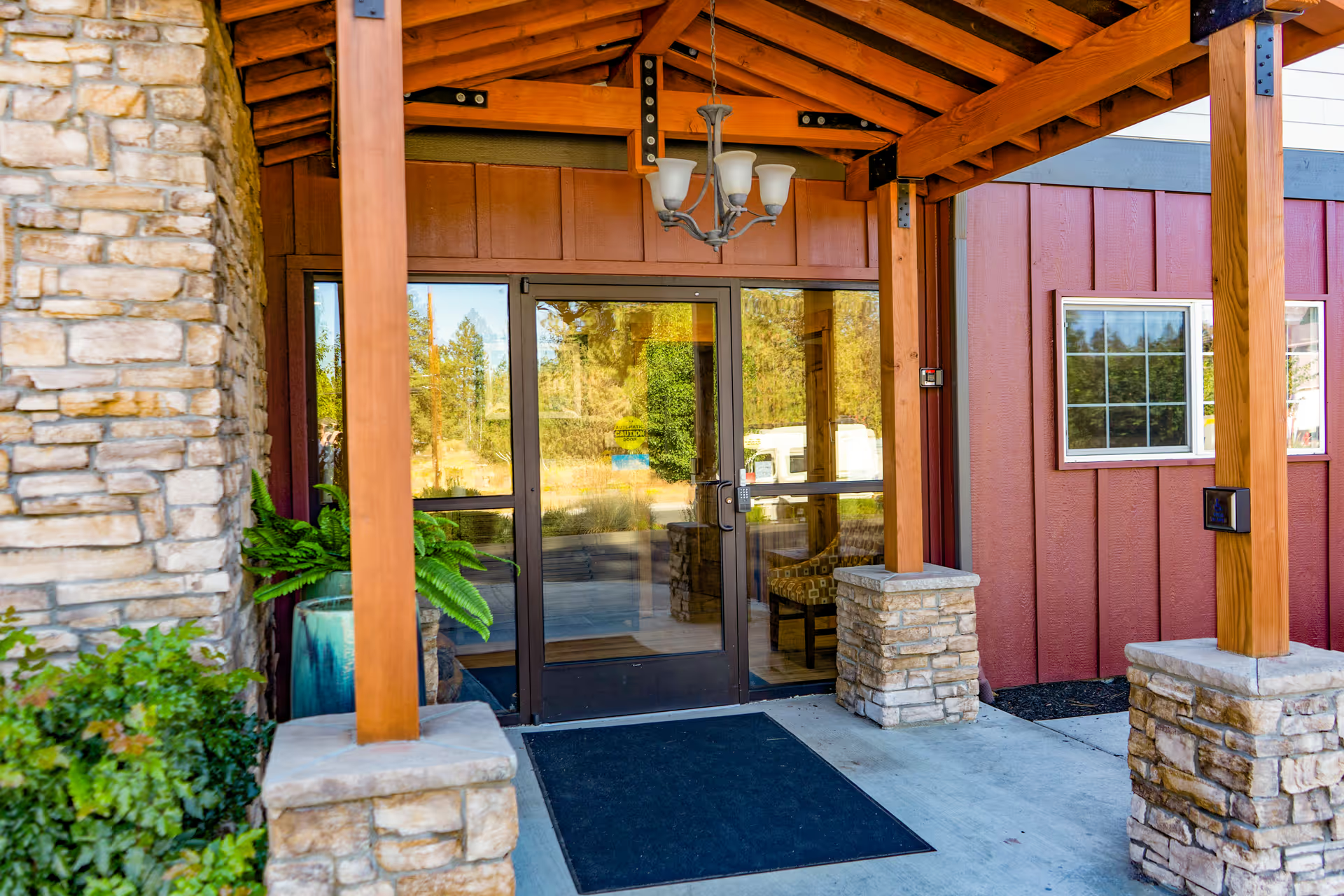
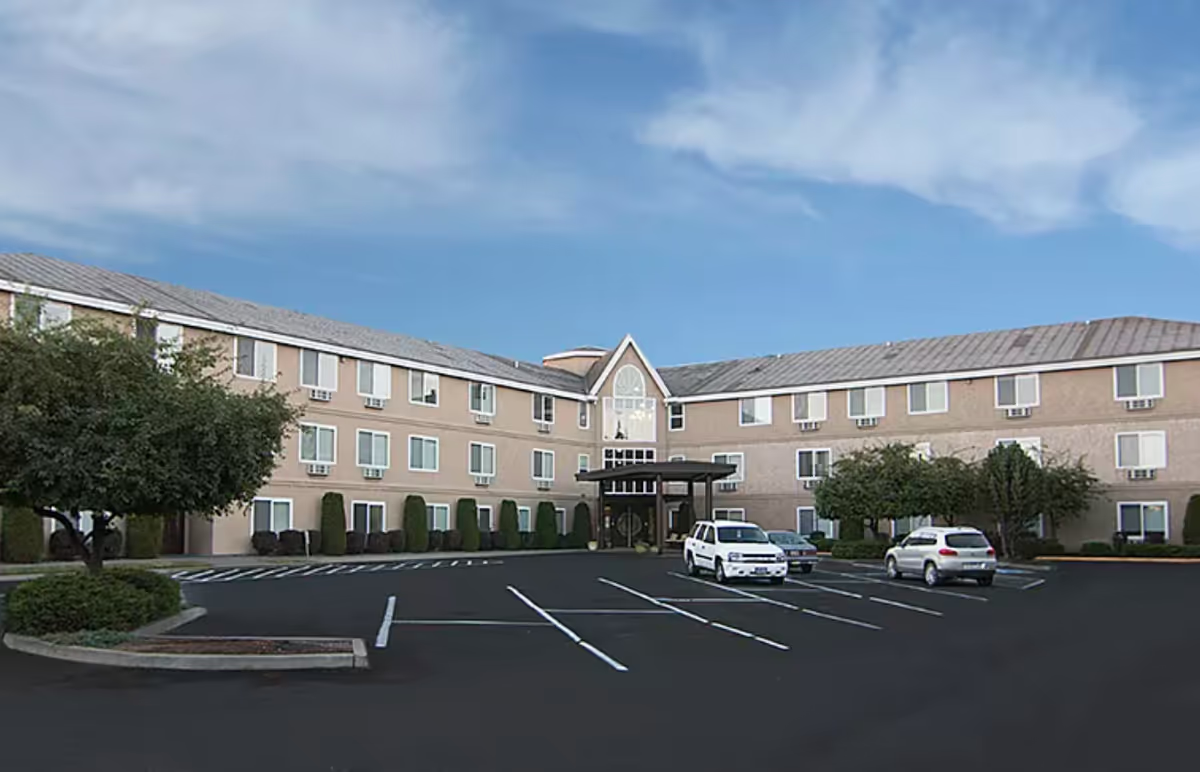
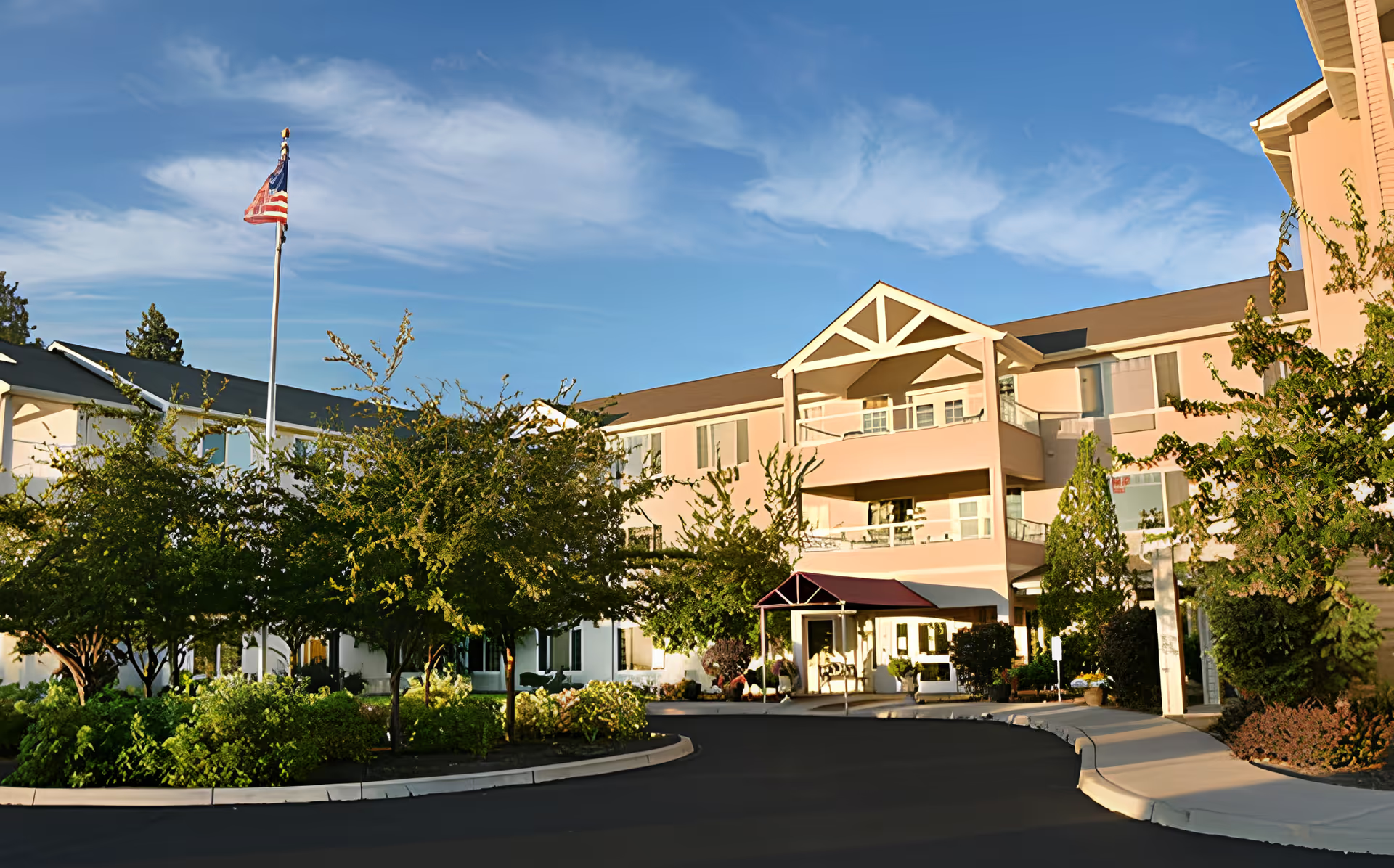
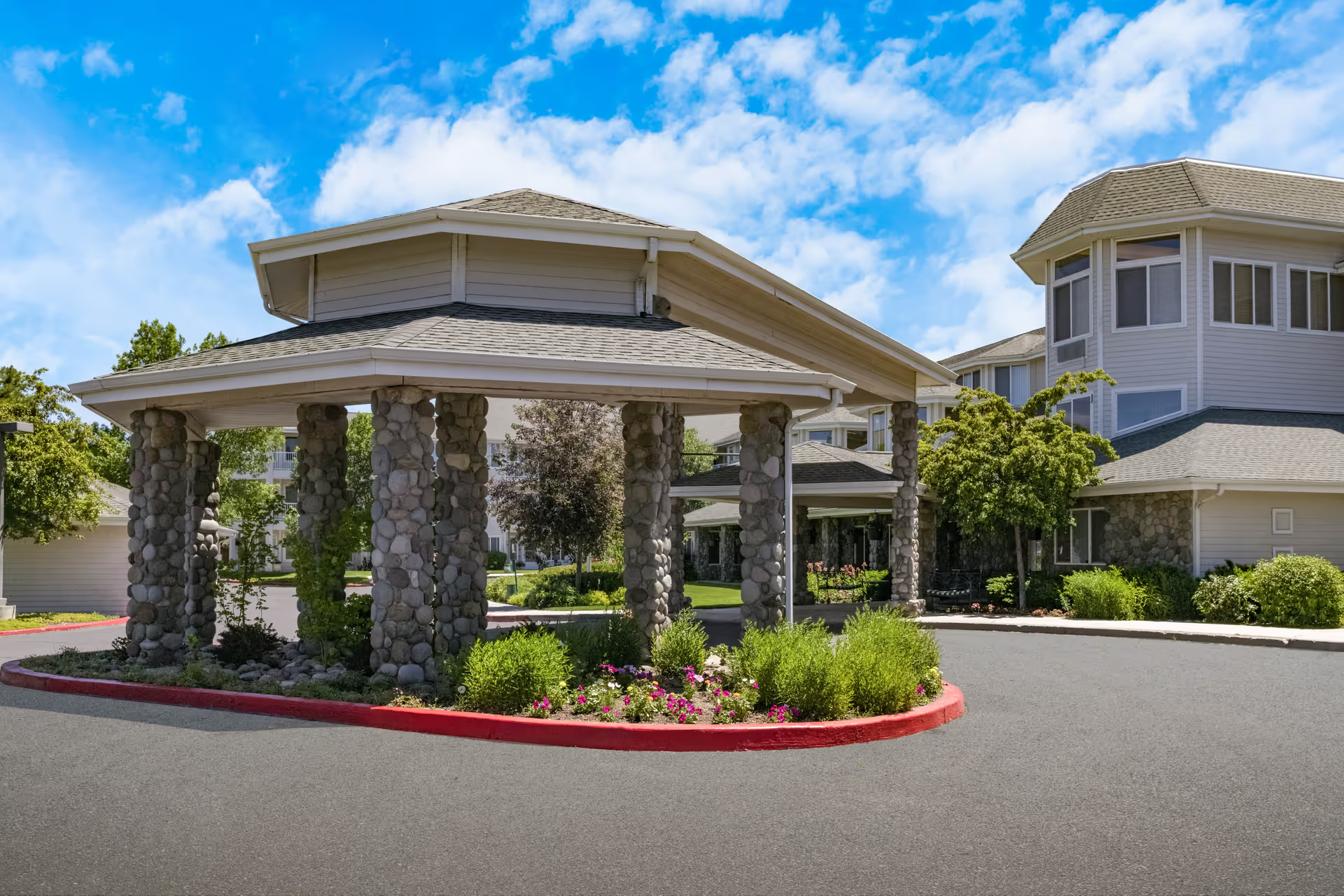
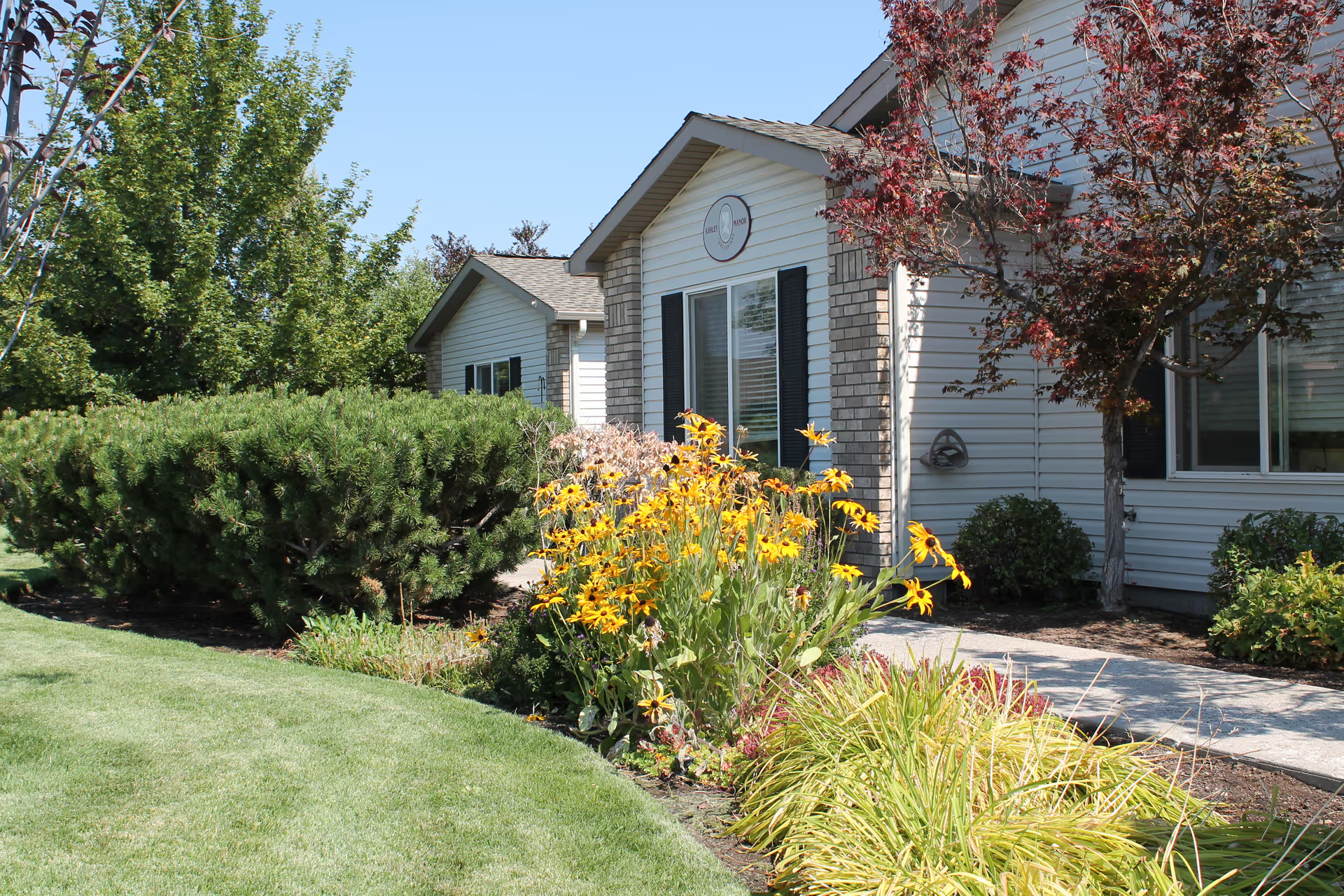
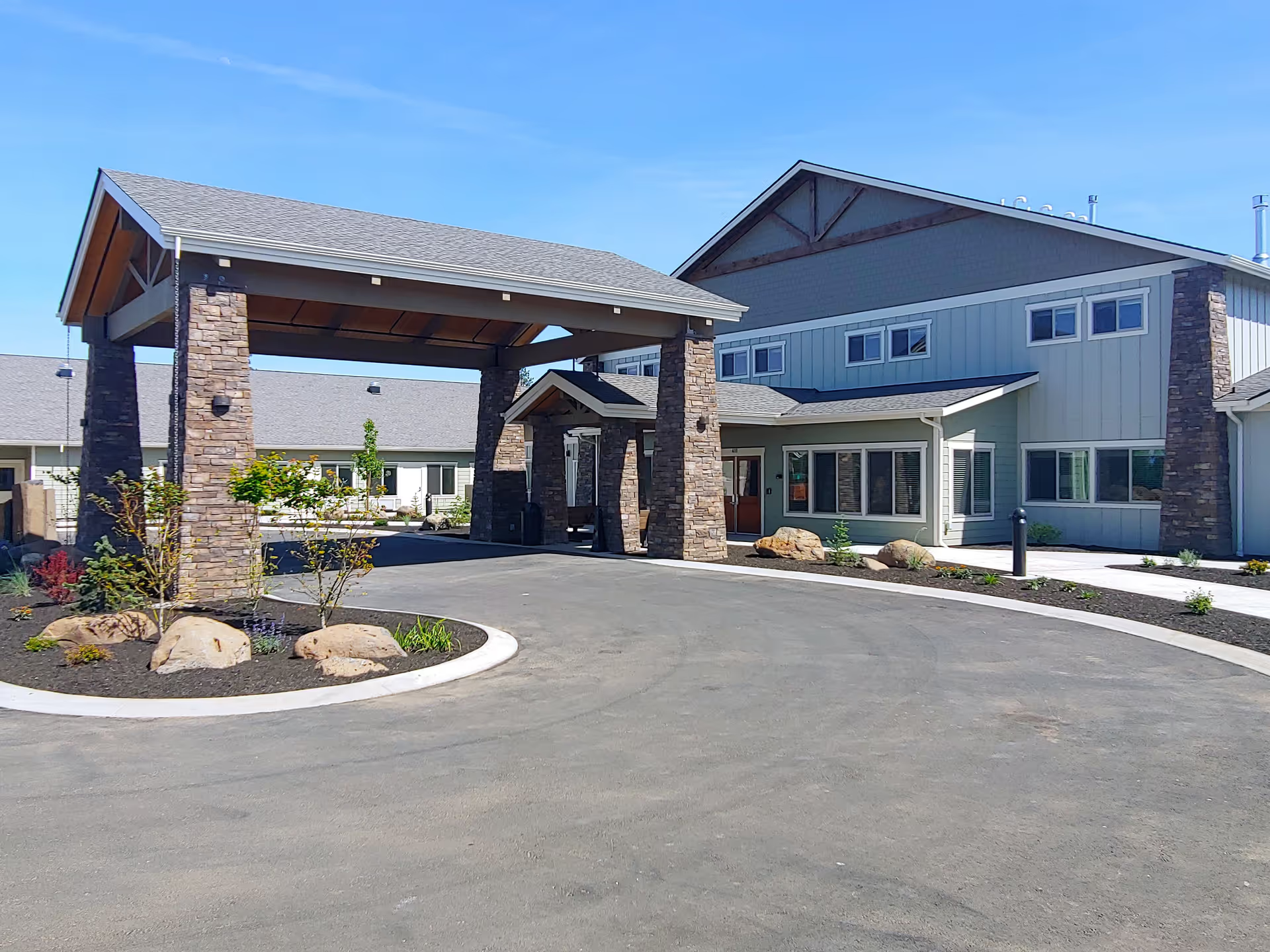
Overall impression: Touchmark at Mount Bachelor Village is consistently described as an upscale, well‑maintained senior living community with a resort‑like feel, extensive programming, and strong attention to grounds and interior upkeep. Reviewers commonly cite an attractive river‑side location, multiple residential choices (apartments and cottages), and an environment that many residents describe as welcoming and home‑like. The property is noted for being clean, updated, and visually appealing, with multiple indoor and outdoor amenity spaces.
Care and staff: Staffing and care are among the facility’s foremost strengths. Many accounts highlight compassionate, warm interactions, a culture of hospitality, and a committed nursing and support team; examples include daily contacts from nursing leadership and staff described as going “above and beyond.” At the same time, there are consistent operational concerns: staff turnover, occasional gaps in communication or information transfer, and variable responsiveness at the front desk and clinical interfaces. Several reviewers also described staffing shortages that have affected how consistently services are delivered. These two themes together suggest a generally strong staff culture that is nevertheless challenged by staffing stability and internal communication processes.
Dining: Dining experiences are mixed and a frequent decision factor for prospective residents. Positive comments emphasize attentive servers, appealing presentation, and standout meals such as high‑quality brunches. Conversely, a significant number of comments point to declining or inconsistent food quality, small portions, repetitive menus, and an overall perception that dining is expensive. The pricing model for residential fees and dining allowances appears to be a recurring point of confusion or dissatisfaction; reviewers recommend clarifying what is included in the base price and what is billed separately.
Activities and amenities: The community offers a broad slate of social, cultural, and fitness activities—movie nights, lectures, quilting shows, weekly socials, and outdoor pursuits such as pickleball, golf, and hiking. On‑site amenities referenced include a theater, bar, salons/spa services, fitness equipment, scheduled buses for shopping and outings, and active programming that supports social engagement and an active lifestyle. These programmatic strengths are a notable selling point for residents seeking an engaged community.
Facilities and unit features: Buildings and grounds receive high marks for cleanliness and maintenance. Unit quality varies: several reviewers praised apartment finishes and large bathrooms, while others noted that bedrooms are modest in size and that kitchenettes often lack usable counter space. Some common areas were described as chilly during colder months, indicating climate‑control variability that prospective residents should verify in person.
Management and patterns to consider: Two recurring operational patterns stand out. First, the community projects a high level of service and aesthetics but also carries premium pricing with additional, sometimes opaque, fees; several reviewers characterized overall value as limited relative to cost. Second, while the staff culture and resident satisfaction are often praised, staffing instability and communication lapses have intermittently affected dining, responsiveness, and front‑desk interactions. COVID‑era restrictions were cited as impacting dining and service delivery in the past, with management and staff described as actively working to address those disruptions.
Guidance for prospective residents: Touchmark may be a strong fit for people seeking an active, well‑appointed community with extensive programming and attentive housekeeping/maintenance. Prospective residents and families should prioritize clarifying the fee structure (what is included vs. extra), inquire about current staffing ratios and turnover trends, sample the dining options and ask about portioning and menu rotation, and inspect in‑unit kitchen functionality and common‑area climate comfort. Doing so will help align expectations around cost, daily living, and service consistency.